

Juggling It All: Mental Health for Working Women in Saudi Arabia
Hey there! Let’s chat about something super important: the mental well-being of working women, especially in places like Saudi Arabia where things are changing fast. You know, women are stepping into all sorts of roles in the workforce these days, which is fantastic! But let’s be real, balancing work with everything else life throws at you can be a *lot*.
So, some smart folks decided to dive deep and see what’s really going on with depression and anxiety among working women in Saudi Arabia. They wanted to understand the pressures, the stuff related to life outside work (psychosocial factors), and even things around pregnancy and childbirth (perinatal factors). Honestly, this kind of research is really needed to get a clearer picture.
The Lowdown on the Study
Okay, so how did they do it? They gathered info from 580 working women in Riyadh. They used an online survey – pretty standard these days, right? This survey asked about all sorts of things:
- Basic stuff like age, where they lived, if they were married, kids, education.
- Work details: what kind of job, sector (private/public), how long they’d been working, income, hours.
- Health bits: any existing medical or mental health conditions, smoking, drinking, etc.
- And the *really* interesting part for many: pregnancy history, complications, maternity leave, and how soon they went back to work.
To figure out the mental health part, they used two well-known questionnaires: the PHQ-9 for depression and the GAD-7 for anxiety. These help score how severe someone’s symptoms might be.
What Did They Find? The Numbers Tell a Story
Alright, let’s get to the juicy bits – the results! And honestly, they’re a bit eye-opening.
Get this:
- Nearly half the women (50.2%) had symptoms pointing to mild to moderate depression.
- Right alongside that, 49% showed signs of mild to moderate anxiety.
Yep, that’s a significant chunk of the working female population dealing with these challenges. They also found a *strong* connection between depression and anxiety – if you had one, you were very likely to have the other too (the study says they were positively correlated, which makes sense, right?).
But it wasn’t just about mild or moderate stuff. A noticeable percentage also reported more severe symptoms:
- 20.3% had moderately severe to severe depression.
- 15.5% had severe anxiety.
These aren’t just “feeling a bit down” numbers; these can really impact someone’s life and ability to function.

Digging Deeper: What’s Linked to These Feelings?
So, who was more likely to experience these tougher levels of depression and anxiety? The study pointed to a few key things:
* Previous Mental Health Struggles: This was a big one. Women who had been diagnosed with a psychiatric disorder before were *much* more likely to have severe depression and anxiety in this study. Kind of reinforces that past history matters, doesn’t it?
* Lifestyle Habits: Interestingly, they found links with certain behaviors. Women who reported drinking alcohol had a significantly higher chance of moderately severe to severe depression. And smokers? They had a significantly higher rate of severe anxiety. This isn’t about judgment, but it highlights potential coping mechanisms that might actually make things worse.
* The Pregnancy Puzzle: Here’s a finding that might make you pause. The study found that women with a *lower* number of total pregnancies had a significantly higher prevalence of moderately severe to severe depression. This is a complex one, and the researchers suggest it *could* be that severe depression itself might make someone less likely to get pregnant or feel able to handle the extra burden. It’s a correlation that definitely needs more looking into.
What *didn’t* seem to be strongly linked in *this specific study*? Things like age, marital status, education level, job type, income, or years of work experience didn’t show a significant relationship with depression or anxiety levels. That’s a bit surprising, as you might expect job stress or financial worries to play a bigger role, but this study suggests other factors might be more dominant here.
Why Is This Happening? The Context Matters
The study authors and previous research point to a few reasons why working women, particularly in this region, might be facing these challenges:
* Juggling Multiple Roles: This is a classic one, right? Women often wear many hats – employee, wife, mother, caregiver for elders, managing the household. The demands of a full-time job piled on top of significant domestic and social responsibilities can be incredibly stressful.
* Societal and Familial Expectations: In many cultures, including the Arab region, there are strong expectations around women’s roles at home. This can add extra pressure and burden, compounding workplace stress.
* Workplace Stressors: While job type wasn’t a direct correlate *in this study*, other research shows high psychological job demands can double the risk of depression and anxiety. Long hours, in particular, can take a toll, sometimes at the expense of personal time and family needs.
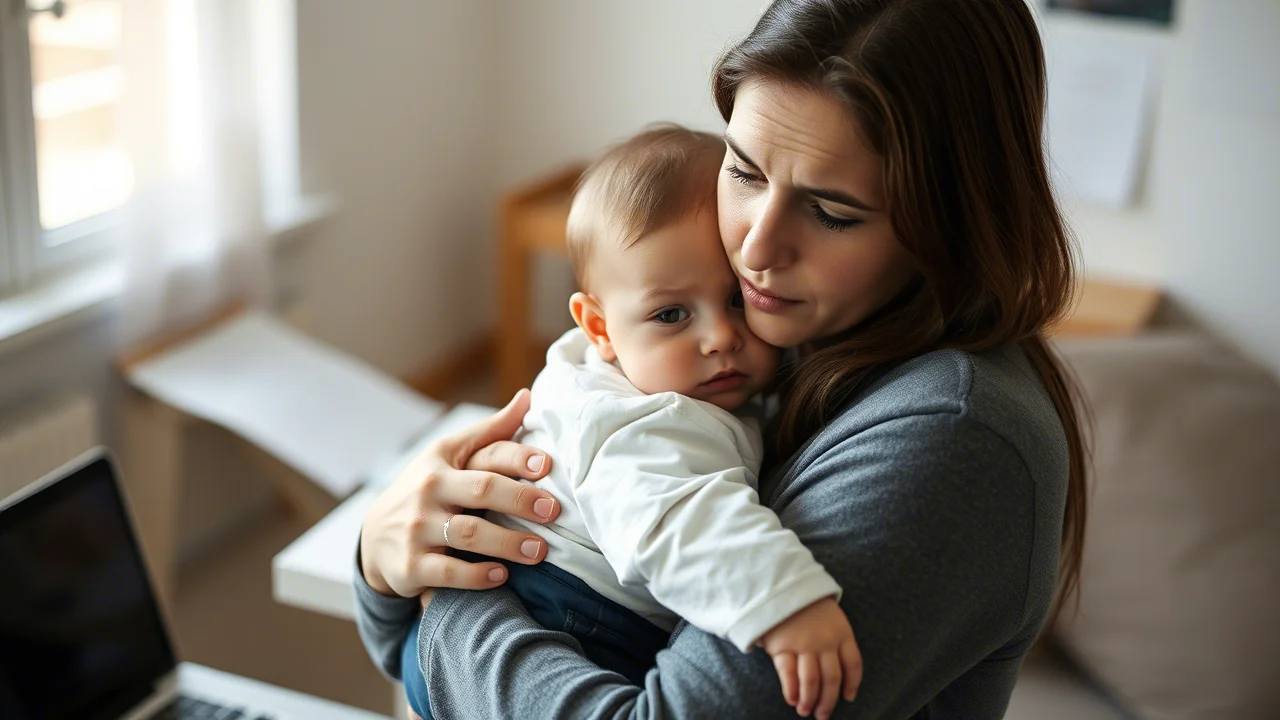
* Perinatal Period: The study highlighted the pregnancy and postpartum period. Many women took maternity leave (49%), but a big chunk of those (65.2%) felt they needed *more* time off. Shorter maternity leave is known to be a risk factor for postpartum depression and anxiety. It makes total sense – recovering from childbirth and caring for a newborn is a massive undertaking, and rushing back to work adds immense pressure.
It’s worth noting that some international studies have actually found employed women to have *better* mental health than unemployed women or housewives, possibly because of financial independence, social connections at work, and a sense of purpose. But this study in Saudi Arabia, and others in similar cultural contexts, shows that the unique blend of workplace demands and strong traditional societal/familial expectations creates a different picture.
What Needs to Change? Recommendations for Support
So, given these findings, what’s the takeaway? The study authors are pretty clear: there’s an urgent need for better mental health support for working women in Saudi Arabia. This isn’t just a personal issue; it’s a public health concern that affects a growing part of the workforce.
Here are some ideas they float, and frankly, they sound like common sense ways to make things better:
- Comprehensive Mental Health Support: Making it easier for women to access help, tailored to their specific needs and the challenges they face.
- Workplace Awareness and Resources: Employers need to step up! This means increasing awareness about mental health, reducing stigma, and providing resources or wellness programs. Access to psychological services through work would be a game-changer.
- Flexible Work Arrangements: Things like flexible hours or remote work could help women better manage their multiple responsibilities and reduce stress.
- More Generous Maternity Leave: The fact that so many women needed extra leave speaks volumes. Policies need to catch up to the reality of recovering from childbirth and bonding with a new baby. Longer, more supportive maternity leave is crucial.
- On-site Childcare: This would directly address one of the major stressors for working mothers.
- Addressing Unhealthy Coping: While sensitive, recognizing the links between smoking/alcohol and mental health means awareness and support programs could also touch on healthier coping strategies.

Ultimately, supporting working women’s mental health isn’t just about being nice; it’s about enabling them to thrive, both at work and at home. It benefits families, communities, and the economy as a whole.
Acknowledging the Limits
No study is perfect, and the authors are upfront about theirs. This was a snapshot in time (cross-sectional), based on women only in Riyadh (so maybe not representative of the whole country), and relied on self-reported data (people might under or over-report). They also didn’t compare working women to unemployed women, which could offer more context. But even with these limitations, the findings are significant and point to a clear need for action.
The Bottom Line
This study confirms that a substantial number of working women in Saudi Arabia are grappling with depression and anxiety. While things like your specific job or income didn’t show a direct link here, factors like previous mental health history, certain lifestyle habits, and the pressures around pregnancy and returning to work seem to play a big role.
As more women enter and stay in the workforce, understanding and addressing these mental health challenges becomes absolutely vital. It’s time for enhanced support systems, better workplace policies, and increased awareness so that working women can not only contribute their amazing talents but also maintain their well-being. Let’s make sure the conversation keeps going and leads to real change!
Source: Springer


