
Saving Lives, One Release at a Time: Naloxone for Women Leaving Jail
Hey there! Let’s talk about something super important, something that doesn’t get nearly enough attention: what happens when women with a history of opioid use disorder (OUD) leave jail and head back into the community. It’s a really tricky time, and frankly, it’s a period of really high risk. We’re talking about overdose risk, which is a huge public health issue, getting bigger every year.
Now, you might think about overdose risk in general populations, and yeah, it’s bad. But here’s the kicker: for folks coming out of correctional facilities, that risk shoots way up. Why? Well, think about it. While they’re inside, their tolerance to opioids drops significantly. Then they get out, maybe they use again, and their body just isn’t prepared for the same amount they might have used before. Add to that the difficulty accessing treatment or medication-assisted treatment (MAT) right away, and the disruption of their support networks, and you’ve got a recipe for disaster. This period right after release is incredibly vulnerable.
And while overdose rates are generally higher for men, when you look specifically at people leaving jail or prison, that gender gap shrinks dramatically, and sometimes, women face even higher rates than men transitioning back. They also face higher rates than women in the general population. It’s a serious situation, and with the number of women in jail increasing dramatically over the past few decades (way faster than for men!), finding effective ways to help them is more critical than ever.
Why the Risk is So High
So, let’s dig a little deeper into why this transition is so dangerous. As I mentioned, tolerance loss is a big one. Your body just isn’t used to the drug anymore. But it’s not just that. Getting connected with treatment, like buprenorphine or methadone, can be tough immediately upon release. There are waiting lists, transportation issues, paperwork – all sorts of hurdles. Plus, the social networks they return to might include people who are still actively using, which can make staying sober incredibly difficult. It’s a perfect storm of factors that ramps up the danger.
And for women specifically, there can be additional layers of complexity. Things like mental health challenges, histories of trauma or violence, and complex relationships can all play a role in their substance use and their journey back into the community. It’s not just about the drugs; it’s about their whole life situation.
What’s Being Done? Enter Naloxone!
Okay, so the problem is clear. What’s a key part of the solution? Overdose Education and Naloxone Distribution, or OEND. You’ve probably heard of naloxone (sometimes known by the brand name Narcan). It’s a miracle drug, really. It’s an opioid antagonist, meaning it can quickly reverse an opioid overdose. It literally pulls the opioids off the brain’s receptors, allowing the person to start breathing again. Getting this into the hands of people at risk, and the people around them, is a proven way to save lives.
But it’s not enough to just hand someone a box. That’s where the “Education” part of OEND comes in. People need to know how to recognize an overdose, how to use the naloxone kit, and what to do afterward (like calling for emergency help!). It’s a public health strategy that works.
This is where a really interesting study comes in. Part of a big national research effort called JCOIN (Justice Community Opioid Innovation Network), the Kentucky hub decided to focus specifically on women. Their goal? To study OEND among women with OUD history as they transition from jail back home, and ultimately, to see if it helps them connect with treatment and stay safe.
Who We Talked To
So, who were the folks in this study? We’re talking about 900 women incarcerated in nine different jails across Kentucky. They were screened to make sure they met the criteria for opioid use disorder and were planning to be released within a certain timeframe. Out of that initial group, over 700 were successfully followed up with about three months after they got out. That’s a pretty good number, giving us a solid look at what happened.
What did we know about these women at the start? Well, they were, on average, around 37 years old. Most were white (93%), and about three-quarters had a high school diploma or GED. Only about a quarter were employed before they went into jail. And importantly, a good chunk (65%) were living in rural areas, which can sometimes mean fewer resources available locally.
Their history with opioids was significant. They scored high on OUD screening tools, showing substantial opioid use before jail, including prescription opioids, heroin, and fentanyl. But it wasn’t just opioids. Most also reported using other substances like methamphetamine (85%), marijuana (61%), and benzodiazepines (41%). This polysubstance use is a big deal because it dramatically increases the risk of overdose.
And here’s a really striking stat: nearly three-quarters (74.4%) reported they had injected drugs at some point in their lives. And more than half (54.9%) had experienced a non-fatal overdose *before* they even entered jail. Think about that – over half had already faced a life-threatening event related to their drug use. These weren’t just people *at risk*; many had already been through the fire. These past behaviors are huge red flags for what might happen upon release.
Getting the Lifesaver Out
The study had a clear plan for OEND. First, education. All the women in the study were offered a chance to watch a 9-minute video about recognizing and responding to an opioid overdose. And guess what? Every single one of them was willing to watch it! That tells you they are receptive to this information, which is fantastic news.
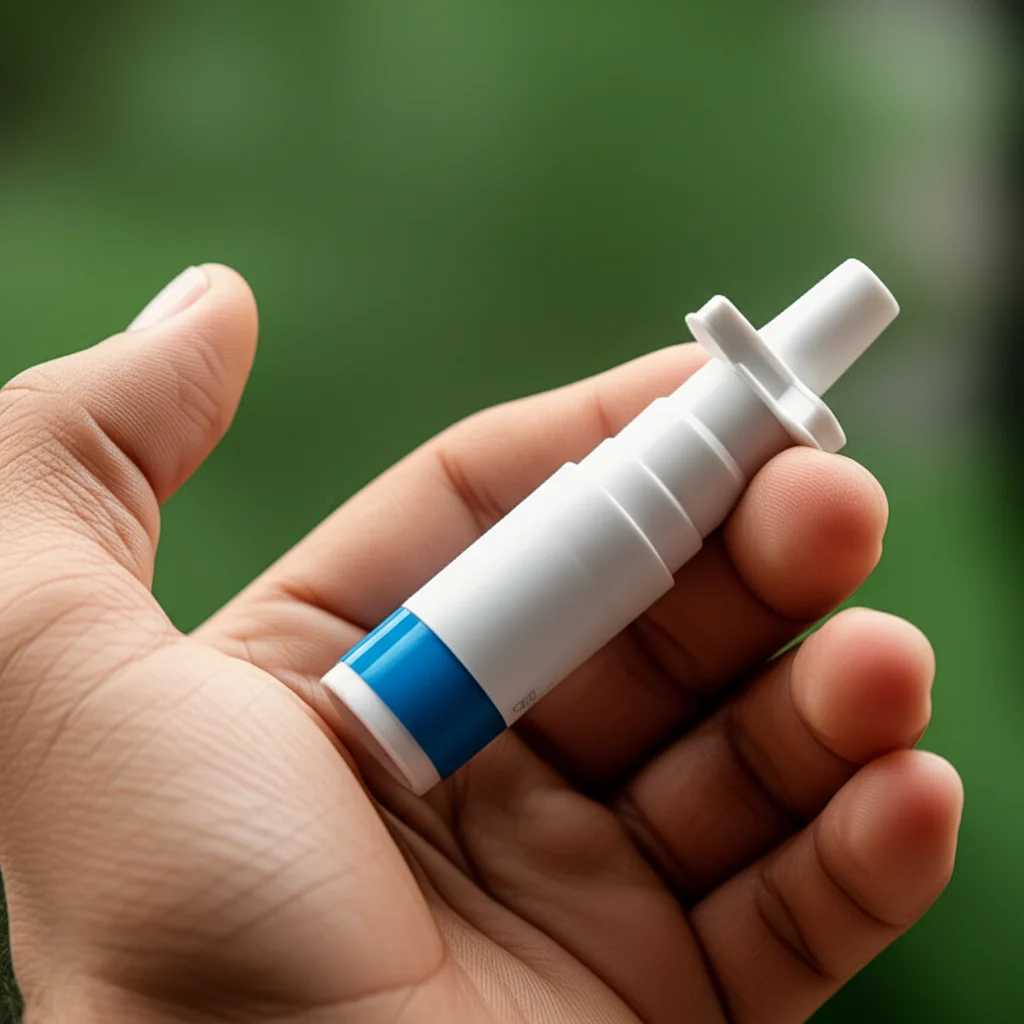
Then came the naloxone itself. The study staff had a couple of ways to get the two-dose naloxone kits to the women. They could leave it in the woman’s personal property at the jail to pick up when she was released, or they could mail it to a preferred address after she got out. They also included a brochure to help them remember the key steps.
Now, here’s where things get a little bumpy. The study staff recorded that 94% of women had a unit left in their property, and 5% had one mailed. Sounds great, right? But when they followed up with the women three months later, only about 71% reported actually *receiving* the unit upon release. That’s a significant gap! The study couldn’t track exactly what happened to the units left with jail staff, which highlights a real challenge in getting these life-saving tools from the system into the hands of the person who needs it most, right at that critical moment of re-entry.
Did It Work? The Findings
Okay, so what happened after they got out? Out of the women who said they *did* receive a naloxone unit, almost all of them (98%) found the education video and pamphlet helpful. That’s a win! The information resonated and stuck with them.
And the big question: did they use the naloxone? Yes! About 8% of the women who received a unit reported using it in the three months after release. That might not sound like a massive number, but think about it – that’s 30 times a life might have been saved! And who did they use it on? Interestingly, it was split pretty evenly: about a third used it on themselves (which means someone else nearby knew where it was and how to use it – showing the importance of educating their network!), and another third used it on a friend. This really underscores that women aren’t just potential overdose victims; they are also potential lifesavers within their social circles.
For those who didn’t use their unit, most (85%) still had it, and a small percentage (6%) had given it to someone else. This suggests the units weren’t just being discarded; they were being kept or passed along, remaining available for potential use.
Now, the sobering part. Despite these efforts, overdoses still happened. About 4% of the women who completed the follow-up reported experiencing a non-fatal overdose in the three months after release. And heartbreakingly, among the women the study staff couldn’t even reach for follow-up, seven were confirmed to have died from an overdose within 90 days of getting out. Remember, all seven of those women were supposed to have received naloxone upon release based on study records. This again points to the gap between the unit being left at the jail and it actually getting to the person.
When non-fatal overdoses did occur, what drugs were involved? Most commonly, heroin (69%), fentanyl (41%), and methamphetamine (35%). The high rate of fentanyl is particularly concerning, as it’s incredibly potent and often mixed with other drugs, increasing the risk exponentially.

Bumps in the Road e What’s Next
This study really highlights a few key things. First, women coming out of jail with OUD history are absolutely at high risk, and they are receptive to learning how to prevent and respond to overdose. Second, getting naloxone into their hands is crucial, and they *do* use it to save lives – their own and others’.
But there are challenges. The discrepancy between units left at the jail and units received is a big one. We need better systems to ensure that when a naloxone kit is intended for someone upon release, it actually gets to them. This might require more support from jail staff, better protocols, or even finding new ways to distribute it right at the moment of walking out the door.
Another critical finding was that even when naloxone was used to reverse an overdose (which happened in most reported non-fatal cases), very few women sought medical attention afterward. Why? Past research suggests fear of getting in trouble with the law or negative experiences with healthcare providers play a big role. This is a missed opportunity! Medical professionals can provide crucial referrals to substance use treatment, including MAT. We need to find ways to make healthcare settings safer and more welcoming for people who have experienced an overdose, linking them to the care they need for long-term recovery.
This study focused on women, and that’s vital because their needs and risks can be unique. But it’s important to remember that men leaving correctional facilities are also at high risk and need access to OEND and treatment too. Future research should continue to explore the specific needs of different groups.
Ultimately, this study confirms what we suspected: providing overdose education and naloxone to women leaving jail is a necessary, life-saving intervention. It’s not a magic bullet, but it’s a critical piece of the puzzle. We need to keep pushing for these programs, find ways to make them more effective in getting the naloxone directly to the person, and work on connecting people who’ve experienced an overdose with the ongoing support and treatment they need to build a healthier future.

Source: Springer