
Wine’s Future: Can Genes Preserve Tradition?
Hey there, let’s talk about something fascinating that’s brewing (or fermenting!) in the world of wine. You know how much we cherish tradition, especially when it comes to those amazing wines with Geographical Indications (GIs) – think Rioja, Champagne, you get the picture. These aren’t just drinks; they’re liquid history, tied to specific places, methods, and centuries of know-how.
But here’s the thing: even something as steeped in tradition as wine can’t stand still forever. The world’s changing, and our beloved vineyards are facing some serious challenges. Climate change is messing with growing conditions, competition from ‘New World’ wines is heating up, and frankly, what people want to drink is shifting. So, how do you keep the soul of tradition alive while adapting to a wild, changing world? That’s the big question.
The Weight of Tradition (and Why It’s Heavy)
When we talk about GIs, we’re talking about protecting that special link between a product and its place. It’s intellectual property, really, ensuring that when you see ‘Parmigiano’ or ‘Darjeeling’, you know it comes from *that* specific spot and follows *those* specific rules. For wine, this means sticking to certain grape varieties and production methods that have evolved over time, often for a very long time. It’s all about quality, provenance, and preventing fakes.
The EU, being the powerhouse of wine production, takes this super seriously. Their rules are pretty strict, especially about which grape varieties you can use in a PDO (Protected Designation of Origin) or PGI (Protected Geographical Indication) wine. It’s all tied to the idea of *terroir* – that magical combination of soil, climate, landscape, and human touch that makes a wine unique to its region. This focus on established varieties and practices has, let’s be honest, made the European wine sector a bit cautious when it comes to radical innovation. It’s like they’ve found a winning formula and are hesitant to mess with it.
Why Change is Brewing
But as I mentioned, the pressure is on. Climate change isn’t just a distant threat; it’s here. Vineyards are struggling with unpredictable weather, diseases are becoming harder to manage, and the old ways of doing things are getting tougher. Plus, consumers are looking for more sustainable options, wines made with fewer pesticides, maybe even something a bit different.
The sector has tried to adapt. There have been reforms, like allowing the use of hybrid grape varieties (crosses between the classic Vitis vinifera and other species) in GIs since 2021. This was actually a pretty big deal, a “rather radical” step, because it moved away from the idea of genetic purity. These hybrids can be more disease-resistant, needing fewer sprays, and more resilient to changing climates. Sounds great, right?
Well, yes, but developing new hybrids takes *ages* – like 20 or 30 years! And even then, there are questions about the quality of the wine they produce and whether consumers will actually buy them. Winemakers have centuries of knowledge about the classic varieties; learning how to get the best out of a new hybrid is a whole different ballgame. So, while hybrids are a step, they’re not a silver bullet.
Enter the Gene Editors
This is where New Genomic Techniques (NGTs) come into the picture, and specifically, the buzz around tools like CRISPR. Think of NGTs as super-precise genetic editing tools. Unlike the older GMO tech that often involved sticking genes from completely different organisms into a plant, NGTs can make very small, targeted changes within the plant’s *own* genetic material. These changes could potentially happen in nature or through really slow, traditional breeding, but NGTs do it quickly and precisely.
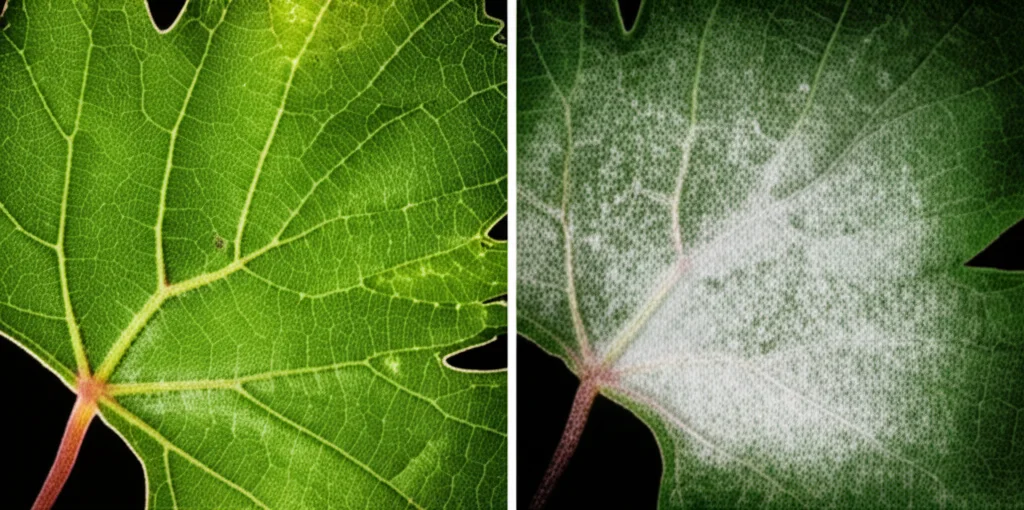
The promise for wine is huge. Imagine taking a classic, beloved grape variety – say, Chardonnay or Merlot – and giving it resistance to powdery mildew, a devastating disease, without changing anything else about it. No need for constant spraying, less crop loss, and the wine still tastes like the Chardonnay or Merlot everyone knows and loves. It’s about adding useful traits while preserving the genetic identity and the associated *typicity* (that distinctive flavour profile) of the traditional grape.
This is the idea behind “Innovation to Preserve Tradition.” NGTs offer a tantalising possibility: use cutting-edge science to keep the classic varieties viable in a challenging world, leveraging the centuries of knowledge winemakers already have about them. It sounds like lightning in a bottle, doesn’t it?
Navigating the Regulatory Maze
But, as with any powerful new technology, it’s complicated. In the EU, NGTs have historically been lumped in with older GMOs, which face really strict regulations. This meant any grape variety modified by NGTs, no matter how minor the change, would be subject to that tough regime, making adoption pretty difficult.
Recognizing the potential difference, the European Commission proposed new legislation in 2023 to create a new category: ‘Category 1 NGT plants’. These are plants with minor genetic changes deemed equivalent to those that could occur naturally or through conventional breeding. The idea is to exclude these from the strict GMO rules, making it easier for them to be developed and used. Category 2 NGTs, with more extensive changes, would still fall under stricter rules.
Getting this proposal through has been a political rollercoaster, facing opposition and requiring compromises. There are also complex legal questions about how NGTs fit with existing GI rules (which are *very* specific about varieties) and, crucially, intellectual property. There’s a real concern that the rise of NGT-related patents could make it harder for plant breeders to access and use genetic material, potentially threatening the ‘breeder’s exemption’ that allows using protected varieties to create new ones. This is a big deal for innovation down the line.

The Public Perception Puzzle
Beyond the labs and legislative halls, there’s the court of public opinion. Let’s face it, the word ‘GMO’ still makes many people nervous in Europe. And while NGTs are different, public awareness and concern about them seem to be growing too. This is particularly sensitive for wine, a product deeply associated with nature, authenticity, and tradition. Marketing often leans heavily on images of sun-drenched vineyards and generations of winemakers, not high-tech labs.
Will consumers accept wine made from NGT-edited grapes? Even hybrids, developed through conventional breeding, have faced limited acceptance. One tricky point is labeling. The proposal suggests Category 1 NGT wines might *not* require mandatory labeling, arguing they’re equivalent to conventionally bred plants. On one hand, this might help overcome consumer resistance. On the other, critics say it hides information consumers value and could lead to a backlash, perhaps even the rise of voluntary ‘made without genetically edited grapes’ labels, which could further stigmatize the technology.
Adding another layer, the EU’s organic farming rules are clear: no GMOs, and under the current proposal, that includes Category 1 NGTs. This distinction between conventional (potentially using NGTs without labeling) and organic (explicitly NGT-free) could inadvertently reinforce public suspicion about NGTs in conventional wine.
Taste, Terroir, and Typicity
A concept central to GI wines is *typicity*. It’s that distinctive identity, the flavour profile that tells you this wine could *only* come from this specific region, made from *these* grapes, using *these* methods. It’s a collective taste memory, a consensus built over generations about how the wine from a place should taste.
NGTs could potentially be a good fit for typicity, at least in one sense. By precisely editing existing, established varieties, they aim to add traits (like disease resistance) without fundamentally changing the grape’s core characteristics or its interaction with the *terroir*. This is arguably more respectful of varietal typicity than introducing completely new hybrid crosses, which *do* change the grape’s chemistry and require new winemaking approaches.
However, typicity is also based on consensus and tradition. Will it take time for this collective taste memory to accept wines made with NGT-edited grapes, even if they taste familiar? Public perception and the cultural weight of tradition play a huge role here, and building that consensus around a radical new technology won’t happen overnight.
Diversity: A Double-Edged Sword?
Here’s another wrinkle: what about grapevine diversity? NGTs are great for tweaking existing, popular varieties quickly. This is super useful for keeping those mainstream or locally important grapes viable. But could it also decrease the incentive to breed entirely *new* varieties, including those promising hybrids that bring in different genetic backgrounds? If you can just fix the problems in your current favourite grape with a quick edit, why spend 20 years developing something totally new?
Especially with the potential for more NGT-related patents, there’s a risk that access to technology and genetic material could become more restricted, further hindering traditional breeding efforts and potentially reducing the overall genetic diversity of grapevines in the long run. Diversity is crucial for resilience, especially in the face of unknown future challenges.
Now, advocates argue NGTs could also help *preserve* diversity by saving local varieties that are currently vulnerable to diseases or climate change. And in principle, they could lead to *more* possibilities. But given the European wine sector’s strong focus on established, elite varieties, the practical outcome might lean more towards refining the familiar rather than exploring the truly novel.
The Road Ahead
So, where does this leave us? The European wine sector is definitely at a crossroads. It needs innovation – urgently – to tackle climate change, environmental demands, and market shifts. NGTs, particularly tools like CRISPR, offer a powerful way to do this while potentially preserving the core identity of traditional grape varieties and the concept of *typicity* that’s so vital for GIs.
But the path isn’t smooth. There are big regulatory hurdles to clear, complex legal questions around patents and GIs, and perhaps the biggest challenge of all: winning over public trust. How these wines are presented to consumers, whether they are labeled, and how the organic sector positions itself will be crucial.
Successfully integrating NGTs means more than just getting the science right. It requires careful navigation of regulations, ensuring fair access to technology, and, most importantly, having an open conversation with consumers about what this technology is and isn’t. It’s about finding a way for innovation to truly serve tradition, ensuring that the lightning in the bottle isn’t just powerful, but also accepted and cherished for generations to come.
Source: Springer