
Unlocking Math Modelling with Digital Video Magic
Hey there! So, I’ve been diving into something pretty cool lately – how digital videos are shaking things up in the world of mathematical modelling. You know, that practice where we use math to make sense of real-world stuff? Turns out, videos aren’t just for watching cat videos or tutorials anymore; they’re becoming seriously powerful tools for learning and doing math modelling.
For a while now, folks in mathematics education research have been looking at how videos help us teach and learn math. But when it comes to mathematical modelling specifically, there’s been this little gap. We haven’t fully figured out *how* videos really contribute – like, what roles do they play in setting up problems, providing resources, or even just changing the whole process?
That’s where a recent study I checked out comes in. It looked at how teachers, working in an online course, used videos not just to *get* problems, but to *give* their solutions back! They called these “video-responses,” which is a neat idea, right? Instead of just writing stuff down, they made videos showing their mathematical journey.
Thinking About Humans and Media
To understand what was happening, the researchers used a couple of cool ideas. One is called Humans-with-Media (H-w-M). It basically says that when we use technology, we and the tech become this combined unit that produces knowledge. It’s not just you using a tool; it’s you *and* the tool together doing something new. So, mathematical modelling isn’t just a human thinking; it’s a human-with-video collective figuring things out.
The other big idea is Social Semiotics. This is all about how meaning is made in social contexts, not just through words, but through *everything* we use to communicate – images, sounds, gestures, even how things are laid out. It’s a multimodal world out there! When you combine H-w-M with Social Semiotics, you get this powerful lens to see how videos, with all their visual and auditory bells and whistles, actually *transform* the math being expressed.
Putting it to the Test: Teachers Making Videos
The study involved twenty in-service math teachers in an online course. They were given “video-problems” (VPs) – problems presented *as* videos. Then, working in pairs, they had to solve the problem using mathematical modelling and, here’s the twist, create their own video (a VR) showing their solution process. The researchers looked closely at the videos the teachers made, plus interviews and logs.
They zoomed in on four pairs to really dig deep into how these video-responses contributed to their modelling practices. Using thematic analysis alongside steps specifically for video analysis, they watched, described, coded, and interpreted what was going on.
What they found was pretty insightful. Videos aren’t just passive containers for math; they’re active participants that allow for rich meaning-making. The way different *semiotic resources* (like spoken language, images, music, gestures, camera work) were combined in these videos was key.
The Magic of Combining Semiotic Resources
The analysis revealed several cool features in how the teachers combined these resources in their videos:
- Simultaneity: Having multiple things happening at once, like showing a natural scene while someone talks about water conservation and uses gestures. This creates an immersive experience.
- Contrast: Juxtaposing different images or sounds to highlight a point, like showing environmentally friendly actions next to harmful ones.
- Sequencing: Arranging images, graphs, or video clips in a specific order to show a step-by-step process or a transition between modelling stages.
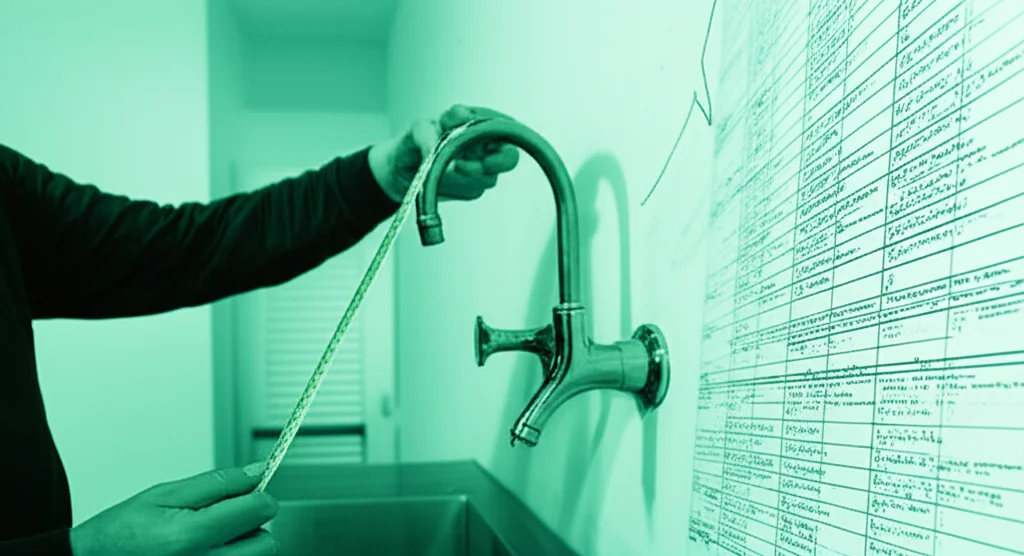
- Replication: Recreating a part of the original video problem or a real-world experience (like measuring water use at home) within their own solution video. This makes the problem personal and authentic.
- Complementarity: Different resources working together to reinforce a message, like using body language and facial expressions to emphasize key points while speaking.
- Juxtaposition: Placing images or text side-by-side (or one after another quickly) to create a specific meaning or reinforce a conclusion.
These combinations weren’t just random; they were used intentionally by the teachers to make their mathematical thinking and solutions clearer, more engaging, and more persuasive.
Videos Influencing the Modelling Journey
The study also looked at how videos contributed to the different stages of mathematical modelling:
Problematising
This is the stage where you understand the context and define the problem. Videos really shine here by providing authentic, immersive contexts. Think about showing a video of a river to talk about water consumption, or news clips about energy use. The teachers used music, images, and verbal language to make the problem feel important and real, encouraging viewers to engage.
Investigating
Here, you gather data and look for patterns. The videos helped teachers show *how* they collected data (remember the water measurement example?) and organize it using sequences of graphs and tables. The combination of mathematical language, images, and voice-over made the process of identifying variables and strategies much clearer and more visual.
Mathematising
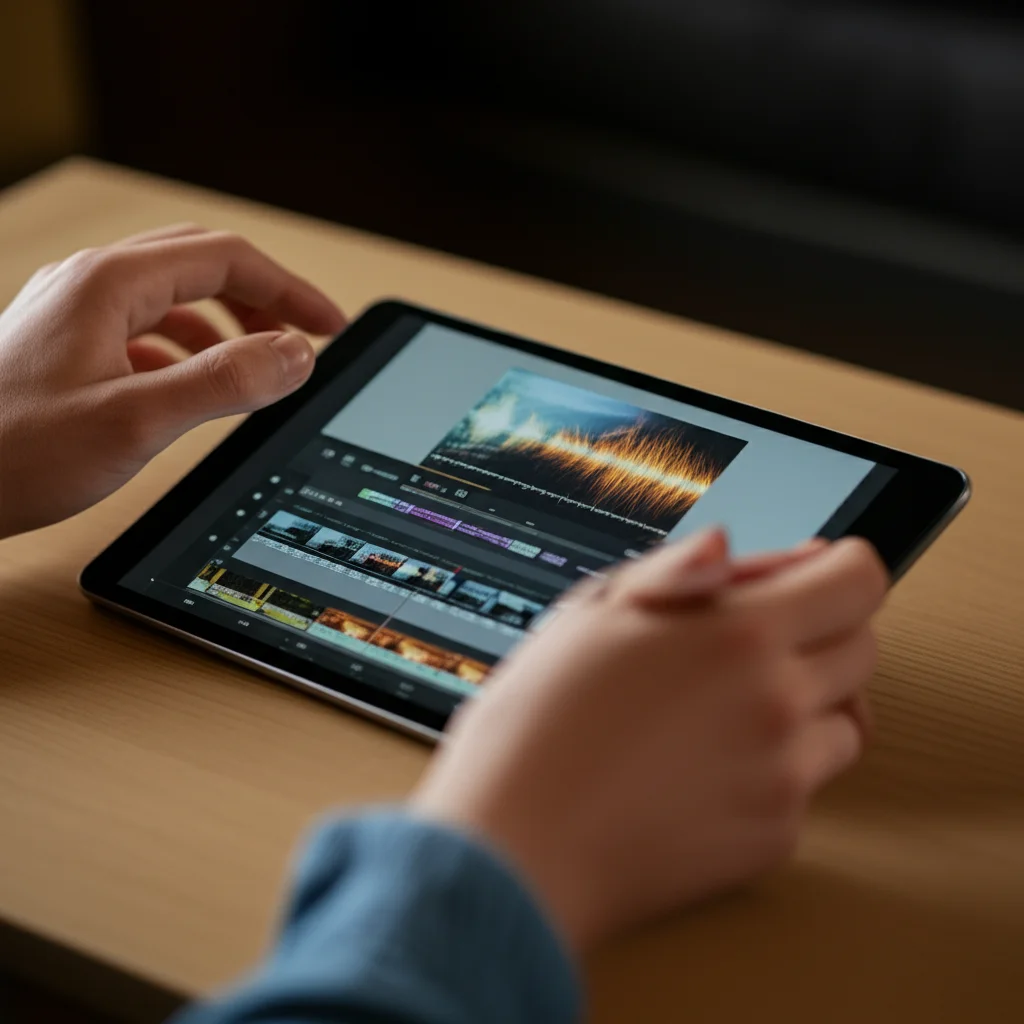
This is where you build mathematical models. In the videos, teachers combined images, mathematical symbols, and explanations (voice-overs, embedded videos, gestures) to present their models and show their step-by-step procedures. The multimodal nature made complex mathematical ideas more accessible and visually comprehensible. One cool example was embedding a video of a chemistry teacher explaining the math behind battery charging!
Answering
Finally, you present your solution. The videos allowed for multimodal answers – not just numbers, but a narrative supported by images, music, text, and voice. The juxtaposition of resources helped emphasize the conclusion and reinforce the evidence supporting it. Teachers didn’t just give an answer; they told a story about how they got there, often extending the problem or posing new questions.
Essentially, creating these video-responses pushed the teachers to think about their entire modelling process as a story to be told visually and audibly. It required planning, decision-making about *how* to communicate, and structuring a coherent narrative.
Videos Shaping What Modelling Means
Beyond just helping with the stages, the study found that videos influenced the *meaning* teachers attributed to mathematical modelling itself. For some, it was about solving a real problem with math. But the videos allowed for different interpretations:
- It could be a process for studying a specific topic (like affine functions) within a real context.
- It could be a way to connect math to other disciplines (like chemistry).
- It could be a tool for raising awareness about global issues (like environmental impact).
The unique combinations of semiotic resources in the videos helped shape these different understandings, making the practice feel complete and situated within the creators’ own experiences and interests.
But Hey, There Are Challenges Too!
It wasn’t all smooth sailing. The study hinted at a potential challenge: sometimes, the original video problem (VP) might be *too* specific or simple, unintentionally limiting how much the teachers explore or how diverse their video responses become. If the VP provides *too* much data or a very straightforward path, it might lead to a less rich modelling process, more like just replicating what was shown rather than truly exploring and creating.
This adds a new point to the ongoing discussion in math education about how to design effective modelling tasks – now we have to think about how videos, as the medium for the task, might influence the depth and breadth of the students’ or teachers’ modelling activity.
Wrapping It Up
So, what’s the takeaway? This study really drives home that digital videos are way more than just a new way to present information in math modelling. They are dynamic, multimodal resources that actively contribute to the practice itself. They help us make meaning in unique ways by combining visual, auditory, and other semiotic resources in features like simultaneity, sequencing, and juxtaposition.
Videos can make modelling feel more authentic, create immersive experiences, and help structure the whole process as a compelling narrative. They push modelers to think about communication and representation in new ways.
While there’s still lots to explore – like how different video formats work, or how this impacts teacher professional development – this research gives us solid evidence that bringing digital videos into mathematical modelling isn’t just a tech trend; it’s a powerful way to enrich how we understand, do, and teach math.
Source: Springer