Meet Unemat Rubi: The Spineless, Disease-Resistant Pineapple Superstar!
Hey there, fellow fruit enthusiasts! I’ve got some pretty sweet news straight from the world of pineapples. You know how much we all love a juicy, tropical pineapple, right? It’s a global favorite, second only to bananas in the tropical fruit lineup. But let me tell you, growing these spiky wonders isn’t always a walk in the park for the folks who cultivate them.
In places like Brazil, where they grow a *ton* of pineapples, there’s one variety called ‘Pérola’ that’s super popular locally, making up a huge chunk of the planted area. It’s tasty, sure, but it’s got a couple of downsides. For starters, its pulp is white, and honestly, the international market is *way* more into yellow-pulp pineapples. Plus, ‘Pérola’ has those classic, thorny leaves – ouch! And the biggest headache? It’s really susceptible to a nasty disease called fusariosis.
The Pesky Problem of Fusariosis
Fusariosis is caused by a fungus, and it can totally wreck pineapple crops, leading to big losses for growers. We’re talking potentially 40% of the marketable fruit gone! Controlling it usually involves fungicides, which isn’t ideal for the environment or the wallet. The best defense? Finding varieties that can naturally fight off the disease.
Breeders have been working hard to create better pineapples – ones that are resistant to fusariosis, don’t have spines, have that lovely yellow pulp, are a good shape (cylindrical is best for transport!), and taste great. They’ve had some successes, like ‘BRS Imperial’ or ‘IAC Fantástico’, which are resistant but sometimes the fruits are a bit small. Or ‘Unemat Esmeralda’, which is resistant and spineless but has white pulp. Close, but not quite hitting all the marks for the global stage.
Say Hello to Unemat Rubi!
Guess what? Scientists at the Mato Grosso State University (UNEMAT) in Brazil have been busy, and they’ve just introduced a new pineapple cultivar that seems to tick all the right boxes. It’s called ‘Unemat Rubi’, and I’m pretty excited about it!
This isn’t just some random new fruit; it’s the result of a dedicated breeding program. They crossed different pineapple types, carefully selected the best ones over several cycles, and put them through rigorous testing. ‘Unemat Rubi’ came out as a real winner.
Why This Pineapple is a Big Deal
So, what makes ‘Unemat Rubi’ so special? Let me break it down:
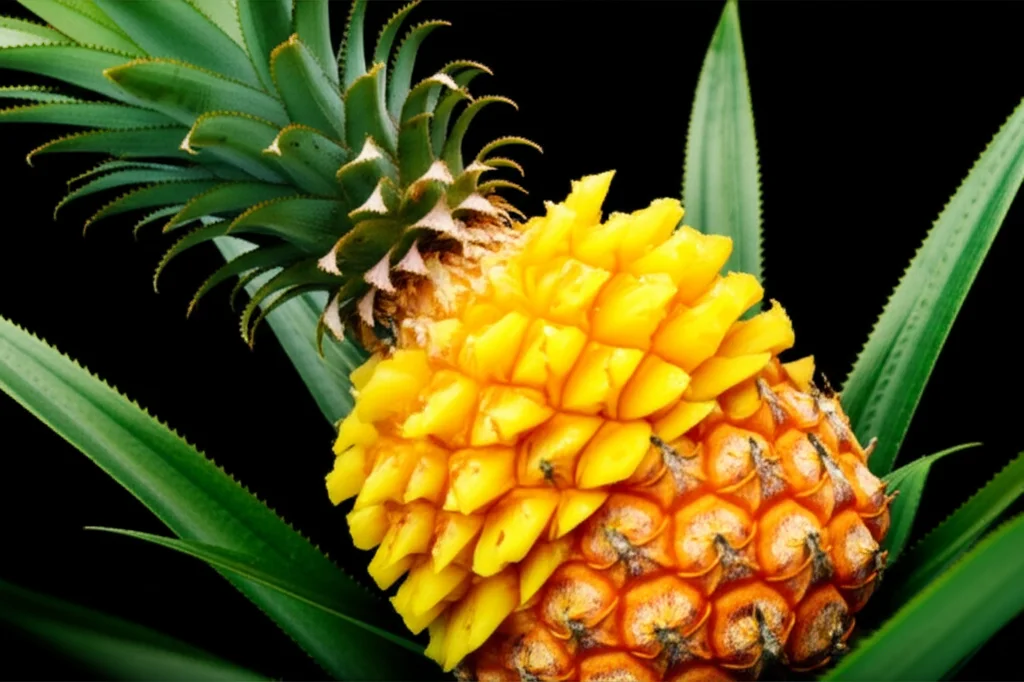
- Fusariosis Resistant: This is HUGE. In trials, ‘Unemat Rubi’ showed *no symptoms* of the disease after being exposed to the fungus. This means less reliance on chemicals and more reliable yields for farmers. It’s got that natural defense built in!
- Spineless Leaves: Remember those painful spines? ‘Unemat Rubi’ doesn’t have them. Think how much easier that makes planting, managing, and harvesting! No more ouchies!
- Yellow Pulp: It’s got that vibrant yellow color that the international market loves. This opens up a whole world of export possibilities.
- Great Fruit Quality: This isn’t a small fruit! ‘Unemat Rubi’ boasts a fruit weight often over 1.5 kg and a diameter above 10 cm. That’s bigger than its parent (‘BRS Imperial’) and even larger than ‘Smooth Cayenne’, which is a standard for export. It fits right into the desirable size categories for both local and international sales.
- Good Taste Profile: It meets the standards for soluble solids (sweetness) and acidity, making it great for fresh eating or processing.
It’s like they took the best traits and combined them into one super pineapple!
The Science Spark
Now, how do they know all this? It wasn’t just a visual check. The researchers used some serious scientific tools to analyze everything. They looked at lots of different characteristics – plant size, leaf length, fruit weight, diameter, sweetness, acidity, and of course, how it reacted to the fusariosis fungus.
They used fancy statistical methods to group the pineapples and see which traits were linked. Interestingly, they found that resistance to fusariosis didn’t seem to be tied to the fruit’s physical or chemical traits. This is actually good news for breeding, as it means you can select for both resistance *and* good fruit quality independently.
They also looked at genetics and found that the desirable traits, especially resistance, have high heritability. This means these good qualities are strongly influenced by genes and are likely to be passed on when the plant is propagated. It reinforces the idea that ‘Unemat Rubi’ has robust genetic resistance.
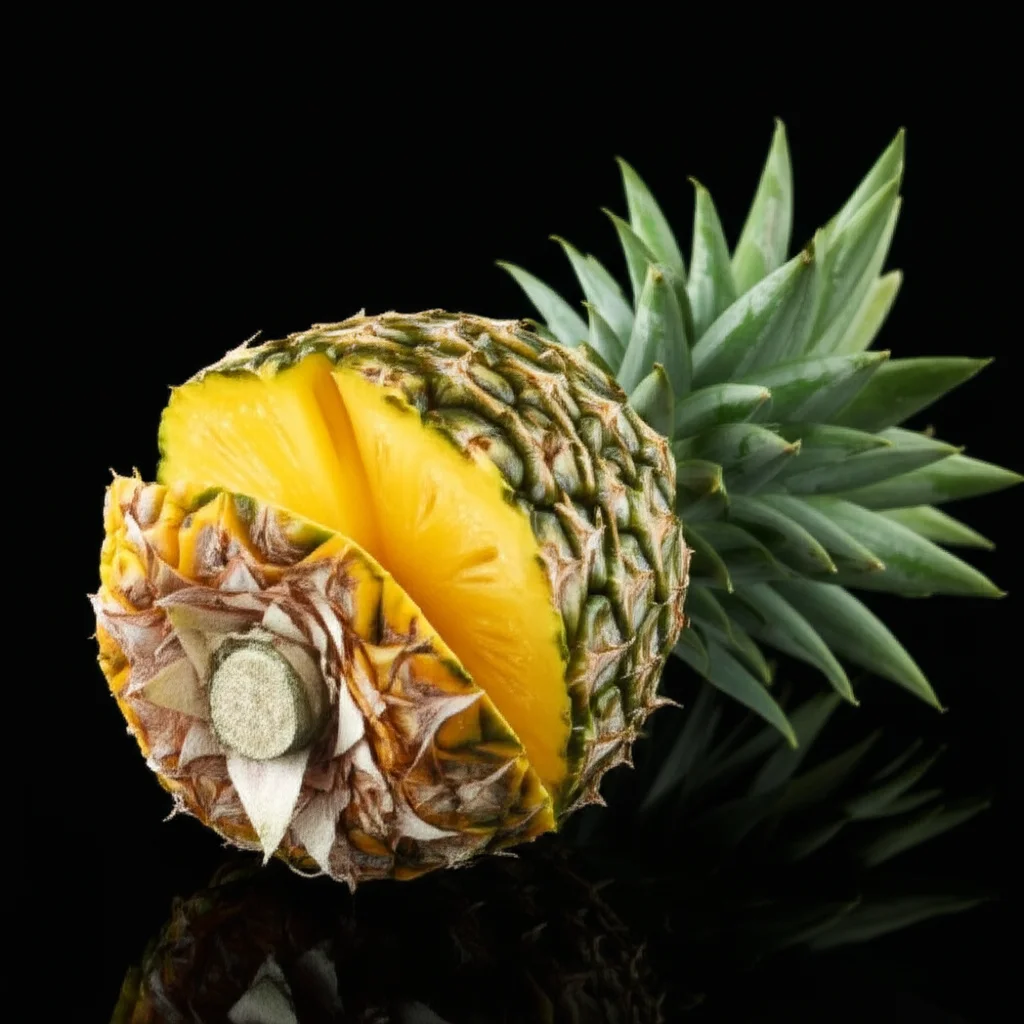
Think about it: a pineapple that’s naturally tough against disease, easy to handle because it’s spineless, has the color the world wants, and is a good size and taste? That’s a game-changer for growers and potentially for consumers too, offering a more sustainably produced fruit.
The study compared ‘Unemat Rubi’ to its female parent, ‘BRS Imperial’, and while they share resistance, yellow pulp, and spineless leaves, ‘Unemat Rubi’ is simply bigger and heavier. It also stacks up well against the widely grown ‘Pérola’, beating it on resistance, spines, and pulp color.
Looking Ahead
‘Unemat Rubi’ is already registered with the Brazilian Ministry of Agriculture. But the work isn’t completely done. The next steps involve getting this amazing new pineapple out there. They’re propagating it, including using micropropagation (basically cloning in a lab) to produce lots of healthy planting material quickly.
They also need to test it in different pineapple-growing regions to make sure it performs well under various conditions. And they’ll use genetic tools to confirm its identity and keep it pure.
This cultivar represents a significant step forward in pineapple breeding. It addresses major issues like disease susceptibility and market preferences, offering a promising option for expanding commercial production, especially for export. It has the potential to boost yields and make pineapple farming more sustainable and profitable.
So, keep an eye out for ‘Unemat Rubi’. It sounds like a real superstar pineapple, ready to make its mark!
Source: Springer