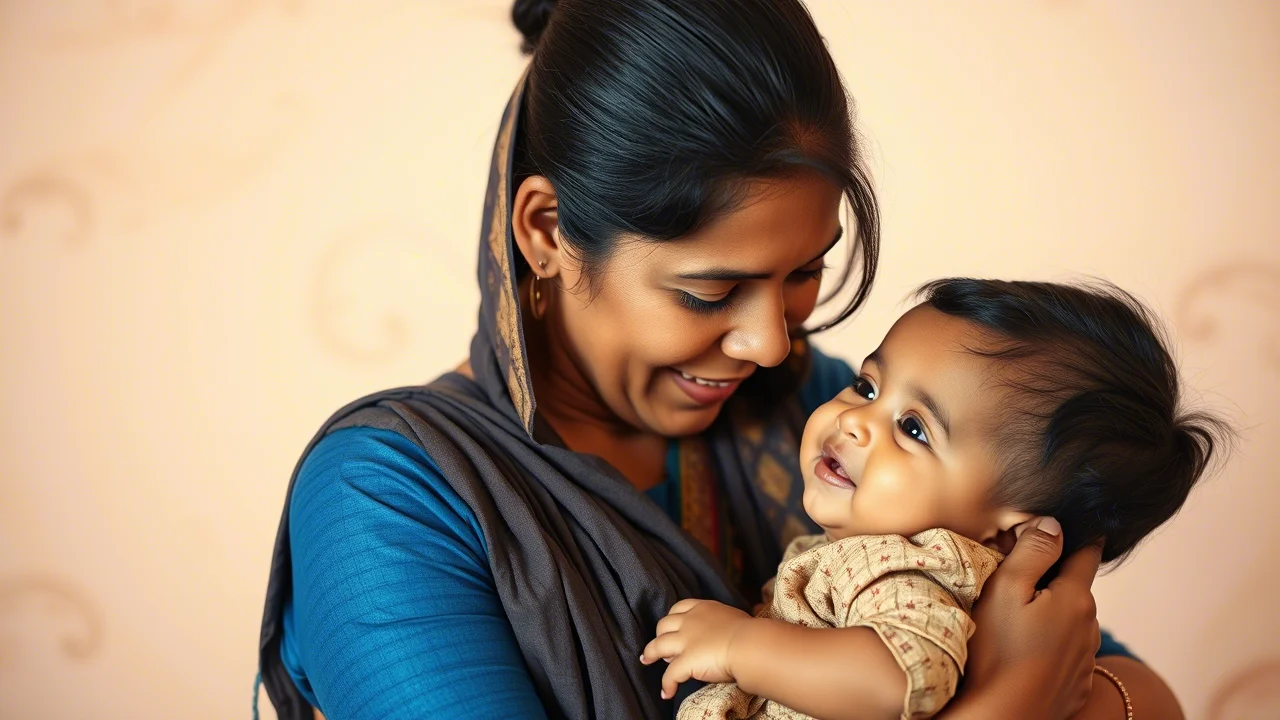
The Unseen Struggle: Mothers, Thalassemia, and Mental Health in Bangladesh
Hey there. Let’s talk about something really important, something that often flies under the radar. We’re diving into a study that looked at the mental health of mothers in Bangladesh who are raising children with thalassemia. You know, that inherited blood disorder that requires constant care? It’s a big deal globally, but especially in places like Bangladesh, which is a major hotspot for it.
I stumbled upon this research, and it really hits home. We often think about the patient, which is absolutely crucial, but what about the incredible humans who are the primary caregivers? In many parts of the world, especially South Asia with limited resources, that role falls heavily on mothers. And let me tell you, caring for a child with a chronic illness like thalassemia is no walk in the park. It’s emotionally, physically, and financially draining.
What’s Thalassemia Anyway?
Okay, quick science bit, but I promise to keep it simple. Thalassemia is basically a genetic hiccup that messes with how your body makes hemoglobin, the stuff in red blood cells that carries oxygen. When that’s not working right, you get anemia, fatigue, and all sorts of other problems. To keep things running, patients often need regular blood transfusions. And that’s just the start.
These transfusions, while life-saving, lead to iron buildup in the body. So, then you need expensive iron-chelating therapy to get rid of the excess iron. It means frequent hospital visits, finding suitable blood, dealing with costs for tests, medicines, and sometimes inexperienced staff. It’s a lifelong journey, and it’s costly and complex, especially in lower and middle-income countries.
Bangladesh, despite being a smaller country, has a huge population, and sadly, a significant number of people affected by thalassemia – we’re talking 60,000–70,000 patients and millions of carriers. This means thousands of babies are born with the condition every year. This isn’t just a patient’s burden; it’s a family’s burden, economically and emotionally.
The Study Scoop
So, this study I read about? It was a cross-sectional look at 156 mothers of children with thalassemia in Bangladesh. It was actually a follow-up to a previous study, focusing specifically on the moms. They used a validated Bengali version of the DASS-21 questionnaire – that’s a tool to measure Depression, Anxiety, and Stress levels. Pretty neat, right? They wanted to see *how much* these mothers were struggling and *what factors* in their lives and their child’s condition were linked to those struggles.
They gathered info on things like the mother’s and spouse’s education, family income, how long the child had been sick, how often they needed transfusions, the monthly treatment cost, if anyone else in the family had thalassemia or had died from it, and how the condition affected their social and professional lives, plus their worries about the child’s future.
The Numbers Don’t Lie
Here’s where it gets serious. The study found that a significant chunk of these mothers were experiencing mental health issues:
- About 63% showed some level of depression.
- Around 58% had some anxiety.
- Roughly 62% were dealing with stress.
Compared to average adults in urban Bangladesh (where rates are lower), these numbers are noticeably higher. It really underscores the immense pressure these mothers are under.
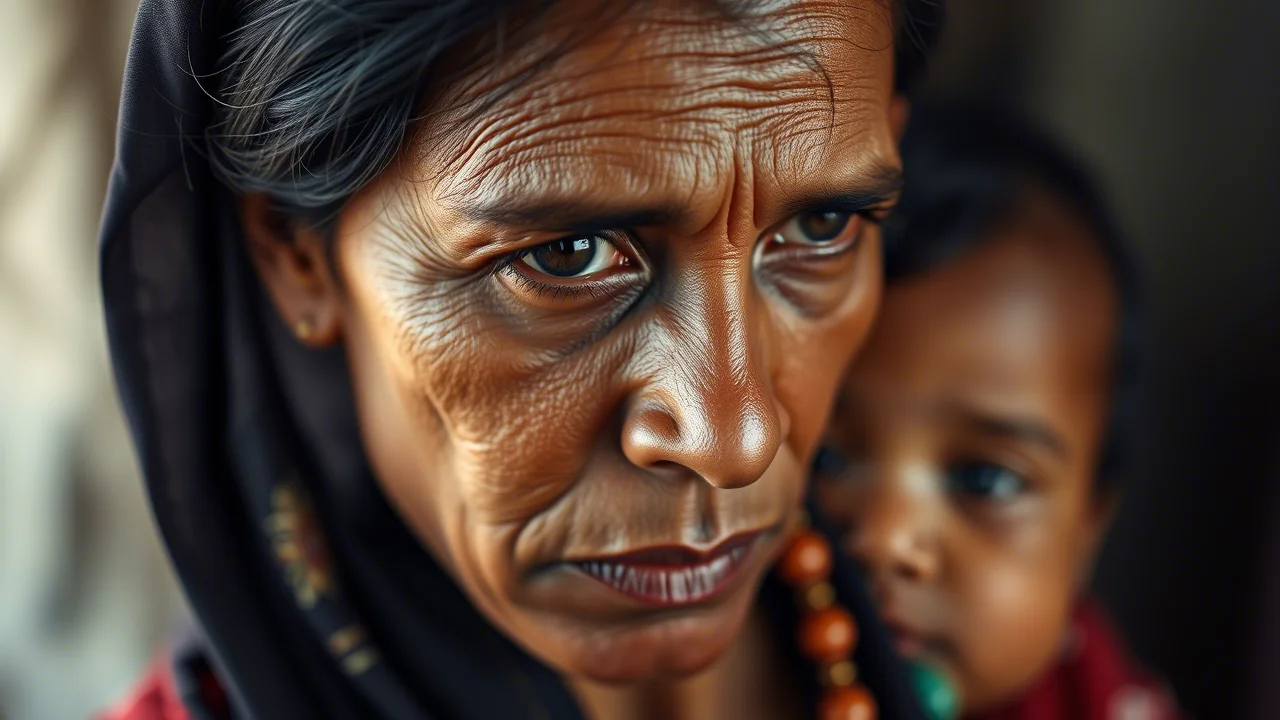
The study dug deeper to find out what was linked to these feelings. Turns out, several things played a big role:
- Education and Income: Mothers (and their husbands) with higher education levels and families with higher monthly incomes generally reported lower levels of depression, anxiety, and stress. Money and knowledge really do seem to ease some of the burden.
- The Disease Itself: Factors like how long the child had been suffering, how often they needed transfusions, and especially the monthly cost of treatment were strongly linked to worse mental health. Higher costs and more frequent transfusions meant more depression and anxiety.
- Family and Social Life: Sadly, having a death from thalassemia in the extended family was associated with higher DASS scores. The impact on their social life was also a big factor for anxiety. Worrying about the child’s future? Yep, that was significantly linked to stress. Interestingly, the study didn’t find a significant link between marital relationship quality and DASS scores, though the impact on broader social life was clear. Larger family sizes were also linked to higher stress.
Why It’s So Tough
Think about it. You’re constantly managing appointments, transfusions, medications, and the ever-present worry about complications. Then there’s the financial strain – treatment costs can be huge, often eating up a large chunk of a family’s income, especially for those already struggling. The study found that for many, the monthly cost was between US$58–116, but for some, it was over US$349 – a massive amount for low-income families.
This constant cycle, combined with the financial pressure, limited social life (because you’re often at the hospital or dealing with care), and the deep concern for your child’s future (education, marriage prospects, just *survival*), creates a perfect storm for mental health challenges. It’s not just about being a little sad or worried; for many, it’s moderate to extremely severe depression, anxiety, and stress.

The findings here echo studies from other countries like India, Iran, and Pakistan. Caring for a child with a chronic illness takes a toll on parents, and mothers, often the primary caregivers, bear a significant part of that load. The cultural context in places like Bangladesh and Pakistan means mothers might face challenges in social interactions due to the child’s condition, even if their spousal relationships remain strong.
What also struck me was that a good number of these mothers were educated, some even with university degrees, yet many felt their long-term professional goals were hampered. That’s another layer of personal sacrifice and potential frustration on top of everything else.
The study also highlighted something heartbreaking: among the original group from the first study, six children died between the two study phases. While this follow-up study didn’t include mothers who had lost a child (which would likely show even higher distress), the finding that death due to thalassemia in the *extended* family was linked to higher DASS scores gives us a hint of the trauma and fear that permeates these families’ lives.
Looking Ahead: What Can Be Done?
This research is a crucial first step in Bangladesh to really shine a light on the mental health struggles of these amazing mothers. It tells us that we can’t just focus on the medical treatment for the child; we need a holistic approach that supports the whole family, especially the caregiver.
What does that mean in practice? It means:
- Psychological Support: Easily accessible counselling and therapy for mothers.
- Social Support: Creating support groups where mothers can connect, share experiences, and feel less alone. Educating other family members can also help build a stronger support system at home.
- Economic Support: Finding ways to alleviate the huge financial burden of treatment, perhaps through subsidies, insurance, or aid programs.
- Awareness: Raising public awareness about thalassemia and the challenges families face can reduce stigma and increase community support.
- Empowerment: Helping mothers with self-care strategies and connecting them with resources.

It’s clear that the chronic nature of thalassemia, the constant medical needs, and the associated financial and social pressures are taking a heavy toll on the mental well-being of mothers in Bangladesh. Recognizing this, understanding the factors involved, and implementing comprehensive support systems are absolutely vital steps toward improving the lives of these incredibly resilient women and, by extension, their children.
Source: Springer