Unlocking the Secrets of Super Rice: Genes for Stable Meiosis and High Yield
Hey there, plant enthusiasts and curious minds! I was just diving into some fascinating research, and I stumbled upon something truly exciting about rice – not just any rice, but the potential for *super* rice! You know, the kind that could help feed our growing world. For ages, scientists have been looking at polyploid rice, which basically means rice with more sets of chromosomes than your average grain. This stuff has some amazing potential – think thicker stems, bigger grains, better nutrition, and resistance to stress. Sounds great, right?
But there was a big hurdle, a real showstopper: polyploid rice often had a super low seed setting rate. Imagine putting all that potential in, only for the plant to produce hardly any seeds! It was like having a high-performance engine but no fuel line. This problem seriously stalled polyploid rice breeding programs for decades.
The Breakthrough: PMeS Lines Arrive
Thankfully, clever folks didn’t give up. They noticed that natural polyploid plants often manage their chromosomes much better during a critical process called meiosis (that’s how plants make pollen and egg cells). This led to a brilliant idea: maybe the low seed setting rate in artificial polyploid rice was because their chromosomes weren’t pairing up correctly during meiosis, leading to unbalanced reproductive cells.
So, they embarked on a mission to breed rice lines with *stable* meiosis. And guess what? After years of dedicated work, they succeeded! They developed what they call Polyploid Meiosis Stability (PMeS) lines. These lines are rockstars – they have stable meiosis *and* high seed setting rates, often over 80%! This was the breakthrough everyone was waiting for. It essentially solved that pesky bottleneck problem and opened the door for developing thousands of new, high-potential polyploid rice lines.
Putting Two Lines to the Test
To really understand *how* these PMeS lines achieve this magic, researchers decided to do a deep dive. They took one PMeS line, called HN2026-4x, and compared it side-by-side with a non-PMeS line, 9311-4x, which is known for its low seed setting rate. They looked at everything from how the plants grew to what was happening inside their cells during meiosis, and even peeked at their genes.
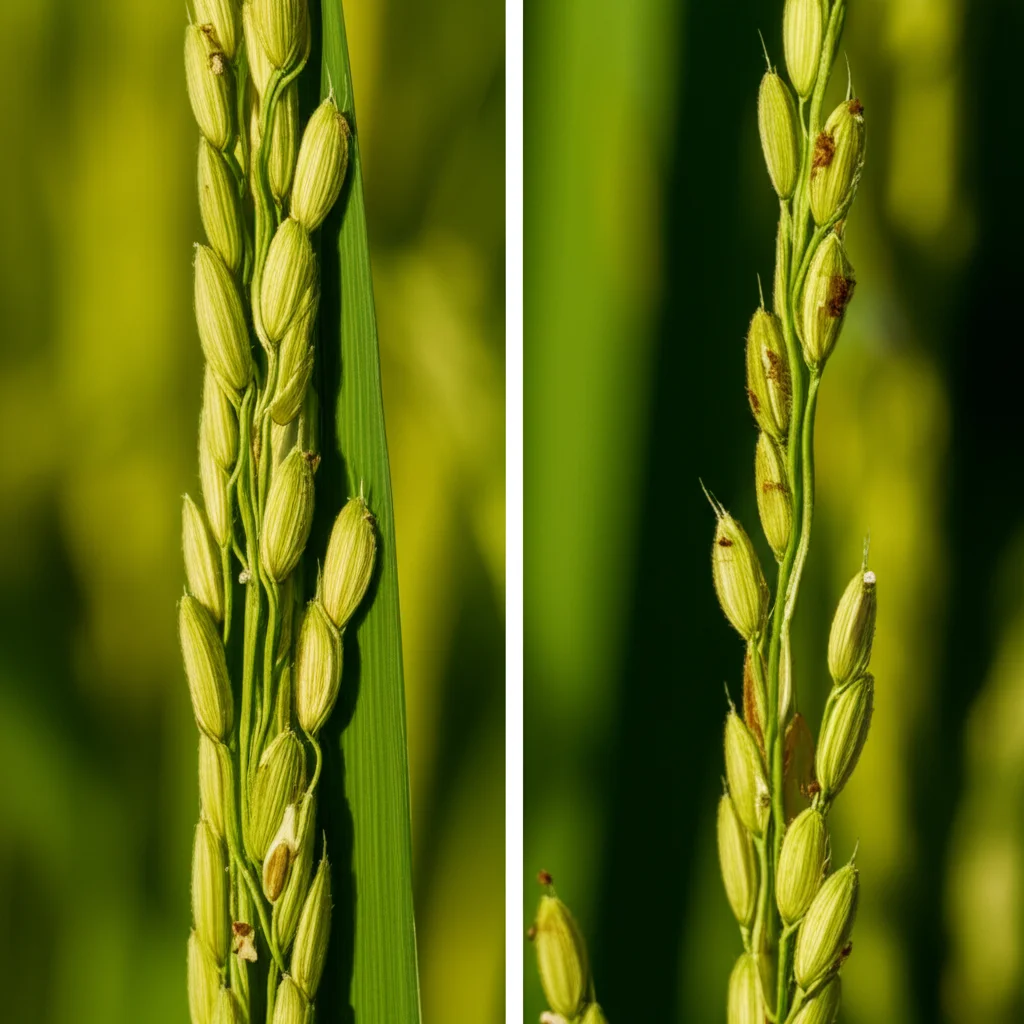
What they found was pretty clear. The PMeS line, HN2026-4x, was generally better in terms of plant height, how many panicles (those are the clusters of grains) it produced, and the total number of grains per panicle. The only things that were slightly lower were grain length and weight, but that high seed setting rate more than made up for it. We’re talking 83.73% seed setting for the PMeS line versus a measly 32.15% for the non-PMeS line. That’s a massive difference!
The Meiosis Story: Stable vs. Messy
Now, let’s talk about the real core of the problem: meiosis. This is where chromosomes pair up and then get sorted into the pollen and egg cells. In a normal diploid plant, homologous chromosomes pair up neatly as bivalents. In polyploids, with extra sets of chromosomes, things can get complicated. If chromosomes don’t pair correctly, you get unbalanced cells, and that leads to sterility and low seed setting.
When the researchers looked at the meiotic process in the two rice lines, the difference was striking. In the PMeS line (HN2026-4x), the chromosomes behaved themselves! They mostly paired up nicely as bivalents. There were very few univalents (single, unpaired chromosomes) or multivalents (groups of three or more chromosomes tangled together). And during the separation phase (anaphase I), you saw hardly any ‘lagging chromosomes’ – those stragglers that don’t make it to either side properly.
But in the non-PMeS line (9311-4x)? It was a bit of a mess! Chromosome pairing was disorganized. They saw lots of univalents and multivalents in the early stages. And later, there were significantly more lagging chromosomes. This unstable, messy meiosis in the non-PMeS line directly correlates with its low seed setting rate. It makes perfect sense – if the chromosomes aren’t sorted correctly, the resulting pollen and egg cells aren’t viable, and you don’t get seeds.
Pollen Power
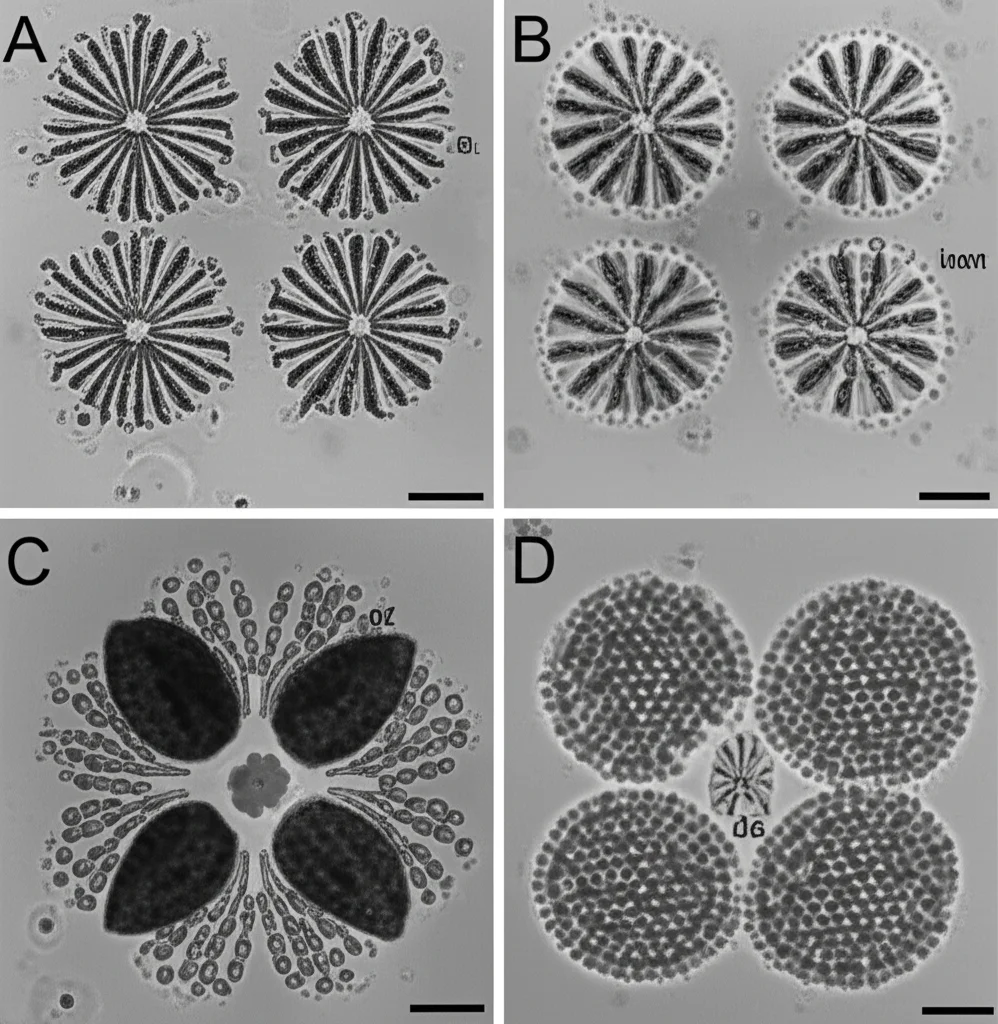
The state of meiosis directly impacts the quality of pollen. The researchers checked the pollen from both lines for fertility (whether it could stain properly, indicating starch reserves) and viability (whether it was alive and functional). Unsurprisingly, the PMeS line had significantly higher ratios of both fertile and viable pollen compared to the non-PMeS line. This is another piece of the puzzle showing that stable meiosis is absolutely key to getting those high seed setting rates.
Going Deeper: The Gene Hunt
With the clear differences in plant traits, meiosis, and pollen quality, the next logical step was to look at the genes. What was different at the molecular level? The researchers performed a comparative transcriptome analysis using advanced RNA sequencing. This technique lets you see which genes are active, or ‘expressed’, and at what level, in different samples.
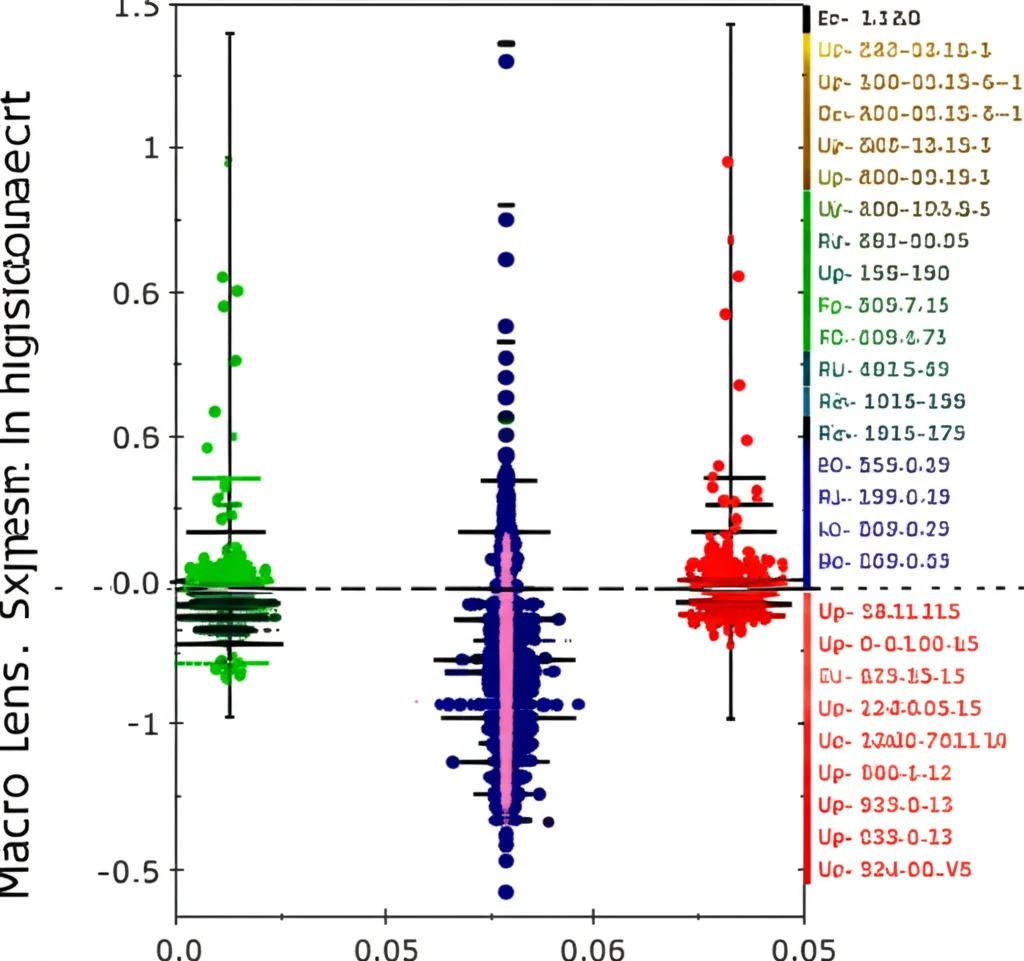
They sequenced the RNA from the meiotic stage of both rice lines and found a whole bunch of genes that were expressed differently between the PMeS and non-PMeS lines. They identified over 1,400 differentially expressed genes (DEGs)! Some were more active in the stable line, others less so.
Pinpointing the Suspects
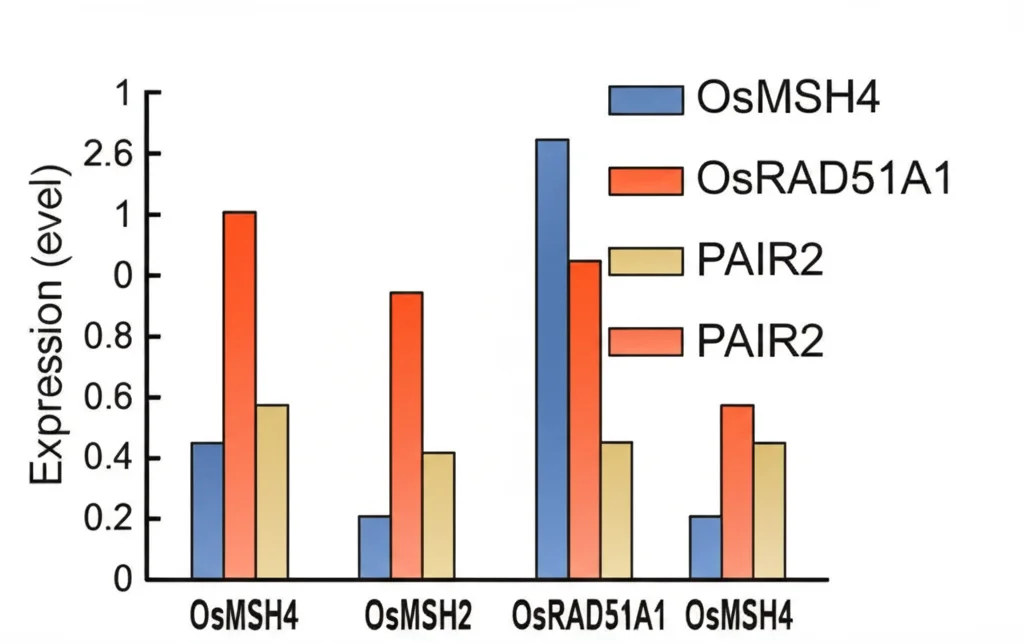
Out of all those DEGs, the researchers zeroed in on the ones known to be involved in meiosis. Based on their analysis of gene function and how much their expression levels differed, they identified three key genes as prime candidates responsible for the meiotic stability and high seed setting rate in the PMeS line:
- OsMSH4 (Os07g0486000)
- OsRAD51A1 (Os11g0615800)
- PAIR2 (Os09g0506800)
Now, these aren’t random genes. We know from studies in other plants (and even animals!) that these genes play crucial roles in meiosis. MSH4, for instance, is super important for forming crossovers between chromosomes, which helps them pair and segregate properly. RAD51A1 is involved in DNA repair and homologous recombination, another vital process for accurate chromosome pairing. And PAIR2 is known to be involved in the formation of the synaptonemal complex, a structure that holds homologous chromosomes together during pairing.
Interestingly, the OsMSH4 gene showed the most significant difference in expression between the stable PMeS line and the unstable non-PMeS line. This strongly suggests it might be a major player in regulating that crucial meiotic stability.
Why This Matters for Our Future
Rice feeds billions of people, and with the global population growing, we need to produce a lot more of it. Finding ways to significantly boost rice yield is absolutely critical for food security. Polyploid rice offers a fantastic opportunity to do just that, but only if we can overcome the low seed setting problem.
This study is a huge step forward. By identifying these key genes – particularly OsMSH4 – that seem to be responsible for stable meiosis and high seed setting in the PMeS lines, we now have specific targets for future breeding efforts. We can use this knowledge to develop even better polyploid rice varieties, potentially leading to higher yields and more resilient crops.
It’s like finding the blueprint for the ‘stable meiosis’ feature in rice. Now that we have these candidate genes, the next step is to do more functional studies – essentially, play with these genes to see exactly how they work and how we can best use them in breeding programs. It’s exciting stuff, and it brings us closer to harnessing the full potential of polyploid rice for a more food-secure future!
Source: Springer