

Got a Sweet Tooth? It Might Be Bossing Your Diet Around More Than You Think!
Hey there, fellow food explorers! Ever found yourself wondering why you just *have* to have that sugary treat, especially when snack time rolls around? We all know that what tastes good often wins the battle for our attention, and let’s be honest, sweet is a big winner for many of us. It got us thinking: if someone really, *really* loves sweet tastes, do they end up picking snacks loaded with more sugar and calories? And could this sweet preference actually nudge their whole diet quality down a notch?
It sounds like a pretty straightforward idea, right? But here’s the kicker: our individual eating habits – you know, those quirky ways we approach food – might throw a wrench in the works. So, we decided to dive in and take a closer look with a pilot study. We wanted to see how much our love for sweetness (what we call sweet taste preference) and our eating behaviors (like eating when we’re stressed or trying to watch what we eat) actually influence our diet quality and how much added sugar we’re gulping down.
So, How Do You Even Measure a “Sweet Tooth”?
First off, we needed a way to figure out just how much people dig sweet tastes. We didn’t just want to ask, “Do you like sweet things?” because, well, that’s a bit vague. Instead, we used a cool method called a “forced-choice paired-comparison.” Fancy, right? It basically means we had folks taste different sugar solutions and pick which one they liked better. This helps us get a more objective measure. We also used the trusty Three-Factor Eating Questionnaire (TFEQ-R18) to get a handle on three key eating behaviors:
- Uncontrolled eating: That feeling of losing control and overeating.
- Emotional eating: Reaching for food when feelings run high.
- Cognitive restraint: Consciously trying to limit food intake to manage weight.
We gathered 65 adults, around 23 years old on average, and based on their preferred sugar (sucrose, to be exact) concentration, we sorted them into three groups: “sweet dislikers” (they don’t go wild for intense sweetness), “moderate sweet likers” (they’re somewhere in the middle), and “extreme sweet likers” (yep, these are the folks who really enjoy a strong sweet hit).
Snack Choices, Sugar Intake, and the Big Picture of Diet Quality
We were super curious about snack choices. When given a range of snacks, what would people pick? Interestingly, most of our participants went for a low-calorie, high-sweetness snack. Think fruit cups! And guess what? Neither their sweet preference group nor their eating behavior traits seemed to predict this snack choice. That was a bit of a surprise!
But here’s where it got really interesting. When we looked at added sugars intake, we found that our “sweet dislikers” and “moderate sweet likers” actually consumed less added sugar compared to the “extreme sweet likers.” Not only that, but their overall diet quality, which we measured using a validated survey called the short Healthy Eating Index (sHEI), was better too! It seems that preferring a higher level of sweetness was directly linked to taking in more added sugars and having a poorer quality diet. Specifically, a higher sweet preference upped the odds of someone consuming medium and even high amounts of added sugars. We crunched the numbers, and adding other factors like age or income didn’t really change this picture much.

What really stood out was that sweet preference seemed to be the main player influencing both added sugars intake and overall diet quality, more so than the eating behaviors we measured. It’s like our taste buds for sweetness might be calling more of the shots than we realize!
Why Does This Matter? The Sweet Science of Eating
Humans are pretty much wired to enjoy sweet tastes – it’s an innate pleasure that can be a powerful magnet for foods high in added sugars. But, as we all know, how much sweetness someone enjoys can vary wildly from person to person. Using these psychophysical taste tests, rather than just asking people, gives us a more solid way to understand these individual differences.
The theory that a stronger preference for sweetness leads to choosing foods higher in added sugars makes sense, but past studies have been a bit all over the place. Some found a link, others didn’t. That’s why we thought it was crucial to also look at those eating behavior traits – things like emotional eating or trying to restrict food intake. These traits develop from childhood and can be pretty stable in adulthood, often needing a real effort to change if they become problematic.
We know from other research that emotional eating can lead to munching on more high-energy-density foods, while cognitive restraint (being mindful of intake) can be linked to a better overall diet. There’s even evidence that these eating behaviors can interact with taste preference. For example, folks with higher uncontrolled and emotional eating might be more likely to enjoy sweet foods. So, it’s a complex web!
Snacking: A Window into Our Preferences
We focused a bit on snacking because, let’s face it, snacks are a big part of our daily munching. In the U.S., adults get about 22% of their total energy from snacks! So, whether those snacks are healthy or not-so-healthy can really make a difference to our overall diet. Often, we have fewer “rules” for snacks compared to main meals, meaning personal preference can really shine through. It seemed like the perfect place to see if a sweet tooth would lead to grabbing those sugary, high-calorie options.
While our study showed sweet preference was linked to higher overall added sugar intake and lower diet quality, the direct link to *snack choice* in our specific test wasn’t clear. Most people picked the fruit cups! This was intriguing. It suggests that even if you love sweet things, other factors might come into play when you’re faced with an immediate choice, especially in a study setting.
Digging Deeper: Our Study Setup
We recruited folks aged 18 to 55 from Brooklyn, New York. We had a few exclusion criteria – for instance, we didn’t include people over 55 to reduce the risk of chronic diseases affecting eating habits, or anyone with taste/smell issues, or recent arrivals to the U.S. (as food environments can shift preferences).
Participants came in for one session. We measured height and weight, and then came the fun part: the Monell Forced-Choice Paired-Comparison Preference Test. This is considered a gold standard. They tasted pairs of sucrose solutions with varying sweetness levels (from barely there to super sweet) and picked their favorite. This helped us find their “most preferred concentration of sweetness.” They also rated the intensity of a specific sweet solution. Then, they filled out surveys on their food intake (the sHEI) and eating behaviors (TFEQ-R18). Finally, as they were leaving, we casually told them to pick one of 12 snacks to take with them – we wanted to see their go-to choice without them overthinking it!
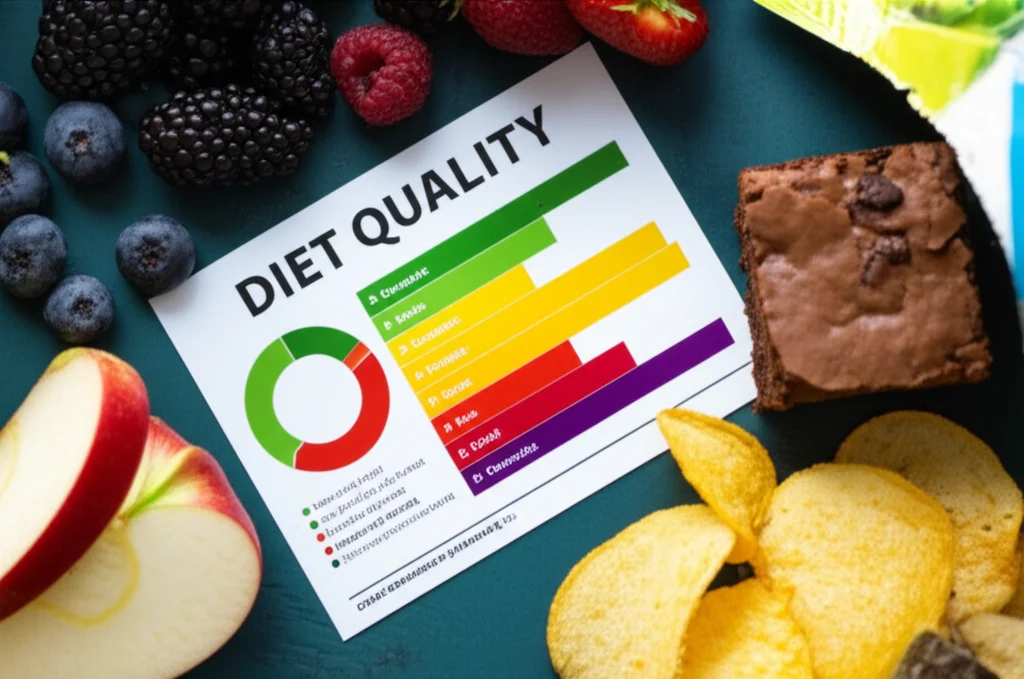
The snacks we offered represented a mix: sweet and non-sweet, high and low energy density. We had things like fruit cups, brownies, carrots, and chips. We wanted to see if their sweet preference, measured by the taste tests, would line up with their snack pick.
The Nitty-Gritty of Our Findings
Out of 66 participants, 65 completed the study. They were a diverse bunch! Interestingly, about 94% of them were actually exceeding the recommended daily intake of added sugars, and the average diet quality score was moderate. We found that older participants tended to have a higher BMI, and BMI was positively linked with uncontrolled and emotional eating. However, age itself wasn’t tied to eating behaviors or sweet preference in our group.
A key finding was that participants’ sweet preference positively correlated with uncontrolled eating behavior. So, those who liked sweeter things also tended to report more uncontrolled eating. When we looked at the groups, extreme sweet likers had higher uncontrolled eating scores than sweet dislikers.
As mentioned, when it came to snack choice, fruit cups were the star (41.5% picked them!), followed by brownies (13.8%). Nobody wanted the green bell peppers or carrots, poor things! But again, this choice wasn’t linked to their sweet preference group or their eating behavior scores.
The connection between sweet preference and added sugars was strong. The more someone preferred sweet tastes, the more added sugars they tended to consume. Extreme sweet likers ate significantly more added sugars than both sweet dislikers and moderate sweet likers. Our statistical models showed that a higher sweet preference really did increase the odds of consuming medium and high amounts of added sugars, and this model was pretty good even without adding in BMI or how intensely they perceived sweetness.
Diet quality, measured by the sHEI score, also showed a clear pattern. It was negatively correlated with how much sucrose they preferred – meaning, the more they liked it sweet, the lower their diet quality score tended to be. Extreme sweet likers had lower diet quality compared to both sweet dislikers and moderate sweet likers. When we broke down the sHEI score into its different components (like fruits, veggies, whole grains, refined grains, added sugars, etc.), the only part that really differed between our sweet preference groups was… you guessed it, added sugars! Sweet dislikers and moderate sweet likers scored better on the “added sugars” component (meaning they consumed less) than extreme sweet likers.

What Does This All Mean for Our Plates?
The Dietary Guidelines for Americans actually recommend incorporating personal preferences to build a healthy eating pattern. But our study really highlights that we need to dig deeper into how taste preference, especially for sweetness, might be steering our food choices and overall diet.
We found that people who preferred sweeter tastes were indeed more likely to consume more added sugars and had lower diet quality. But here’s a fascinating twist: the link between a high sweet preference and lower diet quality couldn’t *just* be chalked up to their higher intake of added sugars. When we looked at all the components of diet quality, only the added sugars part was different. This suggests that maybe a preference for sweet taste could be affecting intake of other foods too, in ways that lower overall diet quality. It’s a bit of a puzzle!
It’s like our innate pleasure from sweet tastes can be a double-edged sword. While it’s natural, it can also lead us towards less healthy patterns if we’re not mindful. Our findings line up with other studies that used food-frequency questionnaires, showing a pretty consistent link between sweet preference and intake of sweet stuff. Categorizing people by their sweet-liking status (disliker, moderate, extreme) seemed to help us spot these relationships more clearly.
The fact that eating behaviors didn’t show strong associations with dietary outcomes in our study was a bit different from some previous reports. Other studies have found links, like cognitive restraint being tied to lower sugar intake, or emotional/uncontrolled eating to higher intake of sweets. It’s possible these effects are different for men and women, or that our sample size wasn’t large enough to pick up on more subtle connections. For example, some research suggests women with high cognitive restraint eat more legumes and fruits and less sugar, while men with high cognitive restraint might eat more fruits, veggies, and protein but not necessarily avoid energy-dense foods. We didn’t separate our analyses by sex due to our sample size, but it’s definitely something for future studies to consider!
The positive link we found between sweet preference and uncontrolled eating behavior is also in line with other research. People who struggle more with losing control over eating often tend to like sweet tastes more. Why? It could be that their hunger-satiety signals are a bit more turbulent, or that being hungry makes sweet things taste even *more* amazing. Or, maybe a strong preference for sweetness could even be a predisposing factor for uncontrolled eating. It’s a chicken-or-egg situation that needs more investigation!
Limitations and Looking Ahead: The Journey Continues!
Now, we’ve got to be upfront: this was a pilot study. That means it’s a starting point, and there are definitely some limitations. Our sample size was modest, and our participants were mostly younger adults from one area, so we can’t say for sure these findings apply to everyone. Also, things like eating behavior and diet were self-reported, and people can sometimes misremember or not report things perfectly (we all do it!).
While the sHEI is great for looking at overall diet quality over time, it doesn’t give us total calorie intake. We also didn’t collect data on physical activity, which can influence eating. And while we used a gold-standard method for sweet preference, it doesn’t tell us about “wanting” or “craving” sweetness, or how hunger levels might change preference during the day.

Despite these points, our study is, to our knowledge, the first to use the sHEI to look at how sweet preference and eating behavior affect diet quality. And offering real snacks was an attempt to make the choice more true-to-life, even if the results were a bit unexpected!
So, what’s next? We think future studies should definitely try to replicate these findings in larger, more diverse groups of people. It would also be super interesting to look at preferences for other sensory qualities, like how much people enjoy fatty or savory tastes. Some research suggests that liking highly palatable foods in general (sweet, fatty, savory) is linked to things like higher BMI. And a strong preference for *both* sweet and fat tastes together has been flagged as potentially problematic for health. Understanding how these different taste preferences combine and influence diet quality could give us a much richer picture.
Ultimately, our findings suggest that your sweet taste preference might be a more powerful driver of your added sugar intake and overall diet quality than your general eating behaviors, at least in a younger adult population. It’s a good reminder that our taste buds have a big say in what we eat! Perhaps one day, clinicians could even use simple taste tests to better understand their patients’ preferences and offer more tailored, effective nutritional advice. Food for thought, right?
Source: Springer