Unstripping the Mystery: Green Ways to Fix Fabric Colors Sustainably
Alright, let’s dive into something pretty cool that’s happening in the world of textiles. You know how sometimes you get a piece of fabric dyed the wrong color? Or maybe you’re trying to recycle old clothes? Well, fixing that color is a big deal, and it’s called “stripping.” But the traditional ways of doing it? Not exactly the best for our planet, or even the fabric itself.
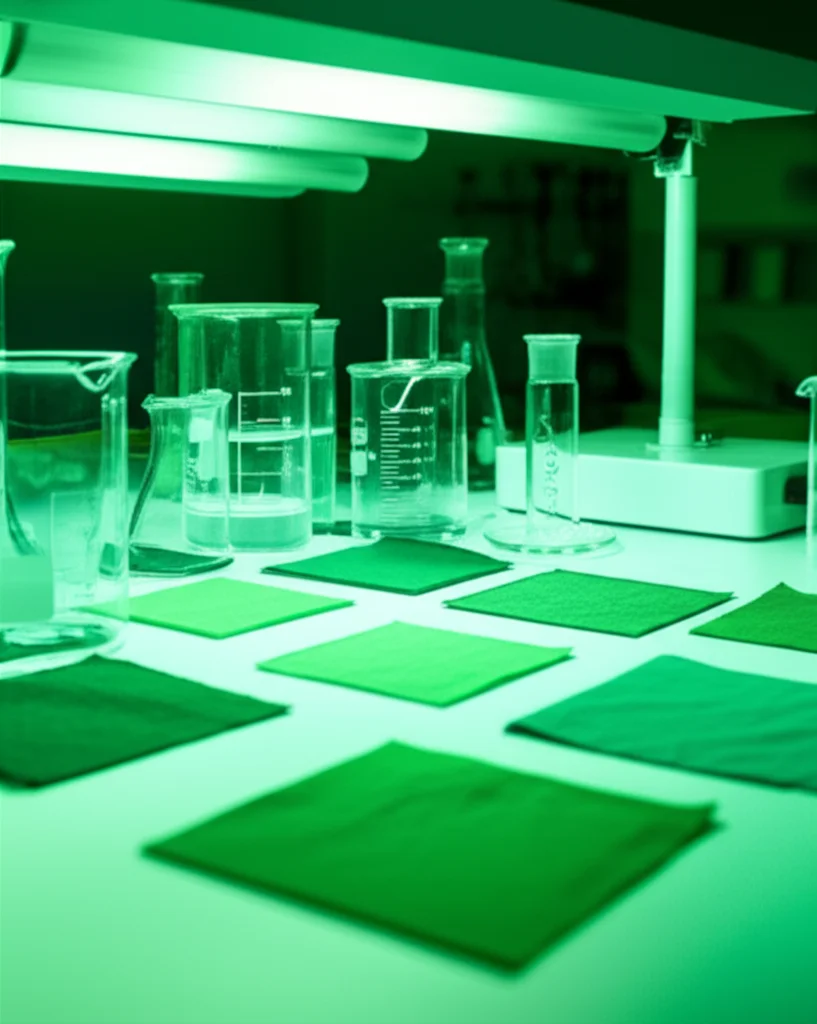
Think about textile dyeing in general. It uses tons of water, energy, and chemicals. And guess what? When things go wrong and you need to strip the color, you often add *more* chemicals and *more* processing. This study I’ve been looking at tackles this head-on, specifically for cotton fabric dyed with a tricky red dye called C.I. Reactive Red 195. The goal? Find ways to strip color using green chemicals and even UV light, making the whole process way more sustainable.
The Stripping Challenge: Why We Need a Better Way
So, why strip color in the first place? Well, ideally, everything would be “right first-time” in the dyehouse. But let’s be real, things happen! Differences between lab tests and big production batches, changes in raw materials, customer tweaks – they all mean sometimes the color isn’t quite right. When that happens, you can’t just throw the fabric away. You need to remove the dye, either completely or just lighten it, so you can try dyeing it again. It’s also super important for recycling textile waste and even getting that cool “vintage” look.
The problem is, traditional stripping methods are harsh. We’re talking strong chemicals like sodium hydrosulfite for reductive stripping (breaking down the dye molecule) and things like hydrogen peroxide or hypochlorites for oxidative stripping (basically bleaching). These chemicals, plus the high temperatures often used, aren’t just bad news for the environment – creating polluted wastewater and air emissions – but they can also seriously mess up the fabric. We’re talking reduced strength, changes in how it absorbs water, and just generally making it less durable for whatever comes next, like finishing processes or even just wearing it. Nobody wants a shirt that falls apart after a wash, right?
Going Green with Reductive Stripping
Traditionally, sodium hydrosulfite has been the go-to for reductive stripping. It’s cheap, sure, but it’s also got a bad smell, it’s toxic, and it adds a bunch of sulfites to the wastewater, which are tough to deal with. Some places even ban it!
This is where the green chemicals come in. This study looked at using a glucose-based agent called Reducing Agent Dp and even molasses (yep, the stuff from sugar production!) as alternatives. The idea is to use something less harmful, maybe even something from a renewable source.
What did we find? Well, the glucose-based Reducing Agent Dp was pretty impressive! It gave a stripping percentage really similar to the old, nasty sodium hydrosulfite. But here’s the kicker: it didn’t damage the fabric’s strength as much. That’s a huge win! Molasses, on the other hand, wasn’t great at stripping the color completely. It might be okay for just fading fabric, or maybe you could combine it with other agents, but it’s not a direct swap for full stripping.
Looking at the chemistry, the glucose-based agents work by breaking down in the alkaline conditions and high temperatures, creating smaller molecules that have reducing power. This helps break the bond between the dye and the cotton fiber, and also breaks down the dye itself. The study showed the redox potential (basically, how good something is at reducing) of the baths with Dp increased significantly at higher temperatures, lining up with the better stripping results. Molasses didn’t show the same level of reducing power, which explains why it wasn’t as effective.
Oxidative Power, Sustainably
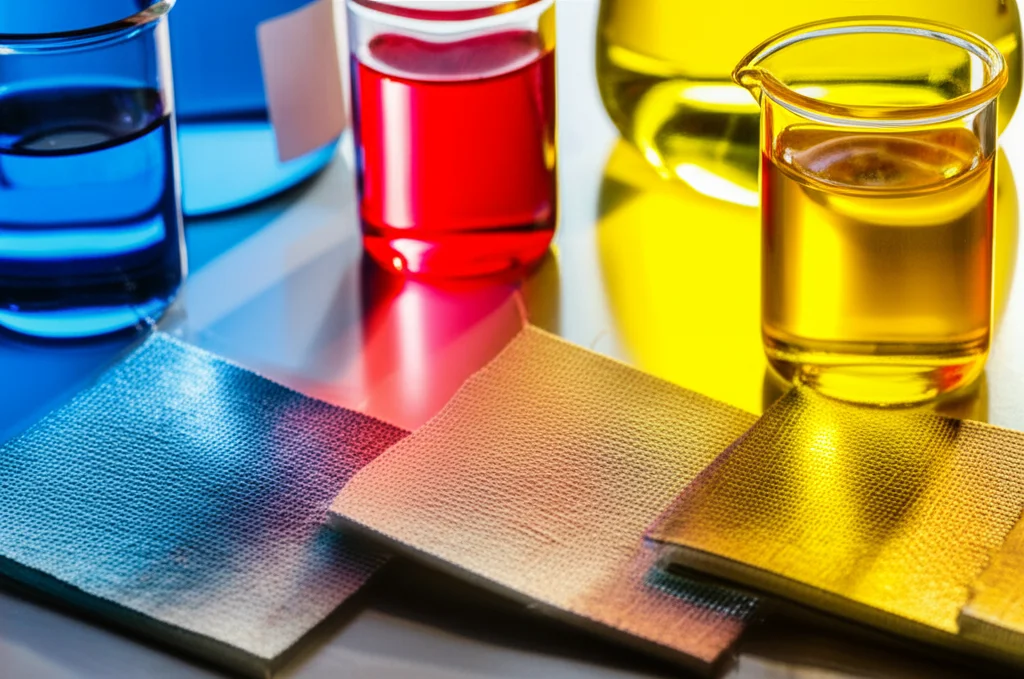
After reductive stripping, you often do an oxidative step to clean things up and get the fabric ready for redyeing. Traditionally, this uses hydrogen peroxide, sometimes with other chemicals. But again, high temperatures and certain auxiliaries can cause problems and add to wastewater issues.
Enter UV irradiation! This study explored using UV light as an Advanced Oxidation Process (AOP) alongside hydrogen peroxide. AOPs are cool because they generate really powerful oxidizing agents, like hydroxyl radicals, which are great at breaking down dye molecules. Cotton itself doesn’t absorb UV much, so you need an initiator like hydrogen peroxide. UV light helps hydrogen peroxide create these super-reactive radicals even at lower temperatures.
The results were interesting. Using UV irradiation *did* increase the stripping ratio compared to traditional hydrogen peroxide methods done at lower temperatures or even the conventional exhaustion method at 95°C. This means UV can be just as effective, or even better, at removing the dye, potentially saving energy by working at lower temps. The study found that even just 2 hours under UV was pretty effective, and going longer didn’t necessarily improve stripping but *did* hurt the fabric more. They also confirmed that pH 11 is still the sweet spot for hydrogen peroxide to work effectively in this process, just like in traditional methods.
They also compared different application methods for the oxidative step: the traditional exhaustion method (like dyeing), pad-batch (where you soak the fabric and let it sit), and the UV method. The pad-batch method actually caused the *least* damage to the fabric’s strength. The UV method, while good for stripping, did cause a decrease in strength, especially if the exposure time was extended.
Beyond Color: Fabric Properties Matter
Stripping isn’t just about getting the color off; it’s also about making sure the fabric is still usable. Two key properties are capillarity (how well it absorbs water) and bursting strength (how strong it is).
We saw that most of the stripping processes actually *increased* the fabric’s absorbency compared to the original dyed fabric. This makes sense because some of the dye molecules that were bonded to the cotton’s water-loving groups are removed. However, the fabric treated with molasses showed *lower* absorbency. This is likely because molasses is a complex mix of stuff, and even after washing, some of those compounds might stick around and block the cotton’s ability to soak up water. The UV-treated fabric, interestingly, showed particularly high absorbency.
Now, strength. This is where things get tricky. Stripping, especially with harsh chemicals and high heat, *will* reduce fabric strength. Cotton fibers can be damaged by concentrated alkali, and the stripping agents can break down the cellulose chains that make up the fiber. Oxidative stripping, done *after* reductive stripping, tends to cause even more strength loss.
Comparing the methods, the pad-batch oxidative method was the kindest to the fabric’s strength. The traditional exhaustion method at high heat caused more reduction. And the UV irradiation method, while effective for stripping, caused a significant drop in strength, especially with longer exposure times. This is because UV light, particularly UVC, has enough energy to break chemical bonds in the cellulose chains, leading to degradation. So, while UV is great for breaking down dye, you have to be careful about the exposure time to minimize fabric damage.
What’s Happening Inside? (FTIR)
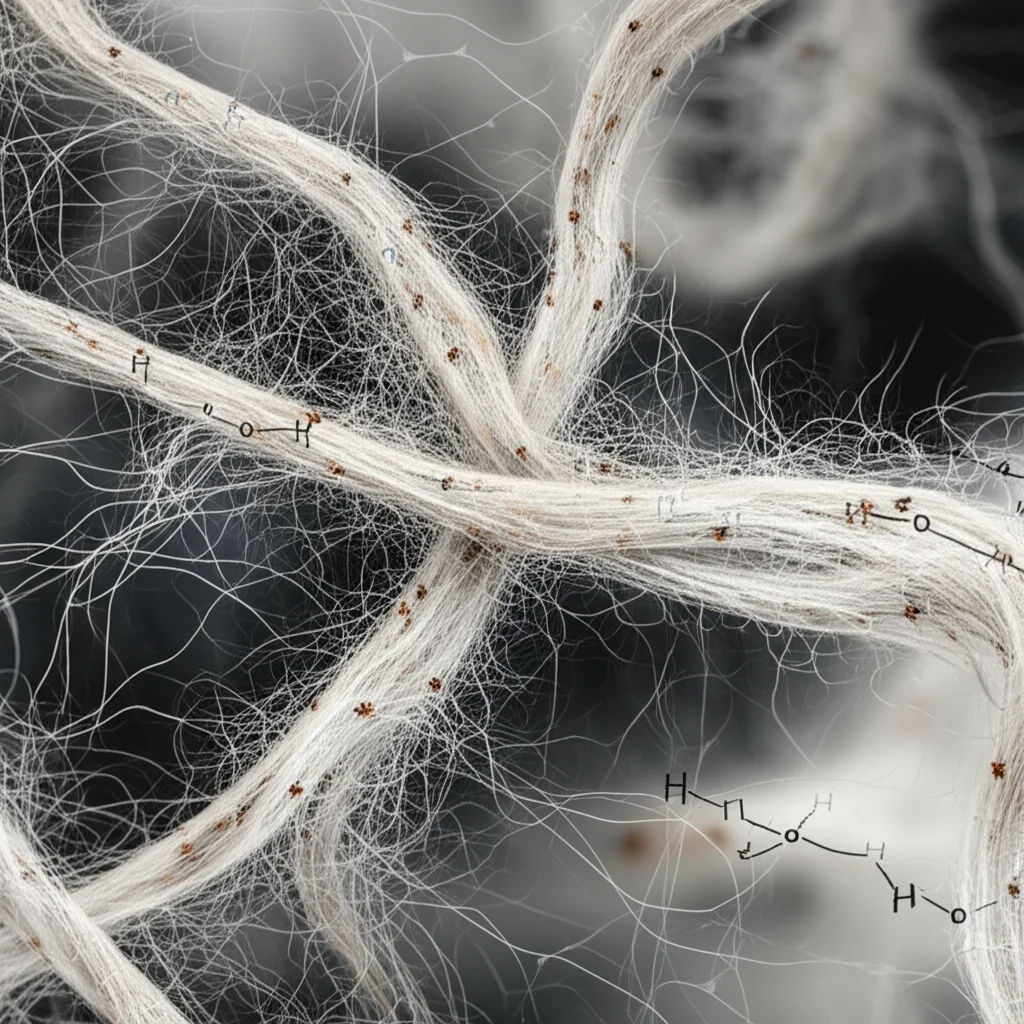
To really understand what’s going on, the researchers used a technique called FTIR spectroscopy. This lets you look at the chemical bonds in the fabric and see how they change after stripping.
They looked at the original dyed fabric and the stripped samples. They could see peaks corresponding to the dye molecules bonded to the cotton. After stripping, these peaks changed or disappeared, showing that the dye was being removed.
But they also saw changes in the peaks related to the cotton cellulose itself. Specifically, they saw modifications in the peaks associated with hydrogen bonds within the cellulose structure. This suggests that the stripping process, especially the alkaline conditions, weakens these bonds, which contributes to the decrease in mechanical strength. They also saw changes related to the C-H bonds and the ether bond connecting the dye to the cellulose. Interestingly, the fabric stripped with sodium hydrosulfite showed a bigger decrease in a peak related to the dye’s vinyl sulfone group compared to the green alternatives, suggesting it might be harsher on that specific part of the dye-fiber bond.
The FTIR analysis confirmed that stripping isn’t just about removing the dye molecule; it also affects the underlying structure of the cotton fiber. This explains why properties like strength and absorbency change.
The Payoff: Advantages of the Green Approach
So, why bother with these new methods? The advantages are pretty clear:
- Environmental: Using glucose-based Reducing Agent Dp instead of sodium hydrosulfite drastically cuts down on toxic sulfite pollution in wastewater. Sodium hydrosulfite is nasty stuff – bad smell, toxic, corrosive. Swapping it out makes for cleaner water and safer air in the dyehouse. For oxidative stripping, using UV irradiation in a closed system, especially at lower temperatures, reduces effluent and saves energy compared to high-temperature exhaustion methods.
- Economical: While the immediate chemical cost of Reducing Agent Dp might seem higher than cheap sodium hydrosulfite, you have to consider the bigger picture. Sodium hydrosulfite is being phased out or banned in many places, making its future uncertain. Plus, Dp is based on glucose, which comes from sugar – a relatively cheap and renewable resource. With further refinement, the cost could potentially come down. The UV process, while needing specialized equipment (which could be scaled up with more lamps for faster processing), saves energy by operating at room temperature.
- Public Health: Less pollution from dyehouses means better air and water quality for everyone. Avoiding toxic chemicals like sodium hydrosulfite in the workplace also creates a safer environment for the people working there.
Wrapping It Up
This study really highlights the potential for making textile color stripping a much more sustainable process. We’ve seen that green alternatives like glucose-based Reducing Agent Dp can perform just as well as harmful chemicals for reductive stripping, with less damage to the fabric. And using UV irradiation for oxidative stripping offers a lower-temperature, potentially more efficient way to remove dye, although we need to be mindful of exposure time to protect fabric strength.
It’s clear that these processes affect the fabric’s structure, impacting its properties, but by choosing the right green chemicals and carefully controlling parameters like UV exposure time and pH, we can minimize the negative effects while achieving effective color removal.
This is a big step towards cleaner, safer, and more sustainable textile production. The researchers are already looking into applying these methods to other colors and exploring their use in textile recycling and achieving cool fading effects. It’s exciting stuff that could really change how dyehouses operate for the better.
Source: Springer