Spain’s CO2 Puzzle: Growth, Tech, Trade, and the Green Energy Solution
Hey there! Let’s dive into something super important: figuring out what really drives CO2 emissions in a place like Spain. We all know climate change is a big deal, and understanding the nuts and bolts of *why* emissions go up or down is key to actually doing something about it. So, I recently got my hands on some pretty cool research that looks at Spain’s emissions from 1990 to 2023, using a rather clever method.
Why This Matters
Spain is a major player in the EU, and they’re serious about cutting down greenhouse gases. But here’s the rub: they also want their economy to grow, encourage new tech, and keep trading with the world. Balancing all that with environmental goals? It’s a tough act! That’s why figuring out which levers actually move the needle on CO2 is crucial for making smart policies. This study helps us see the complex dance between economic life and the environment.
Peeking Behind the Curtain: The Method
The researchers used something called the Fourier-augmented ARDL (FARDL) model. Now, don’t let the fancy name scare you! Think of it like a super-smart tool for looking at data over time. Most traditional methods are a bit rigid; they assume things move in straight lines or predictable steps. But real life, and emissions data, can be messy – with unexpected dips (like during a financial crisis) or gradual shifts (like adopting new policies).
The FARDL model is special because it can spot these structural breaks and cyclical ups and downs without needing to know exactly *when* they happened. It uses “Fourier terms” to smoothly capture these wiggles in the data. It’s like putting on special glasses that let you see the hidden patterns and dynamic shifts caused by things like policy changes, economic booms and busts, or new technologies popping up. This gives us a much more realistic picture of how emissions behave over time.
The Big Picture: Long-Run Effects
So, what did this deep dive into Spain’s data reveal about the long haul, from 1990 to 2023? The findings are quite telling:
- Economic Growth (GDP per capita): Turns out, a 1% bump in GDP leads to about a 0.35% rise in CO2 emissions in the long run. This isn’t surprising – more economic activity often means more energy use and production. However, the study notes this link might be getting weaker compared to older estimates, maybe because Spain is slowly shifting towards cleaner stuff. Still, growth without green policies puts pressure on emissions.
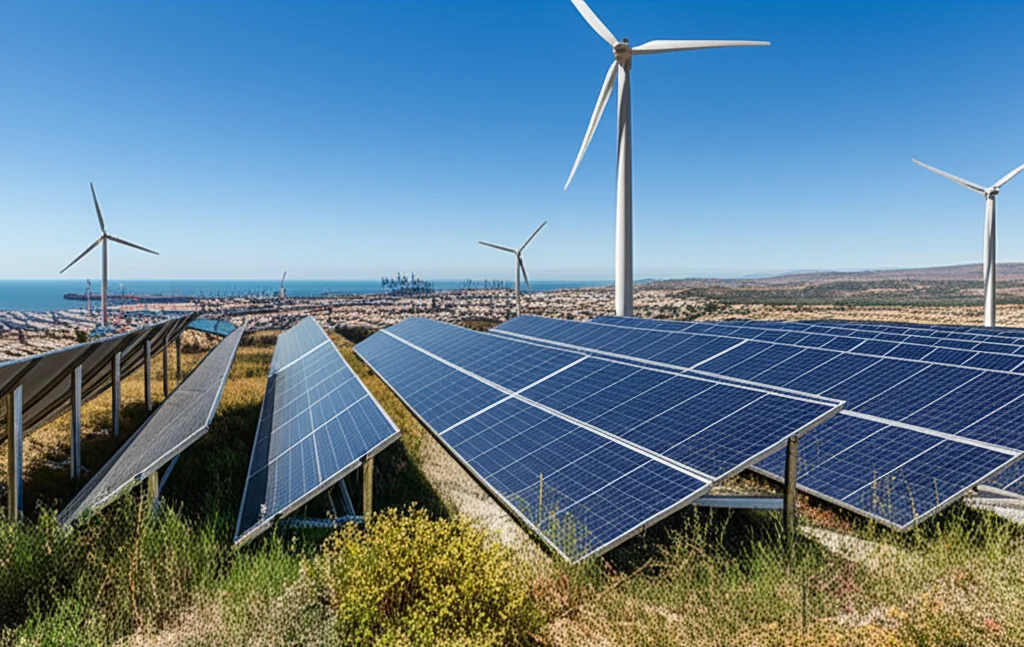
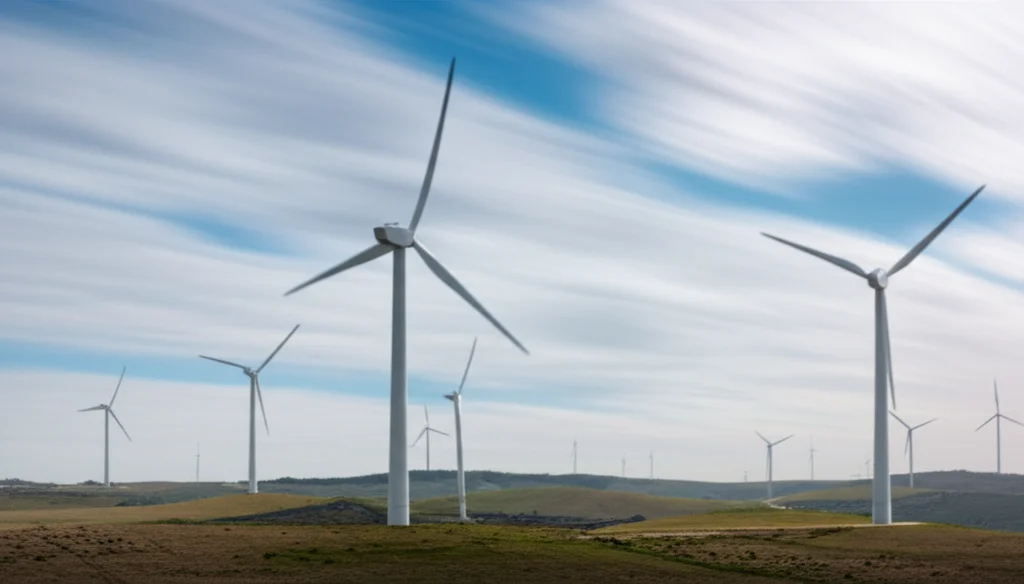
- Renewable Energy (RENC): This is where the good news comes in! A 1% increase in renewable energy consumption actually *reduces* CO2 emissions by a solid 0.56%. This is a bigger impact than the positive effect of GDP. It strongly suggests that Spain’s big push into wind, solar, and other clean energy sources is really paying off in the fight against carbon. Keep those turbines spinning and panels soaking up sun!
- Innovation (Patent Applications – PA): Here’s a bit of a puzzle. In the long run, a 1% rise in patent applications seems to *increase* emissions by 0.17%. This suggests that not all innovation is green innovation. New technologies, while boosting the economy, might still be tied to carbon-heavy industries like manufacturing or transport. It flags a crucial point: we need policies that specifically push for *environmentally friendly* tech.
- Trade Openness (TO): More international trade also appears to increase emissions in the long run, by about 0.26% for every 1% increase in openness. This could be due to more transport (ships, planes, trucks), or maybe even something called the “Pollution Haven Hypothesis,” where carbon-intensive production moves to places with weaker rules. It means trade needs to be managed sustainably.
The Immediate Impact: Short-Run Dynamics
The study also looked at what happens right away when these factors change. The short-run picture has some similarities but also some interesting differences:
- Renewable Energy (RENC): Just like the long run, more renewable energy immediately cuts emissions, by about 0.40% for a 1% increase. Fast action, fast results!
- Innovation (PA): This is fascinating! In the *short run*, a 1% rise in patent applications actually *reduces* emissions by 0.16%. This could mean initial innovations focus on efficiency gains or cleaner processes within existing industries. But remember, the long run showed an *increase*. This dual effect is a key finding – innovation’s environmental impact changes over time.
- Trade Openness (TO): In the short run, trade increases emissions by 0.27%, very similar to the long run. However, the model showed that the *lagged* effect of trade was negative, hinting that maybe things adjust or policies kick in over time to partially correct this initial spike.
The model also found a really strong “error correction term” of -0.836. Think of this like a powerful magnet pulling everything back into balance. It means if emissions get out of whack with the long-run relationships between these variables, they adjust back towards equilibrium very quickly – about 83.6% of the deviation is corrected within a year. That’s pretty rapid!
The model itself seems robust, explaining over 91% of the variation in emissions (that’s the R² value) and passing various checks for reliability.
Innovation and Trade: A Mixed Bag?
Let’s dig a little deeper into those tricky findings about innovation and trade. The fact that patent applications *reduce* emissions in the short term but *increase* them in the long term is a big takeaway. It tells us that technological progress isn’t automatically a silver bullet for the environment. Early on, new tech might make processes more efficient, using less energy per unit of output. But over time, that same innovation might drive industrial expansion, create demand for new carbon-intensive products, or simply not be focused on *replacing* fossil fuels. This really screams that policies need to be laser-focused on promoting *green* innovation – the kind that actively helps decarbonize the economy.
Trade openness adding to emissions, especially in the long run, is also a challenge. It highlights the environmental cost of global supply chains and increased production for export. Spain, being deeply integrated into the EU and global markets, faces this head-on. It suggests that just trading more isn’t enough; we need sustainable trade practices, maybe even things like carbon border adjustments, to ensure that environmental costs are factored in.
What Does This Mean for Spain?
These findings offer some clear directions for policymakers in Spain:
- Double Down on Renewables: The study strongly confirms that investing in renewable energy is the most effective way to cut emissions, both immediately and in the long run. Spain’s leadership here is paying off, and they should keep pushing.
- Target Green Innovation: Innovation is vital for the economy, but it needs a green compass. Policies should incentivize ReD in clean technologies, sustainable materials, and energy efficiency, ensuring that technological progress helps, not hinders, climate goals.
- Greening Trade: Spain needs to work on making its trade more sustainable. This could involve pushing for stricter environmental standards in trade agreements, improving the efficiency of transport, or exploring ways to reduce the carbon footprint of imported goods.
- Dynamic Policies: Since the FARDL model showed that emissions patterns have structural shifts and cycles, policies should be flexible and able to adapt to changing economic conditions and technological landscapes.
Wrapping It Up
So, what’s the big takeaway from this deep dive into Spain’s CO2 story? Well, I learned that while economic growth and trade still put upward pressure on emissions, Spain’s strong commitment to renewable energy is a powerful force pulling them down. Innovation is a bit of a double-edged sword – helpful in the short run, but potentially adding to emissions later unless it’s specifically green. The cool FARDL method helped us see these dynamics, including how quickly Spain’s system adjusts towards a long-term balance. It’s a complex picture, but one that clearly points towards the need for continued investment in clean energy, smart policies for green innovation, and efforts to make global trade more sustainable if Spain is to hit its carbon neutrality targets.
Source: Springer