
Tune In or Tune Out? How Traffic Noise and Nature Sounds Rewire Your Brain
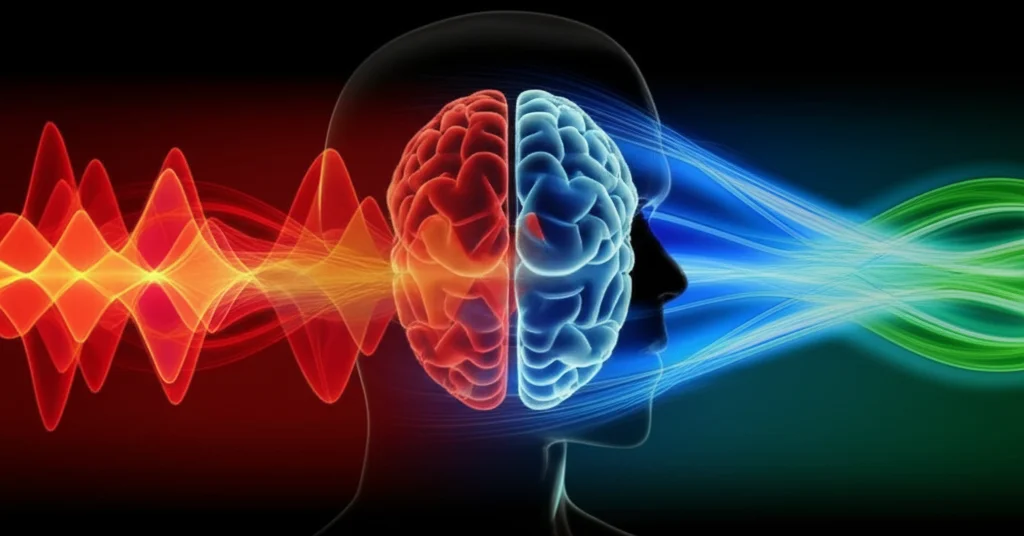
Hey there! Ever stopped to think about how the sounds around us are constantly playing DJ with our brains? I mean, we all know that a sudden car horn can make us jump, and the gentle lapping of waves can lull us into a state of bliss. But what’s really going on up there? I stumbled upon some super interesting research that digs into exactly this, looking at how traffic noise versus the calming sounds of spring water, at different loudness levels, mess with our brain’s dynamic activity. And let me tell you, the findings are pretty eye-opening!
The Daily Sound Showdown: City Cacophony vs. Nature’s Symphony
So, picture this: we’re spending more and more time indoors, especially with urbanization booming. And while we might fuss over the lighting or the temperature, how often do we really consider the sound of our spaces? Turns out, the acoustic environment is a huge deal, especially for our stress levels and concentration. This study I’m talking about decided to pit two very common sound characters against each other: the ever-present traffic noise (TN) and the soothing spring water sound (SWS).
Why these two? Well, traffic noise is like that uninvited guest at a party – loud, annoying, and generally bad for our mood and focus. It’s linked to stress, anxiety, and can really mess with our work performance. On the flip side, natural sounds like spring water are like a spa day for the ears. They’re known for their restorative effects, helping us chill out and recover from stress. The researchers wanted to see exactly how these “negative” and “positive” sounds duke it out in our brains.
Turning Up the Volume: Does Loudness Change the Game?
It’s not just about what sound you’re hearing, but also how loud it is. The study looked at five different sound pressure levels (SPLs), from a quiet 40 dBA (think a library) up to 60 dBA (more like a busy office or conversational speech). This range is pretty typical for our daily lives. The World Health Organization has guidelines, you know – suggesting nighttime noise shouldn’t top 45 dBA and daytime noise should stay below 55 dBA to avoid health risks. So, testing these levels makes a lot of sense to find those sweet (or sour) spots for our psychophysiological comfort.
The big question was: how do our minds and bodies react? To figure this out, they got 38 young college students, made sure their hearing was top-notch, and then exposed them to these different sounds (and a no-sound control) while monitoring their brains and hearts. Talk about a deep dive!
What Our Feelings (and Hearts) Say: The Subjective and ECG Scoop
First up, how did the participants feel? They rated their sound comfort (SCV) and sound pleasure (SPV). No surprises here: spring water sound was the clear winner. People felt way more comfortable and pleased listening to SWS compared to TN. Specifically, SWS at 50 dBA was like the goldilocks of sound – just right, getting the highest comfort and pleasure scores. As traffic noise got louder, folks liked it less and less, with 60 dBA TN being the most disliked.
But what about their bodies? The researchers looked at electrocardiography (ECG) signals, focusing on two things:
- LF/HF ratio: This tells us about the balance in our autonomic nervous system. A lower ratio means our parasympathetic system (the “rest and digest” one) is more active, which is good for stress reduction.
- SDNN: This is the standard deviation of normal-to-normal heart intervals. Higher SDNN suggests our “rest and digest” system is dominant, meaning we’re more relaxed.
Guess what? Spring water sound, especially around 40-50 dBA, lowered the LF/HF ratio and increased SDNN. This means it was genuinely helping people relax physiologically. Traffic noise, on the other hand, generally did the opposite, especially as it got louder than 50 dBA, cranking up the LF/HF and sometimes decreasing SDNN – basically, stressing the system out. Interestingly, at 50 dBA, SWS showed the biggest positive impact on these heart metrics compared to TN.

Peeking Inside the Brain: EEG Revelations
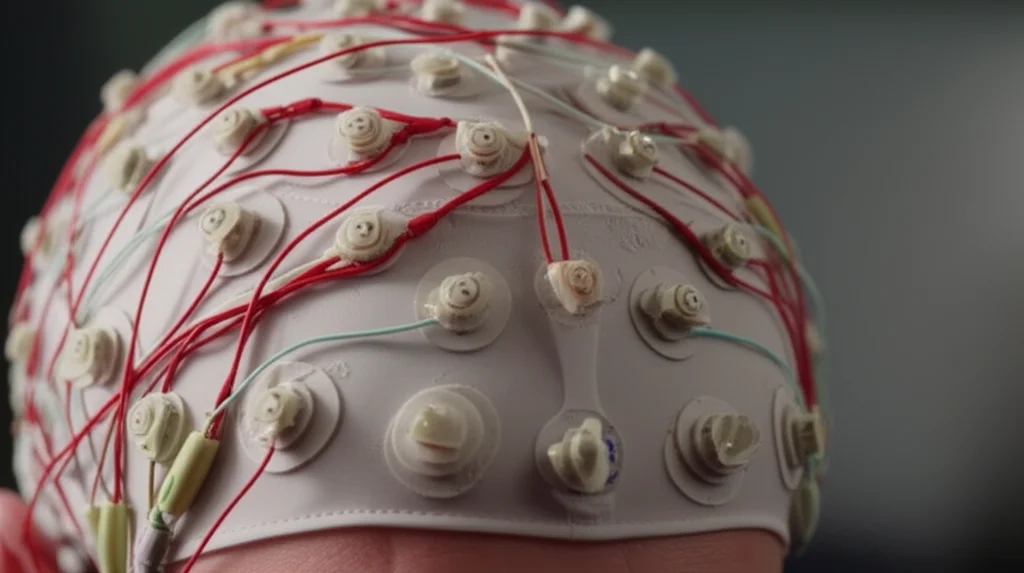
Now for the really juicy part – what was happening in the brain? Using electroencephalogram (EEG) caps, the study measured different brainwave frequencies. Here’s a quick rundown of what these waves are often linked to:
- Delta (δ): Deep sleep, drowsiness.
- Theta (θ): Meditation, REM sleep, relaxation.
- Alpha (α): Relaxed wakefulness, comfort. This one’s a biggie for feeling good!
- Beta (β): Active thinking, focus, some stress.
- Gamma (γ): Higher cognitive processing, but also sometimes negative emotions or heightened arousal.
The results were fascinating!
Traffic noise tended to boost delta and gamma activity (not always the best signs if you’re trying to relax or focus calmly) and suppress the feel-good theta, alpha, and beta waves, especially at higher volumes. The crucial alpha power, our relaxation indicator, generally decreased as TN got louder, particularly above 50 dBA. It’s like the brain was saying, “Nope, not relaxing to this!”
Spring water sound, however, was like a brainwave party planner for the good stuff! It enhanced theta, alpha, and beta activity. Alpha power, in particular, showed a lovely inverted U-shape with SWS: it increased up to 50 dBA (peak comfort, remember?) and then slightly tapered off at 55 and 60 dBA, but still stayed higher than with traffic noise. This suggests our brains find SWS, especially at that 50 dBA sweet spot, incredibly relaxing.
Brain Dynamics: Beyond Simple Waves – τe and Avalanches!
The study didn’t just stop at brainwave power. It looked at some more complex stuff, like the effective delay duration (τe) of alpha waves. Think of this as how regular and sustained your alpha rhythm is. A greater τe is linked to more comfort. And yes, SWS, particularly at 50 dBA, showed a higher τe than TN, meaning more regular, comfy alpha oscillations.
Then there’s something called brain avalanche dynamics. It sounds dramatic, right? It’s about how bursts of neuronal activity propagate. A key measure here is the Avalanche Critical Index (ACI). A lower ACI means your brain is closer to an optimal, “critical” state – more comfortable and efficient.
What did they find?
- Spring Water Sound: SWS exposure reduced the ACI, especially at 50 dBA. This means it nudged the brain towards a more comfortable, healthier state. Compared to no sound, SWS improved brain comfort by a good margin (4.78–17.29%).
- Traffic Noise: TN, on the other hand, increased the ACI, pushing the brain away from that comfy critical state, especially as it got louder. This suggests more disordered, less efficient brain activity.
At 50 dBA, the SWS showed the greatest improvement in brain comfort, being a whopping 1.74 times higher than that of TN at the same level! They also looked at parameters like k1 and k2 (related to avalanche size and duration). SWS at higher SPLs (50-60 dBA) showed less large-scale, long-duration avalanche activity compared to TN, which is a good thing for brain stability and stress recovery. In fact, for a good chunk of participants (52.63–63.16%), listening to 50–60 dBA SWS actually meant lower brain power consumption compared to no sound. Efficient and relaxing – win-win!
Sensitive Brain Spots and The Big Picture
It’s not just a whole-brain thing, either. The study pinpointed specific brain areas that were particularly sensitive to these sound shenanigans. The left frontal-parietal lobe (electrodes F3, FC1, C3, Cz) and the right occipital lobe (O2) showed the most significant responses. This is super useful because future research or even tech could focus on these hotspots.
And here’s something that ties it all together: the psychological feelings (comfort and pleasure votes) strongly correlated with the physiological measures (ECG and EEG). When people felt good, their hearts and brains showed signs of relaxation and comfort (lower LF/HF, higher SDNN, more alpha waves, lower ACI). It’s a beautiful confirmation that our subjective experience of sound is deeply rooted in our biology.
So, What Does This All Mean For Us?
This research is more than just cool science; it has real-world implications.
Firstly, it hammers home that high levels of traffic noise are genuinely bad for our psychophysiological comfort. It stresses us out, messes with our brain’s happy waves, and can push our brain activity into a less efficient state. While very low TN (40-45 dBA) wasn’t as detrimental and even slightly stimulated alpha waves (maybe a tiny bit of arousal helps with focus initially?), once it hits 50 dBA and above, the negative impacts ramp up.
Secondly, spring water sound is a bit of a hero, especially at moderate levels. That 50 dBA SWS seems to be a magic number for boosting psychological well-being, calming the nervous system, and promoting a relaxed, efficient brain state. It enhances those lovely alpha waves and keeps brain activity in a more comfortable zone. Even at higher SPLs like 55 or 60 dBA, SWS was still way better than TN, though its peak positive effect was at 50 dBA.
These findings are a big nod towards the importance of soundscape design. Imagine offices, schools, hospitals, or even our homes incorporating calming natural sounds like 50 dBA spring water to improve well-being and productivity. In noisy areas, water features could help mask unpleasant sounds. It even has potential for mental health therapy and stress management!

The study also paves the way for smarter building tech. By integrating physiological monitoring (like wearable ECG/EEG devices), we could create personalized sound environments that adapt to our needs in real-time. How cool would it be if your room knew you were stressed and subtly played some calming sounds?
A Few Caveats and Future Whispers
Of course, no study is the final word. The researchers themselves pointed out a few things to keep in mind:
- They only tested traffic noise and spring water. What about other sounds, like music, birdsong, or annoying office chatter?
- The SPL range was 40-60 dBA. Extreme environments need exploring too.
- Participants were sitting calmly. How do sounds affect us when we’re active?
- The sound exposure was 5 minutes. What are the long-term effects?
- Lab studies are great, but real-world environments can be different. More field research is needed.
But even with these points, this study gives us a fantastic, detailed look into how different sounds at different volumes can fine-tune our internal world. It’s a great step towards creating healthier, happier acoustic environments for everyone.
So, next time you’re choosing your background noise, remember: your brain is listening, and it definitely has its preferences! Maybe it’s time to swap out that city street ambiance for a babbling brook. Your brain (and heart) might just thank you for it.

Source: Springer