

Why Good Neighbors (and Connections!) Matter for Health in Fiji Crises
Hey there! Let’s chat about something that might sound a bit academic at first – “social capital” – but trust me, it’s super down-to-earth and incredibly important, especially when things get tough, like during a humanitarian crisis. We’re talking about places like Fiji and the beautiful Pacific Islands, which, as you know, face their fair share of natural disasters.
Now, imagine a crisis hits – maybe a big cyclone or flooding. Access to essential services, like sexual and reproductive health (SRH) care, can become a real challenge, particularly for women and girls who are often already facing vulnerabilities. This is where social capital comes in.
Think of social capital as the good stuff you get from your connections with other people – your friends, family, neighbors, community groups, even the local health workers you trust. It’s the information you share, the support you give and receive, and the collective ability of a community to get things done. Researchers have long known that these connections are vital for our overall health, but how do they play out specifically for SRH during a *crisis*? And more importantly, are the folks planning for these emergencies actually thinking about these connections?
That’s what this cool scoping review set out to explore. They dove into a bunch of planning and guidance documents used by organizations working on humanitarian preparedness and response in Fiji and the wider Pacific region. Their goal? To see if, and how, this idea of social capital is being woven into the plans for delivering crucial SRH services when disaster strikes.
Unpacking Social Capital in Crisis Planning
So, what did they find when they sifted through all those documents? Well, they identified eight different ways social capital popped up, and they neatly grouped them into two main buckets.
The first bucket is all about the *actions* that service providers – like NGOs, government agencies, and international groups – can take to tap into and build social capital. These included things like:
- Community Involvement: Getting local people, especially those from marginalized groups, involved in planning and response efforts. This seems pretty obvious, right? Who knows the community better than the community itself?
- Linking to Existing Services: Connecting with formal groups and services already operating in the community, like local health clinics, schools, or churches. Leveraging what’s already there makes total sense.
- Identifying Community Resources: Finding the informal good stuff already present – like influential individuals, existing networks (even informal ones among friends or specific groups), or people with particular skills (like traditional birth attendants).
These approaches are what you might call the more “structural” side of social capital – the visible ways people are organized and connected. The review found that these ideas *are* mentioned in the documents, which is great! But here’s the catch: often, the documents just say “do this” without giving much detail on *how* to actually do it effectively on the ground. It’s like saying “bake a cake” without giving you the recipe!
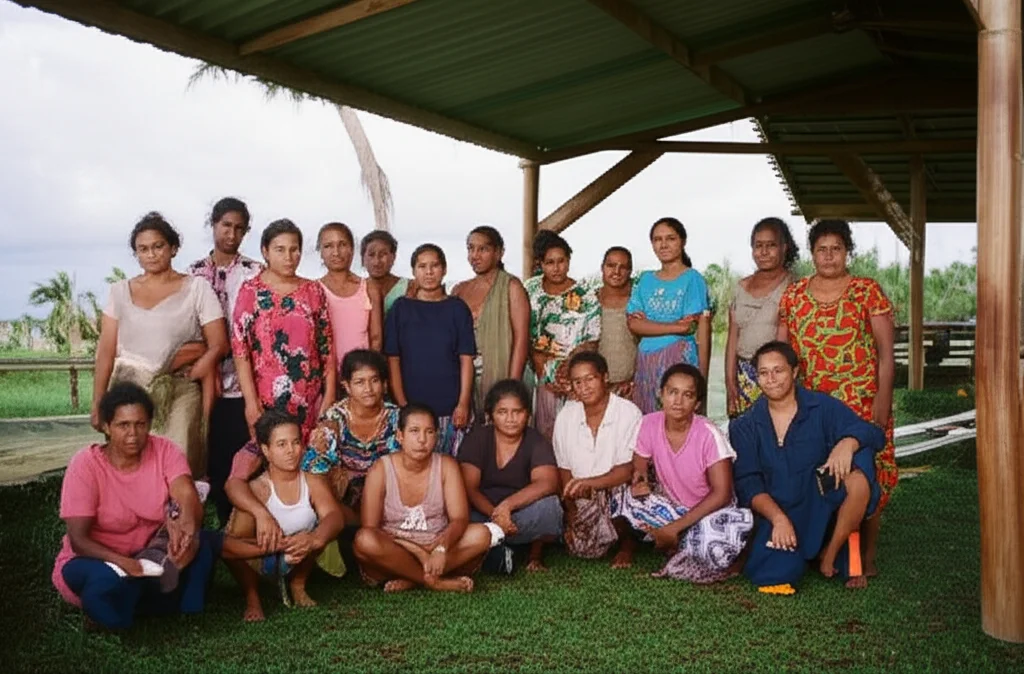
The second bucket is about the *existing mechanisms* of social capital within communities themselves – the less tangible, more “cognitive” stuff that’s already there and can either help or hinder access to SRH services. This included:
- Trust: How much people trust service providers, community leaders, or even each other. Trust is crucial for people to feel safe seeking help or sharing information.
- Social Norms and Values: The community’s beliefs, attitudes, and expectations about SRH, gender roles, and who should access what services. These can be super powerful – sometimes helping, sometimes creating barriers (like stigma).
- Social Power: Who holds influence and makes decisions in families and communities. The review noted that men often hold more power, which can impact women’s access to services.
- Social Support: The emotional and practical help people get from their networks – family, friends, support groups. Losing these networks during a crisis can be devastating.
- Integration of Traditional Knowledge: Recognizing and using the wisdom and experience that exists within the community, perhaps related to healing or coping mechanisms.
These mechanisms are the deep currents flowing through a community. The review found that these were mentioned *less often* in the documents compared to the first group of approaches. And crucially, while social capital is often talked about for its *positive* impacts, these documents didn’t always give enough attention to how it can also *negatively* impact access – like how stigma or harmful norms can stop someone from seeking help.
The Missing Pieces: Detail and Nuance
So, the big takeaway? While the importance of community connections is acknowledged in these crucial planning documents, there’s a real need for more detailed guidance. It’s not enough to say “involve the community”; planners and responders need practical steps on *how* to do it effectively, how to identify and leverage existing networks, and how to navigate the complex dynamics of trust, norms, and power.
Understanding the *nuance* of social capital is key. It’s not just about building connections; it’s about recognizing that these connections can sometimes exclude or create barriers for certain groups. A good plan needs to consider both the positive potential and the negative pitfalls.
The review points out that existing tools like community mapping or social network analysis could be incredibly useful here, but they aren’t widely referenced or explained in the SRH guidance documents. Similarly, while some approaches like “Asset Based Community Development” focus on leveraging community strengths, a full social capital analysis would also look at the potential downsides and how to mitigate them.
Looking Ahead
This scoping review, while limited by the variety of documents it looked at and the subjective nature of defining social capital, does a fantastic job of highlighting a critical gap. We know social capital is vital for health, and this review shows it’s relevant for SRH in crisis too. But the current guidance isn’t quite hitting the mark in helping responders truly understand and work with these community dynamics effectively.
For places like Fiji and the Pacific, where communities are often the first responders and existing networks are incredibly strong, truly leveraging social capital isn’t just a nice-to-have; it’s essential for building resilient, effective, and culturally sensitive SRH responses when disaster strikes. More research and, crucially, more practical, detailed guidance in our planning documents are definitely needed to make sure those vital connections are supporting everyone’s health when they need it most.
Source: Springer