Beyond the Shell: Snail Genes, Temperature, and Coastal Secrets
Hey there! Ever look at a snail just chilling on a rock and wonder what’s really going on inside? I mean, beyond the slow crawl and the cool shell. Turns out, even these seemingly simple creatures hold fascinating secrets in their DNA, especially when they live in tough spots like the intertidal zone – that strip of coast that’s underwater sometimes and exposed to the air (and wild temperature swings!) at others.
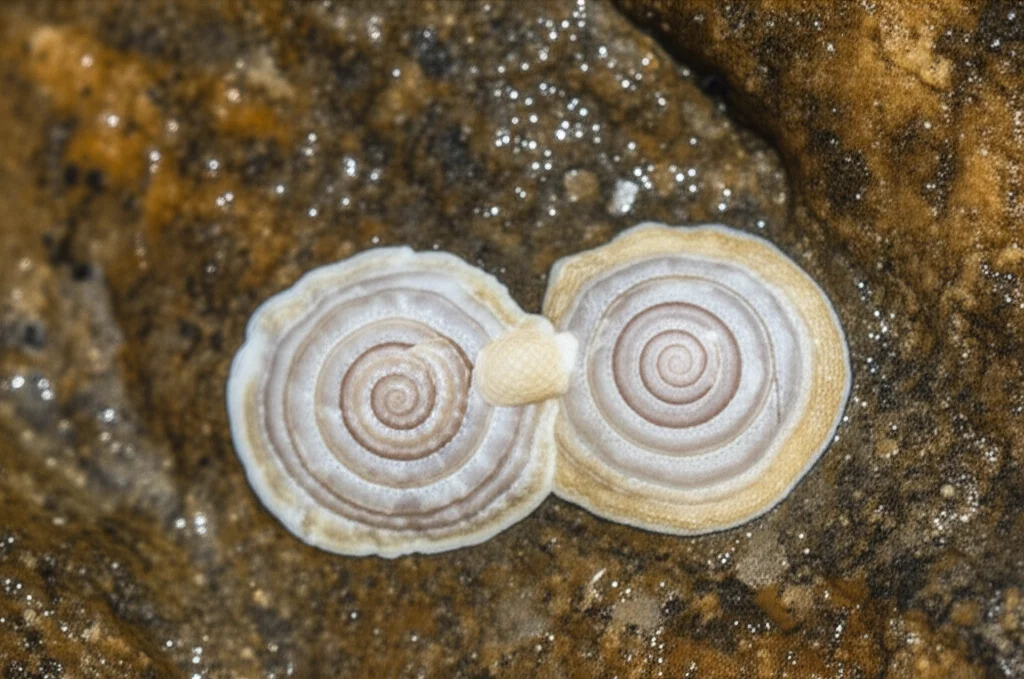
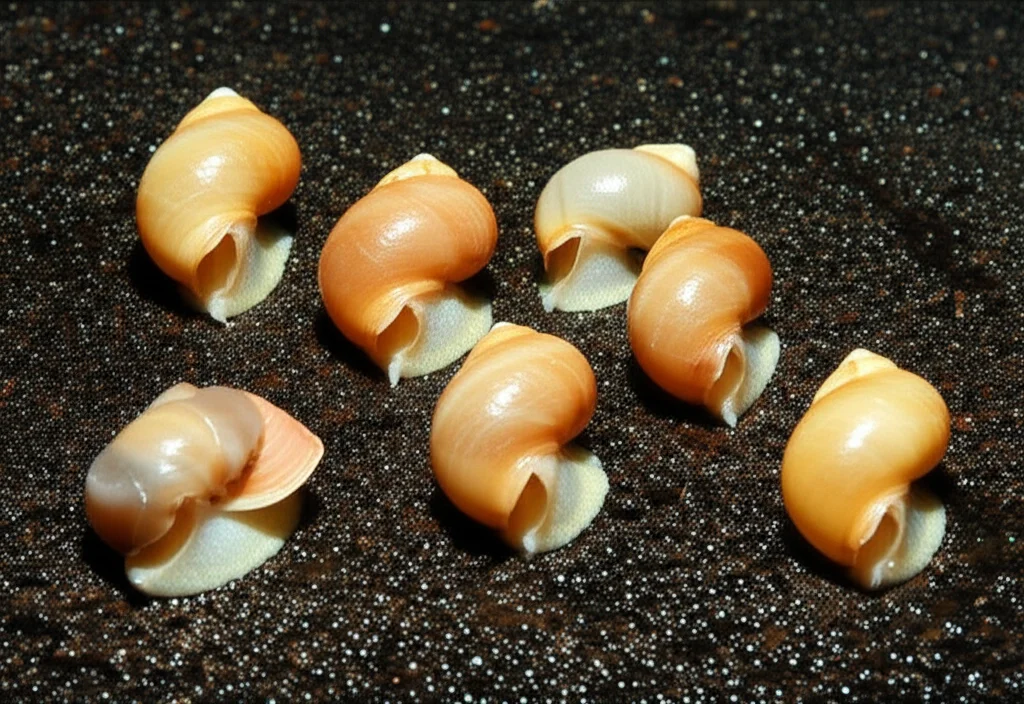
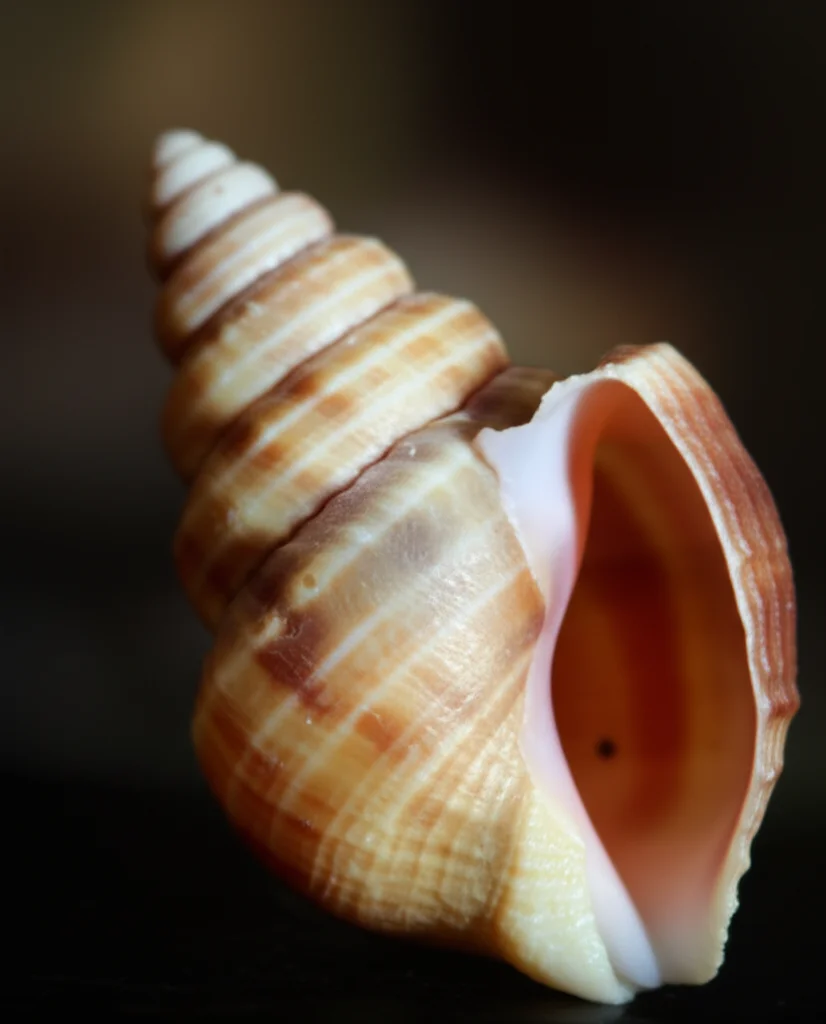
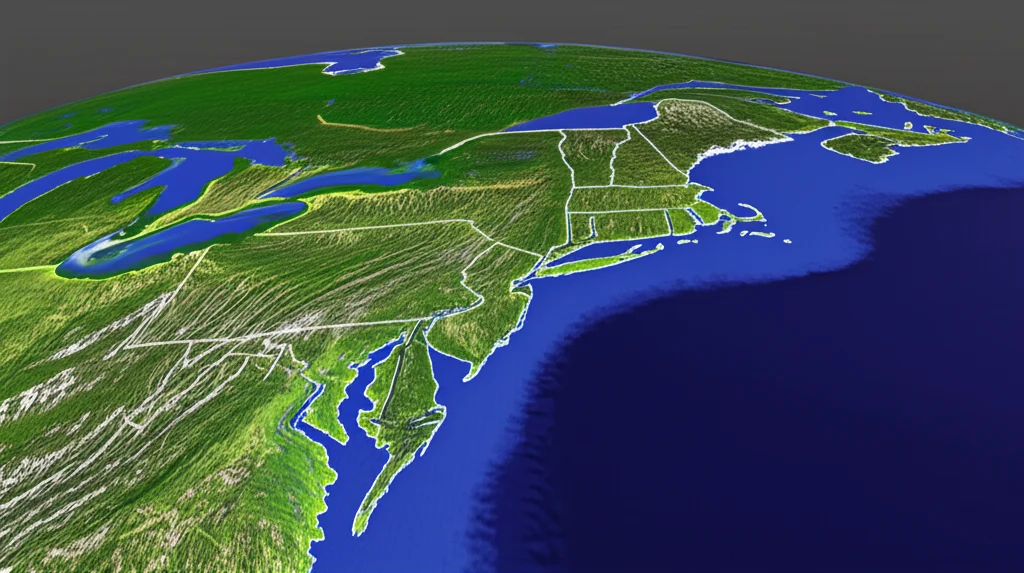
I recently got to dive into some really neat research about two types of marine snails, cousins really, called Crepidula fornicata and Crepidula plana. They both hang out on the US Northeast coast, which is perfect because it gives us a natural experiment: a gradient from north to south, where temperatures change quite a bit. These two snail species are pretty similar in how they live their early lives (planktonic larvae, floating around), but here’s the kicker: C. fornicata is found over a much wider area, even becoming a bit of a globe-trotter as an invasive species, while C. plana keeps things a bit more local, with a narrower range.
So, the big question is: How does this changing environment, particularly temperature, shape the genetic makeup of these snails? And why might two similar species end up with different distributions?
Peeking into the Genetic Toolbox
For the longest time, when scientists wanted to understand how marine critters were connected genetically across distances, they used just a few genetic markers. It was like trying to see a whole city with just a couple of blurry photos. But now, with cool new genomic tools like 2bRAD-sequencing, we can get a much sharper picture, looking at thousands of genetic markers (SNPs, if you want to get technical) across the whole genome. This lets us see not just the overall genetic differences between populations, but also potentially spot specific genes that might be under pressure from the environment – like temperature.
This study looked at snails collected from five spots along that US Northeast coast gradient. They grabbed both species where they could, though interestingly, C. plana wasn’t found at the very northernmost site. They also pulled in temperature data – both air and water – from nearby weather buoys to get a sense of the thermal conditions these snails experience throughout the year.
Mapping the Snail Family Tree (and Road Map)
When we look at the genetic data, a few interesting patterns pop out. First off, both species show signs of ‘isolation by distance’ (IBD). Think of it like this: the farther apart two populations are geographically, the more genetically different they tend to be. This makes sense – it’s harder for individuals (or their larvae) to travel long distances and mix their genes. However, this pattern was much clearer and statistically significant in C. fornicata than in C. plana.
Here’s where it gets really interesting. We can separate the genetic markers into two groups: those that seem to be just drifting along neutrally (like random typos accumulating in DNA) and those that might be under ‘selection’ (meaning the environment is favoring certain versions of a gene). For C. fornicata, we saw genetic structure – populations being different from each other – in *both* the neutral genes and the potentially selected ones. But for C. plana? Only the potentially selected genes showed significant structure. The neutral genes seemed pretty mixed up across the sites. This hints that something might be allowing more overall gene flow (mixing) in C. plana, or perhaps historical events affected the species differently.
Temperature’s Fingerprint on DNA
Now, let’s talk temperature. The researchers crunched the numbers to see if temperature differences between the sites could explain some of the genetic variation, even after accounting for just being far apart (latitude) and that neutral genetic drift. And guess what? Temperature *did* play a role!
Even when controlling for latitude and neutral structure, temperature variation explained about 9% of the genetic differences in C. fornicata and a slightly higher 12% in C. plana. That might not sound huge, but it’s a significant chunk of the ‘explainable’ variation. It suggests that temperature isn’t just something these snails *endure*; it’s actively shaping their adaptive genetic makeup along the coast.
Interestingly, when they looked closer, the strongest link between temperature and the potentially selected genes wasn’t with winter cold (which you might expect for species living in northern areas), but with warmer temperatures. For C. fornicata, summer water temperatures seemed most important, while for C. plana, it was fall water temperatures. This could be related to thermal tolerance, or perhaps it’s tied to reproduction or larval development, which often happen during warmer months.
Why So Different, Cousins?
So, we have two related species living in the same neighborhood, facing similar environmental gradients, but showing subtle differences in their genetic patterns and range sizes. Why the discrepancy? The study touches on several possibilities:
- Range Size: Maybe C. plana just has a narrower thermal tolerance, which is why it’s missing from the coldest northern site. A smaller range naturally means less distance for genetic divergence to build up.
- Mobility e Connectivity: C. plana is smaller and sometimes hangs out with hermit crabs, which could potentially increase its movement and connectivity between spots. C. fornicata, being larger, moves less, except for the smaller males.
- Stacking Behavior: Here’s a cool one! C. fornicata forms those famous stacks of snails (males on top of females), often with skewed sex ratios. These stacks can act like little mating islands. Even though C. fornicata might have larger overall populations, this stacking behavior could potentially lower their ‘effective population size’ (Ne) within these groups, increasing the influence of genetic drift and leading to more divergence between stacks/locations. C. plana doesn’t form these big stacks, which might lead to more mixing.
- Polymorphism Differences: The study found that C. plana actually had way more total genetic variants (SNPs) than C. fornicata, even with similar sequencing effort. This difference in raw genetic variation could impact how easily they detect structure or adaptation signals.
The demographic history also seems different. C. fornicata populations, especially in the north, show signs of recent population contractions, perhaps linked to past climate events like the last glacial maximum or subsequent recolonization. C. plana populations, in contrast, seem to have been much more stable over time.
Looking Ahead in a Warming World
This research gives us a really valuable look at how environmental gradients, especially temperature, can leave their mark on the genetic variation of marine species. The fact that temperature was linked to genetic differences, particularly in genes likely under selection, suggests that these snails are adapting to their local thermal conditions along the coast.
It also highlights that even closely related species can have different evolutionary stories and responses to the environment, possibly due to subtle differences in their biology or history. Understanding these patterns is super important, especially as our oceans continue to warm due to climate change. It helps us predict which species or populations might be more vulnerable or resilient.
Of course, science is always a work in progress! The researchers note that getting even finer-scale temperature data (like from sensors right where the snails live, not just offshore buoys) would give an even clearer picture. And diving deeper with full genome sequences could reveal even more about the specific genes involved in thermal adaptation.
But for now, it’s pretty cool to know that these little snails, just minding their own business on the rocks, are carrying around a genetic record of how they’ve been shaped by the temperature of the coast. It makes you appreciate the complex lives happening right outside their shells!
Source: Springer