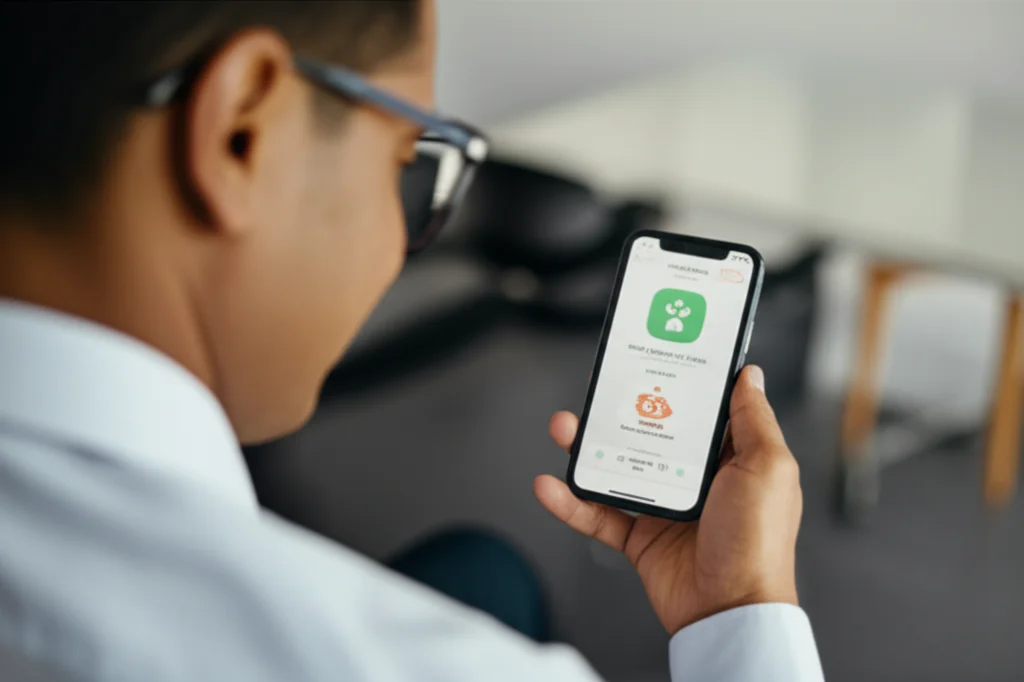
Sitting Less, Moving More: Can an App Get Indian Office Workers Off Their Chairs?
Hey there! Let’s chat about something many of us do way too much of: sitting. Especially if you’re working a desk job, you know the drill. Hours can fly by, and suddenly you realize you haven’t moved much further than the distance between your chair and the coffee machine. It’s comfy, sure, but science keeps telling us that too much sitting – what they call ‘sedentary time’ (ST) – isn’t doing our bodies any favors. In fact, it’s linked to all sorts of health baddies like diabetes and heart disease.
Now, we all know we *should* move more, get more physical activity (PA). But fitting it into a busy workday? That’s the million-dollar question, right? Traditional advice and workplace programs exist, but they can be expensive or require big changes. So, what about that little supercomputer in your pocket? Could a smartphone app be the answer, especially for folks in places like India where smartphone use is huge?
That’s exactly what a bunch of smart folks wanted to figure out with something called the SMART-STEP trial. Their mission? To see if a smartphone app could actually help Indian office workers sit less and move more. And guess what? I got to dive into their findings!
The Problem with Perching
Okay, let’s get real. Prolonged sitting isn’t just about feeling stiff. The research is pretty clear: spending too much time parked on your backside (technically, anything less than 1.5 ‘metabolic equivalents’ or METs while sitting or reclining) and not getting enough moderate-to-vigorous PA (MVPA – that’s activity over 3 METs, like brisk walking or jogging, for at least 150 minutes a week) are major risks for chronic diseases. We’re talking diabetes, heart issues, even certain cancers.
For desk workers, hitting that 150 minutes of MVPA a week can feel like climbing Everest. Studies using fancy motion sensors (accelerometers) show that office workers spend a whopping 73% of their *working* hours sitting. Yikes! And across their whole waking day? It’s still high, around 59% to 66%.
But here’s a cool twist: interrupting those long sitting stretches with even light-intensity PA (LIPA – between 1.6 and 2.9 METs, like standing or slow walking) seems to be almost as good for your heart and metabolism as MVPA. And let’s be honest, LIPA is way easier to sneak into your day than trying to squeeze in a full-on workout between emails. It’s less daunting, easier to stick with, and frankly, often more enjoyable.
So, the goal isn’t just hardcore exercise; it’s breaking up that sitting time. And that’s where a simple, accessible tool like a smartphone app comes in.
Why an App? The Ubiquitous Solution
Think about it. Most people have a smartphone glued to their hand these days. In India, especially, Android phones are everywhere – over 90% of users! This makes them a super promising tool for health interventions that can reach lots of people without needing expensive equipment or big organizational overhauls.
India, like many places, is seeing a rise in non-communicable diseases (NCDs). Physical inactivity is a major culprit, ranking third after tobacco and unhealthy diets. While folks in rural India might get more PA through their work, urban office workers often don’t. So, tapping into that massive smartphone market for health could be a game-changer.
Building the SMART-STEP App
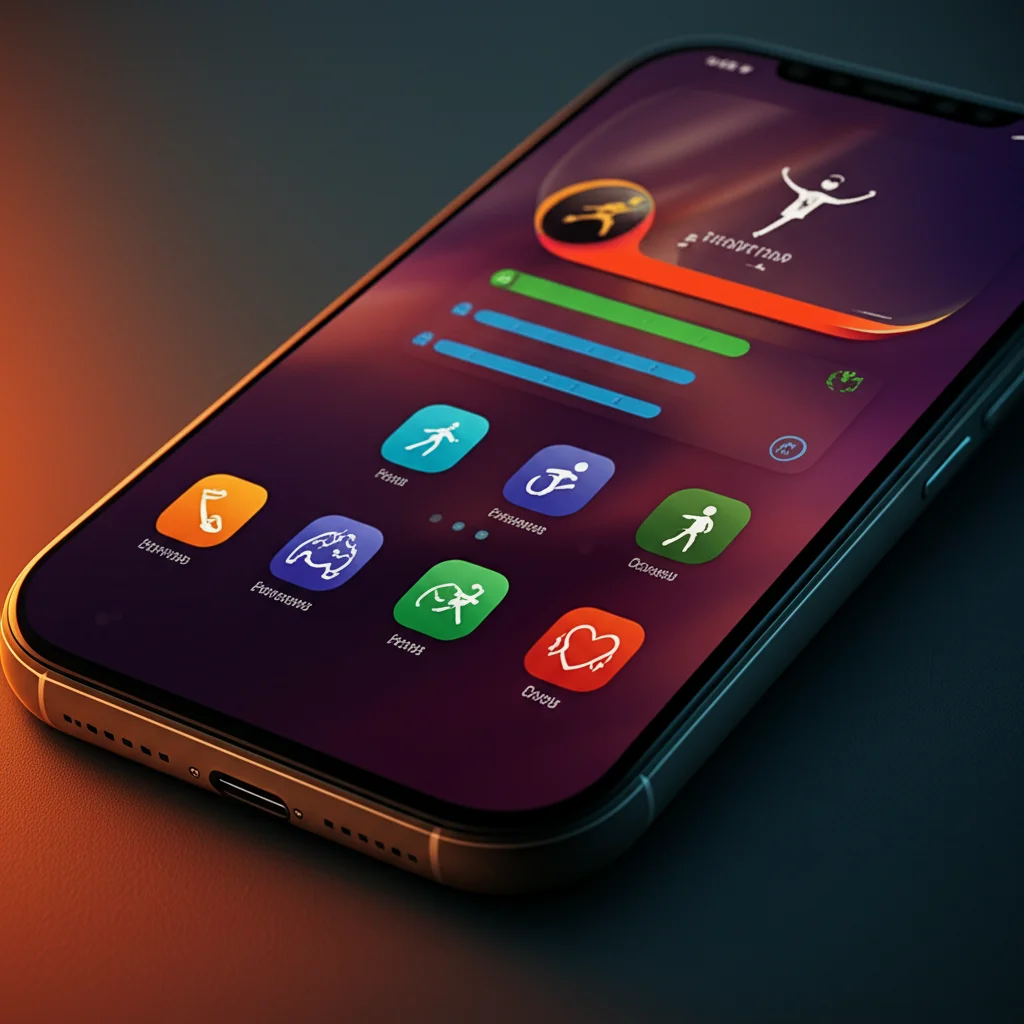
The idea for SMART-STEP was pretty straightforward: create an app that would nudge office workers to take a short break every hour during their 9-to-5 day. Just two minutes of movement each time, adding up to about 16 minutes of activity daily. Easy peasy, right?
They didn’t just whip up a random app, though. They grounded it in some solid psychological theories about what makes people change their behavior:
- Self-Determination Theory: This one’s about feeling in control, capable, and connected. The app aimed to give users autonomy (they could choose to do the break or not), competence (the exercises were simple, desk-friendly, and monitored), and relatedness (integrated into the workday without disrupting personal time).
- Feedback Intervention Theory: Once you decide to change, you need feedback to know how you’re doing. The app showed users their daily progress with simple color codes (green for good, yellow for okay, red for… well, red!). This feedback loop was supposed to help them adjust or keep up their behavior.
The app development took about eight months and involved a team of public health experts, behavioral scientists, and developers. They went through a few versions, testing it out first internally (alpha testing) and then with a few real office workers (beta testing). This iterative process helped them iron out bugs and annoyances – like alarms going off on weekends or annoying prompt sounds (they switched to vibrations!).
The cost? Pretty reasonable for a custom app: around $1,860 for development and server costs over 16 months. That’s quite affordable, especially for larger organizations.
Putting the App to the Test: The Trial
The SMART-STEP trial itself was a bigger deal – a cluster randomized controlled trial involving 136 office workers from 15 different administrative offices at a university in India. These were sedentary desk workers, aged 30-50, who weren’t already meeting PA guidelines.
Participants were split into three groups:
- SMART group: Got the app with hourly ST/PA reminders (those 2-min exercises). They also did a 10,000 steps/day pedometer challenge.
- TRADE group: Received traditional education (manuals about sitting risks and PA benefits) and logged their walking time.
- CONT group: Just continued their usual work routine.
The trial ran for six months. They measured all sorts of things – body composition, health markers, even work productivity. And crucially, they used accelerometers to objectively measure how much participants were sitting and moving. For the SMART group, they also tracked how often people actually *responded* to the app prompts.
What Happened? The Numbers Tell a Story…
Out of the 44 people in the SMART group who got the app, 37 stuck with the trial for the full six months. So, participation was decent.
But here’s the kicker: app engagement, measured by how many prompts people responded to, started strong but dropped off over time. In the first month, folks responded to about 77% of the hourly prompts. By month six? It was down to 31%. Ouch. Only about a third (34%) of the SMART group participants met the trial’s definition of “compliant” (responding to at least 70% of prompts over six months).
So, while the app was developed and implemented, getting people to *keep* using it consistently was a challenge.
Digging Deeper: The Barriers
To understand *why* engagement dropped, the researchers talked to a small group of SMART participants (some who used the app a lot, some who didn’t). They uncovered some really insightful stuff:
- Simplicity vs. Rigidity: People liked that the app was simple and gave clear goals. But some found the fixed hourly prompts rigid. As one person put it, “It’s just an alarm… that tells me what I must do.” They wished it could sense their movement and prompt them when they’d been sitting too long, rather than on a strict schedule.
- Workload Wins: This was a big one. Many participants (78%) just prioritized their actual work. Deadlines, meetings, getting immersed in tasks – these often meant ignoring the phone notification. “I immerse so much when I start work… I ignore even calls… These mobile notifications… I ignore most…” shared one participant.
- Shyness and Space: Doing exercises at your desk might sound easy, but if you’re in a shared office space, it can feel awkward! Several participants (67%) felt shy doing the movements in front of colleagues, preferring private spaces if they had them.
- Work Culture: The general vibe and policies of the workplace mattered a lot. Some felt the culture was too rigid, not allowing for brief breaks or even standing during meetings. They contrasted their workplaces with IT companies where active breaks might be more accepted.
- Lack of Social Support: A few participants felt something was missing – a sense of connection or group motivation. They wished there was a “buddy or group in the app” or some way to share progress with colleagues. Just a prompt felt like an “individual entity” that might not be enough long-term.
- Gender Roles e Energy: Interestingly, gender disparities came up. One female participant mentioned reserving her physical energy for evening tasks at home (cooking, childcare) and feeling too mentally exhausted from work to add physical exercises during the day.

Looking Ahead: Making it Stick
So, what does this all mean? The SMART-STEP app is a promising, affordable tool, especially for low-resource settings. It shows that you *can* develop and implement such an intervention.
But for long-term success, just an app isn’t enough. The researchers’ findings and the participants’ feedback point to some key areas for improvement:
- Smarter Sensing: The app needs to be less rigid. Integrating movement sensing (like using the phone’s built-in sensors or connecting to a wearable) could allow for prompts based on *actual* sitting time, making them more relevant and less annoying.
- Beyond the App: Behavior change is complex. The app was based on individual theories, but social and environmental factors are huge. Future interventions should combine the app with other strategies:
- Organizational Support: Workplaces need to create a culture that *allows* and even *encourages* movement breaks. This could mean flexible policies, standing desks, or promoting active meetings.
- Peer Education/Support: Making it a group effort, encouraging colleagues to take breaks together, or adding social features to the app could boost motivation and reduce shyness.
- Education e Awareness: Both employees and organizations need to understand the risks of sitting and the benefits of integrating movement into the workday.
- More Engaging Features: Adding personalized feedback, gamification (like challenges or rewards), or social elements could help keep users interested over time, combating that “behavioral decay” they observed.
The study was done at a university, which might be different from a corporate IT office, for example. Corporate settings, with their existing digital infrastructure and potentially more flexible environments (standing desks!), might be even more fertile ground for this kind of app, especially if combined with supportive policies.
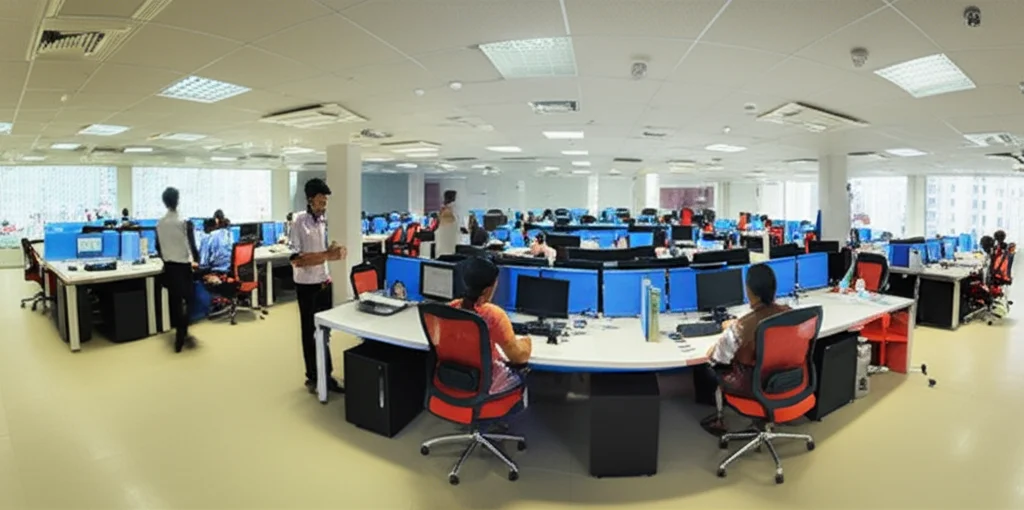
Overall, the SMART-STEP trial gives us a fantastic look at the potential and the pitfalls of using smartphone apps to tackle sedentary behavior in the workplace in a place like India. It’s an affordable starting point, but getting people to truly integrate movement into their busy, often rigid work lives requires a multi-pronged approach that goes beyond just sending a notification.
It’s a reminder that technology is a powerful tool, but it works best when it’s supported by the environment and the people around us. So, next time your phone buzzes with a reminder to move, maybe grab a colleague and take that break together!
Source: Springer