
Smart Farming, Secure Plates: How Climate Tech Boosts Food Security in Bangladesh
Hey there! Let’s chat about something super important, especially for folks living in places where Mother Nature can be a bit… unpredictable. I’ve been digging into this fascinating study about farmers in Bangladesh, particularly those in areas that get hit hard by climate change. We’re talking floods, cyclones, salty soil – the works. And the big question is: does adopting clever, climate-smart farming tech actually help these families keep food on the table?
The Challenge: Farming on the Edge
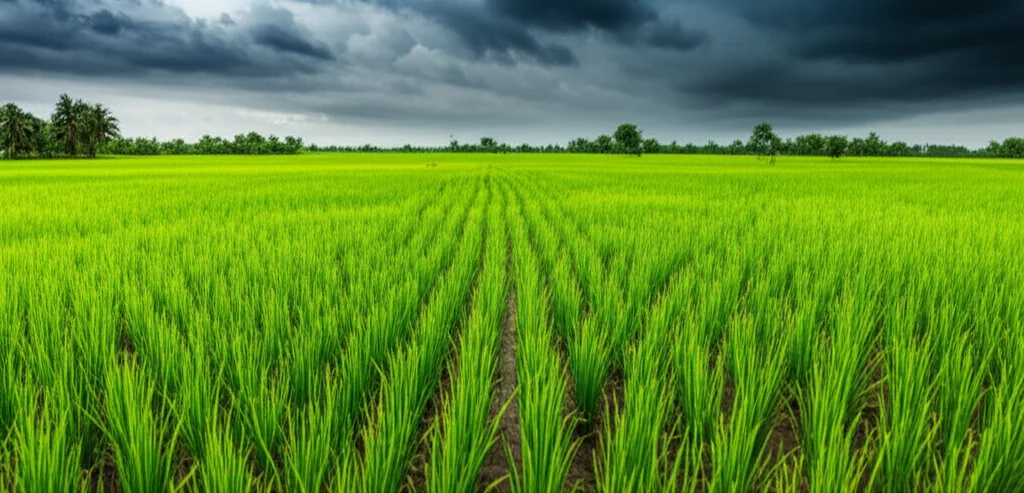
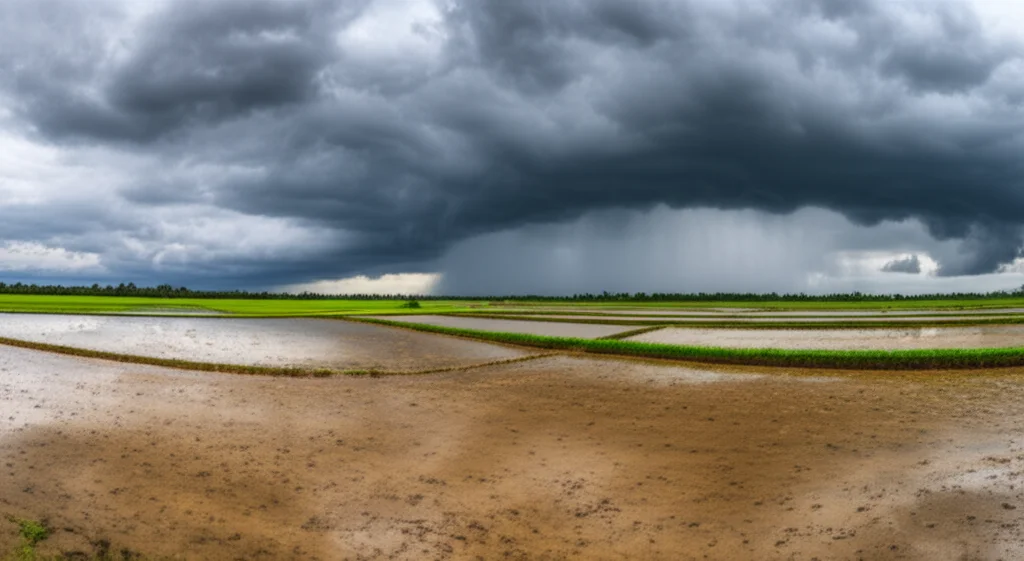
So, picture this: Bangladesh, a place where farming, especially rice, is the backbone of life for so many. But lately, it’s been a tough gig. I mean, *really* tough. Natural disasters aren’t just occasional hiccups anymore; they’re a constant threat. We’re seeing more intense cyclones, crazy heavy rain, and rising salinity, especially along the coast. This isn’t just bad for the crops; it’s putting the whole nation’s food security at risk.
On top of that, rapid industrialization, while bringing jobs, is sometimes happening right next to farmland, pushing farmers off their land. It’s a double whammy: climate change making farming harder, and development sometimes making it impossible.
Finding a Smarter Way to Farm
Thankfully, it’s not all doom and gloom. There are smart ways farmers can fight back against these challenges. The government and research folks in Bangladesh have been working on introducing new techniques and varieties. Think rice that can handle salty water, or types that can survive being submerged for a while. This study looked at farmers who are adopting these kinds of “climate-smart” strategies. The main ones they focused on were:
- Adjusting sowing times: Planting crops at a different time of year to avoid the worst weather.
- Using saline tolerant varieties: Growing types of rice or other crops that can cope with salty soil.
- Shifting to minor crops: Growing other crops that might be less vulnerable or offer diversification.
The big idea is that farmers who use these strategies should be less vulnerable to climate shocks and, hopefully, more food secure.
Who’s Adopting and Why?
So, who are the farmers actually taking up these new ideas? The study talked to 600 farm families in areas participating in a climate resilience project. It turns out, several things influence whether a farmer adopts these strategies:
- Age: Younger farmers seemed a bit more open to trying new varieties, while older farmers preferred sticking to adjusting sowing times for familiar crops.
- Household Size: Bigger families often have more hands to help on the farm, which can save on labor costs. This extra capacity seems to make them more likely to adopt strategies like adjusting sowing times or shifting crops.
- Income: This is a big one! Farmers with higher incomes are more likely to invest in climate-smart strategies. Poor farmers often face liquidity problems and fear losing what little they have, making them hesitant to try something new, especially if the profitability isn’t guaranteed.
- Education: Farmers with more years of schooling tend to understand climate risks better and are more likely to adopt risk-minimizing approaches, particularly crop shifting.
- Past Experience: If a farmer has recently been hit hard by floods or salinity, they are much more likely to adopt strategies to prevent it from happening again.
- Access to Credit: Interestingly, access to credit showed a strong positive link with adjusting sowing times, but a negative link with adopting saline tolerant varieties. This might be because credit comes with risks (interest, repayment deadlines), and farmers might be wary of using it for a variety whose profitability isn’t widely proven.
- Contract Farming: Being part of a contract farming organization is a major plus! These groups often provide access to better seeds, fertilizers, and crucial information, making farmers much more likely to adopt new strategies.
Basically, it’s a mix of personal circumstances, resources, knowledge, and past experiences that shape these decisions.
The Payoff: More Food, More Security
Now for the really good news! The study used some clever statistical methods (like Propensity Score Matching – PSM, if you’re curious!) to compare farmers who adopted strategies with those who didn’t (or to compare their situation before and after adoption). And the results are pretty clear: adopting climate-smart tech *does* make a difference to food security.

Here’s what they found about the impact on household food security (measured by calorie intake, food stock, and the ability to cover food costs):
- Saline Tolerant Variety: Farmers using these varieties saw about a 2% increase in calorie intake, had enough food stock for roughly one more meal per day, and could cover food expenses for an extra 1-1.5 months compared to those who didn’t adopt any strategy.
- Crop Shifting to Minor Crops: This group saw an even bigger jump – a 3-4% increase in calorie intake! They also had 2-3 more meals available per day and could afford food for at least 3 extra months.
- Sowing Time Adjustment: The results here were the most pronounced. This group also saw a significant increase in calorie intake and food stock, and could cover food costs for up to 6 months longer! That’s a seriously stable situation for these farmers.
It’s pretty powerful stuff, showing that these simple, smart adjustments can make a real, tangible difference in whether a family goes hungry or not.
Hitting the Bottlenecks and Clearing the Path
So, if it works so well, why isn’t everyone doing it? The study pointed out some key roadblocks:
- Knowledge Gap: Farmers need to know *about* these technologies and *how* they benefit them (not just production, but food security and income!). Agricultural extension officers are key here, but there aren’t enough of them, and they’re swamped with other tasks.
- Credit Access: Getting loans can be tough for poor farmers. High interest rates, complex paperwork, and needing collateral are major hurdles.
- Input Supply: Sometimes, getting access to quality inputs like stress-tolerant seeds is difficult or delayed.
- Trust: Farmers need to trust that these new methods will actually work and be profitable. If they don’t see clear, short-term benefits or if communication with facilitators is poor, they’re less likely to adopt.
To overcome these, we need better, more accessible extension services (maybe even door-to-door!), easier access to credit (perhaps with less collateral required), improved seed distribution, and building trust through farmer-to-farmer learning and clear communication.
What Does This Mean for Policy?
This study has some big takeaways for the folks making decisions. They need to:
- Prioritize Knowledge Dissemination: Get the word out about climate-smart tech and its benefits in a way farmers can easily understand and access.
- Improve Access to Facilities: Make credit, quality seeds, and other necessary inputs readily available and affordable, especially for poor farmers.
- Support Vulnerable Farmers: Recognize that economically disadvantaged farmers need extra support to overcome liquidity issues and fear of loss.
- Guide Investment: Direct government investment towards bolstering these specific climate-smart strategies in hazard-prone areas.
If we don’t support these farmers, they might be forced to leave their land, potentially adding to urban migration and putting even more pressure on national food security.
Looking Ahead
While this study gives us some fantastic insights, it also points out that there’s more to learn. For instance, they mostly looked at farmers who had *already* adopted at least one strategy, so comparing them directly to non-adopters wasn’t possible in this specific sample. Future research could look at a wider range of farmers, perhaps consider gender differences, delve deeper into psychological factors influencing adoption, and explore the benefits of adopting *multiple* strategies at once.
The Bottom Line
My takeaway from all this? Climate-smart technology isn’t just a fancy term; it’s a lifeline for farmers in vulnerable areas like Bangladesh. It’s helping them cope with climate change, stabilize their production, and most importantly, improve their food security. But for this to work on a larger scale, we need targeted support, better access to resources, and a real effort to bridge the knowledge gap. It’s about empowering these incredible folks on the front lines of climate change to keep feeding their families and their nation.
Source: Springer


