

Roma Digital Power Up: Beating the Divide During COVID
Alright, so listen up! I’ve been digging into some really interesting stuff about how communities navigated the wild ride that was the COVID-19 pandemic. We all know it flipped things upside down, right? Suddenly, everything went online – school, work, even just staying in touch. And for some folks, this shift wasn’t just inconvenient; it was a massive hurdle. I’m talking about the *digital divide*, that gap between those who have access to technology and the skills to use it, and those who don’t.
Now, the science folks have already done a bang-up job showing how this divide got wider during the pandemic, especially for vulnerable groups. And yeah, the Roma community is often highlighted here, facing layers of exclusion already. But what really grabbed my attention in this particular research isn’t just *how* tough things got (though that’s important to acknowledge), but *how* people pushed back. This study dives deep into the strategies and actions that Roma community members and the professionals working alongside them used in Spain to actually *overcome* this digital gap during those crazy times. It’s less about the problem and more about the *solutions* that emerged from within the community itself. Pretty cool, huh?
The pandemic threw us all a curveball. Fear, uncertainty, schools shutting down, and suddenly, if you weren’t online, you were kind of left out in the cold. For the Roma community, who often already face challenges in accessing services like health and education, this was a double whammy. We know from past studies that digital exclusion was a thing before COVID, but the pandemic definitely turned up the heat. Accessing everything from essential subsidies (remember how social services went online?) to kids’ schoolwork became way harder if you didn’t have the devices, the internet, or the know-how. And let’s be real, there are some nasty stereotypes out there suggesting Roma aren’t tech-savvy, which just adds another layer to the problem.
Before COVID, you could usually pop into a social services office or talk to a teacher face-to-face. That personal connection was crucial for many, helping with everything from getting support for well-being to sorting out paperwork for vital aid. When that disappeared, vulnerable families, including many Roma families, found themselves in really critical situations. Kids were missing out on school because they couldn’t connect or didn’t have a laptop. It was a tough spot, no doubt about it.
Most research up to now has focused on highlighting these difficulties – and that analysis is super important! But there’s a growing movement, championed by things like the Sustainable Development Goals and newer research approaches, that says science shouldn’t just point out problems; it should help *solve* them and improve people’s lives. This is where the idea of “social impact” comes in, and it’s central to the research this article is based on.
This study used something called the *communicative methodology*. Sounds a bit academic, I know, but the core idea is brilliant: it’s all about having an *egalitarian dialogue*. Imagine researchers sitting down with community members, not as experts talking *at* people, but as equals talking *with* them. Sharing academic knowledge and real-life experiences side-by-side to co-create understanding and find solutions. This approach has a track record of making a real difference for vulnerable groups, and the Roma community themselves were apparently really keen on it because it put *them* at the center, shaping the research from the get-go.
We’ve seen glimpses of success before, even online. Think about the Roma Women Students’ Gathering (RWSG). It used to be in person, but during COVID, they took it online. And guess what? It worked! These gatherings, organized by Roma and non-Roma women, created a space for open dialogue about challenges and strategies. The online version managed to keep that connection alive through solidarity, helping many cope with the pandemic’s stress. It also totally debunked that myth about Roma not using social networks – they absolutely do, and they use them for advocacy and mobilization!
This kind of action, led by Roma people, particularly women, has even influenced policy, like the Integrated Plan for the Roma in Catalonia, which now includes things like health literacy and adult education – stuff that clearly helped during COVID. But while we know Roma women played a leading role, there was still a need to understand the *specific* actions that helped people get over the tech hump. This research set out to fill that gap, looking at the dynamics within the community and the collaboration with professionals that made a difference.
The big questions they wanted to answer were: What specific dynamics emerged within the Roma community during COVID that could be a basis for action? And how are these actions actually changing things for the community? This study is part of a bigger project called ROM21, funded by the Spanish Ministry of Science, specifically looking at Roma women’s leadership in community transformation during the pandemic, again using that powerful communicative methodology.
The research team itself was diverse, including Roma members, and they had an Advisory Committee with people from different backgrounds – Roma, non-Roma, social workers, educators, experts. This ensured the dialogue was truly egalitarian and the findings were validated by the community. It’s a far cry from traditional research where people are just subjects; here, they were active participants and co-creators.

They gathered data from 118 participants – 78 Roma community members (women and men) and 40 professionals from social services, education, and civic organizations across several Spanish regions. They used a mix of methods: life stories (getting deep insights into individuals’ experiences), focus groups (group discussions), interviews with professionals, and even some participant observation in a school setting. The idea was to capture the richness of their experiences and the actions they took.
When analyzing the data, they looked for two things: “exclusionary elements” (the barriers) and “transformative elements” (the actions that helped overcome those barriers). This article focuses on the transformative stuff – the good news!
Learning Together: The Power of Solidarity
One of the brightest spots the participants talked about was how they *had* to learn tech skills because of the pandemic, and how this necessity actually boosted their opportunities for social inclusion. I heard about a Roma woman who learned to use her phone because of COVID. Simple, right? But think about the doors that opens! People had to figure out how to make video calls for family, for meetings, for everything. As one participant put it, “if you didn’t know how to make an account, you couldn’t… [connect]”. So, they learned!
And this wasn’t just individual effort. A beautiful part of the story is the *solidarity* they showed each other. People who figured things out helped others. Someone might ask, “How do you do this?” and a neighbour or friend would sit down and show them. There was even a case of a Roma man who managed multiple email accounts for family members just to help them process essential income applications online. He wondered if they could have done it without him, but the point is, he was *there*, providing that crucial support. This mutual aid was a powerful force in bridging the gap.
This interconnectivity also meant families started seeing the need to get devices. Laptops and tablets went from being luxuries to necessities, and families began demanding them or finding ways to buy them. It was a direct response to the new online reality.
Finding Connection: The Role of Online Communities
Another fascinating finding was the role of online church services, particularly through a mobile app called Zello. Many members of religious congregations, including Roma, started using this app when face-to-face services stopped. What began as a way to keep services going online turned into a massive boost in digital engagement. People who had never really used their phones for much beyond calls suddenly started logging in.
Initially, some thought not many Roma would connect online due to tech barriers. Boy, were they wrong! It was so popular they had to create separate channels for different neighbourhoods! This online community wasn’t limited by geography like the old face-to-face meetings. People from all over Spain connected, sharing, supporting, and in the process, improving their tech skills. It wasn’t just about the service; it was about creating a wider community and helping each other get online.
What’s really heartwarming is how this impacted older people. Many elderly Roma who were used to attending church regularly found themselves cut off. When the services went online, they were motivated to learn how to use the app. They’d ask younger, more skilled people for help – “My son, put it on for me… I want to listen to the service.” For many, attending church was a central part of their lives, and learning to use tech became the way to stay connected to their community and faith when the doors were closed. It shows that strong motivation, like connecting with your community, can be a huge driver for digital literacy, regardless of age.
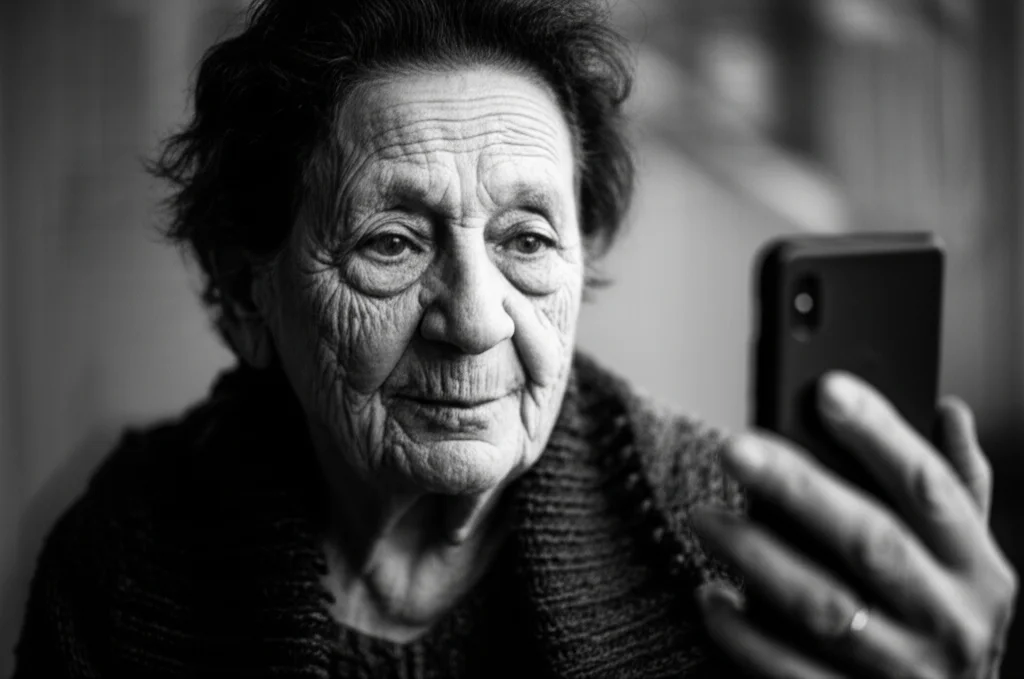
The participants saw this online connection as a “great invention” during a difficult time. It allowed them to maintain their religious practice and community ties. And yes, many older people who were completely new to tech actually learned how to use these devices. It wasn’t just about asking for help; it was about acquiring new skills themselves.
Roma Leading the Way: Community Initiatives
Crucially, the study highlighted how Roma participants themselves *led* actions to bridge the digital divide. It wasn’t just external help; it was internal drive and organization. One Roma woman involved in school promotion explained how they advised vulnerable families and helped them get rented computers. This grassroots effort, combined with later official programs, made a difference.
Roma organizations were also key players. Professionals from civic organizations mentioned how Roma groups were actively pushing to get digital resources for kids so they wouldn’t fall behind in school. They advocated with educational centres, and some schools and institutions responded by lending tablets, computers, and even internet dongles. The existing relationships between Roma community members, social workers, educators, and local organizations were vital for this rapid response. They detected the problem quickly and worked together to find solutions.
Working Hand-in-Hand: Professionals and Community
The collaboration between Roma community members and professionals was another powerful transformative element. This wasn’t just professionals *providing* help; it was an *egalitarian dialogue* where needs were identified together, and solutions were co-created. Professionals from social services, education, and civic organizations played a crucial role, but the study emphasizes that this interaction was different – it was based on equality and mutual respect.
Professionals helped in practical ways: providing support for online applications for grants and scholarships, creating videos to raise awareness about the pandemic (shared digitally, of course!), and facilitating access to devices. But what stood out was how they worked *with* the community, not just *for* them. Requests for help were collected, and the community was involved in providing that help among themselves, supported by professionals. This mutual support meant everyone, including the professionals, learned and improved their tech skills.
In schools, even when families couldn’t physically enter the buildings, educators found ways to connect. They held meetings outdoors with microphones to explain how online learning platforms worked. They understood that involving the whole family was essential for kids to succeed online. This proactive approach from schools helped bring tech education closer to the Roma community.
Even in hospitals, social workers saw the need for digital connection to combat the intense loneliness caused by isolation during the pandemic. They worked to provide phones or connect families via calls, recognizing that human interaction, even digital, was vital for well-being when physical contact was impossible. This shows how professionals went above and beyond, seeing technology not just as a tool for services, but for maintaining crucial social bonds.
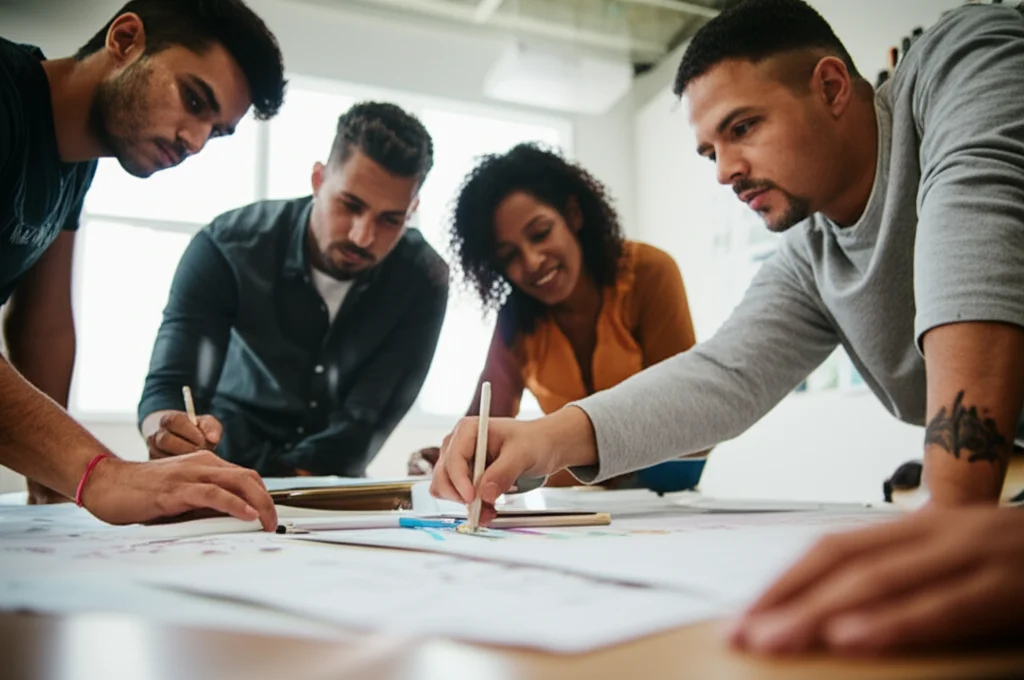
The solidarity experienced during this push for digital access also seemed to improve the relationship between institutional professionals and the Roma community. Imagine social workers sitting on a bench in the street with Roma women, using mobile phones to help them apply for essential aid online because they had no office space. This kind of shared effort built trust and demonstrated a commitment to overcoming barriers together.
Institutional Shifts: Administration Adapting
What’s really impactful is that this transformation wasn’t just happening *within* the community or between community and professionals; it was also prompting changes in the administration itself. One professional noted that because interactions shifted online, and many families had limitations (only mobile phones, no computers), they had to dedicate themselves to providing support. This experience, driven by the community’s needs and the advocacy of professionals and Roma organizations, is actually changing *how* administrations relate to the Roma community, pushing for more accessible digital pathways.
The study also highlighted the strong leadership of Roma women in digital literacy efforts. They weren’t just learning; they were organizing courses, becoming trainers, and building their own teams to deliver online training. This demonstrates a powerful internal capacity for empowerment and change.
So, yeah, the digital divide was a huge problem during COVID, and it hit the Roma community hard. But this research, by focusing on the *transformative* actions, gives us a different picture. It shows that despite the challenges, Roma community members, supported by dedicated professionals and their own strong networks of solidarity and community organizations (including religious ones), developed effective strategies to gain access to technology and skills.
It reminds me that while analyzing the problems is crucial, we also *have* to look at what works. These examples of solidarity, community-led initiatives, the motivating power of social and religious connections, and egalitarian collaboration with professionals aren’t just feel-good stories. They are concrete practices that can inform future policies and actions. They show the incredible resilience and agency within the Roma community and the potential for positive change when research and action are co-created in a spirit of equality.
Of course, this study has its limits – it’s qualitative, focused on specific areas in Spain, and doesn’t track long-term effects. But it adds valuable evidence to the growing body of work on social impact, showing that by focusing on what helps people overcome challenges, we can build a more inclusive and equitable future. It’s a powerful reminder that solutions often emerge from the very communities facing the problems, especially when they are empowered to lead the way.
Source: Springer