
Quick Meals, Lingering Blues? The Surprising Link Between Ready-to-Eat Food and Depression
Hey there, food for thought coming your way! Ever find yourself reaching for that quick, no-fuss meal after a long day? You’re definitely not alone! Ready-to-eat foods have become our trusty sidekicks in this fast-paced world. But I stumbled upon a recent study that made me pause and think: could these convenient bites be messing with more than just our waistlines? Specifically, our mood.
A fascinating, if slightly concerning, cross-sectional study dug into this very question, looking at US adults. The title itself is a bit of a mouthful – “Ready-to-eat food intake associates with PHQ-9-based depression in US adults” – but the gist is pretty clear. It seems what we grab for a quick fix might have deeper implications for our mental well-being. So, let’s unpack this, shall we?
So, What’s the Big Deal with Ready-to-Eat Foods?
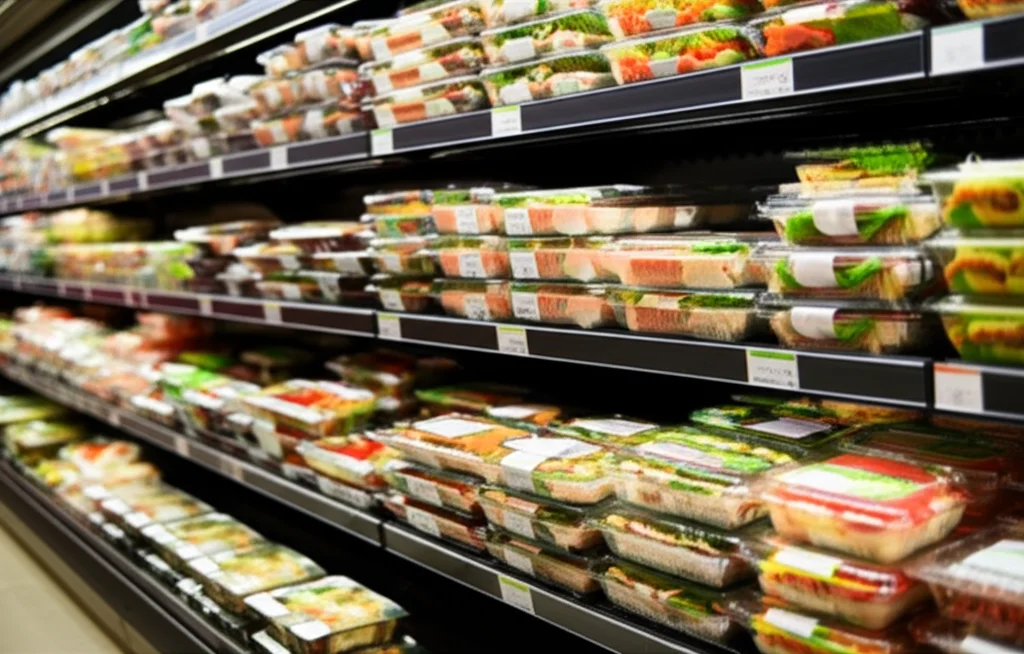
First off, what exactly are we talking about when we say “ready-to-eat” (RTE) foods? Well, these are the champions of convenience. Think pre-packaged sandwiches, those pre-washed salads that come with dressing, cooked meats, smoked fish, desserts, various cheese preparations, soups, and yup, even frozen meals and pizzas that just need a quick zap in the microwave. The European Commission defines them as foods “intended by the producer or manufacturer for direct human consumption without further heating or other processing necessary to destroy the relevant micro-organisms or to reduce them to an acceptable level.” Essentially, minimal effort, maximum convenience.
It’s no surprise they’re super popular, especially for busy bees and younger folks. You can find them everywhere – supermarkets, fast-food joints, gas stations, even schools and universities. While they save us time, some studies have already wagged a finger at them for links to obesity and type-2 diabetes. And guess what? Both of those are known risk factors for depressive disorders. So, the trail of breadcrumbs (or perhaps, pre-packaged sandwich crumbs?) was already leading towards a potential connection with our mental state.
The Study Scoop: What Did They Find?
This particular study decided to get to the heart of the matter by looking at data from the National Health and Nutrition Examination Survey (NHANES) between 2011 and 2018. They analyzed info from a whopping 8,689 US adults aged 20 and over. Depression was measured using the PHQ-9 questionnaire, a pretty standard and validated tool in depression research. A score of 9 or higher on this questionnaire was used to indicate PHQ-9-based depression.
And the findings? Well, they’re quite eye-opening. After crunching the numbers and adjusting for various factors like sociodemographics (age, sex, race, income, etc.) and lifestyle characteristics (smoking, alcohol, physical activity), a significant association emerged.
Here’s the kicker:
- For each additional ready-to-eat food consumed (based on self-reported frequency over 30 days), the odds of having PHQ-9-based depression increased by a factor of 1.014. It might sound small, but it adds up!
- Compared to folks who didn’t report eating any RTE foods, those who ate them on average at least once a day (≥30 times in 30 days) had a significantly higher likelihood of depression – we’re talking an Odds Ratio of 2.02. That means their odds were basically doubled!
The study also noted that participants with PHQ-9-based depression tended to be female, never married or separated, and often had a lower annual household income. It seems there’s a complex web of factors at play, but the RTE food link stood out.
Why the Link? Unpacking the “How”
Okay, so there’s an association. But why? The study points out that RTE foods are often nutritional lightweights – high in saturated and trans fats, loaded with sodium, and pretty skimpy on essential vitamins and minerals due to heavy processing. And these nutritional profiles have been previously linked to things like neuroinflammation and an increased risk of depression.
Think about it: our brains are complex machines that need good fuel. A diet heavy on processed, high-fat foods might contribute to:
- Neuroinflammation: Inflammation in the brain isn’t a good thing for mood.
- Oxidative Stress: An imbalance that can damage cells.
- Unfavorable Gut Microbiota Alterations: Our gut and brain are surprisingly chatty, and an unhappy gut can mean an unhappy mind.
- Mitochondrial Dysfunction: The powerhouses of our cells not working optimally.
Some researchers even suggest that artificial sweeteners, often found in ultra-processed foods (a category many RTE foods fall into), could play a role by affecting purinergic transmission in the brain. And yes, obesity, which can result from an excessive intake of high-energy foods, is also a piece of the puzzle, but the study found that even after adjusting for BMI, the link between RTE food frequency and depression remained significant. So, it’s not just about weight.
So, What Does This Mean for Us and Public Health?
Given how incredibly popular RTE foods are, especially in the US (which is apparently the largest market for them!), these findings are pretty important from a public health nutrition angle. It’s not just about physical health anymore; our mental health is clearly part of the conversation.
The authors of the study suggest that simply telling people “eat healthier” isn’t likely to cut it. Shocker, right? We all know that can be easier said than done. Instead, they point towards more effective interventions that could:
- Restrict choice or guide customers: Think incentives for healthier options or disincentives for less healthy ones in food outlets. This might sound a bit “nanny state” to some, but the research suggests these “intrusive” interventions can be more effective than just informational campaigns.
- Whole-system changes: This means concerted efforts across the food sector, involving public and private organizations, all backed by political will and public support.
It’s also worth noting that other studies have shown that cutting down on fast-food consumption can lead to improvements in both weight and mental health. It’s likely a similar story for RTE foods, but more research is always good!
Hold On, It’s Not All Doom and Gloom! (Limitations and Future Roads)
Now, before we all swear off pre-made salads forever, it’s important to remember the study’s limitations, which the researchers are upfront about.
- Cross-sectional design: This means it shows an association, not a direct cause-and-effect. Does eating RTE food lead to depression, or do people who are depressed reach for more RTE foods? Or is it a bit of both? This study can’t definitively say.
- Self-reported data: People aren’t always perfect at remembering or reporting what they ate.
- PHQ-9 isn’t a clinical diagnosis: While a good screening tool, a clinical diagnosis of depression needs a professional.
- Short-term focus: The food frequency was for the past 30 days, which might not reflect long-term habits. Similarly, the PHQ-9 looks at recent symptoms.
- Broad category: “Ready-to-eat” is a huge umbrella. A pre-washed fruit salad is very different nutritionally from a frozen pizza. The study couldn’t differentiate these nuances.
Despite these points, the study adds a valuable piece to the puzzle, aligning with other research on processed foods and mental health. The authors rightly call for future studies to dig deeper, perhaps looking at specific types of RTE foods and their individual links to depression.
My Two Cents
So, what’s the takeaway for us everyday folks? I think it’s about awareness and making mindful choices when we can. Convenience is great, and sometimes absolutely necessary, but it’s worth considering what’s in that convenient package. Maybe it’s about balancing those ultra-convenient meals with more home-cooked, whole-food options when time and energy allow. Or perhaps, when reaching for an RTE option, trying to pick one that’s a bit kinder to our bodies and brains.
This study is a good nudge to remember that what we eat doesn’t just build our bodies; it profoundly influences how we feel. And that, my friends, is definitely food for thought!
Source: Springer