
Prepping for Radical Cystectomy: Early Wins for Prehab
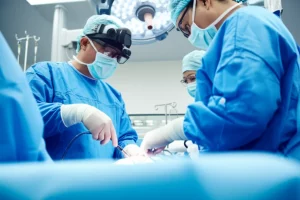
Hey there! Let’s talk about something pretty important in the world of serious surgery, specifically for bladder cancer. You know, when someone needs a radical cystectomy – that’s removing the bladder – it’s a really big deal. It’s a complex operation, and honestly, it comes with a fair chance of complications afterward. We’re talking anywhere from 30% to 65% of patients experiencing some kind of issue, and a chunk of those can be pretty serious. Naturally, doctors and patients are always looking for ways to make this journey smoother and safer.
That’s where the idea of “prehabilitation” comes in. Think of it like training for a marathon, but instead of a race, you’re training for major surgery. It’s all about getting the patient in the best possible shape *before* they go under the knife. This isn’t just a hunch; it’s something that’s already shown great promise in other areas, particularly in colorectal surgery. Patients who do prehab often bounce back faster and have fewer problems.
So, the big question we had was: could this prehabilitation magic work for radical cystectomy patients too? That’s exactly what we set out to explore in a study right here in Alkmaar.
What Exactly is Prehabilitation?
Okay, so prehab isn’t just hitting the gym (though that’s part of it!). It’s a multi-pronged approach. We’re talking about:
- Physical Training: Getting stronger and fitter.
- Nutritional Support: Making sure your body has the right fuel, especially protein, to handle the stress of surgery and recovery.
- Psychological Counseling: Surgery can be tough mentally, so getting support is key.
- Smoking Cessation: If you smoke, quitting is one of the single best things you can do for your recovery.
The goal is to boost your overall health and resilience *before* surgery, giving your body the best fighting chance to recover well. In our study, we adapted a successful prehab model used for colorectal surgery, tailoring it slightly for cystectomy patients (like adding an extra day for a feeding tube placement). The program typically runs for three to four weeks leading up to the operation.
Our Study: Putting Prehab to the Test
We looked at the first fifteen patients who went through this new prehabilitation program before their open radical cystectomy between June 2022 and December 2023. To see how they stacked up, we compared their results to a group of fifteen similar patients treated earlier (between 2017 and 2018) who had the same open surgery but didn’t do the prehab program. These control patients were part of a previous study (the RACE study) which looked at different surgical techniques, but importantly, their care before and after surgery was pretty standard for the time, and they also followed the ERAS (Early Recovery After Surgery) protocol, just like our prehab group did post-op. This made them a decent comparison group, even though it wasn’t a randomized trial (which is always the gold standard, but sometimes you start with what you can).
We wanted to see if prehab was even *doable* for these patients – could they actually complete the program? And then, we looked at the outcomes: how many had complications, how long they stayed in the hospital, and if they needed to be readmitted.
Getting Down to Business: The Program Details
Let’s dive a little deeper into what the prehab patients actually *did*.
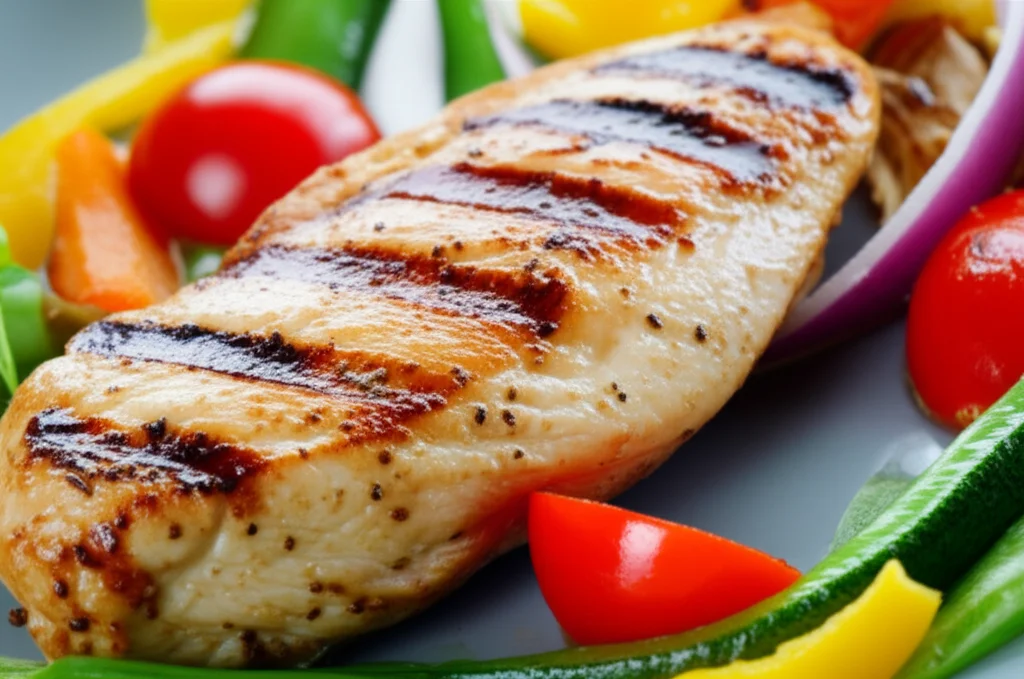
For nutrition, a dietitian worked with each patient, creating a personalized plan based on a food diary. A big focus was hitting at least 1.5 grams of protein per kilogram of body weight daily – crucial for muscle repair and preventing muscle loss.
Physical training involved working with an oncology physiotherapist three times a week, doing strength and interval training. On days without supervised sessions, patients were encouraged to walk or cycle for an hour. Relaxation exercises were also part of the mix. We measured their progress with tests like handgrip strength, sit-to-stand tests, and the 6-minute walk test (6MWT) to see how their fitness improved.
Psychological support started with a chat with a case manager to see if they were at risk for distress, with referrals to social workers or psychologists if needed. For smokers, intensive support and nicotine replacement were offered. Patients over 70 also got a geriatric screening.
The day before surgery, patients were admitted for tube placement (for feeding afterward) and stoma marking by a nurse. The surgery itself was the standard open radical cystectomy, followed by the ERAS protocol for recovery, which gets patients moving and eating as soon as safely possible.
So, What Did We Find? The First Results Are In!
Okay, the exciting part! First off, feasibility? Absolutely! Out of the fifteen patients in the prehabilitation group, a fantastic 80% completed the *full* program. Everyone saw the dietitian and met their protein goals. Twelve out of fifteen did at least nine physio sessions (a couple had adapted programs, and one did it elsewhere, which is still a win in my book!). Both smokers gave quitting a real go before surgery and succeeded until the operation (one unfortunately started again afterward, which shows how tough it is). Four patients used the psychological support. This high completion rate is really encouraging and matches what we see in colorectal prehab studies – it tells us patients are willing and able to do this demanding preparation.

Now, for the outcomes comparison with the control group. The two groups were pretty similar in terms of age, other health issues (comorbidities), and BMI. However, there was one noticeable difference: more patients in the prehab group had received neoadjuvant chemotherapy (NAC) before surgery (8 out of 15) compared to the control group (just 1 patient). This is something to keep in mind, as NAC itself can impact a patient’s condition.
Despite the small numbers and that NAC difference, the initial results are certainly interesting:
- Complications: In the prehab group, 27% of patients had complications. In the control group, a much higher 60% did. While the *number* of high-grade complications (the really serious ones) was similar (3 in prehab, 2 in control), the *overall* rate was significantly lower in the prehab group. This mirrors findings in colorectal surgery prehab studies.
- Hospital Stay: The average hospital stay was slightly shorter for the prehab group (14 days) compared to the control group (15 days). Again, this hints that getting prepared might help you get home sooner.
- Readmissions: Only one patient in the prehab group needed to be readmitted within 30 days of discharge, compared to five patients in the control group. That’s a pretty significant difference!

What Does It All Mean?
These are early days, for sure, but the findings are really positive! The study strongly suggests that prehabilitation for radical cystectomy patients is not just a nice idea, but something that’s genuinely *feasible*. Patients can and do complete the program.
The lower complication rates and slightly shorter hospital stays in the prehab group are super encouraging. They align with what we’ve learned from prehab in other major surgeries and suggest that getting patients fitter and stronger *before* surgery can indeed lead to a smoother recovery.
The fact that more prehab patients had received NAC is interesting. It suggests that prehab can be successfully layered on top of intensive treatments like chemotherapy without negatively impacting the patient’s ability to prepare or their post-operative outcomes.
The Caveats (Because Science!)
Now, let’s be real. This is a small, single-center study. The comparison group was from the past and not randomly assigned. This means we have to be a bit cautious about drawing super firm conclusions. The difference in NAC use between the groups is a potential confounding factor – maybe the patients who got NAC were already somehow different, or maybe the combination of NAC and prehab is particularly powerful. We can’t say for sure from this study alone. Also, since this was an early implementation, there might have been some variation in how strictly patients followed the program.
However, there are also strong points! All the open surgeries in both groups were done by the same two surgeons, which reduces variability from surgical skill. The program was based on proven methods and applied within a real clinical setting using standard protocols like ERAS. The data collection was thorough.
Looking Ahead
So, where do we go from here? This study is a fantastic first step. It confirms that prehabilitation is feasible for this patient group and provides compelling early evidence of potential benefits. But we absolutely need more research! Larger studies, ideally randomized controlled trials, are necessary to confirm these findings on a broader scale and really nail down the impact of prehabilitation on complications, recovery time, and quality of life for radical cystectomy patients. We know there are bigger studies, like the ongoing Enhance study, already looking into this, and we’re excited to see their results!
In a nutshell? Prehabilitation for radical cystectomy looks very promising and totally doable. It could be a real game-changer in helping patients navigate this challenging surgery and get back on their feet faster.
Source: Springer