
Eating Your Way to a Healthier Heart, Sooner: The Portfolio Diet Scoop for Young Adults
Hey there! Let’s chat about something super important for our future selves: keeping our hearts happy and healthy, starting *now*. You know, cardiovascular disease (CVD) isn’t just something that happens way down the road; the groundwork can be laid surprisingly early. And a big player in that is our old friend, LDL cholesterol – often called the “bad” kind. The longer that stuff hangs around at high levels, the more risk we accumulate over our lifetime.
So, what’s a young, busy person to do? Turns out, our plates might hold a powerful secret weapon. We dove into some interesting research to see how a specific way of eating, called the Portfolio Diet, stacks up for young adults like us, from all sorts of backgrounds.
What’s This “Portfolio Diet” Thing?
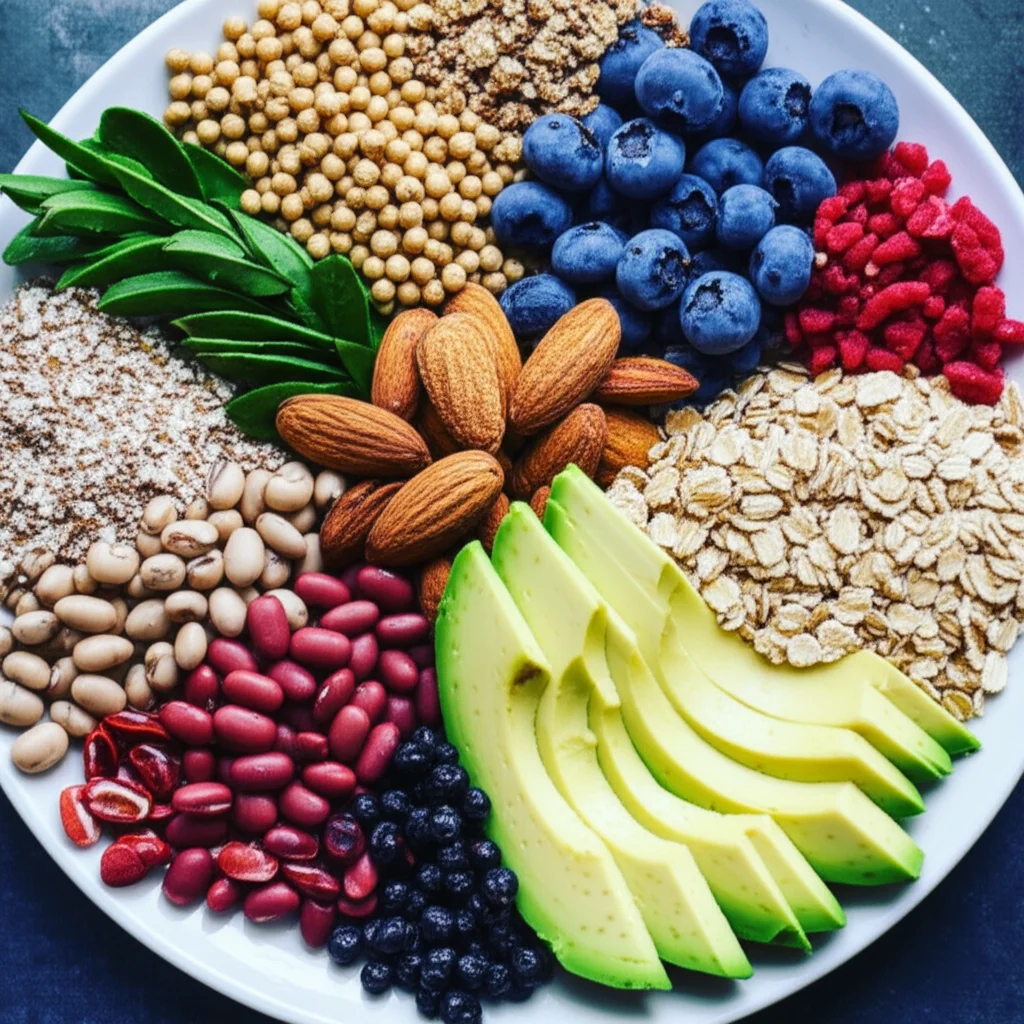
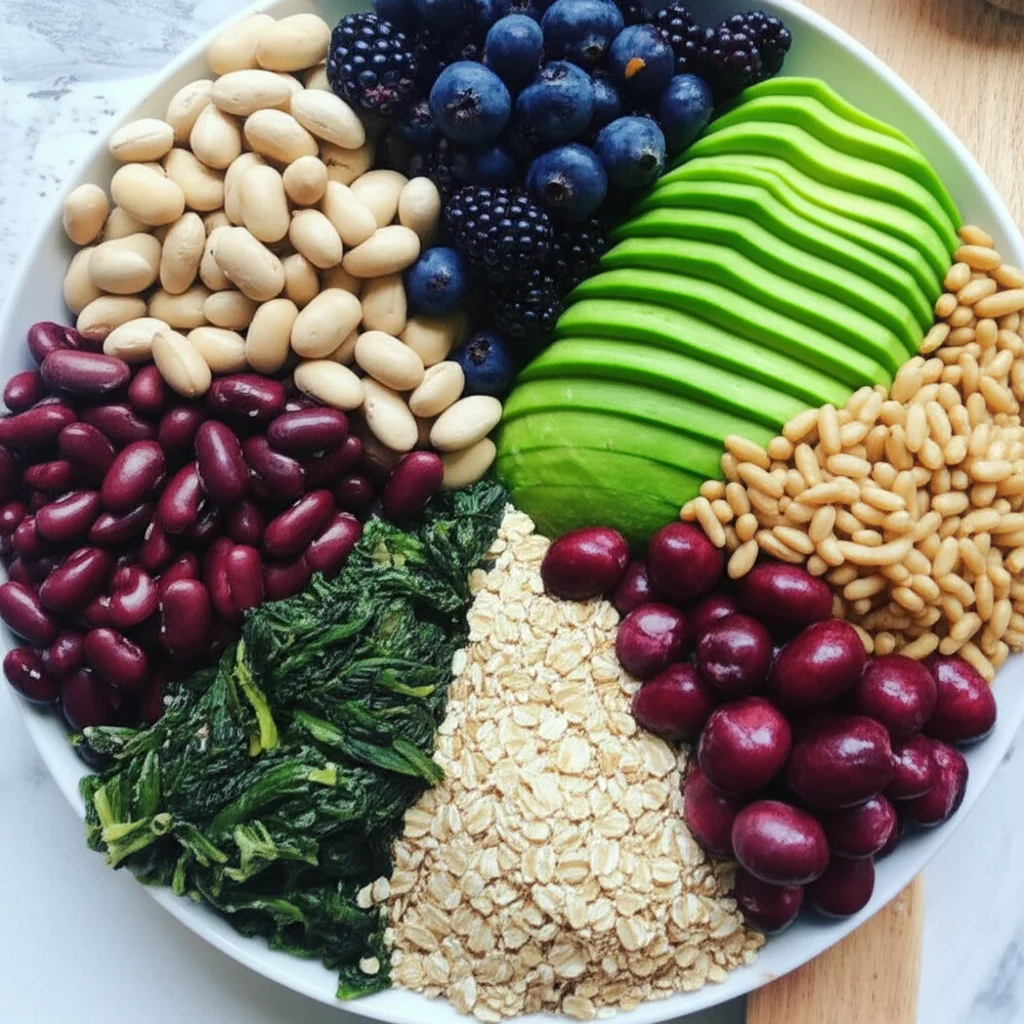
Okay, so the Portfolio Diet isn’t some fad. It’s a plant-based eating pattern specifically designed to lower cholesterol. Think of it as investing in your health portfolio with specific food “assets.” It’s built around five key pillars:
- Plant protein: Stuff like soy and beans.
- Viscous fibre: Found in oats, barley, and certain fruits.
- Nuts: Pretty self-explanatory, right?
- Phytosterols: These are natural compounds found in plants that help block cholesterol absorption.
- Monounsaturated fatty acids (MUFAs): Hello, olive oil and avocados!
All this is layered on top of a base diet that’s low in saturated fat and cholesterol. Basically, it’s packing your diet with foods known to give cholesterol the boot. Studies have shown it can seriously lower LDL-C, sometimes even like medication does! But most of those studies were on older folks, and often not super diverse groups. That’s where *our* study comes in.
Our Deep Dive: Young, Diverse, and What We Found
We looked at data from over 1,500 young adults (around 23 years old on average) right here in Toronto, representing a cool mix of ethnicities – Caucasian, East Asian, South Asian, and others. We used a detailed food questionnaire to figure out how well everyone was sticking to the Portfolio Diet principles, giving them a “Portfolio Diet Score” (PDS). Then, we checked out their LDL-C levels and other heart health markers like blood pressure and body measurements.
And guess what we found? It was pretty exciting!
The Good News on Cholesterol and More
Our analysis showed that the more closely participants followed the Portfolio Diet (meaning a higher PDS), the lower their LDL-C levels were. This wasn’t just a tiny nudge; for every point higher on the PDS, we saw a small but significant drop in LDL-C. When we looked at groups based on how well they adhered, those sticking to the diet the most had noticeably lower LDL-C compared to those sticking to it the least.
But it wasn’t just LDL-C! Higher adherence was also linked to better numbers for:
- Non-HDL-C and Total Cholesterol: Other important cholesterol markers.
- Blood Pressure: Both systolic and diastolic numbers were lower.
- Triglycerides: While not super strong per point, the trend was clear – lower with higher adherence groups.
We also saw associations with body composition. A higher PDS was linked to lower:
- BMI
- Waist Circumference
- Body Weight
- Fat Mass Index (FMI)
So, it seems like this way of eating is doing more than just tackling “bad” cholesterol; it’s potentially helping with a whole bunch of factors that contribute to heart risk down the line. Interestingly, we didn’t see a strong link with HDL-C (the “good” cholesterol), CRP (an inflammation marker), or fasting glucose overall, though there were some cool nuances when we looked closer at different groups.
Peeking into the Future: Delaying Risk
This is where it gets really interesting. Since we know that the *total* amount of LDL-C exposure over your lifetime matters for heart disease risk, we did some modeling. We estimated how sticking to the Portfolio Diet in young adulthood might affect the age when your risk of heart attack starts to climb significantly.
Our models suggested that compared to low adherence, hitting about 50% of the recommended Portfolio Diet goals could potentially delay the onset of rising cardiovascular risk by an estimated 6 years! And if someone managed to hit 100% adherence? That delay could jump to a whopping 13 years. Think about that – making these dietary choices now could mean a significantly longer “heart-healthy lifespan.”
Now, these are models based on our cross-sectional data, so we need future studies to confirm this long-term picture. But it paints a pretty compelling picture of the power of early action.
Comparing Notes and Noticing Nuances
Our findings largely line up with previous research on the Portfolio Diet, which has shown big drops in LDL-C and improvements in other risk factors in older adults. It’s reassuring to see similar benefits appearing in a younger, more diverse group. We also saw some interesting differences when we looked at subgroups. For example, the link between the Portfolio Diet and lower total cholesterol seemed stronger in men, and the association with lower fasting glucose was more noticeable in East Asian and South Asian participants. These little details are important because they remind us that diet can affect people differently, and maybe we need more tailored advice for different groups.
We also noticed that overall adherence to the Portfolio Diet in our study population wasn’t super high, even in the group that adhered the most. This suggests that even *partial* adoption of these eating principles might offer benefits, which is great news! You don’t have to be perfect to make a difference.
Why This Matters for Us, Right Now
Okay, so why should you care about a study on young adults and a plant-based diet? Because it speaks directly to the power of *primordial* and *primary* prevention. That’s fancy talk for preventing risk factors from even developing, or managing them early before they cause problems. Young adulthood is a time of big life changes – moving out, starting careers, maybe changing habits. These transitions can sometimes make healthy eating harder.
But this study suggests that making even small shifts towards the Portfolio Diet could be a smart move for our long-term heart health. Plus, let’s be real, many young adults are also thinking about the planet. The Portfolio Diet, being plant-based, is generally pretty good for the environment too! It’s a win-win.
We know there are potential cultural barriers to adopting new diets, especially if traditional eating patterns are very different. The study noted that Caucasian participants were more likely to have higher adherence, and traditional East and South Asian diets can be higher in saturated fat or refined carbs than the Portfolio Diet recommends. This highlights the need for culturally sensitive ways to introduce and adapt these healthy eating principles so everyone can benefit.
A Little Bit of Reality (Study Limitations)
Like any study, ours has a few things to keep in mind. It was a snapshot in time (cross-sectional), so we can see associations, but we can’t definitively say the diet *caused* the lower risk factors. We relied on people remembering what they ate (food frequency questionnaires), which isn’t always perfect. And our modeling makes some assumptions about how LDL-C levels might stay over time. Future studies that follow young people over many years will give us an even clearer picture.
Wrapping It Up
So, the takeaway? Our study in a diverse group of young adults suggests that following the Portfolio Diet is linked to lower levels of “bad” cholesterol (LDL-C) and improvements in several other heart health markers like blood pressure and body weight. While the individual effects might seem small in this already relatively healthy group, the potential for these benefits to add up over a lifetime is huge. Making these dietary changes early could potentially push back the age when cardiovascular risk becomes a major concern. It’s a powerful reminder that investing in your diet today is an investment in your heart’s future.

Source: Springer


