Your Blood Could Reveal the Secret to Early Colorectal Cancer Detection
Hey there! Let’s chat about something super important: colorectal cancer, or CRC. Now, I’ve been diving into some fascinating research, and honestly, it feels like we’re on the cusp of something really promising when it comes to catching this disease earlier. You see, CRC is a big deal globally – it’s the second or third most common cancer depending on who you’re talking about, and tragically, it’s the second leading cause of cancer death worldwide.
Why Catching CRC Early is a Game Changer
The tricky thing about CRC is that it’s often diagnosed when it’s already quite advanced. Current screening methods have their limits, and by the time symptoms show up, things can be pretty serious. We know that CRC doesn’t just pop up overnight; it’s a process where normal cells gradually transform into cancer cells. This transformation involves a mix of genetic changes (alterations in the DNA sequence) and epigenetic changes.
The Epigenetic Angle: More Than Just DNA
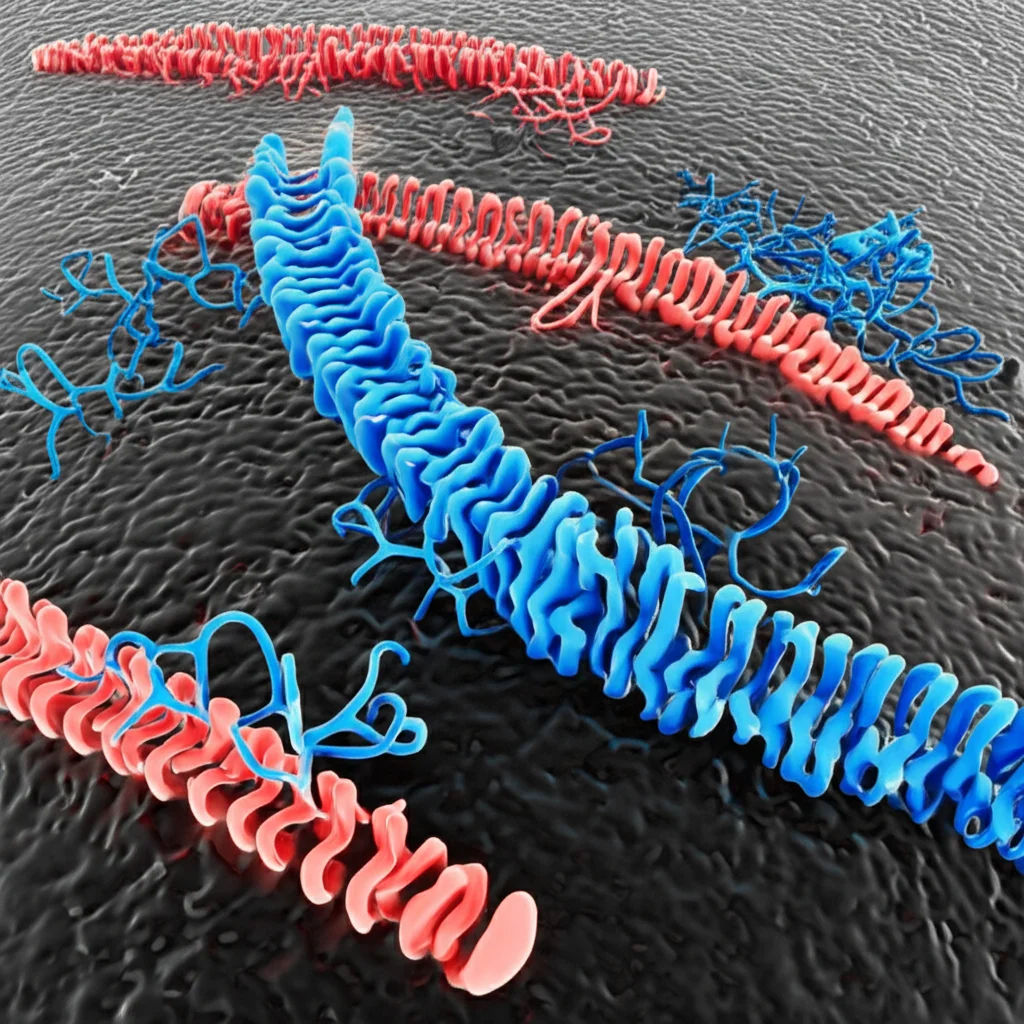
Now, epigenetic changes are super interesting. Think of them as modifications *on* the DNA or its associated proteins that affect how genes are read, without changing the underlying DNA sequence itself. One major player in this is DNA methylation, specifically when methyl groups get added to CpG islands, which are often found near gene promoters (the ‘on/off’ switches for genes). When a promoter gets methylated, it usually silences the gene, turning it off or way down. This silencing can happen early in cancer development.
Meet miR-139-5p: A Potential Tumor Suppressor
This brings me to a key player in the research I’ve been looking at: a tiny molecule called microRNA-139-5p, or miR-139-5p for short. MicroRNAs are like tiny conductors in our cells, regulating the expression of many genes. When they go rogue, it can mess up the whole system. MiR-139-5p is thought to be a ‘tumor suppressor’ miRNA, meaning it helps keep cell growth in check. It’s been found to be *down-regulated* (its activity is reduced) in several cancers, including CRC. It even seems to have anti-metastatic properties, which is huge because most cancer deaths are from the cancer spreading, not the primary tumor itself.
MiR-139-5p has a specific target gene it helps control: RAP-1b. This protein is part of the Ras family, involved in cell growth and other processes. Previous studies hinted that miR-139-5p directly targets and suppresses RAP-1b. If miR-139-5p is down, you’d expect RAP-1b levels to go up, potentially promoting cancer cell growth.
Our Investigation: Looking for Clues in Tissue and Plasma
So, the researchers in this study, whom I’m mentally joining forces with to tell this story, wanted to dig deeper. Their main goal was to evaluate:
- The methylation status of the miR-139-5p promoter region.
- The expression level of miR-139-5p itself.
- The concentration of its target protein, RAP-1b.
They looked at these factors in samples from CRC patients and healthy individuals. Crucially, they didn’t just look at tumor tissue and adjacent healthy tissue (which is standard), but also at *plasma* samples. Why plasma? Because a blood test is far less invasive than a tissue biopsy, making it ideal for screening and early diagnosis.
They gathered samples from 80 CRC patients and 80 healthy controls, including both tissue pairs (tumor and adjacent healthy) and plasma samples from the same individuals. They used some pretty sophisticated lab techniques:
- MethyLight: To measure the amount of methylation in the miR-139-5p promoter region.
- qPCR: To measure the expression level (how much is being made) of miR-139-5p.
- ELISA: To measure the concentration of the RAP-1b protein.
They carefully designed probes and primers to specifically detect methylated DNA after a process called bisulfite modification, which is key to telling methylated DNA apart from unmethylated DNA. They calculated something called the Percentage of Methylated Reference (PMR) to quantify the methylation level.
The Big Reveal: What We Found
Okay, so what did they find? The results were pretty striking and, frankly, exciting!
First off, they confirmed that the methylation level of the miR-139-5p promoter region was significantly *higher* in CRC patients compared to healthy individuals, both in tissue samples and, importantly, in plasma samples.
* In tissue: Median PMR was 0.78 in tumors vs. 0.1 in normal tissue (a huge difference!).
* In plasma: Median PMR was 12.4 in CRC patients vs. 0.66 in controls (again, a massive difference!).
This hyper-methylation in CRC patients strongly suggests that the miR-139-5p gene is being silenced through this epigenetic mechanism.

And guess what? When they looked at the expression level of miR-139-5p itself, it was significantly *lower* in both tumor tissue and plasma of CRC patients compared to healthy controls. This makes perfect sense – if the gene’s promoter is methylated and silenced, you’d expect less of the microRNA to be produced. In fact, they saw about a 5.7-fold lower expression in tissue and 4.69-fold lower expression in plasma from patients.
Then they checked the target protein, RAP-1b. As expected, the concentration of RAP-1b protein was significantly *higher* in the clinical samples from CRC patients compared to healthy participants. This supports the idea that the reduced miR-139-5p expression due to methylation is leading to less suppression of RAP-1b, potentially contributing to cancer progression.
So, putting it all together, it seems that hyper-methylation of the miR-139-5p promoter region is a key epigenetic event in CRC, leading to decreased miR-139-5p expression, which in turn allows levels of the pro-growth protein RAP-1b to rise. This chain of events likely plays a role in how CRC develops and progresses, possibly through pathways like the MAPK signaling cascade.
Plasma Power: A New Diagnostic Hope?
Now, for the really exciting part: the diagnostic potential, especially in plasma. The researchers evaluated how well these different markers could distinguish CRC patients from healthy individuals using ROC curve analysis (Receiver Operating Characteristics). This gives us measures like sensitivity (how well it detects true positives – patients with CRC) and specificity (how well it detects true negatives – healthy individuals). An AUC (Area Under the Curve) value tells us the overall accuracy, with 0.8 being good and 0.9 being excellent.
Look at these numbers for plasma samples:
- miR-139-5p expression: AUC = 0.767 (Good), Sensitivity = 70%, Specificity = 65%
- RAP-1b protein: AUC = 0.718 (Okay), Sensitivity = 73.3%, Specificity = 73.3%
- miR-139-5p promoter methylation (PMR): AUC = 0.958 (Excellent!), Sensitivity = 75%, Specificity = 92.5%
Wow! That miR-139-5p methylation marker in plasma really stands out. An AUC of 0.958 is fantastic! It means this marker was able to correctly identify 75% of the CRC patients and correctly identify 92.5% of the healthy individuals in this study.
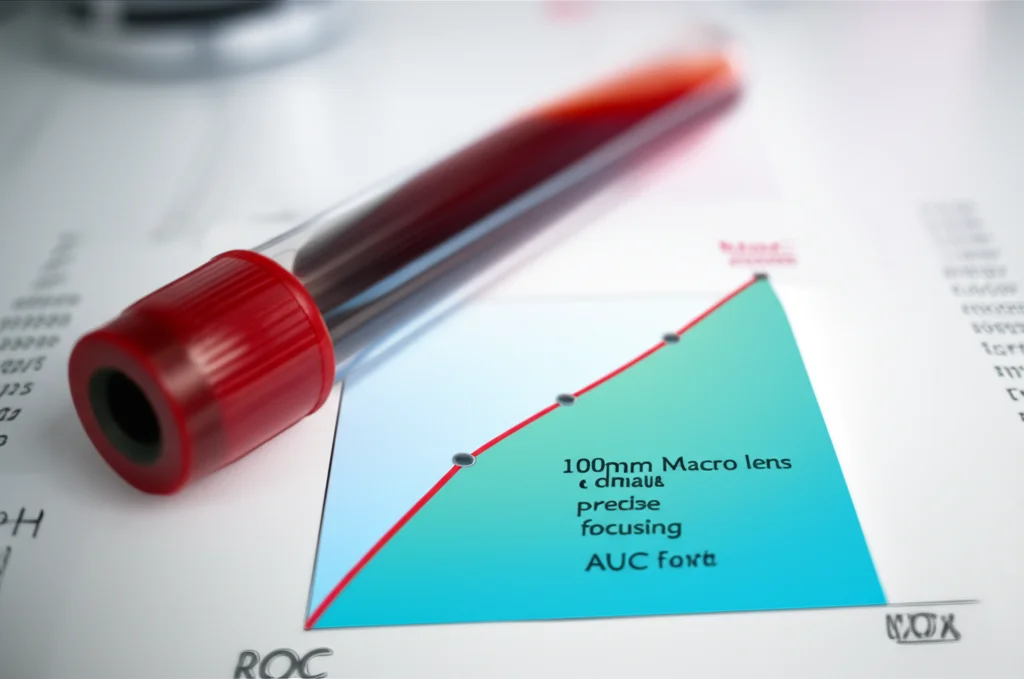
To put this into perspective, they also compared it to traditional markers like CEA (carcinoembryonic antigen) and FOBT (Fecal Occult Blood Test), based on previous work. CEA in plasma had an AUC of 0.708 with lower sensitivity (46.8%) though high specificity (98%). FOBT also has limitations, particularly in sensitivity for early stages. The miR-139-5p methylation marker in plasma showed superior sensitivity and overall diagnostic value compared to these established methods *in this study*.
This is huge because methylation changes can happen very early in tumor formation. Finding a highly accurate methylation marker like this in an easily accessible sample like plasma opens up exciting possibilities for less invasive, earlier detection of CRC.
Looking Ahead: More Research Needed
Now, it’s important to remember that while these results are incredibly promising, this was a specific study. The researchers themselves point out that they couldn’t find statistically significant associations between the levels of these markers (methylation, expression, protein) and clinicopathological features like tumor stage or grade in this particular study. They suggest this might be due to the sample size distribution across different subgroups and recommend larger studies specifically designed to look at these correlations.

They also highlight the need for further validation with larger, prospective studies to confirm the diagnostic capability of the miR-139-5p promoter methylation marker in plasma. Science is a process, and while this study provides strong evidence, it’s the first step in potentially bringing this marker into clinical use.
Beyond diagnosis, understanding the role of miR-139-5p and its silencing in CRC pathogenesis also opens doors for potential therapeutic strategies. Reactivating tumor suppressor miRNAs or targeting the pathways they regulate (like MAPK via RAP-1b) could become part of future treatments.
Wrapping Up
So, what’s the takeaway? This research gives us compelling evidence that hyper-methylation of the miR-139-5p gene promoter is a significant event in colorectal cancer, leading to reduced miR-139-5p and increased RAP-1b. More importantly, measuring this specific methylation change in a simple plasma sample shows remarkable accuracy in identifying CRC patients in this study, outperforming some current diagnostic approaches. It’s a powerful reminder that the secrets to better health outcomes might just be hidden in plain sight, waiting for dedicated researchers to uncover them, perhaps even in a tiny tube of your blood.
Source: Springer