

Your Heartbeat, Their Art: How Museum Tech Might Boost Your Visit (and Your Memory!)
Okay, so I was reading this fascinating study the other day, and it totally blew my mind a little. You know how sometimes you visit a museum, and it’s cool, but maybe it doesn’t *quite* stick with you? Or you wonder how they could make it feel more… *alive*?
Well, turns out, technology might have a surprisingly simple answer. We’re talking about those wearable gadgets, like heart rate monitors, but used in a museum setting. The big question is: do they freak people out, like they’re being watched, or do they actually make the experience better? This study I read dives right into that, and the results are pretty neat.
So, What Did They Do?
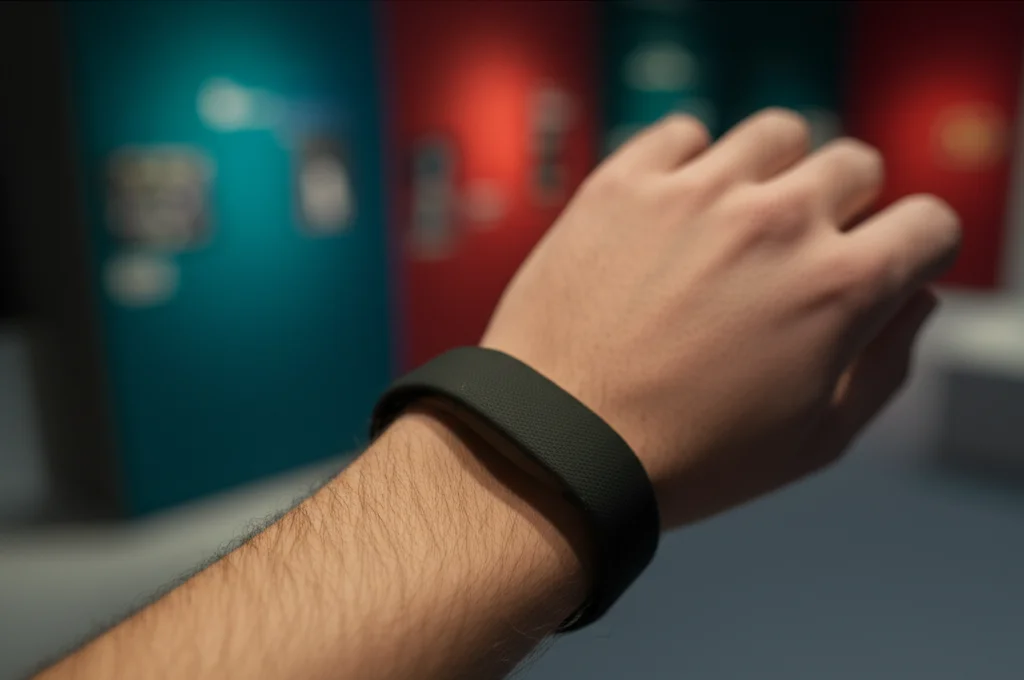
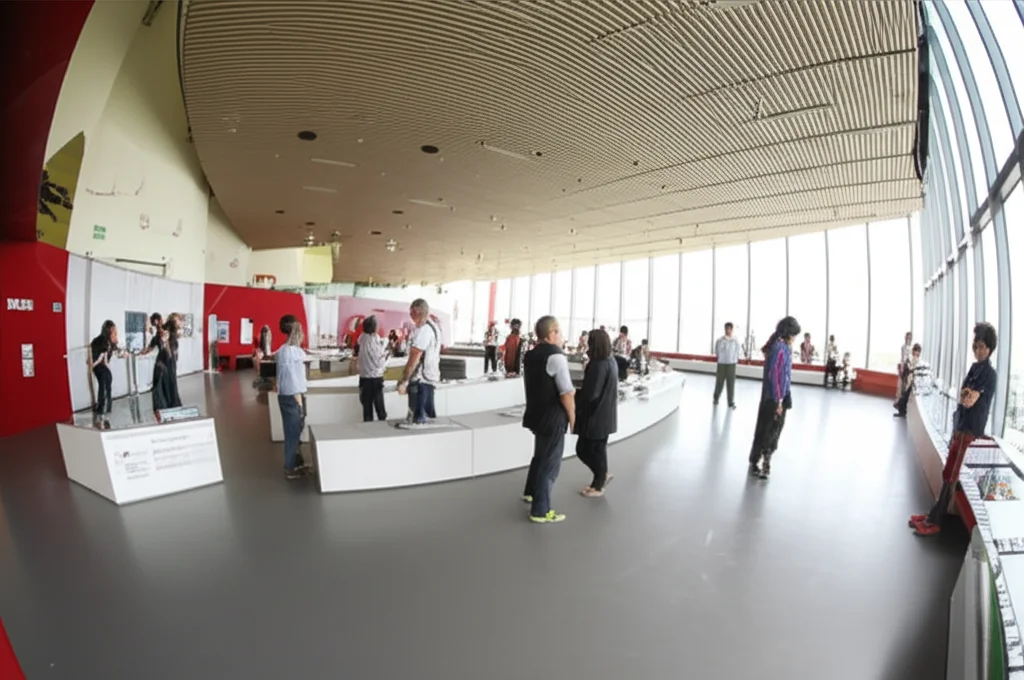
Imagine this: you walk into a temporary art exhibition. Pretty standard, right? But for some visitors in this study, they were asked to wear a simple wristband that supposedly measured their heart rate. Others didn’t wear one. The idea was to see if just *wearing* the device, and knowing it was tracking something physiological, would change how they felt and what they remembered.
Here’s the clever twist: everyone, wristband or not, got some feedback after their visit about one specific room. The folks with the wristband were told something like, “Hey, in *this* room (pointing to one on a map), your heart rate was slower, meaning you felt really calm.” The others were told, “In *this* room, other visitors generally reported feeling calm.” Get it? The feedback was fake, and for the wristband group, it was framed as *personal* physiological data, while for the control group, it was *general* visitor info.
They measured two main things:
- Emotions: How did visitors feel during the exhibition? They filled out a questionnaire about aesthetic emotions (like feeling beauty, fascination, relaxation, or boredom).
- Memory: How much did they remember of the art? They did a recognition test right after the visit and then again about a week later.
They wanted to know: Does wearing the wristband affect emotions? Does it affect memory? And does that fake feedback about a specific room make a difference to remembering the art in *that* room?
The Big Reveals
Okay, drumroll please! The findings are genuinely encouraging for museums looking to spice things up.
First off, the wristband wearers reported experiencing more pleasant emotions during their visit. We’re talking higher scores for feeling beauty and relaxation. How cool is that? Just the act of wearing the device, and maybe being prompted to think about their internal state, seemed to make the art feel more beautiful and the experience more calming.
But here’s where it gets even better: those who wore the wristband also had better memory of the artworks! They were better at recognizing which pieces they’d seen in the exhibition, and this wasn’t just immediately after the visit. This improved memory stuck around even when they were tested six days (or more) later. So, the wristband didn’t just make them feel good in the moment; it helped the experience stick in their brains long-term.
And what about that fake feedback? Turns out, being told that a specific room was special (either because *your* heart rate was calm there, or because *other people* felt calm there) also boosted memory for the art in that particular room. The type of feedback didn’t seem to matter – personal fake data or general fake data, both helped visitors remember the art in the highlighted room better than the art in a comparable room that wasn’t mentioned.

Why Does This Work?
This is the really interesting part. The study suggests it might not be about the *accuracy* of the physiological data at all! Remember, the feedback was fake. The wristbands were just commercial devices, not laboratory-grade equipment in a controlled setting. Yet, the effects were real.
One leading theory is that wearing the device, and knowing you’re being “monitored” for physiological responses linked to emotions, makes you more self-aware. You start paying more attention to how the art makes you *feel*. This increased self-directed attention could amplify your emotional response, making pleasant emotions more salient or intense. And since emotional experiences are generally remembered better than neutral ones, this heightened emotional awareness leads to stronger memory traces of the artworks.
Think about it: if you’re just wandering through a museum, you might glance at a piece, think “nice,” and move on. But if you’re wearing a device that’s supposedly tracking your reaction, you might linger a bit longer, consciously or unconsciously trying to connect with the art and notice how it affects you. This deeper engagement, fueled by increased emotional awareness, could be the key.
Another possibility is simply the novelty of the device. Maybe wearing something new and unusual in a museum setting is exciting in itself, leading to a more positive experience and better memory. Or perhaps just being *told* that physiological measurements are happening is enough to trigger this self-awareness, even without wearing a device.
The study authors acknowledge these different possibilities and suggest future research is needed to figure out the exact mechanism. But regardless of the *why*, the *what* is clear: these devices, or at least the *idea* of them, can enhance the museum visit.
What This Means for Your Next Museum Trip
For museum curators, this is fantastic news! It suggests that incorporating simple, non-intrusive technology like heart rate wristbands could be a relatively affordable way to make exhibitions more engaging and memorable. They don’t need to invest in complex, hyper-accurate systems right away. Just the presence of the device, and perhaps some form of feedback (even if simplified or generalized), seems to do the trick.
It shifts the focus from needing perfect biometric data to understanding how the *perception* of being monitored influences visitor experience. It’s less about tracking your exact physiological state and more about using the tech as a prompt for introspection and deeper engagement with the art.
Of course, there are always limitations in any study. The sample size wasn’t huge, and it was in a specific temporary exhibition. Some participants didn’t complete the follow-up. But the core findings are robust: wearing the wristband led to more pleasant emotions and better overall memory, and receiving feedback about a room boosted memory for that room.
So, next time you’re in a museum and see some tech being offered, maybe give it a try! It might just make the art stick with you a little longer and make the whole experience feel a bit more beautiful and relaxing. It seems our bodies and brains are more interconnected in our appreciation of art than we might have thought, and a little tech nudge can help us tap into that.
Source: Springer


