Unpacking Mercury in Zambia’s Mining Hub: What’s the Fishy Story?
Hey there! Let me tell you about something pretty important I came across – a study diving deep into mercury contamination in a place called Kitwe, Zambia. Now, Kitwe is a big deal in the mining world, especially for copper. And where there’s mining, sometimes there are environmental issues. This particular study got me thinking about how heavy metals, specifically mercury (Hg), hang around and potentially affect folks, especially through something as common as eating fish.
Mercury: The Pesky Metal That Sticks Around
So, mercury, or Hg as the science folks call it, is a heavy metal that’s just… persistent. It doesn’t break down easily in the environment. Think of it like that one guest who just won’t leave your party, but way more serious. It can show up in different forms, but the real troublemaker is methyl mercury. This is the organic form, usually created in places like riverbeds and lake bottoms (sediments), and it’s the one that gets into living things and moves up the food chain.
Why is this a big deal? Well, mercury is a neurotoxicant. That’s a fancy word for something that messes with your brain and nervous system. We’re talking potential issues like brain damage, memory loss, and even kidney and liver problems. Remember the infamous Minamata disease? That was caused by severe mercury poisoning from contaminated seafood. While that was an extreme case, it highlights the potential risks.
Mining’s Role in the Mercury Mix
Now, where does all this mercury come from? While some is natural, a big chunk comes from human activities, especially mining. Things like gold mining, particularly the small-scale artisanal kind, use mercury directly to pull gold out of ore. And guess what? Almost all of that mercury often ends up in the environment. Yikes!
But it’s not just gold. Mining and smelting other metals like copper, zinc, cobalt, and lead can also release mercury. Kitwe, being a long-standing copper mining area, has seen its share of industrial activity since way back in the 1920s. Studies have shown elevated levels of heavy metals, including mercury, around smelters and waste dumps in Zambia’s Copperbelt Province. Effluents from these operations often flow into nearby streams and rivers.
Despite all this activity and evidence of pollution, the researchers noted that studies specifically looking at mercury in the rivers and fish around Kitwe were a bit thin on the ground. That’s where this study comes in. They wanted to see just how much mercury was hanging out in the soil, the squishy stuff at the bottom of the water (sediment), and a popular local fish, the tilapia (Oreochromis niloticus). They also wanted to figure out if eating that fish posed a health risk to the people living there.
Digging into the Dirt and Sediment
To get the lowdown, the researchers collected samples from Kitwe’s mining areas and compared them to samples from a non-mining area far away. They grabbed soil, sediment, and tilapia fish.
What did they find? Well, it wasn’t exactly a shocker. The levels of total mercury in the soil and sediment from the mining areas were significantly higher than in the non-mining areas. We’re talking a big difference! In fact, the mercury levels in the mining area soil and sediment were higher than the reference values set by the United States Environmental Protection Agency (USEPA).

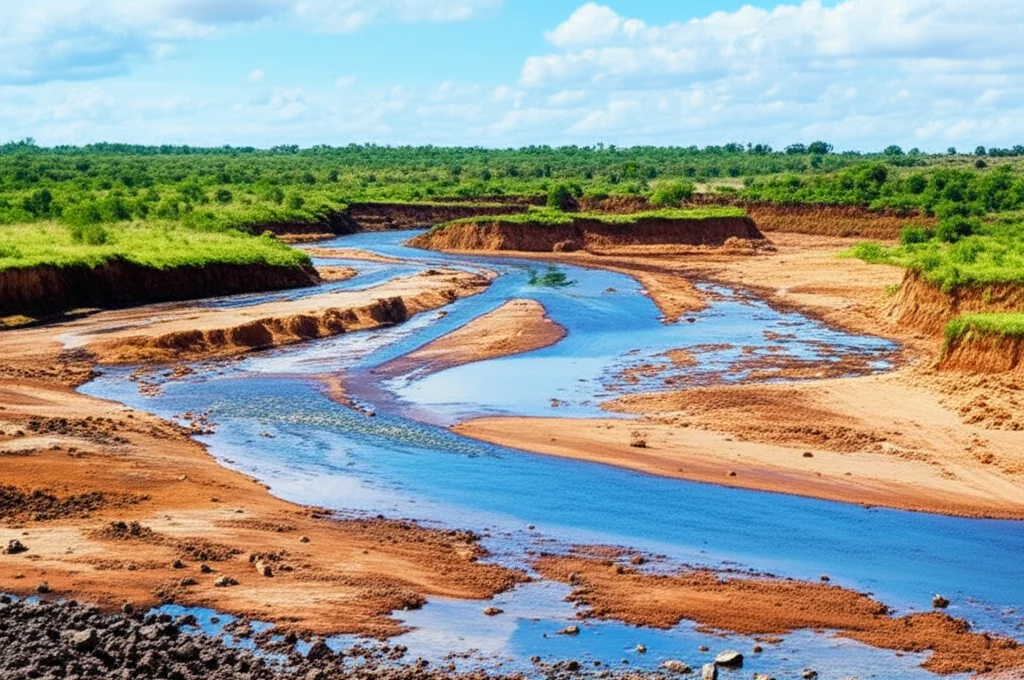
The sediment samples, in particular, seemed to be acting like a sink for mercury. The levels there were even higher than in the soil in the mining area. This makes sense because sediments are where many pollutants end up settling. Interestingly, they also found higher mercury concentrations in the sediments closer to the mining source (upper stream) compared to further downstream. This is likely because the pollution source is nearby, and factors like lower pH in mine drainage can make mercury more soluble and bind to particles that settle in the sediment. Further downstream, the water volume increases, potentially diluting the concentration.
The Fishy Findings: Tilapia on the Menu
Now, onto the fish! They specifically looked at tilapia because it’s a widely consumed fish in Zambia and, being a plant and sediment eater, it can accumulate heavy metals. They found that tilapia from the mining area did have higher average mercury concentrations than those from the non-mining area, and this difference was statistically significant.
However, and this is a key point, the mercury levels in the tilapia they tested were *below* the recommended limits for fish consumption set by organizations like the USEPA and the World Health Organization/Food and Agriculture Organization (WHO/FAO). Phew, right?
They also checked if the size of the fish (length and weight) correlated with how much mercury it had accumulated. While there was a weak positive trend (bigger fish *might* have slightly more mercury), it wasn’t statistically significant in this study.
Assessing the Health Risk: Eating That Fish
So, if the fish have mercury, even if it’s below the limits, what does that mean for the people eating it? The researchers calculated something called the Estimated Daily Intake (EDI) and the Target Hazard Quotient (THQ).
The EDI is basically an estimate of how much mercury someone might consume per day by eating fish, based on average consumption rates. The THQ compares this estimated intake to a reference dose – a level considered unlikely to cause adverse health effects over a lifetime. A THQ less than 1 generally suggests that the exposure level is unlikely to cause significant health risks.
Good news! For both adults and children in this study, the EDIs from eating tilapia from the mining area were below the maximum tolerable daily intakes recommended by USEPA and WHO/FAO. And the THQs were also less than 1. This suggests that, based on the levels found in *these specific tilapia samples*, the risk of adverse health effects from consuming this fish regularly is likely low over a lifetime.

But Wait, There’s a Catch…
Now, before you breathe a complete sigh of relief, the researchers added some important caveats. Why were the mercury levels in the fish relatively low compared to the high levels in the sediment? They suggest it might be due to the type and size of fish studied.
- Species and Diet: Tilapia is an omnivore, feeding lower down the food chain on things like algae and sediment. Mercury tends to biomagnify, meaning it increases in concentration as you move up the food chain. Predatory fish that eat other fish usually have much higher mercury levels.
- Size and Age: The tilapia sampled were described as medium-sized (12-15 cm). Mercury accumulates over a fish’s lifetime. Larger, older fish, especially predatory ones, tend to have more time to build up higher concentrations. The weak correlation with size in this study might be because the fish weren’t large enough to show significant bioaccumulation yet, or perhaps other factors were more influential in this specific environment.
- Habitat and Overfishing: The study mentions that mining effluents can damage fish habitat and breeding grounds. Overfishing in the streams might also reduce the population and limit the opportunity for fish to grow larger and older.
So, while the immediate risk from the *specific* tilapia tested seems low, the presence of high mercury levels in the sediments is a red flag. Sediments are a source, and mercury can still get into the food chain. The researchers strongly recommend monitoring mercury levels, especially in larger, predatory fish species like the African tigerfish, which are higher up the food chain and more likely to accumulate significant amounts of mercury through biomagnification.

They also point out that sensitive populations, like pregnant women and young children, should still be cautious, even with low THQs. Methyl mercury is particularly harmful to developing nervous systems.
And here’s another thought: the study focused on fish, but people in the area might also eat vegetables grown in contaminated soil or irrigated with contaminated water. Heavy metals can accumulate in plants, too. That’s another potential route of exposure that needs looking into.
Wrapping It Up
What’s the takeaway from all this? It seems clear that mining activities in Kitwe have led to significant mercury contamination in the soil and sediments of nearby water bodies, exceeding international guidelines. However, the immediate health risk from eating the specific size and type of tilapia studied appears to be low, according to the EDI and THQ calculations.
But this isn’t the end of the story. The high levels in the environment, particularly the sediments, mean the potential for mercury to enter the food chain and biomagnify in larger, predatory fish is real. Therefore, ongoing monitoring of mercury in fish, especially those higher up the food chain, is crucial. Further studies are also needed to understand how mercury might be getting into people through other pathways, like contaminated vegetables, and to assess the bioavailability of mercury in the local environment.
This study provides a valuable starting point, a baseline if you will, for understanding mercury exposure in this mining area. It highlights the need for continued vigilance and further research to ensure the long-term health of the residents and the ecosystem. It’s a reminder that even when immediate risks seem manageable, the persistent nature of pollutants like mercury requires ongoing attention and action.
Source: Springer