Unlock Healthier Meat Digestion: The Surprising Power of Your Drink and Salad Pairings
Hey there! Ever finish a delicious steak or some grilled chicken and wonder what *really* goes on inside your body as you digest it? Well, I’ve been digging into some fascinating science, and it turns out that what you drink and what salad you munch alongside your meat can make a *huge* difference in how your body handles it. We’re talking about reducing some potentially not-so-great stuff that happens during digestion.
Think of your digestive system as a kind of complex chemical lab. When meat, especially cooked meat with its fats and proteins, enters this lab, certain reactions can kick off. Two big ones are lipid oxidation (basically, fats going a bit rancid) and glycation (sugars sticking to proteins or fats). These processes can create compounds like malondialdehyde (MDA), glyoxal (GO), and methylglyoxal (MGO). These aren’t exactly your body’s best friends; they’re linked to oxidative stress and the formation of those pesky AGEs (Advanced Glycation End products), which sound exactly like what they are – products that can contribute to aging processes in the body.
Previous studies have hinted that meat digestion can significantly increase these markers, particularly MDA. And while some research looked at adding individual antioxidants, like those from olive oil or herbs, to meat, I was curious about something more realistic: what about pairing meat with *whole foods* we actually eat, like different drinks and salads? That’s exactly what this cool study decided to investigate using an *in vitro* model – basically, simulating digestion in a lab setting.
The Nasty Bits: What Happens During Digestion?
So, why does digestion make things worse? Our stomach environment is like a little bioreactor. It’s got acidity, enzymes, and when you add meat with its fats, iron, and some oxygen, it’s the perfect storm for lipid oxidation. This process breaks down fats and creates things like MDA. On top of that, sugars present can react with proteins and fats, leading to glycation and the formation of GO and MGO. It’s a natural process, but minimizing the harmful byproducts sounds like a good idea, right?
The study confirmed what others found: digesting both beef and chicken significantly ramped up the levels of MDA, GO, and MGO. Interestingly, chicken showed an even higher increase in some markers compared to beef, which the researchers thought might be partly due to chicken having less thiamine, a compound that might help inhibit oxidation.
Bringing in the Good Guys: Beverages
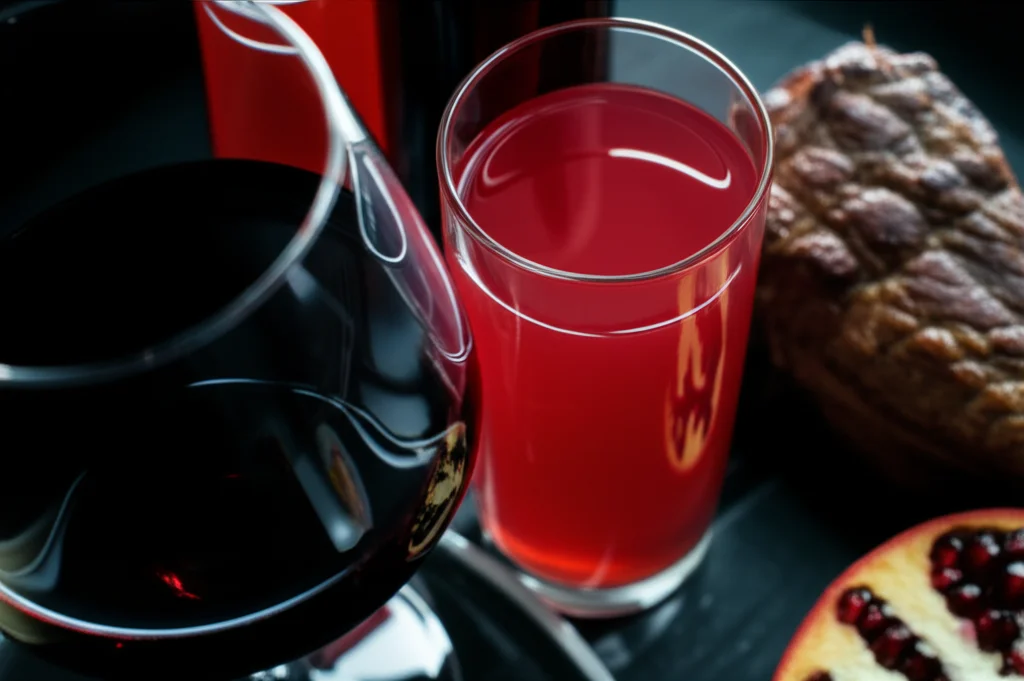
Now, here’s where the drinks come in! The researchers tested a bunch of different beverages alongside the meat digestion: grape juice, red wine, pomegranate juice, ayran (a traditional Turkish yogurt drink), hardaliye (fermented grape drink), shalgam (fermented black carrot juice), and orange juice. The idea was that many of these, especially the fruit-based ones and fermented drinks, are packed with antioxidants.
And guess what? Some of them were total superheroes! When they were co-digested with the meat, several drinks significantly *reduced* the levels of MDA. The top performers for MDA reduction in both beef and chicken were:
- Shalgam (up to 77% reduction!)
- Pomegranate juice (also very effective)
- Red wine
- Hardaliye
- Ayran
That’s pretty impressive! It suggests that the antioxidants in these drinks, like the phenolic compounds in wine and pomegranate, or the dairy proteins in ayran, are getting to work right there in the digestive “bioreactor,” fighting off that lipid oxidation.
But here’s a twist: not all drinks were helpful, and some had mixed effects on other markers. While grape juice has antioxidants, it actually *increased* MDA in beef digestion. And orange juice? It significantly *increased* MDA in chicken digestion (by a whopping 80%!). The researchers suspect that in the case of grape juice and beef, the iron in beef might react with compounds in the grape juice in a way that *promotes* oxidation.
When it came to GO and MGO, things got even more complicated. Red wine, pomegranate juice, and hardaliye, which were great at reducing MDA, actually *increased* GO and MGO levels in some cases. Orange juice caused a massive spike in MGO, likely due to its sugar (fructose) and ascorbic acid content. Shalgam, the MDA champion, was also the most effective at *reducing* MGO, possibly because it has less sugar after fermentation. Ayran reduced MDA but increased MGO, especially with chicken. It seems the sugar content and specific compounds in the drinks play different roles in forming these glycation-related products.
Salad Power: Veggies to the Rescue
Okay, so drinks have varied effects. What about salads? The study looked at three types: Mediterranean, red cabbage, and coban salad (a Turkish shepherd’s salad, typically tomato, cucumber, onion, pepper). Salads are generally seen as healthy, packed with vitamins and antioxidants, but how do they perform *during* meat digestion?
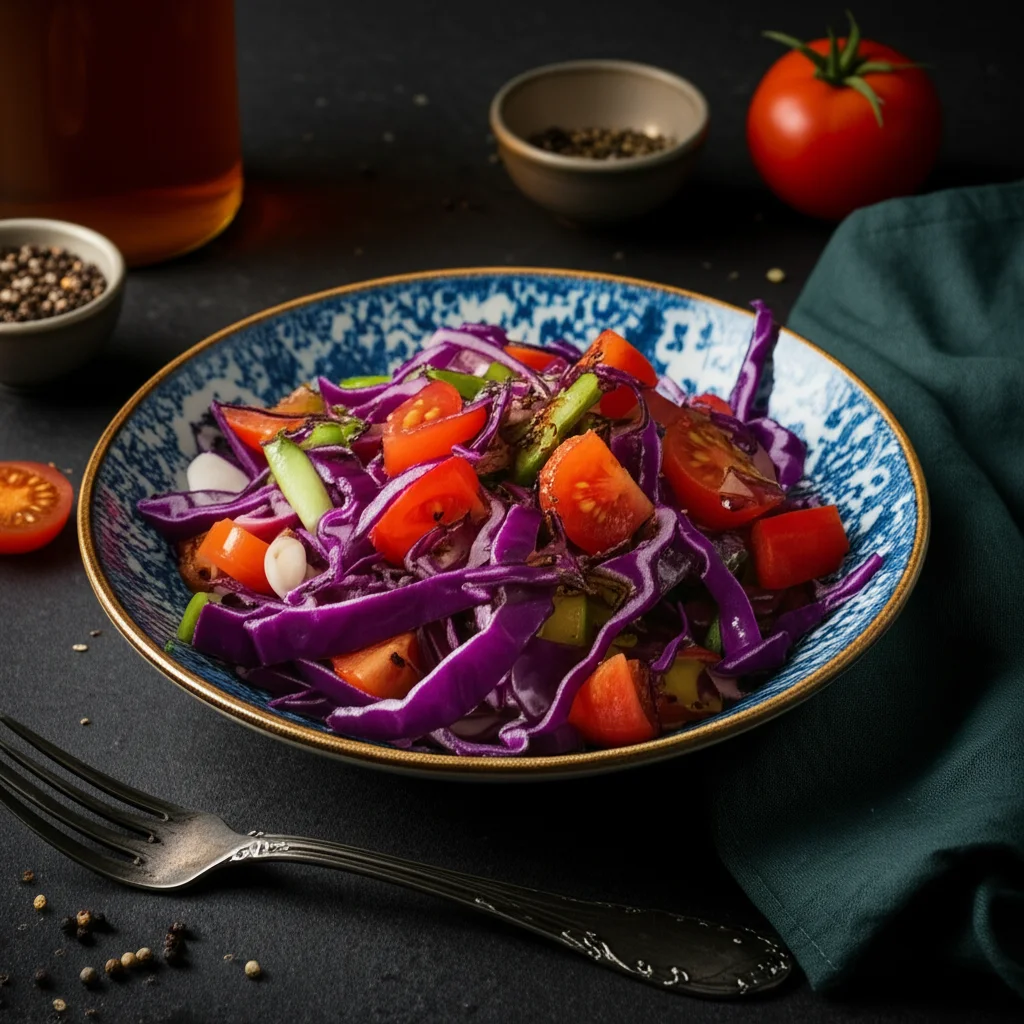
Good news here! The red cabbage and Mediterranean salads were quite effective. They significantly *reduced* MDA levels across the board in both beef and chicken digestion. They also significantly *reduced* GO and MGO levels, which is fantastic because those were the markers that some of the beneficial drinks actually increased. The antioxidants in these salads, like the stable anthocyanins in red cabbage and the mix of compounds from tomatoes, lettuce, olive oil, and lemon in the Mediterranean salad, seem to be doing a great job of fighting off both lipid oxidation and glycation byproducts.
The coban salad was a bit less effective overall. While it helped reduce MDA compared to meat alone, it wasn’t as strong as the other two salads. It also didn’t reduce GO and MGO as much, and even increased MGO with chicken. The researchers suggested this might be because coban salad often includes green peppers, which some studies have shown can sometimes have pro-oxidant effects in the stomach, and it lacked vinegar, which has antioxidant properties. Plus, the specific mix of vegetables and the absence of things like red cabbage or lettuce might make a difference.
Why Does This Happen?
It really boils down to antioxidants and other compounds. Meat, especially with its iron and fatty acids, is prone to oxidation during digestion. But the phenolic compounds, anthocyanins, and other antioxidants found in things like red wine, pomegranate, shalgam, red cabbage, and the components of a Mediterranean salad (olive oil, lemon, various veggies) can interrupt this process. They can neutralize reactive oxygen species or chelate iron, preventing it from catalyzing oxidation.
However, the sugar content in some beverages (like grape juice, orange juice, and even fermented drinks before fermentation is complete) can contribute to the formation of GO and MGO through sugar degradation pathways. It’s a delicate balance!
What Does This Mean for Your Plate?
This study gives us some really practical insights, even though it was done in a lab. It suggests that simply eating meat isn’t the whole story; what you pair it with matters!
- If you’re worried about MDA (lipid oxidation), pairing your meat with drinks like shalgam, pomegranate juice, red wine, hardaliye, or ayran seems beneficial. Adding a red cabbage or Mediterranean salad is also a great move.
- If you’re also concerned about GO and MGO (glycation byproducts), the salads, particularly red cabbage and Mediterranean, appear to be more consistently helpful than many of the beverages, some of which actually increased these markers. Shalgam was the standout beverage for reducing MGO.
- Maybe rethink pairing meat with grape juice or orange juice if minimizing these specific oxidative markers during digestion is your goal, based on these lab results.
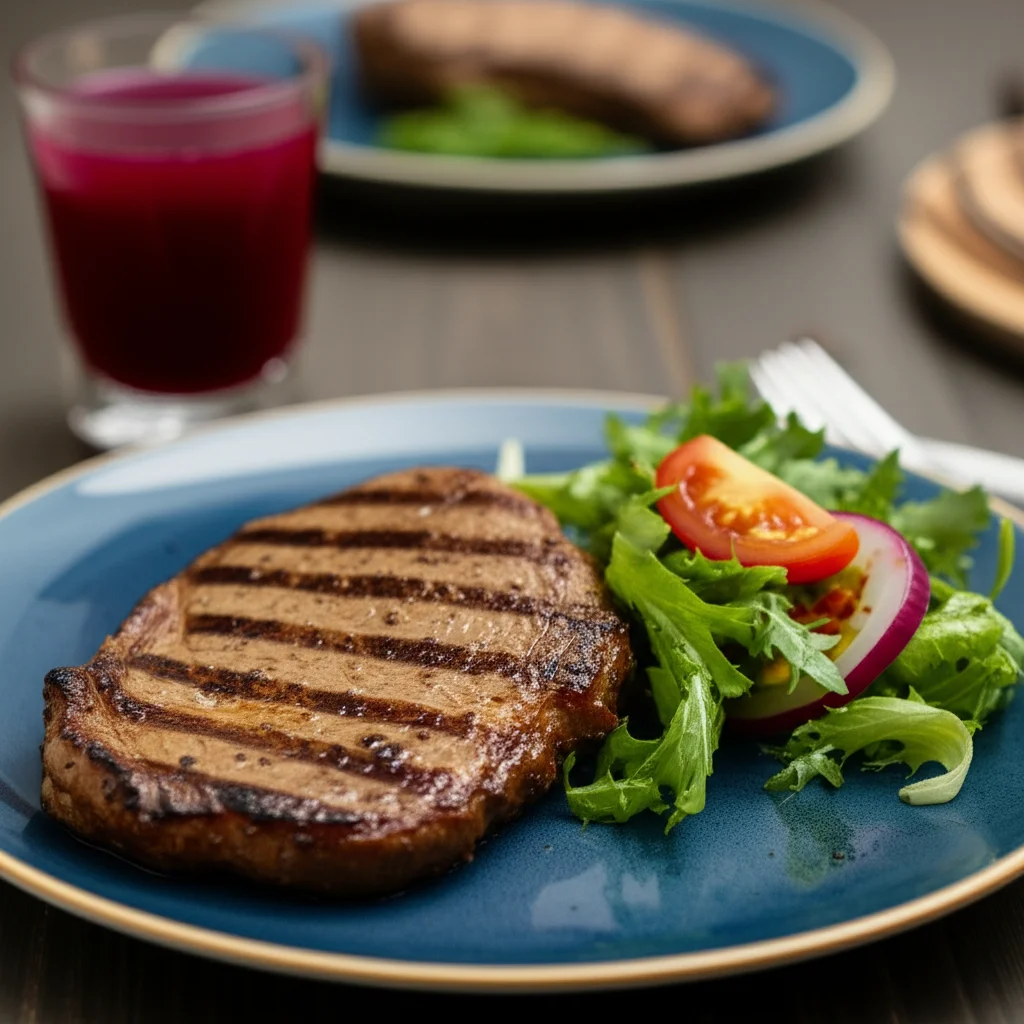
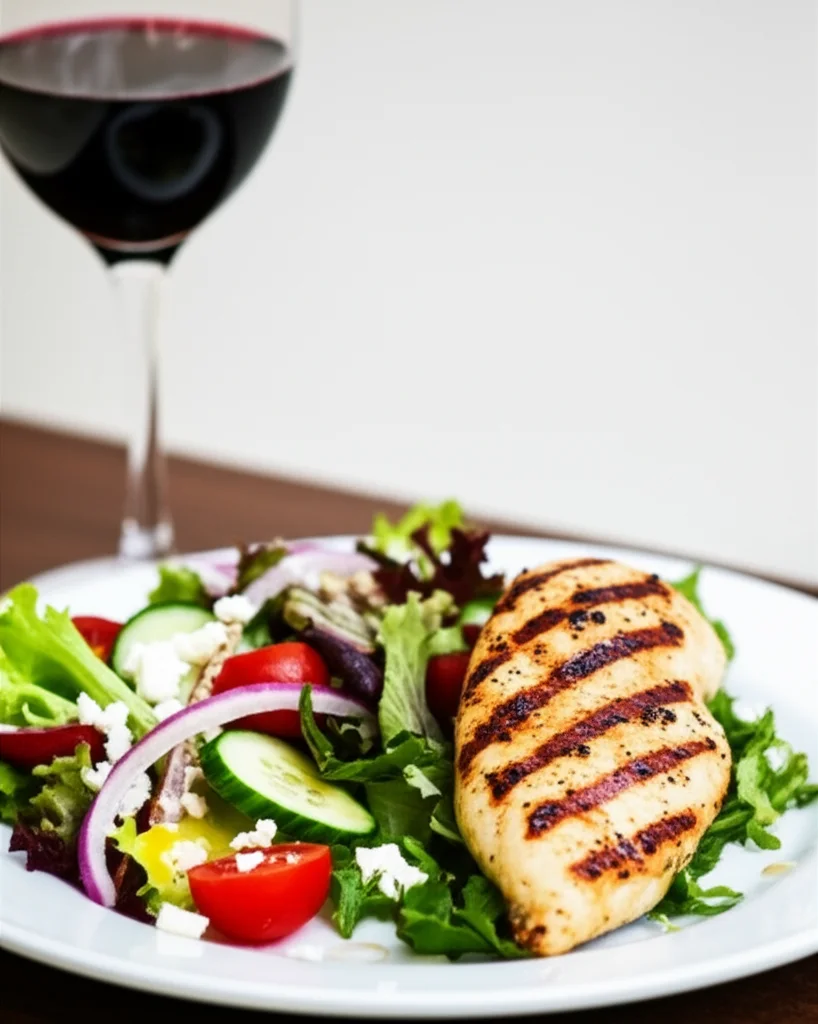
It highlights that there isn’t one magic bullet. Different foods have different effects on different oxidative markers. A meal with grilled meat, a vibrant Mediterranean salad, and perhaps a glass of red wine or a fermented drink like shalgam or hardaliye might be a powerful combination for reducing oxidative stress during digestion.
The Caveats (Science Talk)
Okay, important point: this was an *in vitro* study. That means it was done in test tubes and flasks, simulating the conditions of digestion. While it’s a fantastic way to control variables and see what happens chemically, it’s not exactly the same as what goes on inside a living, breathing human body. Our bodies are way more complex, with absorption, metabolism, gut microbes, and other factors influencing everything.
So, while these findings are super promising and give us great clues, we can’t say definitively that drinking shalgam with your chicken will have the *exact* same effect in your body as it did in the lab. More research, especially studies done with actual people, is needed to confirm these effects and understand the long-term impact.
Wrapping It Up
What I take away from this is that the simple act of choosing your drink and salad isn’t just about taste or getting your greens in; it can be a strategic move for your health at a fundamental level – right there during digestion. Pairing meat with antioxidant-rich powerhouses like shalgam, pomegranate juice, red wine, red cabbage, and Mediterranean salads shows real potential for mitigating the formation of harmful oxidative and glycation products. It’s a cool reminder that food synergy is a real thing, and sometimes, the best way to enjoy something like meat is to give it some healthy companions on the plate and in the glass!
Source: Springer