Your Skin’s Secret Weapon Against Pollution? Luteolin Steps Up!
Hey there! Ever feel like just walking outside, especially in a city, is doing a number on your skin? You’re not imagining it. That stuff floating in the air, the dreaded particulate matter (PM), is a real troublemaker for our largest organ. We’re talking about tiny particles from cars, factories, and even natural sources, packed with all sorts of not-so-nice things like metals and organic compounds. And let me tell you, they don’t just mess with your lungs; they get right into your skin and start causing problems.
What Pollution Does to Your Lovely Skin
Think of PM as an unwelcome guest that crashes your skin’s party. Once it gets past your skin’s barrier, it starts stirring things up. One of the biggest issues? It triggers something called oxidative stress. Basically, this creates unstable molecules called reactive oxygen species (ROS) that bounce around and damage your cells. This stress kicks off a cascade of events, activating pathways inside your skin cells – like the infamous NF-κB and MAPK pathways.
Why should you care about these pathways? Well, they’re like the command centers that tell your cells to produce certain things. In this case, PM nudges them to pump out things that lead to:
- Premature Aging: It ramps up enzymes called matrix metalloproteinases (MMPs), especially MMP-1. MMP-1 is the enzyme that breaks down collagen, the stuff that keeps your skin firm and elastic. Less collagen means more wrinkles and sagging. Not cool.
- Inflammation: It also increases things like cyclooxygenase-2 (COX-2) and the cytokine IL-6. These are key players in inflammation, leading to redness, irritation, and making conditions like eczema and acne worse.
So, PM exposure is essentially putting your skin on fast-forward towards aging and keeping it in a state of cranky inflammation. Finding something that can fight back against this is a pretty big deal, right?
Enter Luteolin: Nature’s Potential Hero
Now, here’s where things get interesting. You might not have heard of it, but there’s a natural compound called luteolin. It’s a type of flavonoid, found in many plants like celery, parsley, and chamomile. Scientists have known for a while that luteolin is a bit of a superstar when it comes to health benefits, especially its antioxidant and anti-inflammatory powers. It’s even shown promise in protecting skin from UV damage – another major skin enemy.
Knowing its general awesomeness, researchers started wondering: could this natural compound help shield our skin from the daily assault of PM? That’s exactly what the study we’re diving into looked at.
Putting Luteolin to the Test
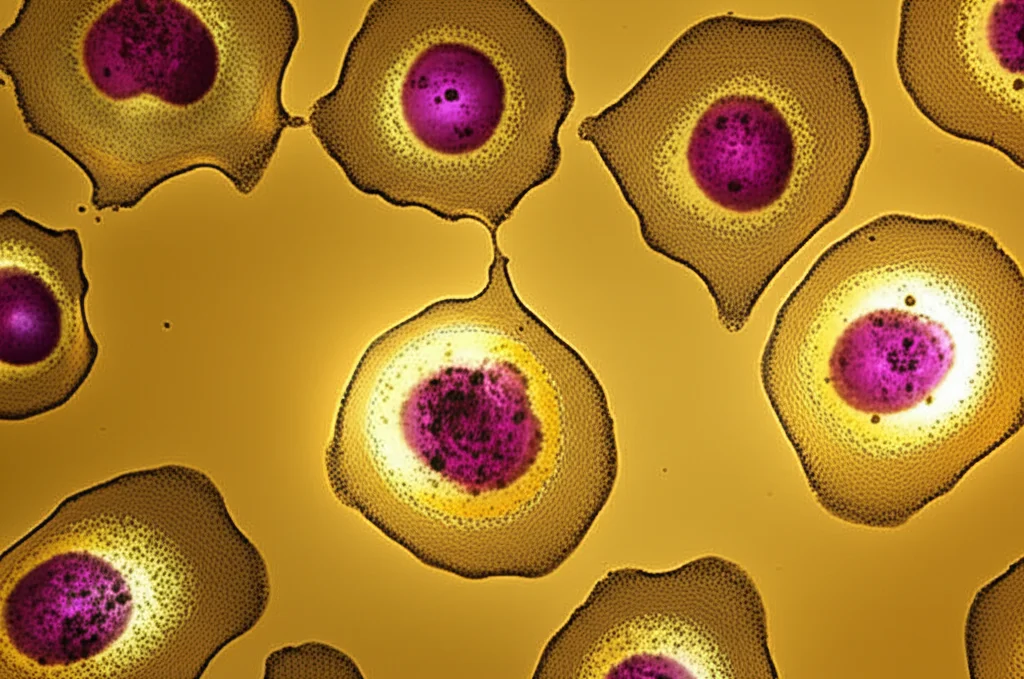
Scientists took human skin cells (called keratinocytes, the main cells in the outer layer of your skin) and exposed them to PM. As expected, the PM cranked up the production and expression of those problematic players: MMP-1 (the collagen destroyer), COX-2, and IL-6 (the inflammation promoters).
Then, they introduced luteolin *before* exposing the cells to PM. And guess what? Luteolin stepped in like a tiny, powerful bodyguard. It significantly reduced the levels of MMP-1, COX-2, and IL-6 that the PM was trying to induce. This was happening at both the protein and mRNA levels, meaning luteolin was interfering with the cell’s instructions to *make* these damaging molecules. Plus, it did all this without harming the skin cells themselves, which is super important!
Unpacking the Mechanism: How Does Luteolin Do It?
Okay, so luteolin works. But *how*? The researchers dug deeper. They looked at those cellular command centers we mentioned earlier – the AP-1 and NF-κB pathways. Remember, these are the guys that get activated by PM and tell the cell to produce MMP-1, COX-2, and IL-6. The study found that luteolin effectively shut down the activation of *both* AP-1 and NF-κB pathways in the PM-exposed cells. This is a big piece of the puzzle – by blocking these master switches, luteolin stops the damaging signals from getting through.
They also confirmed that luteolin acts as an antioxidant in this scenario. PM exposure increased those damaging ROS levels, and luteolin significantly reduced them. So, part of its protective effect is simply cleaning up the oxidative mess caused by pollution.
The Big Discovery: Targeting MKK4
But here’s the really exciting part, the core finding of this research. The scientists looked even further upstream in the signaling pathways, specifically at the MAPK pathway. This pathway involves a series of kinases (enzymes that add phosphate groups, like flipping switches) that relay signals. They found that luteolin reduced the activation (phosphorylation) of JNK1/2 and p38, which are parts of the MAPK pathway involved in stress and inflammation responses.
Interestingly, they noticed something about an upstream kinase called MKK4. MKK4 is known to activate JNK and p38. While luteolin reduced JNK and p38 activity, it seemed to *increase* the phosphorylation of MKK4 at higher concentrations – a bit of a paradox that often happens when a drug directly inhibits a kinase (the cell tries to compensate by activating the inhibited kinase more).
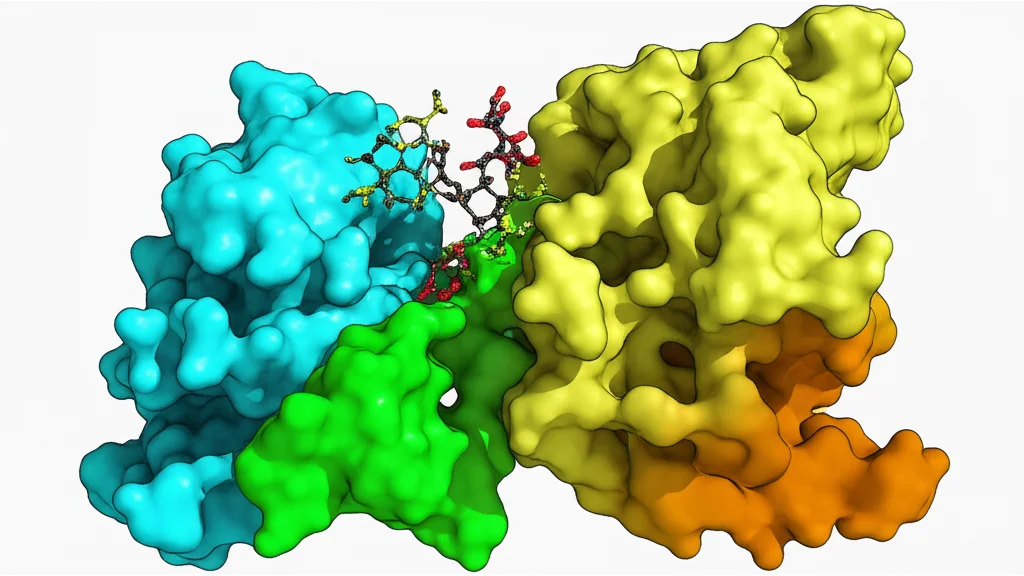
This led them to hypothesize that luteolin might be *directly* targeting MKK4. And through clever experiments (a kinase assay and a pull-down assay), they proved it! Luteolin didn’t just *indirectly* affect MKK4; it *binds directly* to it and *inhibits its activity*.
A Dual-Action Defender
So, the picture that emerges is that luteolin protects your skin from PM damage in at least two major ways:
- Direct Hit: It directly binds to and inhibits MKK4, a key upstream switch in the stress/inflammation pathway (MAPK), which in turn reduces the activation of downstream players like JNK and p38, ultimately leading to less MMP-1, COX-2, and IL-6.
- Antioxidant Power: It mops up the damaging ROS generated by PM, reducing the initial oxidative stress that kicks off these pathways.
It’s like having a defender that not only blocks the main attack (by hitting MKK4) but also cleans up the battlefield afterward (by reducing ROS). Pretty neat, huh?
What This Means for Your Skincare Future
This research is super promising. It gives us a solid scientific reason to be excited about luteolin as an ingredient to protect our skin from pollution-induced aging and inflammation.
The next steps, according to the researchers, are to take this from the lab bench to real life. They’re looking towards clinical trials to see how luteolin-based formulations perform on human skin in the real world. They also plan to work on developing cosmetic products that harness these protective effects.

Knowing that a natural compound like luteolin can directly target specific molecular mechanisms like MKK4 to counteract the harmful effects of pollution is a big step forward. It suggests that incorporating ingredients like luteolin into our skincare routines could be a smart move in the ongoing battle against environmental damage.
So, while we can’t always avoid pollution, it’s good to know that science is uncovering natural ways to help our skin fight back!
Source: Springer