
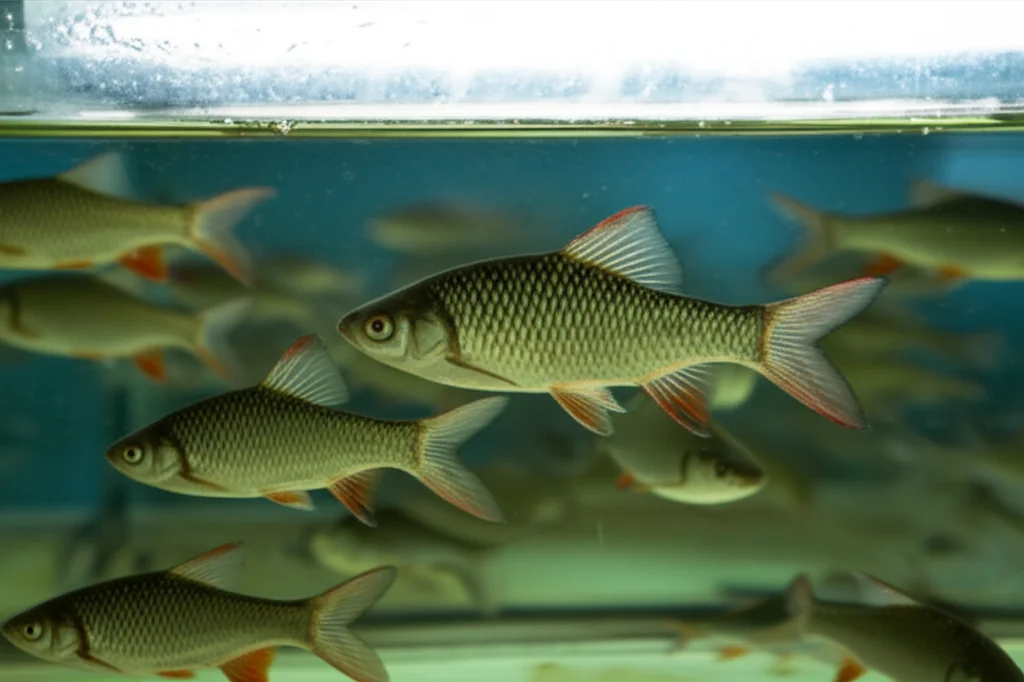
Supercharging Fish Growth: Unlocking the Power of Probiotics for Labeo Rohita
Hey there! Let’s chat about something pretty cool happening in the world of fish farming. You know, raising fish like *Labeo rohita*, a popular carp species especially in Asia, is a big deal. It provides food and livelihoods for tons of people. But, honestly, it’s not always smooth sailing. These little guys, especially when they’re young fingerlings, can have a tough time. We’re talking high mortality rates – sometimes 70-80%! Plus, they can be a bit slow to grow. This makes things tricky for farmers and can really hit their wallets.
Now, traditionally, when diseases pop up in fish farms, folks have often reached for antibiotics. And yeah, they can work in a pinch. But we’ve learned the hard way that relying too much on antibiotics isn’t great. It can lead to antibiotic resistance, which is a problem for everyone, fish and humans alike. So, what’s the alternative?
That’s where probiotics come in! Think of them as the good guys – beneficial bacteria and other microbes that, when added to the fish’s diet, can do wonders. They help keep the fish healthy, improve their digestion, and even boost their ability to fight off those nasty bugs. It’s a much more environmentally friendly and sustainable way to go about things.
I recently stumbled upon a study that really caught my eye. It looked at using a specific blend of probiotics – including *Saccharomyces cerevisiae*, *Bacillus subtilis*, *Bacillus licheniformis*, and *Trichoderma longibrachiatum* (part of a product called Digest 54 Plus) – in the diet of *Labeo rohita* fingerlings. The big question was: could this mix help them grow better, survive more, and just be healthier overall?
Setting Up the Experiment
So, here’s how they set it up. They took a bunch of *Labeo rohita* fingerlings, all roughly the same size, and divided them into four groups. One group was the control – they just got their regular feed. The other three groups got the same feed, but with different amounts of the probiotic blend added: 0.25 grams, 0.50 grams, or 0.75 grams per kilogram of feed. They ran this trial for 60 days, which is about two months.
They were keeping a close eye on everything: how much the fish grew, how efficiently they turned food into body mass, how many survived, and even checked out their blood and immune systems. It was a pretty thorough investigation to see if these tiny microbial helpers could make a real difference.
Growth Spurts and Better Survival
And boy, did they make a difference! The results were pretty exciting, especially for the group that received the highest dose of probiotics – 0.75 grams per kilogram of feed. These fish showed significant improvements in growth performance.
Let’s talk numbers. The feed conversion ratio (FCR), which tells you how much feed is needed to gain a certain amount of weight (lower is better!), dropped significantly from 3.08 in the control group to a fantastic 1.47 in the 0.75 g/kg group. That’s a huge improvement in efficiency!
Their specific growth rate (SGR) and protein efficiency ratio (PER) also went up. This basically means they were growing faster and making better use of the protein in their feed. It’s like they were getting more bang for their buck from every meal.
And perhaps most importantly for those worrying farmers? The survival rate got a serious boost. While the control group had a survival rate of 76%, the group getting 0.75 g/kg probiotics saw a whopping 91% survival rate. That’s a massive difference and could save farmers from those heartbreaking losses.
Boosting Blood Health
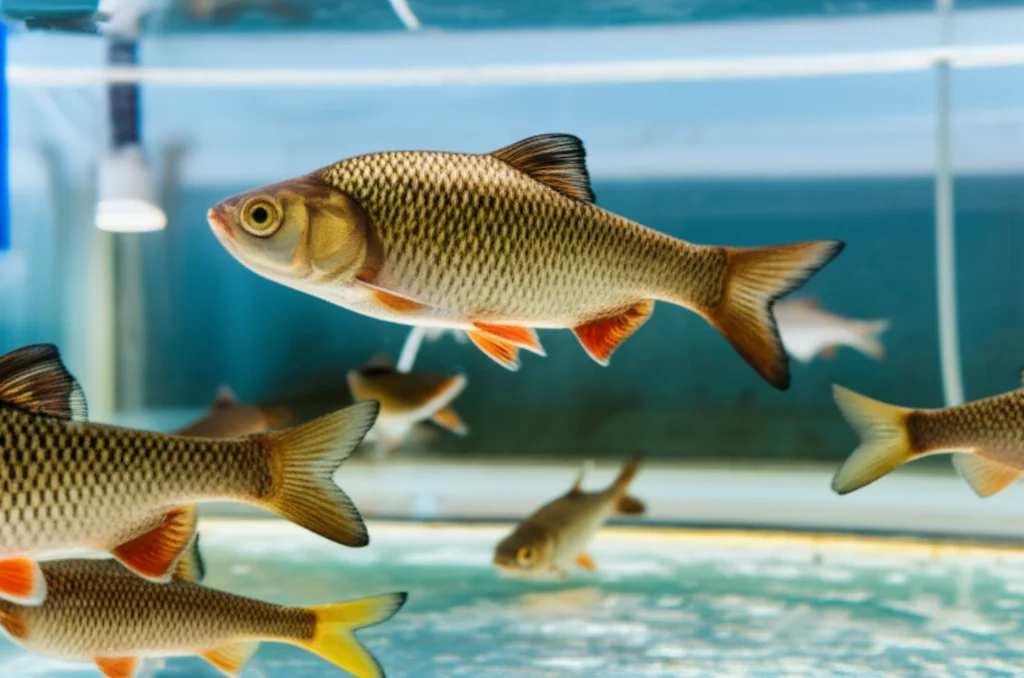
It wasn’t just about getting bigger; the probiotics seemed to make the fish healthier from the inside out. The researchers looked at hematological parameters – basically, their blood profile.
The fish on the 0.75 g/kg probiotic diet had significantly higher red blood cell counts (RBCs), elevated hemoglobin levels (Hb), and increased mean corpuscular hemoglobin concentration (MCHC). Think of these as indicators of healthy blood that can carry oxygen efficiently throughout the body. Higher levels generally mean the fish are more robust and better equipped to handle stress and potential health challenges.
While some other blood cell indices like MCV and MCH were lower, the overall picture painted by the increased RBC, Hb, and MCHC suggests a positive effect on blood health, likely due to improved nutrient absorption and overall vitality stimulated by the probiotics.
Powering Up the Immune System
Now, this is where things get really exciting for disease prevention. The study also checked out the fish’s immune responses.
The fish receiving the 0.75 g/kg probiotic blend showed a significantly higher total leukocyte count. Leukocytes, or white blood cells (WBCs), are the body’s soldiers that fight off infections. More of them means the fish are better prepared to defend themselves against pathogens.
They also saw significantly higher serum lysozyme activity. Lysozyme is an enzyme that helps break down bacterial cell walls – another key player in the fish’s natural defense system. Increased activity here means their innate immunity is stronger.
These findings are consistent with other studies on different fish species, showing that probiotics can act as powerful immunostimulants, helping fish ward off diseases without the need for chemicals.
Why Does This Probiotic Blend Work?
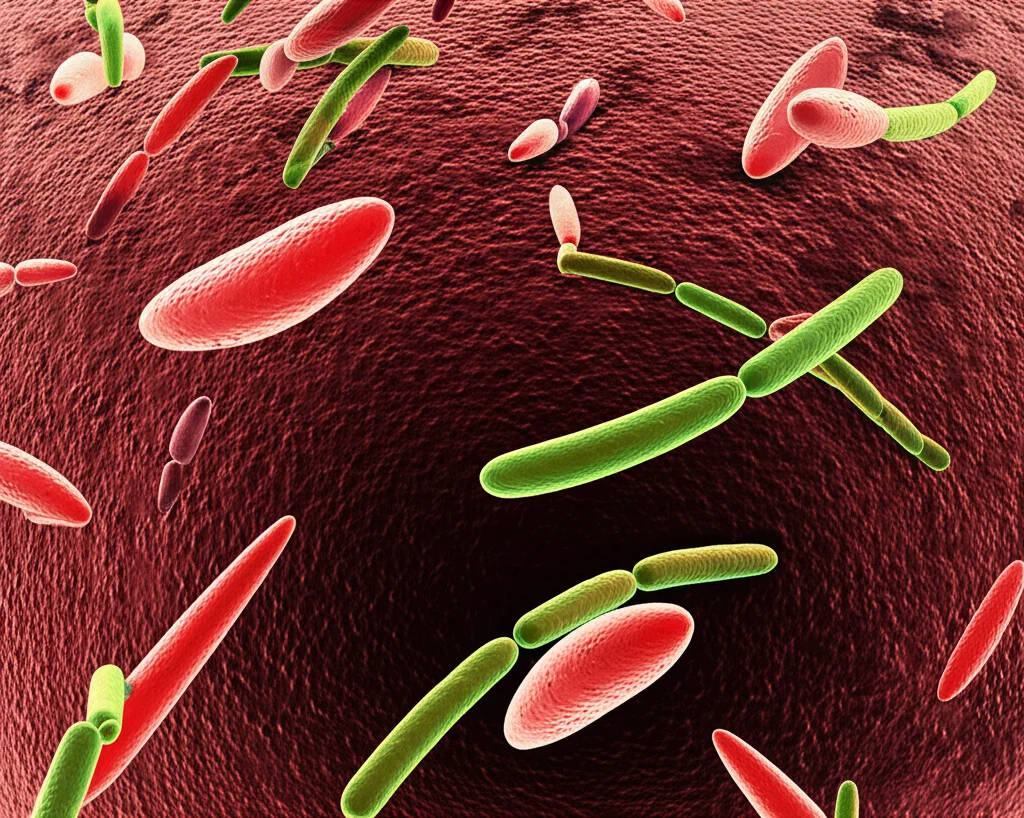
So, what’s the magic behind this specific mix of *Saccharomyces cerevisiae*, *Bacillus subtilis*, *Bacillus licheniformis*, and *Trichoderma longibrachiatum*? While the study doesn’t go into super deep detail on the mechanisms in *this* text, the general idea with probiotics in aquaculture is that they:
- Improve the balance of gut microbiota, making digestion more efficient.
- Compete with harmful bacteria for space and nutrients in the gut and the environment.
- Produce antibacterial compounds that directly inhibit pathogens.
- Enhance nutrient absorption, leading to better growth.
- Stimulate the fish’s immune system, making them more resistant to disease.
This specific blend, including the *Bacillus* species, yeast (*Saccharomyces*), and even the fungus (*Trichoderma*), likely works synergistically to provide these multiple benefits. It’s like a multi-tool for fish health and growth!
The Bigger Picture: Sustainable Aquaculture
This research isn’t just interesting from a scientific standpoint; it has real-world implications. Feed is often the biggest cost in aquaculture, sometimes making up 60-80% of operational expenses. Improving feed efficiency with probiotics means farmers need less feed to grow the same amount of fish, saving them money.
More importantly, by boosting survival rates and strengthening the fish’s natural defenses, probiotics offer a viable alternative to the routine use of antibiotics and other chemicals. This leads to:
- More sustainable fish production systems.
- Modernized aquaculture practices that are better for the environment.
- Less reliance on potentially harmful chemical inputs.
It’s a win-win situation: healthier fish, happier farmers, and a healthier planet.
Wrapping It Up
My takeaway from this study is pretty clear: incorporating a combined probiotic supplement like the one tested here, particularly at the 0.75 g/kg dose, into the diet of *Labeo rohita* fingerlings is incredibly beneficial. It significantly enhances their growth performance, boosts their survival rate, improves their blood health, and strengthens their immune system.
It really highlights the potential of using these natural microbial allies to improve aquaculture productivity in a sustainable and eco-friendly way. While this study focused on *Labeo rohita*, it makes me hopeful about the possibilities for other fish species too. It seems like giving our finned friends a little help from some good bacteria is a fantastic path forward for the future of fish farming.
Source: Springer