

Behind the Badge: Unpacking Stress for Kerala Police
Hey there! Let’s talk about something serious that often gets overlooked: the incredible pressure faced by the folks who keep us safe. Globally, stress among police officers is a big deal, a challenge that authorities are really starting to grapple with. But you know, when you look at places like India, especially in lower and middle-income countries, there hasn’t been a ton of deep-dive research into this specific issue. That’s where this fascinating study comes in, focusing right here on Kerala, India, digging into the nitty-gritty of what’s causing stress for police officials.
I’ve been looking at this study, and it really shines a light on the specific pressures that come from the day-to-day operations and the way the police force is structured in Kerala. They did a survey in Thiruvananthapuram district, asking officers about their stress levels using a special questionnaire designed for police stress – one part for operational stuff, the other for organizational vibes.
What Did They Find? Buckle Up!
Turns out, the stress levels are pretty high. The study found that a whopping 75.5% of participants felt high operational stress. That’s the stress that comes directly from the job itself – the tough calls, the long hours, the unpredictable nature of policing. And it’s not just the job content; 65.6% reported high organizational stress. This is the stress from *within* the system – the policies, the leadership, the resources (or lack thereof).
So, what factors seem to be linked to these high stress levels? The study pointed to a few key culprits:
- Age: Interestingly, older officers reported higher levels of operational stress. Maybe it’s the cumulative effect of years on the job? The odds ratio (OR) was 2.20, meaning older officers were more than twice as likely to report high operational stress compared to younger ones.
- Physical Activity: This one was a biggie. Participants who were less physically active were significantly more likely to experience both operational stress (OR: 7.07) and organizational stress (OR: 2.77). Talk about a powerful link between body and mind!
- Alcohol or Tobacco Use: This showed the *highest* association with stress. Using alcohol or tobacco was strongly linked to both operational stress (OR: 14.58) and organizational stress (OR: 27.45). This suggests it might be a coping mechanism, but clearly not a healthy one.
- Existing Health Conditions: Having diabetes or hypertension was also significantly associated with high levels of both operational (OR: 2.97) and organizational stress (OR: 4.16). This highlights how physical health and job stress are intertwined.
The study did note that they didn’t find a statistically significant difference in stress levels between male and female officers, but they also mentioned that the number of women in their sample was quite small, which limited a deeper gender-specific analysis. Something to keep in mind for future research, for sure.
Diving Deeper: Operational vs. Organizational Stressors
Let’s break down what specifically falls under these two big umbrellas of stress, according to the officers surveyed. Operational stress is the stuff you might immediately think of:
- Shift work: Night shifts and irregular rotations are tough, impacting sleep and overall well-being.
- Long Hours e Overtime: The text mentions average workdays in India are long (14 hours!), and in Kerala, it can be 11-18 hours, with many working unpaid overtime and not getting weekly offs. This constant demand is a major stressor.
- Feeling Constantly “On”: The line between work and personal life gets blurred, leading to a persistent feeling of being on duty.
- Lack of Time for Life: Not having enough time for family, friends, or social life is a significant source of stress.
- Public Feedback: Receiving negative feedback from the public can be incredibly stressful.
- Maintaining Health: Finding time to eat healthily at work or stay physically fit is a challenge, contributing to stress and health issues.
- Traumatic Events: Dealing with accidents, deaths, injuries – these are inherently stressful and can lead to long-term psychological impacts like PTSD symptoms.
- Paperwork: Even the administrative side of the job, like paperwork, contributes to high stress for a good chunk of officers.
Then there’s organizational stress, which is more about the environment and structure they work within:
- Inconsistent Leadership: Unpredictable or poor leadership styles can create uncertainty and stress.
- Lack of Resources: Not having the necessary tools or personnel makes the job harder and more stressful. The study specifically noted inadequate staffing as a big one.
- Bureaucracy e Red Tape: Cumbersome administrative processes are frustrating and impact morale.
- Pressure to Volunteer Time: Feeling expected to work off-duty hours adds to the burden and impacts work-life balance.
- Dealing with Supervisors: Interactions with those higher up can be a source of stress.
- Accountability Pressure: While accountability is necessary, the *perceived* pressure to constantly prove oneself can be stressful.
- Court System: Dealing with the complexities of the court system adds another layer of stress.
- Policy Changes: Frequent changes in rules and legislation require constant adaptation and can be stressful.
- Work Distribution: Uneven distribution of tasks can lead to feelings of unfairness and stress.

The Health Connection
It’s not just about feeling stressed; it has real physical and mental health consequences. The study found that a significant number of officers in Kerala have diabetes or hypertension (around 41% in this study, similar to other findings). This aligns with research showing police officers often have higher rates of cardiovascular issues than the general population. The demanding nature of the job and chronic stress are clearly playing a role here.
Substance use is another worrying trend. About 34% of the participants in this study reported current alcohol or tobacco use. Previous research in Kerala also found substance abuse issues among police personnel. This isn’t just a statistic; it points to potential maladaptive coping strategies for dealing with intense stress. It underscores the urgent need for healthier ways to manage pressure.
What Can Be Done?
The study doesn’t just highlight the problems; it also points towards solutions. Based on these findings, the researchers strongly recommend targeted interventions. What kind of interventions?
- Wellness Programs: Initiatives that promote physical fitness and healthy lifestyles could directly address the link between inactivity and stress.
- Substance Use Support: Targeted programs for prevention and cessation of alcohol and tobacco use are crucial, especially given the strong association with stress.
- Health Screenings: Regular check-ups to identify and manage conditions like diabetes and hypertension, which are linked to stress.
- Stress Management Training: Providing officers with effective coping skills and techniques.
- Mental Health Resources: Easy access to counseling and psychological support is essential, acknowledging the mental toll of the job.
- Policy Revisions: Looking at things like flexible work hours and better workload management to improve work-life balance.
- Organizational Support: Creating a more supportive, transparent work environment with adequate resources and clear communication from leadership.
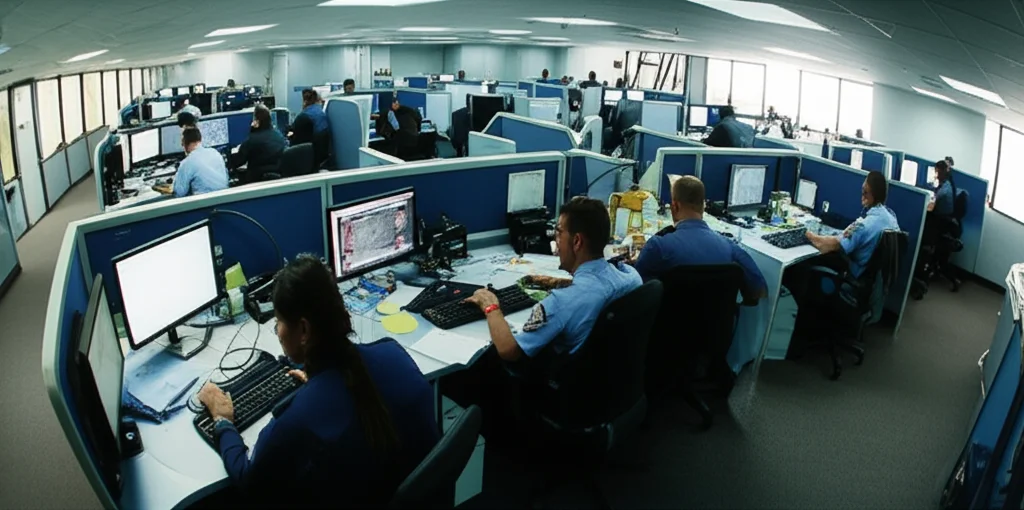
Acknowledging the study’s limitations (like potential reporting bias due to the survey location, selection bias from voluntary participation, and the limited age range), the findings still provide valuable insights. They show that stress among Kerala police is a complex issue, influenced by a mix of personal health/lifestyle factors and the inherent demands and structures of the job.
Ultimately, addressing police stress isn’t just about individual officers; it’s about the health of the entire force and its ability to serve the community effectively. By understanding these specific stressors and implementing supportive programs and policy changes, police departments can hopefully create a healthier, more sustainable environment for the dedicated men and women behind the badge.
Source: Springer