
Unlocking the Green Power: Assessing Urban Nature in China’s Karst Cities
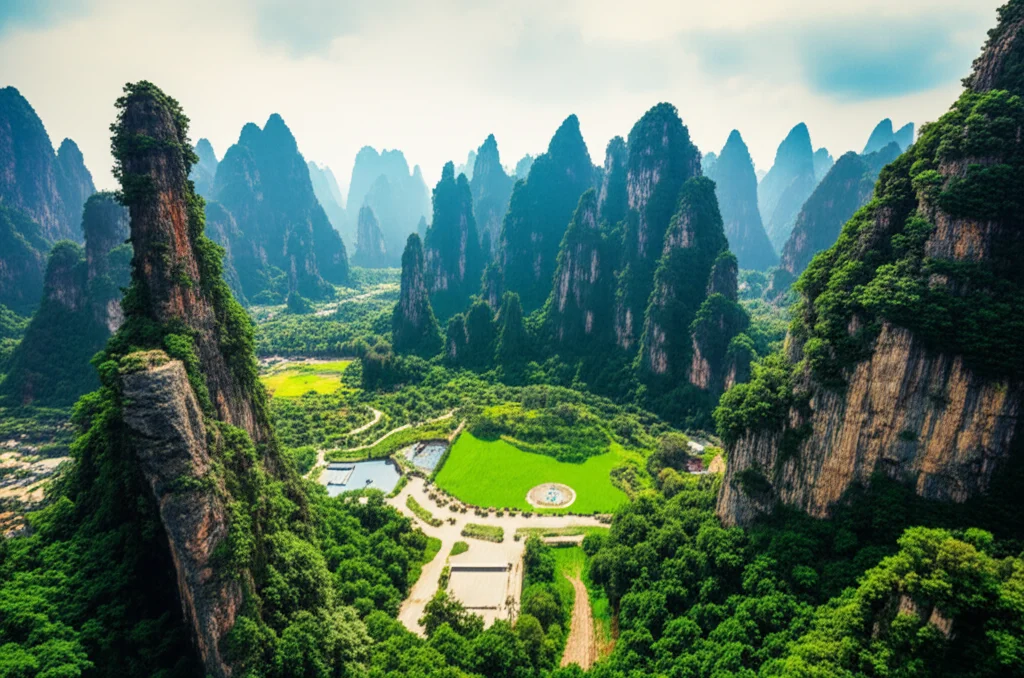
Hey there! Ever seen those incredible landscapes in places like South China, with their dramatic peaks, sinkholes, and unique rock formations? That’s Karst country, and it’s absolutely breathtaking. These areas are super special, recognized globally for their natural beauty and biodiversity. But here’s the thing: cities are growing, and sometimes they pop up right in the middle of these fragile, stunning environments.
We all know that urban green spaces – parks, gardens, even trees along the street – are vital for cities. They’re like the lungs and the soul of the urban jungle, helping clean the air, manage water, and just make things feel a bit more human. But in a Karst city, where the ground is thin and water behaves differently, these green spaces face unique challenges. How well are they *really* doing their job, both for the environment and for the people living there?
Why Karst Green Spaces Are a Big Deal
Imagine trying to build a garden on a sponge made of rock. That’s a bit like the challenge in Karst areas. The geology creates amazing scenery, but it also means thin soil and tricky water situations. This makes the ecosystem pretty sensitive. Add rapid urbanization to the mix, and you’ve got a recipe for stress on these natural wonders.
Urban green spaces (UGS) are absolutely crucial here. They’re not just pretty; they’re working hard, providing what scientists call ‘ecosystem services’ and ‘landscape services’. Think climate regulation, cleaning the air, holding onto precious soil, supporting wildlife, and offering places for us to relax and connect with nature. Figuring out exactly how well they provide these services is key to making sure these cities grow in a way that doesn’t trash the incredible environment they’re built in.
Digging Into the Details: What This Study Did
So, a bunch of smart folks decided to really dig into this in Yunyan District, Guiyang City, a classic Karst city in South China. They wanted to evaluate the UGS there, looking at two main things:
- Ecological Environment: How well are these green spaces performing vital environmental functions?
- Landscape Perception: How do people actually experience and feel about these green spaces? Are they accessible? Do they look nice? Are residents satisfied?
They used a pretty cool approach, combining lots of different data sources. They looked at satellite images to see where the green spaces were and what they were like. They grabbed weather data to understand things like rainfall and temperature. They used population data to see where people lived. And, importantly, they went out and surveyed residents to get their actual opinions and satisfaction levels.
To make sense of all this, they used a fancy method called the AHP-EWM combined weighting TOPSIS evaluation model. Don’t let the name scare you! Basically, it’s a way to combine expert opinions (AHP) with objective data analysis (EWM) to figure out how important different factors are, and then use a ranking system (TOPSIS) to score each green space based on how well it performs across all those factors.
What They Looked For (The Indicators)
They didn’t just eyeball things. They selected eight specific indicators to measure the services provided by the UGS:
- Ecological Benefits:
- Carbon Sequestration and Oxygen Release (CSOR): How much CO2 they absorb and O2 they release.
- Water Conservation (WC): How much water they help store.
- Air Cleanness (AC): How well they absorb pollutants.
- Soil Conservation (SC): How much soil erosion they prevent.
- Biodiversity Conservation (BC): How well they support different species.
- Humanistic/Landscape Perception Benefits:
- Green Space Accessibility (GSA): How easy it is for people to get to them.
- Green View Index (GVI): How much green you can see from different points (a measure of visual greenness).
- Resident Satisfaction (RS): How happy people are with their local green spaces (based on surveys).
They crunched numbers for 135 different green space patches in the study area to get a detailed picture.
The Big Reveals: What the Study Found
The results were pretty eye-opening! Here are some of the key findings:
- Spatial Patterns: The ecological services (like air cleaning, soil, water) generally showed a “high in the east and low in the west” pattern across the district. But the landscape perception services (accessibility, view, satisfaction) were more “nonlinear” – not following a simple direction.
- What Matters Most: When they weighted the indicators, guess what came out on top? Soil Conservation (SC) had the highest weight, accounting for over 20%! This makes total sense in a Karst area where soil is precious and easily lost. Green Space Accessibility (GSA) was also really important. Interestingly, the Green View Index (GVI) had the lowest weight, suggesting that while a nice view is good, things like keeping the soil in place and being able to easily *get* to the green space are considered more crucial in this context.
- Quality Check: Now, here’s the kicker. The study found that a whopping 89.63% of the UGS in the study area were of low to medium-low quality in terms of their overall ecological and landscape services. That’s a lot of green spots that could use a little TLC! Only a tiny fraction (2.22%) were rated medium-high or high quality.
- Different Green Spaces, Different Strengths: They even compared different types of green spaces. Mountain parks were generally better at providing ecological services (like soil and air quality), while green spaces tucked away under bridges were surprisingly better at providing landscape perception services (like accessibility and potentially resident satisfaction, though correlations were complex).
- Connections: The ecological benefit indicators were strongly correlated with each other, which is expected. Green Space Accessibility also showed significant correlation with most of the ecological indicators, highlighting the link between where people live and the environmental quality of nearby green spaces. Resident Satisfaction and Green View Index were less correlated with the ecological stuff, suggesting they measure something different – the human experience.

Making Things Better: Recommendations
So, the overall picture is that while these Karst UGS are doing *some* good, there’s significant room for improvement, especially in landscape perception services and overall quality. Based on their findings, the researchers offered some smart suggestions:
- Spatial Layout:
- Expand the Green: Find ways to increase the total amount of green space, even in unconventional spots like rooftops or underutilized areas.
- Connect the Dots: Create green corridors and networks to link fragmented green spaces, helping wildlife move and improving the overall ecological flow.
- Green Where the People Are: Make sure green spaces are easily accessible, especially in densely populated areas. Improve pathways and transportation options to overcome the hilly Karst terrain.
- Spatial Planning:
- Smart Water Management: Incorporate eco-friendly designs like rain gardens to help manage water runoff and conserve water, crucial in Karst areas.
- Diverse and Local Plants: Use a variety of native plants that are suited to the Karst environment to create beautiful and resilient green spaces.
- Use Technology: Implement smart management systems to monitor green space health and usage.
- Social Benefits:
- Ask the Locals: Get residents involved in planning and managing green spaces to ensure they meet community needs and preferences.
- Keep an Eye on Things: Set up monitoring stations to collect ongoing data on green space performance.
- Build Responsibly: When developing the city, use eco-friendly methods and materials to minimize damage to the fragile Karst ecosystem.

Wrapping It Up
This study gives us a really valuable look at how urban green spaces are functioning in a unique environment like the South China Karst. It confirms that while these green areas provide essential services, there’s a lot of work to be done to boost their overall quality and ensure they’re truly benefiting both the environment and the people who live there.
The finding that Soil Conservation and Green Space Accessibility are key factors is particularly insightful for planning in Karst cities. It’s not just about having green patches; it’s about where they are, how they’re designed to handle the specific geological challenges, and how easily people can enjoy them.
Ultimately, managing urban growth in these globally significant Karst regions requires a careful balance. By focusing on targeted improvements based on assessments like this, cities can hopefully enhance their green infrastructure, protect the fragile natural heritage, and create healthier, happier places for residents. It’s a tough gig, balancing development with conservation in such a unique setting, but studies like this light the way forward!

Source: Springer


