Unpacking Why Indonesians Skip Vital Health Checks: A Look at Hypertension and Diabetes Screening
Hey there! Let’s chat about something super important: getting checked out for common health issues like high blood pressure (hypertension) and diabetes. You know, those sneaky conditions that can cause big problems down the road if they’re not caught early. It turns out, even with free screening programs available, a lot of folks in Indonesia, specifically adults aged 40 to 70, aren’t getting these vital checks as often as they should. I recently came across a fascinating study that dug into *why* this is happening, looking at what people know, how they feel, and what they actually do about screening in a place called Aceh, Indonesia.
Indonesia, like many countries, is grappling with a rising tide of heart-related diseases, and hypertension and diabetes are major culprits. The government has actually put programs in place, like community health centers (Puskesmas) and village-level checks (Posbindu), offering free screenings. Pretty great, right? But despite these efforts, screening rates are surprisingly low. We’re talking about a big chunk of people over 45 who’ve never had their blood pressure checked, and even more who’ve never had a blood sugar test. This study wanted to figure out the roadblocks, especially for people who *should* be getting screened based on guidelines but haven’t been.
Diving into the Study: Who, Where, and How
So, how did they figure this out? The researchers went right to the source, talking to over 2000 adults in Aceh who were between 40 and 70 and hadn’t been screened recently, even though guidelines say they should be. They specifically excluded people already diagnosed or in ongoing care – they wanted to understand the barriers *before* diagnosis. They used a careful sampling method to get a good mix of people from both urban (Banda Aceh) and more rural areas (Aceh Besar). They basically asked them a bunch of questions about their knowledge of hypertension and diabetes, their attitudes towards these conditions and screening, and their actual screening history (or lack thereof).
Think of it as a deep dive into the “Knowledge, Attitudes, and Practices” (KAP) around these health checks. The goal was to see what factors, including things like where people live, how much education they have, and how wealthy they are, might be linked to whether they get screened or not.
Risk Factors: More Common Than You’d Think
Before even getting to screening, the study looked at how many people in this group had risk factors for these conditions. And let me tell you, they found that behavioral risk factors were pretty widespread.
- Smoking: This was a big one, especially among men. It seems like almost all the men surveyed who smoked did so daily.
- Sugary Drinks: Over 80% of respondents regularly drank at least one sugar-sweetened beverage a day, often sugared coffee.
- Physical Activity: About one-fifth weren’t getting enough exercise. A significant number reported doing *no* physical activity or walking in the past week.
Beyond these lifestyle factors, many also had other indicators like a family history of diabetes or heart issues, high cholesterol, or inflammatory arthritis. So, clearly, there’s a real need for screening in this population.

What People Know (and Don’t Know)
Now, onto the knowledge part. The good news is, most people were generally aware of hypertension and diabetes. They often knew that diet was a risk factor and that changing your diet could help control things. They also knew about some serious complications, like stroke from hypertension or slow wound healing from diabetes. And almost everyone agreed that early treatment and regular checkups are helpful.
But here’s where the picture gets a bit fuzzy:
- Risk Factor Details: While diet was known, other major risk factors like *physical inactivity*, *obesity*, *smoking*, or even just *getting older* weren’t commonly recalled.
- Asymptomatic Nature: A large number of people believed you could *feel* if you had hypertension or diabetes. This is a big deal because these conditions often have *no* symptoms in the early, treatable stages!
- Who Needs Screening?: About half thought *everyone* should be screened, which is closer to the guideline’s spirit (especially for 40+). But a significant number still thought screening was only necessary if you *felt sick*. This links back to the asymptomatic misconception.
- Destiny vs. Treatable: Interestingly, while most believed the diseases were treatable, a good chunk also felt that having them was “destiny.”
- Cost Perception: Many thought treatment, especially for diabetes, would be expensive.
So, there’s a gap between general awareness and the specific knowledge needed to understand *why* screening is important even when you feel fine.
Attitudes and Beliefs: Fear, Destiny, and Treatability
Attitudes were also explored. Almost everyone expressed fear of having either disease. This fear, combined with the belief that you can feel the disease, might paradoxically lead people *away* from screening – who wants to confirm something scary if you don’t feel it yet?
On the positive side, there was strong agreement that these conditions are treatable and that regular checkups help. This suggests that if people *do* get screened and diagnosed, they might be receptive to care.
Screening in Practice: The Gap Between BP and Glucose
This is where things get really interesting. The study found that about 41% of the people they talked to had *never* had their blood pressure or blood sugar checked. That’s a huge number!
For those who *had* been screened, where did they go?
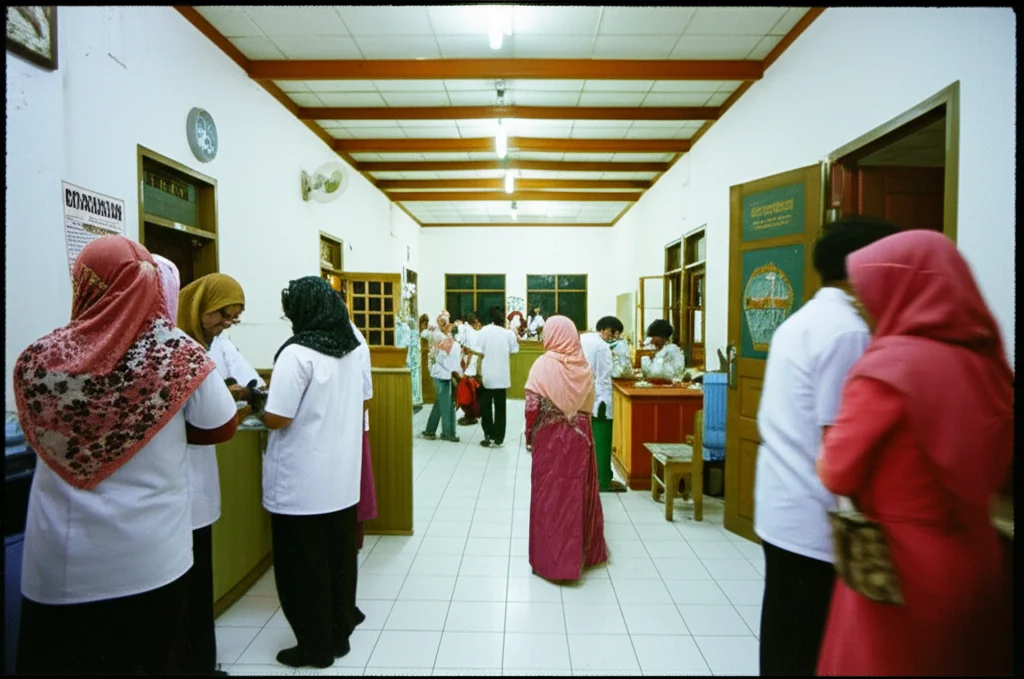
- Most went to the community health center (Puskesmas) or a private doctor/midwife.
- Only a small percentage (around 9%) had their last check at the village-based Posbindu program, even though it’s free and local. Usage of Posbindu was higher in rural areas than in the city.
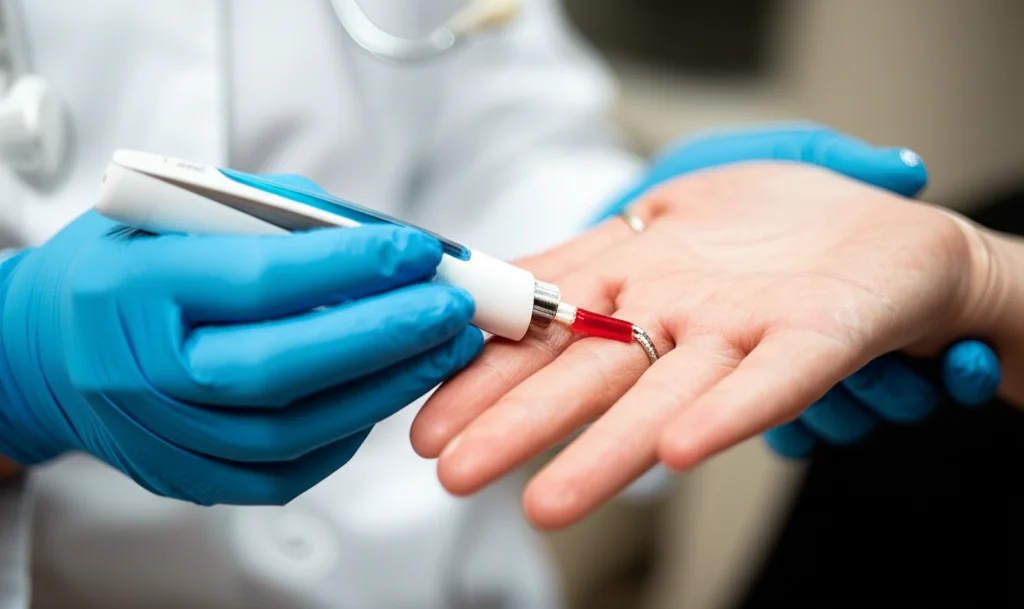
Now, here’s a crucial finding: When people *did* get checked, blood pressure was measured almost every single time (98%). But blood glucose? That happened in only about 21% of cases! This suggests a major difference in how often these two vital checks are performed, even during a “screening visit.” Glucose checks were more common in hospitals or at Posbindu compared to Puskesmas or private practices.
Why weren’t people getting screened? The most common reason given by those who never had a check was simple: “I was not ill.” Again, that misconception about needing to feel sick pops up as a major barrier. Cost and lack of time were mentioned, but far less frequently than not feeling ill.
The Socioeconomic Divide
The study also confirmed something we often see in health: socioeconomic factors play a big role.
- People living in urban areas (Banda Aceh) and those with higher education levels tended to have better knowledge about hypertension and diabetes.
- Lower wealth was linked to both lower knowledge and lower screening uptake overall.
- Wealthier individuals were more likely to have had *any* screening and specifically a blood pressure check.
- For blood glucose screening, being older, female, living in urban areas, having higher education, and being wealthier were all associated with higher odds of getting checked.
When looking at where people got screened, older people and women were more likely to use Posbindu. This might be because Posbindu is sometimes perceived as a program mainly for the elderly, potentially limiting its reach to younger adults who also need screening.

Pulling It All Together: The Barriers
So, what’s the takeaway from this study in Aceh? It really highlights a few key barriers preventing adults aged 40-70 from getting screened for hypertension and diabetes, even when services are free and local:
- Knowledge Gaps: While people know *of* the diseases, they often lack crucial knowledge about specific risk factors, the fact that you can have these conditions without feeling sick, and *who* should be screened regularly (everyone over 40!).
- Disease-Specific Challenges (Especially Glucose): There’s a clear difference in how often blood pressure and blood glucose are checked. Glucose testing might be seen as more invasive or resource-intensive, leading to it being done less frequently, especially in certain facilities like Puskesmas or private practices compared to hospitals or Posbindu.
- Socioeconomic Gradients: Wealth, education, and location create divides in both health knowledge and screening uptake. People with lower socioeconomic status are less likely to know key information and less likely to get screened, particularly for diabetes.
- Misconception “Not Feeling Ill”: This belief is a massive hurdle, stopping people from seeking preventative checks.
Even though programs like Posbindu aim to remove financial and travel barriers by being free and local, these other issues – what people know and believe, the practicalities of testing different conditions, and socioeconomic inequalities – still stand in the way.
What Can We Do About It?
Understanding these barriers gives us clues on how to improve things.
- Targeted Education: We need to do a better job of educating people, especially those with lower education and wealth, about the *specific* risk factors, the asymptomatic nature of these diseases, and the importance of regular screening for *everyone* over 40, regardless of how they feel.
- Improve Glucose Testing Access: The disparity between BP and glucose checks needs addressing. This might involve ensuring all screening locations (Puskesmas, Posbindu, private) have the resources and protocols to perform glucose tests routinely for eligible individuals. Point-of-care testing machines could help make this easier and cheaper.
- Leverage Opportunistic Screening: Since people visit health facilities for other reasons, expanding opportunistic screening (checking BP/glucose during *any* visit) could reach more people, potentially even reducing socioeconomic gaps seen in dedicated screening programs.
- Address Posbindu Perceptions: If Posbindu is seen mainly for the elderly, messaging needs to broaden to encourage all adults aged 40-70 to attend. Ensuring Posbindu offers comprehensive checks (including glucose) is also key.
Catching hypertension and diabetes early through screening is absolutely critical. The study mentions that controlling blood pressure alone could add years to life expectancy in Indonesia. Identifying these specific barriers – from misconceptions about feeling sick to the practical challenges of glucose testing and the impact of socioeconomic status – is a vital step towards helping more people get the checks they need and live healthier lives. It’s a complex puzzle, but studies like this give us the pieces we need to start putting it together.
Source: Springer