

Bringing Birth Home: Why Indigenous Peoples See Risk Differently in Ontario
Hey there! Let’s dive into something really important that’s happening right here in Ontario, Canada, affecting Indigenous Peoples who are expecting. You know, when we think about having a baby, we often think about hospitals and doctors, right? That’s the standard picture for many of us. But for lots of Indigenous folks living in remote or rural communities, having a baby means being *evacuated* – sent far away from home, family, and everything familiar, often to a big city hospital.
Now, the official reason for this evacuation policy is usually framed around reducing *biomedical risk*. The idea is, hospitals have all the high-tech stuff, so it must be safer, right? But here’s the thing, and it’s a really crucial point this research brings to light: that way of thinking about risk is based on a very specific, *Euro-Canadian biomedical model*. It doesn’t necessarily line up with how Indigenous Peoples themselves understand health, wellness, and yes, risk.
I recently got to explore some fascinating research that really digs into this. It asks a powerful question: How do pregnant Indigenous Peoples in Ontario actually *conceptualize* health and risk when they’re facing this mandatory evacuation for birth? And let me tell you, their answers are eye-opening and challenge that narrow biomedical view in a big way.
A History of Disruption
To really get this, we need a little context. This isn’t just a modern policy; it’s got deep roots in colonization. Starting way back in the 1890s, the Canadian government actively worked to push aside Indigenous midwifery and traditional birthing practices. They basically forced Indigenous Peoples to adopt the Euro-Canadian hospital model. It was part of a larger, harmful effort to assimilate Indigenous Peoples – to make them more like the settlers. Forcing people to leave their communities for birth was a tool in that process, aimed at erasing cultural practices and promoting a highly medicalized view of something that, for many Indigenous cultures, is deeply spiritual and connected to community and land.
Today, this history lives on in policies that still require pregnant people from many northern, rural, and remote communities to leave home around 36-38 weeks gestation. It’s a blanket policy that doesn’t consider individual circumstances or, crucially, Indigenous ways of knowing and being.
The Research Journey
This study, inspired partly by the Association of Ontario Midwives’ Indigenous Midwifery Team and the Calls for Justice from the National Inquiry into Missing and Murdered Indigenous Women and Girls, wanted to hear directly from those affected. The research team, which included Indigenous midwives, Elders, and researchers, used an Indigenous-led approach, centering principles like OCAP (Ownership, Control, Access, Possession) and Indigenous feminist methodology.
They conducted semi-structured interviews with 43 Indigenous participants in Ontario – people who had been evacuated, their family members (kin), Elders, and Indigenous midwives. They really wanted to understand the *wholistic* picture of risk, going beyond just the medical charts.
The interview process itself was designed to be conversational and respectful, ensuring participants felt safe sharing their stories and knowledge. They reviewed their own transcripts, controlling how their experiences were represented. This kind of research approach is so vital because it puts the power back in the hands of the community members whose lives are being studied.
Risk: More Than Just Medical
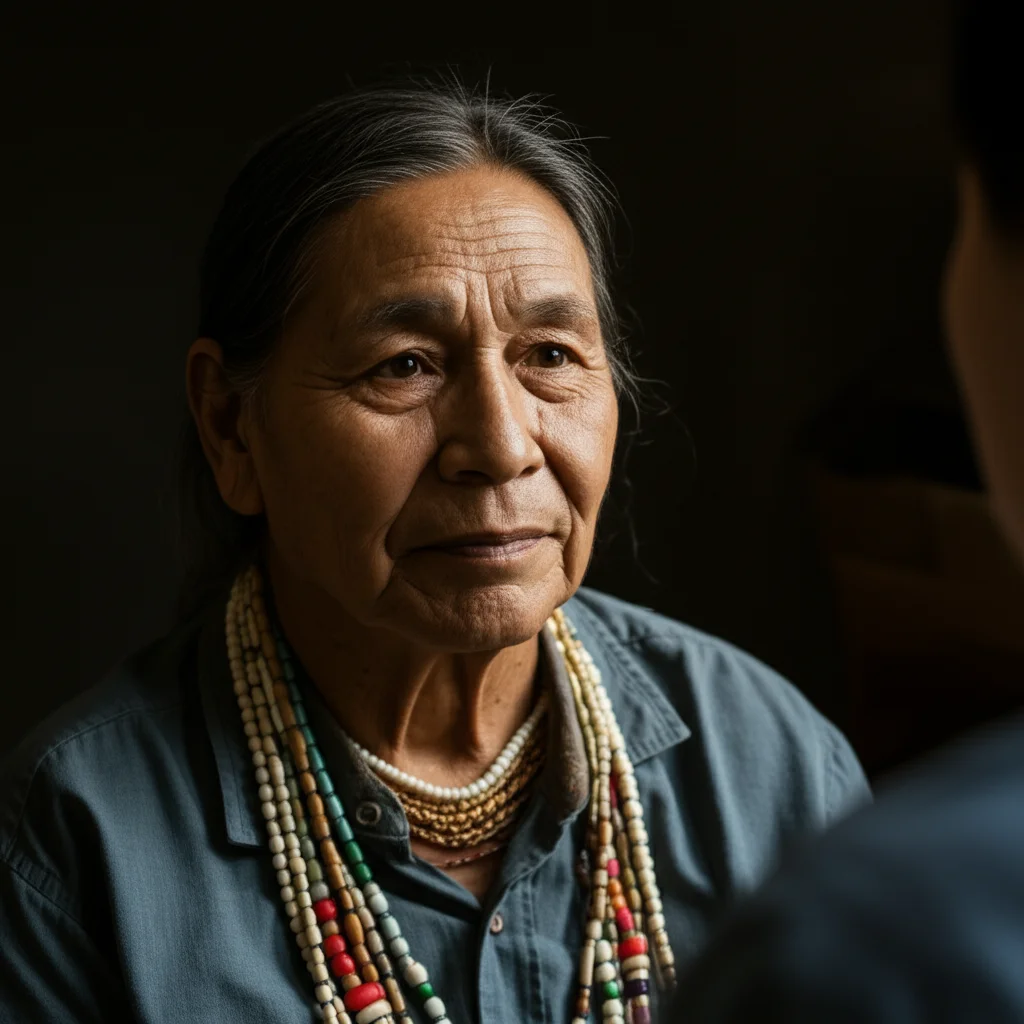
So, what did they find? The participants consistently described risk in a much broader way than the biomedical model does. For them, risk isn’t just about potential medical complications during birth. It’s about a whole web of factors, deeply connected to their lives, cultures, and the impacts of colonialism. They conceptualized risk in a *wholistic* manner, rooted in principles of self-determination.
Think about it: if *you* were told you had to leave your home, your partner, your other children, your support system, your land, and your cultural practices to give birth in a strange city, wouldn’t *that* feel risky? That’s exactly what participants articulated.
They identified four key areas of risk that shaped their overall assessment when facing evacuation:
- Risk of being separated from kin
- Risk due to a lack of health services (in their community)
- Risk of discrimination
- Self-determination of Risk (the right to decide for themselves)
Let’s break those down a little.
The Pain of Separation
This was a huge one. Participants spoke movingly about the emotional and practical risks of being separated from their kin. And here, “kin” isn’t just immediate family; it’s a broader, more relational concept that includes community members, Elders, and even the land itself.
Imagine leaving your other children behind, sometimes for weeks, in someone else’s care. The stress, the worry, the heartbreak – participants shared how this separation was incredibly difficult. One participant described crying with her sister over the phone while evacuated, highlighting the emotional toll of being alone in a “big town with nobody.”
Beyond human connections, being away from the land was also seen as a risk. The land holds traditional medicines and knowledge. Being separated from their community meant being separated from Elders who hold knowledge about bush medicine and traditional practices that support pregnancy and birth. Participants spoke about the strength they draw from the land and how being on the land is essential for their health and wellbeing. Being forced away from this connection, especially during such a significant life event, felt profoundly risky.
Lack of Local Care is Risky Too
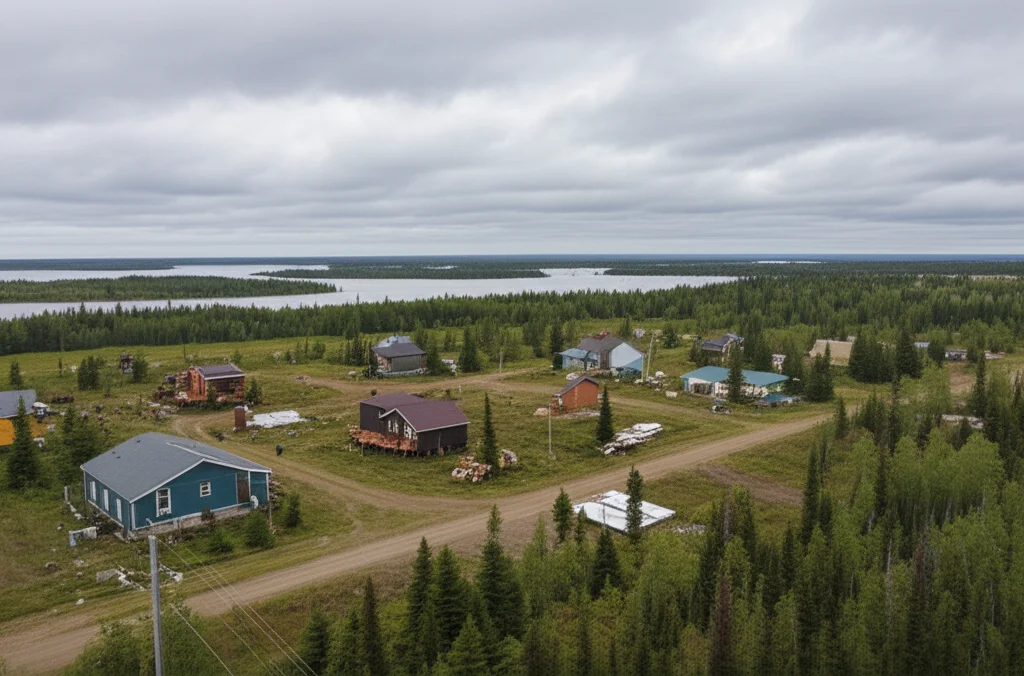
It might sound counterintuitive, but participants also saw the *lack* of adequate health services *in their own communities* as a risk factor that *forced* them into the risky situation of evacuation. Current nursing stations in many remote communities simply aren’t equipped or staffed to support births. This means even low-risk pregnant people have to leave.
Participants remembered a time when birth *did* happen in their communities, often with the support of Indigenous midwives. They dreamed of bringing that back. For many, having trained personnel like midwives available locally would make birthing in the community *less* risky than the alternative of evacuation. They wanted access to comprehensive care closer to home, including things like ultrasounds and bloodwork, so they wouldn’t have to travel throughout their pregnancy either.
Facing Discrimination
Sadly, a significant risk participants faced during evacuation was discrimination and racism in urban healthcare settings. They described experiences with healthcare providers who were rude, aggressive, and seemed to “not really care” for Indigenous people. Stories of rough treatment, not being listened to, and feeling judged were common.
One particularly disturbing finding was the risk of stereotyping, especially concerning substance use during pregnancy. Participants shared experiences where they felt judged or even threatened with child apprehension based on assumptions or outdated information in their charts, even when they were following medical advice or had stopped using substances. This fear of losing their child added immense stress and made accessing necessary care feel incredibly risky. Participants felt they had to constantly advocate for themselves or rely on their limited support network (often just one escort allowed by policy) to intervene against mistreatment. This highlights how systemic racism is deeply embedded in the healthcare system and creates significant health risks for Indigenous Peoples.
Dreaming of Home Birth
Despite these challenges, participants also shared powerful visions for the future, dreaming of perinatal care being brought back home. They remembered the time when birth was a community event, supported by Elders and Indigenous midwives. This memory fuels a strong desire to revitalize community-based birth.
Their dreams included:
- Having birth take place in the community, supported by trusted providers.
- Accessing comprehensive prenatal and postpartum care locally (check-ups, ultrasounds, bloodwork).
- Being cared for by kind, sensitive, and trustworthy healthcare providers, ideally community members.
- Ensuring continuity of care, so they don’t have to repeat their history to a new nurse every time.
- Having their full support network – partners, children, family – present throughout pregnancy and birth.
The resurgence of Indigenous midwifery is central to this vision. Participants saw midwives as the key to bringing birth safely back into the community, carrying forward traditional knowledge alongside modern skills. They want younger generations to have the opportunity to train and provide care at home.

What Needs to Change
This research makes it crystal clear: the current mandatory evacuation policy is not working for Indigenous Peoples. It’s based on a limited understanding of risk and causes significant harm. The findings point to several crucial actions needed:
- Shift from Mandatory to Voluntary: Evacuation for birth must become a voluntary, informed choice, allowing Indigenous Peoples to decide where and how they want to birth based on *their* understanding of risk.
- Incorporate Wholistic Risk: Health policies and clinical guidelines need to recognize and value the multiple dimensions of risk identified by Indigenous Peoples – separation from kin, discrimination, lack of local services, not just biomedical factors.
- Address Systemic Racism: Healthcare systems must actively work to prevent anti-Indigenous racism and discrimination. This includes implementing trauma-informed care, especially for vulnerable populations, and ensuring reporting and response systems are effective. Policies should support keeping families together and promote harm reduction, rather than defaulting to child apprehension.
- Support Community-Based Care: This means significantly investing in health services within Indigenous communities. Supporting and expanding the role of Community Health Representatives (CHRs) is vital, as they are trusted community members. Most importantly, it means supporting the resurgence and expansion of Indigenous midwifery, providing the necessary infrastructure and resources for midwives to provide comprehensive care, including birth, in communities.
Bringing Birth Home
Ultimately, this research is a powerful call to action to decolonize birth and healthcare for Indigenous Peoples in Ontario and across Canada. It shows that Indigenous Peoples are not passive recipients of care; they have sophisticated, wholistic understandings of health and risk, rooted in their cultures and experiences. They know what they need to feel safe and supported during pregnancy and birth.
Bringing birth back home isn’t just about location; it’s about restoring self-determination, strengthening families and communities, revitalizing cultural practices, and healing from the harms of colonial policies. It’s about ensuring that the sacred journey of bringing a new life into the world can happen surrounded by love, support, land, and culture, rather than fear, isolation, and discrimination.
This research, guided by the knowledge and experiences of Indigenous participants, lights the way forward. It’s time for health systems and governments to listen, learn, and act to support Indigenous Peoples in bringing birth home.
Source: Springer