
Unpacking the Mouth-Gut Link: IBD, Oral Health, and the Saliva Mystery
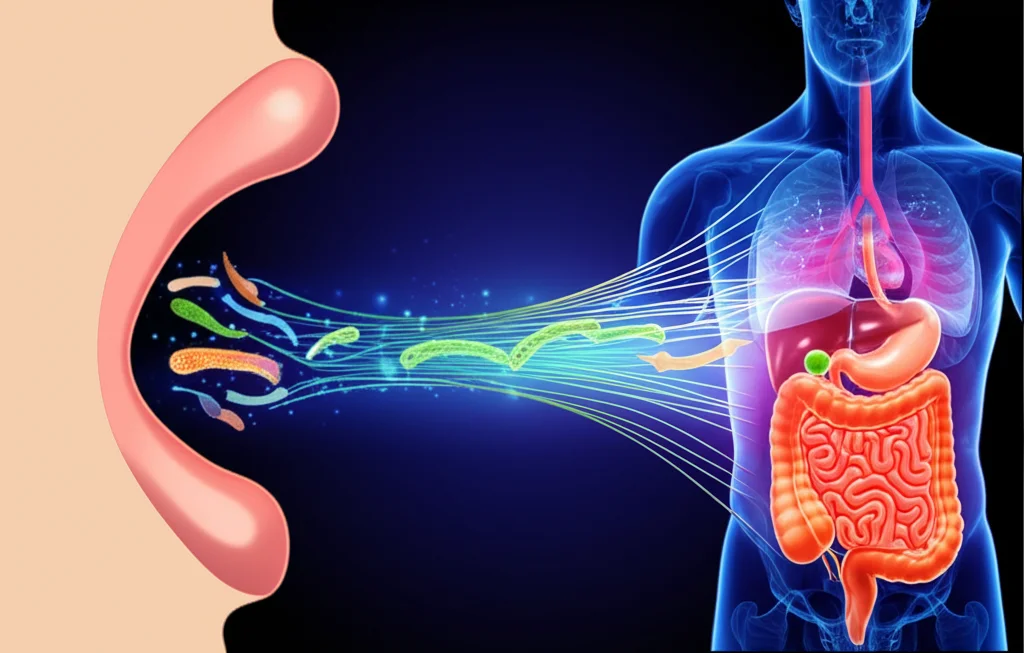
Hey there! Let’s chat about something pretty fascinating – the connection between your gut and your mouth, especially if you’re dealing with Inflammatory Bowel Disease (IBD). We often think of IBD as just affecting the intestines (Crohn’s disease and ulcerative colitis, right?), but it turns out this chronic inflammatory condition has a wider reach than you might expect. There’s this growing idea of a “mouth-gut axis,” suggesting that what’s happening upstairs in your mouth can actually reflect or influence what’s going on downstairs in your gut.
The Mouth-Gut Connection
For a long time, the focus in IBD has been on getting inflammation under control and preventing damage to the bowel. But clinicians are starting to look at the bigger picture. Your mouth isn’t just for eating and talking; it’s also a place where IBD can show up, sometimes even before those classic gut symptoms kick in. We’ve seen studies pointing to a link between IBD and increased oral health issues like periodontitis (that’s gum disease), dry mouth (xerostomia), and even more cavities.
Now, there have been a couple of studies that threw us a curveball, suggesting poor oral health might somehow be protective against IBD. But honestly, the bulk of the evidence we’re seeing points the other way – IBD patients often face significant oral health challenges. This really highlights why dentists and gastroenterologists need to team up to give patients the best possible care.
Why Biomarkers Matter
Monitoring IBD activity can be tricky. Symptoms alone aren’t always the best gauge because they can be subjective and don’t always line up with what’s happening at a cellular level or what an endoscopy would show. The goal has shifted from just managing symptoms to achieving mucosal healing (MH) – basically, getting the gut lining to heal. MH is the gold standard, usually checked with an endoscopy, but let’s be real, endoscopies are invasive, expensive, and not exactly a walk in the park for patients, especially without sedation.
This is where biomarkers come in – they’re like little internal indicators that can help us figure out what’s going on without needing invasive procedures. One well-known biomarker is fecal calprotectin (FCP). Calprotectin (CP) is a protein found in neutrophils (a type of white blood cell), and it’s present in lots of body fluids. FCP has been pretty well-established as a reliable marker for gut inflammation and disease activity in IBD. It’s used a lot in clinical trials and everyday practice to help guide treatment decisions.
The Saliva Puzzle: Could SCP Be the Answer?
Given the “mouth-gut axis” idea and the need for easier ways to monitor IBD, we started wondering about salivary calprotectin (SCP). Saliva is super easy to collect – non-invasive, quick, no need for special prep like with blood draws or stool samples. It’s already showing promise for diagnosing and monitoring things like periodontal disease and other systemic inflammatory conditions. Saliva contains tons of biomarkers, including inflammatory ones.
But here’s the catch: If IBD patients already have a higher chance of having periodontal disease, and periodontal disease itself can raise calprotectin levels in the mouth, how can we be sure that SCP is telling us about the *gut* inflammation and not just the *mouth* inflammation? It’s a bit of a chicken-and-egg situation.
Data on SCP in IBD has been limited and, frankly, pretty contradictory. Some studies suggested SCP is elevated in IBD, even independently of oral disease. Others found it was actually *lower* in IBD patients. And some found no correlation at all between SCP and FCP or disease activity scores. These conflicting results make it tough to figure out if SCP is a reliable marker or even what a “normal” or “high” level would be.
What We Set Out to Do
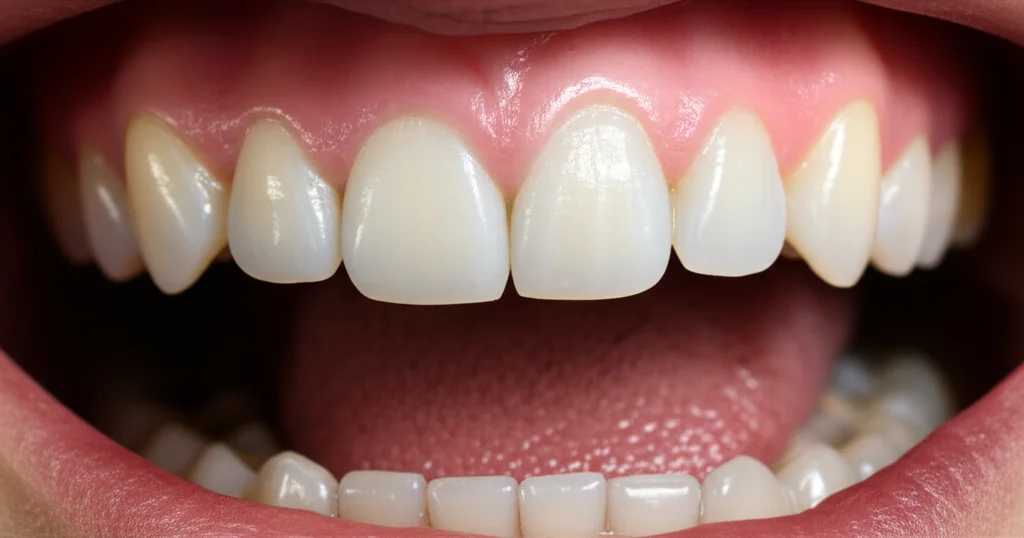
So, we decided to dive deeper. Our main goal was twofold: First, to get a clear picture of the oral health status of IBD patients in our group – looking specifically at periodontitis, cavities (using the DMFT score), and their need for dental work or even dentures/bridges. We compared them to a group of people without IBD to see the difference. Second, we wanted to explore whether SCP could potentially serve as a biomarker, either for IBD activity in the gut or for oral health status in these patients. We made sure to measure SCP using the exact same method as FCP to allow for a direct comparison.
Our Study’s Approach
We gathered 100 IBD patients (60 with Crohn’s, 40 with UC) and 14 healthy individuals as a control group. We checked their oral health thoroughly – looking at DMFT scores, diagnosing periodontal disease based on the latest criteria, and noting down any dental or prosthetic treatment needed. We also collected saliva and stool samples from everyone to measure SCP and FCP levels using the same laboratory method. We assessed IBD activity in the patients using FCP levels and standard clinical scores (Harvey-Bradshaw Index for CD, Partial Mayo Score for UC). We also looked at other inflammatory markers like CRP and ESR.
We analyzed all this data to see how oral health compared between the groups and if SCP levels correlated with FCP, disease activity scores, other inflammatory markers, or the presence/severity of periodontal disease.
What We Found About Oral Health
Okay, so here’s what we saw regarding oral health: The average number of decayed, missing, or filled teeth (DMFT score) was actually pretty similar between our IBD patients and the control group. Interestingly, the control group had a slightly higher average, though it wasn’t a statistically significant difference. However, when we looked at periodontal disease, the picture changed dramatically. Periodontal disease was significantly more common in our IBD patients (57% in CD, 70% in UC) compared to the control group (29%). And not just more common, but more *severe* – the IBD patients were much more likely to have advanced stages (Stages III/IV) of the disease.
Beyond just gum disease, we also found that a huge percentage of IBD patients (89%) needed some kind of dental treatment, and a significant number (39%) required prosthetic work (like dentures or bridges). The control group needed much less dental and prosthetic care. We didn’t see any ulcers or other obvious oral lesions in either group during our check-ups, which was perhaps a bit surprising given some reports, but the underlying gum health issues were certainly prominent in the IBD group.
The Salivary Calprotectin Puzzle Continues
Now, for the SCP part. We measured calprotectin in both saliva and stool samples. What we found was… well, it didn’t quite live up to the hope of being a simple biomarker. There was no significant correlation between SCP levels and FCP levels in our IBD patients. This was a key finding because FCP is our go-to for gut inflammation.
We also didn’t see any statistically significant difference in SCP levels between the control group and the IBD patients overall. When we split the IBD patients into those with active disease and those in remission (based on FCP and clinical scores), there was still no significant difference in SCP levels compared to controls, or even between the active and inactive IBD groups themselves. This was in stark contrast to FCP, which, as expected, was significantly higher in patients with active disease.
We checked if different IBD treatments influenced SCP levels, but we didn’t find any significant differences there either. And when we compared SCP to other blood markers of inflammation like CRP and ESR, there was no significant correlation. FCP, on the other hand, correlated nicely with CRP and ESR, reinforcing its role as a reliable marker. The clinical disease activity scores (HBI and PMS) also didn’t correlate significantly with SCP.

Given that periodontitis is common in IBD and CP is elevated in periodontal disease, we also looked to see if SCP levels correlated with oral health status, specifically periodontal disease, in both IBD patients and controls. Again, we found no significant difference in median SCP levels between individuals with or without periodontal disease in either group. This suggests that in our study, SCP wasn’t reflecting the presence or absence of gum disease either.
Putting It All Together: What Does It Mean?
So, what’s the takeaway from all this? First off, our study strongly supports the idea that IBD patients, particularly those with ulcerative colitis in our group, have poor oral health, with a high prevalence and severity of periodontal disease. This aligns with other studies and really drives home the point that assessing oral health should be a routine part of caring for IBD patients.
Second, regarding SCP as a biomarker, our findings add to the conflicting data out there. In our cohort of 100 IBD patients, SCP didn’t correlate with gut disease activity (measured by FCP or clinical scores) or with other inflammatory markers. It also didn’t correlate with the presence of periodontal disease. This suggests that, based on our study, SCP might not be a reliable standalone marker for monitoring either IBD activity or oral health status in these patients.
Why the conflicting results across studies? It could be due to different methodologies for measuring SCP, different patient populations, or other factors influencing salivary composition. It’s a complex picture.
Limitations and Future Steps
Of course, our study had its limitations. It was conducted at a single center, which might limit how broadly the findings apply. We didn’t do a formal power calculation beforehand because the data on SCP in IBD was so inconsistent, making it hard to estimate the right sample size. Also, we had a relatively small number of patients with *active* IBD, which could mean our study wasn’t powered enough to detect subtle associations between SCP and disease activity, even if they exist. However, we believe our findings regarding the lack of correlation with FCP and clinical scores are still meaningful.
Despite these limitations, our work provides important insights. It confirms the high burden of periodontal disease in IBD patients and contributes new data to the ongoing debate about SCP’s utility. While SCP is appealing as a non-invasive marker, its clinical value in IBD remains uncertain, possibly due to other inflammatory factors in saliva or the influence of oral conditions like periodontitis (though our study didn’t find that specific link for SCP). Even if SCP *could* be useful, our findings suggest you’d probably need to check oral health status first, which might make it less practical for routine use.
Ultimately, this highlights the need for more research to understand the complex interplay between oral and intestinal health in IBD and to find reliable, non-invasive ways to monitor the disease. The mouth-gut axis is definitely a frontier worth exploring!
Source: Springer