
Your Gut Bugs and Cancer: What a New Study Reveals
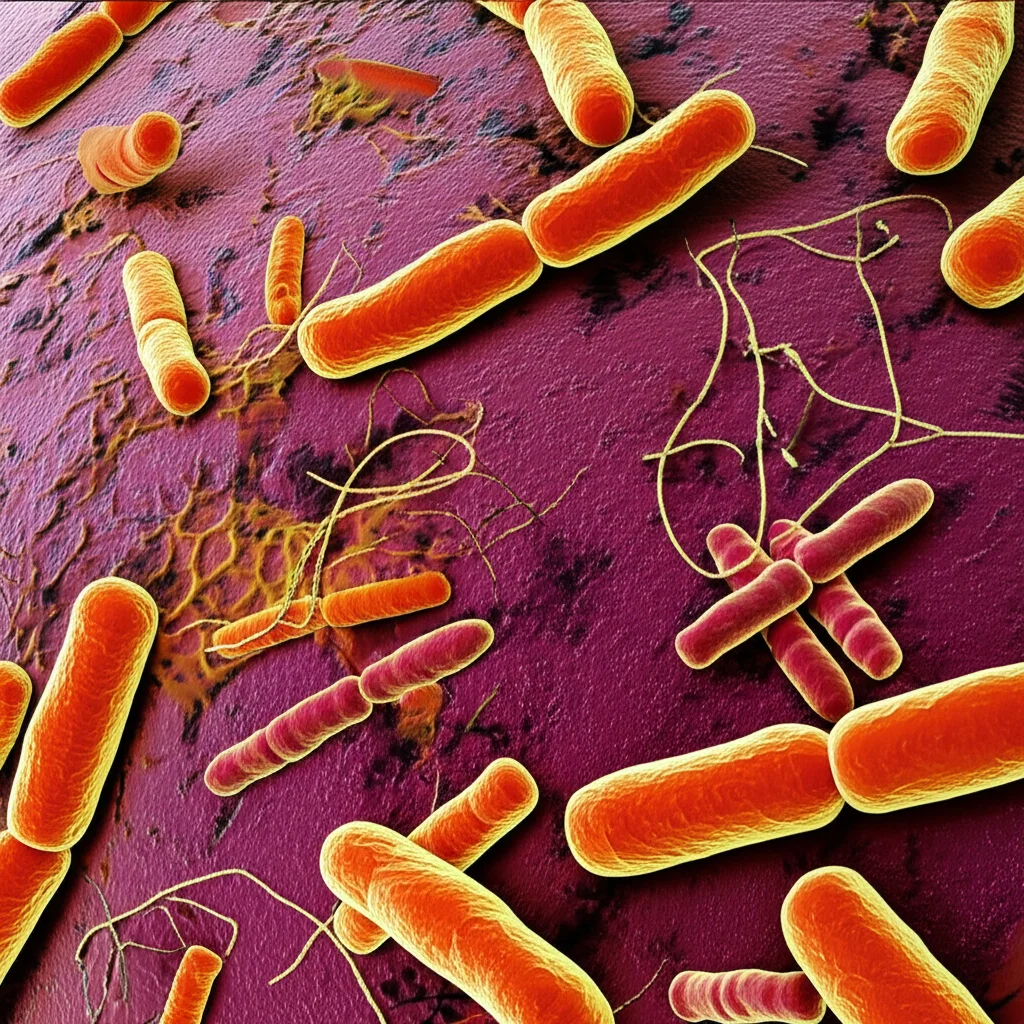
Hey there! Let’s chat about something super fascinating that lives right inside you – your gut microbiome. Think of it as a bustling city of tiny residents, mostly bacteria, hanging out in your digestive system. For ages, we just thought they were… well, just *there*. But guess what? Science is constantly showing us that these little guys are way more involved in our health than we ever imagined, and sometimes, they might even play a role in serious stuff like colorectal cancer (CRC).
CRC is a big deal, unfortunately, still a major cause of death in many parts of the world, including places like Europe and North America. It often starts as these little pre-cancerous growths called adenomatous polyps. Now, whether these polyps decide to stay put or go rogue and turn into full-blown cancer seems to depend on a bunch of things, and increasingly, researchers are looking at our gut buddies as potential influencers.
Diving into the Research
So, I stumbled upon this neat study that decided to take a closer look at this exact connection. The brilliant minds behind it wanted to see if the mix of bacteria in your gut changes as you go from being perfectly healthy, to having those adenoma polyps, and then to having actual carcinoma. It’s like they were trying to map the microbial landscape at different stages of the journey.
They gathered samples – specifically, biopsy samples right from the colon lining – from three groups of people: healthy folks, patients with adenomas, and patients with carcinomas. They used some fancy technology called Illumina MiSeq to figure out exactly which bacteria were present and in what amounts. Think of it as taking a census of the gut city residents at different locations.
What Did They Find? Differences Galore!
Right off the bat, they saw some significant differences in the bacterial lineups between the groups. It wasn’t just the same crowd everywhere. The most striking changes seemed to pop up when they looked at the cancer group compared to the healthy one.
Interestingly, the tumor-associated microbiome (the bugs found near the cancer) actually showed *increased* bacterial diversity. This might sound counter-intuitive because sometimes we hear that lower diversity is bad, but the study suggests this could be because the tumor environment is rich in nutrients, allowing more types of bacteria to hang out, or maybe it’s just a phase during the shift towards an unhealthy state.
They also found specific types of bacteria that were more common in the cancer group. We’re talking about groups like Verrucomicrobia (especially a genus called Akkermansia) and certain Bacteroidetes (like the genera Porphyromonas and Prevotella). On the flip side, the healthy group had more of certain Proteobacteria, specifically a genus called Microvirga.
The adenoma group also showed some elevated levels of specific bacteria compared to the healthy controls, suggesting changes might start happening even at the pre-cancerous stage.
Meet Some Key Players
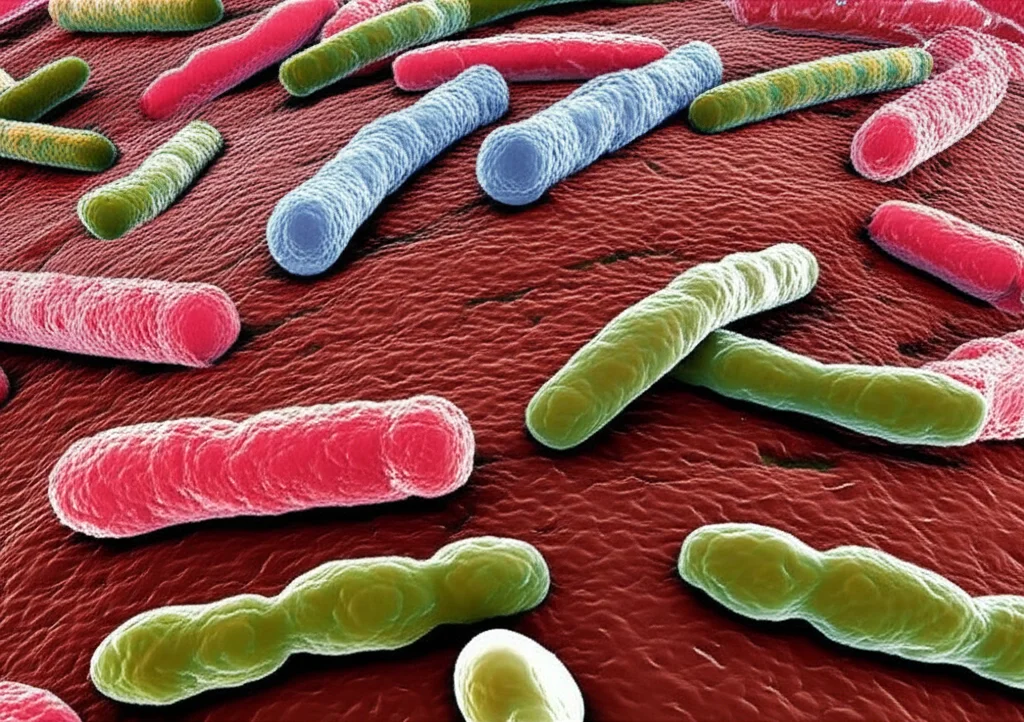
Let’s zoom in on a couple of these characters:
- Akkermansia: This one, particularly A. muciniphila, was more abundant in both adenoma and carcinoma samples. It’s known for breaking down the mucus layer in your gut. While it can be beneficial in some contexts, breaking down mucus can potentially weaken the gut barrier and allow other less friendly bacteria to get closer to the gut lining.
- Porphyromonas: This genus significantly increased in the carcinoma group. These guys are often found in the mouth and are linked to inflammation. The study suggests that the environment around a tumor might attract these opportunistic pathogens, and they could potentially help the cancer grow by causing inflammation and messing with cell processes like apoptosis (programmed cell death).
- Prevotella: Also increased in the adenoma group compared to controls. Like Porphyromonas, some species are associated with inflammation.
- Microvirga: This genus was significantly *more* abundant in the healthy group. The researchers speculate that this might be a protective player. Why? Because some Microvirga species contain genes involved in DNA repair processes. Pretty cool, right? Maybe they help fix damage that could otherwise lead to cancer.
The study also looked at broader groups (phyla). Firmicutes and Bacteroidetes were the most common overall, which is typical for a healthy gut. However, Verrucomicrobia and Synergistetes showed significant differences between the groups, both being more prevalent in the cancer stages.
Looking Within: Tumor vs. Adjacent Tissue
Another interesting part of the study was comparing the bacteria right in the adenoma or tumor tissue to the bacteria in the healthy-looking tissue right next door in the same patient. For adenomas, the bacterial communities weren’t remarkably different between the polyp and the adjacent tissue.
However, in the carcinoma group, while the overall structure wasn’t drastically different by some measures, they did see shifts in the dominant players. In the cancer tissue itself, Firmicutes were more dominant, while in the adjacent healthy tissue, Bacteroidetes were more dominant. At the genus level, Escherichia/Shigella were more dominant in cancer tissue, while Bacteroides were more dominant in the adjacent tissue. This supports the idea that the local environment of the tumor influences which bacteria thrive there, potentially fitting into something called the ‘driver-passenger’ model of CRC development, where some bacteria might initiate damage (drivers) and others move in later to take advantage of the altered environment (passengers).

What Does It All Mean?
These findings really hammer home the point that our gut microbes aren’t just passive bystanders. They seem to change as colorectal cancer develops and progresses. Identifying these specific bacterial shifts could be super important.
Think about the possibilities! If we know which bacteria are linked to adenomas or carcinomas, maybe we can use that information for early detection – a microbial biomarker! Or, even more exciting, maybe we can figure out ways to manipulate the gut microbiome to prevent polyps from forming or progressing, or even help treatments work better. Could specific probiotics or prebiotics be part of the solution? It’s definitely an avenue worth exploring.
A Little Caveat
Now, the researchers are very upfront about the fact that this was a pilot study. The sample size was quite small (only 27 people total across the three groups). While the results are compelling and point to clear differences, they can’t draw super definitive, widespread conclusions just yet based on this study alone. They recommend more research with larger groups of people and maybe even looking at stool samples, which are easier to collect than biopsies.

Wrapping It Up
So, the takeaway here is that the relationship between our gut bugs and colorectal cancer is complex and dynamic. This study provides more evidence that the microbial community changes significantly as the disease progresses from healthy tissue to adenoma to carcinoma. Identifying these specific changes is a crucial step towards potentially using the microbiome for diagnosing, preventing, or even treating CRC in the future.
It’s a reminder that the tiny world inside us is intricately linked to our overall health, and there’s still so much to learn!
Source: Springer