
Unlock Better Weight Loss: The Muscle-Saving, Fat-Melting Combo You Need to Know About
Hey there! So, you know how everyone’s talking about those amazing new weight loss medications, the GLP-1 RAs? Like Ozempic or Wegovy? They’re pretty revolutionary, helping folks shed some serious pounds, mainly by curbing appetite and making you eat less. And that’s fantastic! But here’s a little something we need to chat about – there’s a catch.
The GLP-1 RA Revolution and Its Catch
While these meds are rockstars for weight reduction, a significant chunk of that weight loss, sometimes up to 40%, isn’t just fat. Nope, it’s lean mass, and a big part of that is muscle. Now, losing muscle isn’t ideal, right? Muscle is super important for metabolism, strength, and overall health. Think about it: if you lose muscle, your body burns fewer calories at rest. Plus, if you ever stop the treatment (which happens for lots of reasons), studies show people tend to regain the weight, and guess what comes back? Mostly fat. This cycle of losing muscle and regaining fat can actually make things worse for folks dealing with obesity-related health issues. It’s like taking one step forward and two steps back in terms of body composition.
Why does this happen? Well, our bodies are pretty smart, but they’re also stuck in ancient survival mode sometimes. When you drastically cut calories, your body thinks there’s a famine. Muscle uses a lot of energy, so evolution wired us to reduce muscle mass during food scarcity to conserve energy. It’s a survival mechanism from way back when, but totally counter-productive in today’s world where excess calories are the norm!
Targeting the Muscle-Shrinking Signals
So, how do we get the awesome weight loss benefits of GLP-1 RAs without sacrificing that precious muscle? Scientists have been digging into the mechanisms that control muscle size. A key pathway involves something called type II activin receptors (ActRIIA/B). Blocking these receptors can lead to serious muscle growth. Pretty cool, huh? But these receptors are like a central command for *lots* of signals, not just muscle stuff, so blocking them broadly might have unwanted side effects.
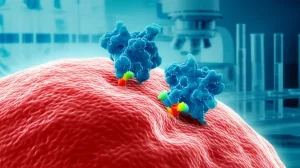
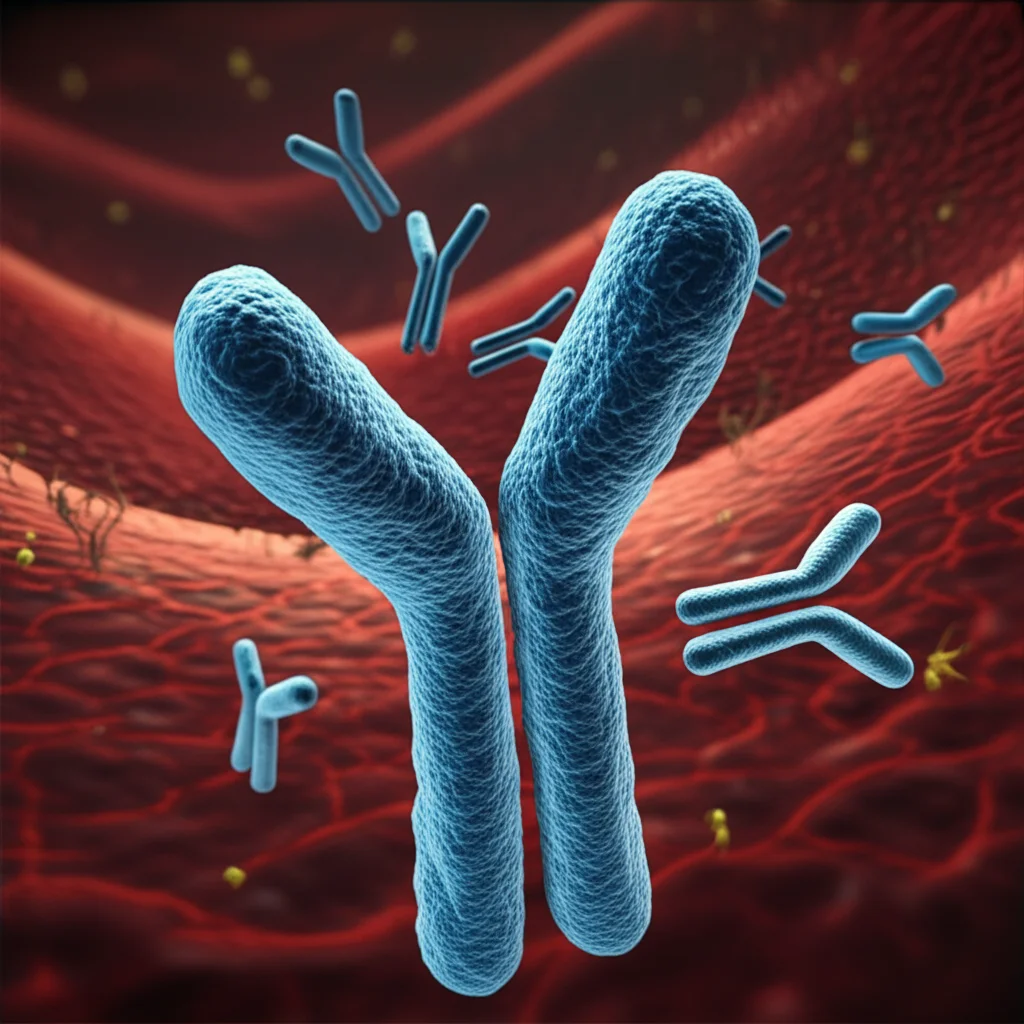
That’s where the real cleverness comes in. Researchers, including the folks behind this study, figured out that two main signals, or “ligands,” are primarily responsible for telling these receptors to minimize muscle during calorie restriction: GDF8 (also known as myostatin) and Activin A. By specifically blocking *these two* signals, you can target the muscle-minimizing pathway much more precisely than blocking the receptor itself. They even developed special antibodies, trevogrumab (for GDF8) and garetosmab (for Activin A), to do just that. Previous work showed that blocking both GDF8 and Activin A together (dual blockade) leads to much bigger muscle gains than blocking either one alone, matching the effect of blocking the broader receptor pathway. They even saw this in humans!

Putting the Combo to the Test (Mice)
Okay, so we have GLP-1 RAs for weight loss and dual GDF8/Activin A blockade for muscle growth. What happens when you put them together? That’s what this study set out to find, starting with obese male mice. They fed the mice a high-fat diet to make them obese, then split them into groups: control, semaglutide (a GLP-1 RA), the dual antibody blockade alone, and semaglutide plus the dual blockade.
The results were pretty exciting! Both the semaglutide group and the semaglutide + dual blockade group lost significant body weight, and the amount of weight loss was similar between these two groups. *But* the body composition was dramatically different. The semaglutide-only group lost significant lean mass (muscle), just as expected. The group getting the dual blockade alone actually *gained* significant lean mass, even with only a modest weight change.
Now, for the star of the show: the group getting semaglutide *plus* the dual blockade. They didn’t just *prevent* muscle loss; they actually saw a significant *increase* in lean mass! And here’s the kicker – with similar total weight loss to the semaglutide-only group, the combo group had *markedly greater fat loss*. Almost twice as much! So, same weight loss number, but way better quality – more muscle, less fat. They also saw better results in reducing liver fat and triglycerides in the combo group. Pretty neat, huh?
Translating the Findings (Monkeys)
Mice are great, but what about something closer to us? The researchers took these findings to obese male cynomolgus monkeys, feeding them a high-fat, high-fructose diet. They ran a similar study, treating groups with control, semaglutide, dual antibody blockade, or semaglutide plus the dual blockade for 20 weeks.
Again, the results mirrored what they saw in mice. Both semaglutide groups (with and without the antibodies) showed similar initial reductions in body weight and total mass. But once the antibodies were added to the semaglutide group, things started to diverge. The semaglutide + dual blockade group showed progressively greater fat loss and progressively greater increases in lean mass compared to the semaglutide-only group. The dual blockade alone group saw the largest increase in lean mass overall, with modest fat decreases.
Beyond body composition, the combo treatment also led to the biggest improvements in metabolic health markers like HbA1c (a measure of blood sugar control), LDL-C (bad cholesterol), and HDL-C (good cholesterol). It seems preserving and building muscle while losing weight with a GLP-1 RA has some serious metabolic benefits.
Why This Matters (and a Little Speculation)
So, why is this such a big deal? Well, as we talked about, losing muscle with current GLP-1 RA treatments is a real concern. It can negatively impact metabolism and make it harder to keep the weight off long-term. This research suggests a way to potentially fix that. By adding GDF8 and Activin A blockade, you could turn a weight loss journey that involves losing muscle into one that preserves or even builds muscle, all while boosting fat loss.
The scientists speculate that the reason the combo group lost *more* fat, even with similar calorie intake (because the semaglutide effect on appetite was similar), is because the increased muscle mass burns more energy. It’s like giving your metabolism a little turbo boost!
Now, a quick note on limitations: this specific study focused on male mice and monkeys. However, the researchers mention that the individual antibody treatments have been tested in female monkeys and postmenopausal women in other studies and showed significant lean mass gain and fat loss. So, they expect the combination would work similarly well in females.
They also touched on safety, referencing an accompanying human study. The antibody combination was generally well-tolerated, with some side effects like headache, muscle spasms (which are expected when you mess with muscle growth pathways!), mouth sores, and upper respiratory infections. Nothing too alarming popped up that wasn’t already known or expected for this type of target.

Think back to that evolutionary survival mechanism – losing muscle during calorie restriction. This combo treatment essentially overrides that ancient programming. In a world where obesity is a major health crisis, and sedentary lifestyles are common, this muscle-saving approach during weight loss could be incredibly impactful.
Looking Ahead
In a nutshell, this study provides compelling evidence in obese mice and monkeys that combining GLP-1 RA treatment with specific blockade of GDF8 and Activin A doesn’t just help you lose weight; it helps you lose weight *better*. You keep (or gain!) muscle, lose more fat, and potentially see greater improvements in metabolic health.
It’s still early days, and more research, especially in diverse human populations, is needed. But the possibility of supplementing GLP-1 RA therapy with this dual blockade to dramatically improve the quality of weight loss is incredibly exciting. It could be a real game-changer in the fight against obesity and its related health problems.

Source: Springer