
Fox Control Puzzle: Why Lethal Baiting Isn’t Reducing Numbers Down Under
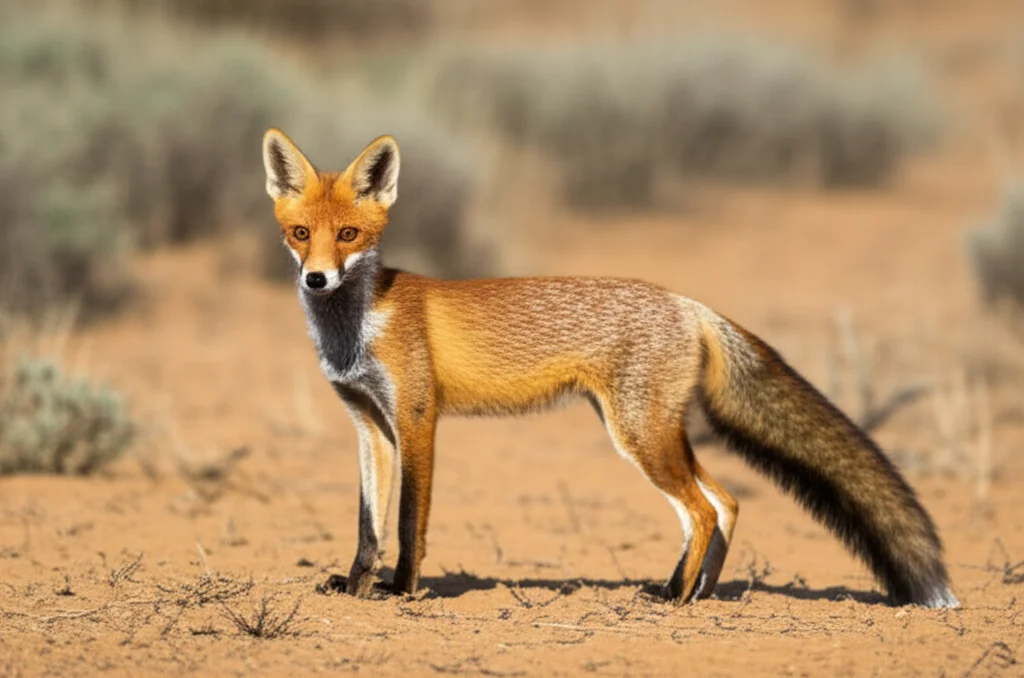
Okay, let’s talk about foxes. Specifically, the European red foxes that have made themselves quite at home in Australia since way back in the 1830s. Now, these aren’t just cute critters; they’re considered a major invasive predator, causing all sorts of headaches for native wildlife, sadly even linked to species extinctions. Because of this, folks in Australia put a lot of effort into controlling their populations, and one of the go-to methods is lethal control, often using poison baiting like 1080.
It seems like a straightforward idea, right? Less foxes equals more happy native animals. But here’s the thing: despite all the time and money poured into these control programs (and believe me, it’s a lot – billions have been invested nationally), there’s been some nagging doubt about just how effective they really are. And honestly, sometimes the desired outcomes aren’t even properly checked or measured. That got me thinking, and it’s exactly what a recent study aimed to figure out.
Putting Baiting to the Test
So, what did these clever researchers do? They set up a study in the Wimmera region of Victoria, Australia. They picked three spots, each with a different approach to fox baiting:
- One spot had no baiting at all (this was the control).
- Another had standard systematic baiting.
- And the third had intensified baiting (baits placed closer together).
Think of it like a science experiment in the bush! They wanted to see if more baiting actually meant fewer foxes, or at least less fox activity. But they didn’t stop there. They also wanted to see what happened to other animals in the area – like feral cats (another invasive predator), and native and invasive herbivores such as kangaroos, wallabies, rabbits, and hares. Would removing foxes cause a “release” of cats, or maybe let the herbivores run wild? It’s all about understanding the bigger picture.
To do this, they used camera traps – basically, motion-sensing cameras set up along tracks. These little eyes in the bush watched and recorded animal activity over a couple of years, from April 2021 to August 2023. They carefully analysed all the detections to figure out not just how many times animals were seen, but also *when* they were most active throughout the day and night.
The Surprising Fox Findings
And here’s where it gets really interesting, and maybe a little counter-intuitive. Based on what we’d expect, you’d think the spots with more baiting would have the least fox activity, right? Well, the study found that the baiting treatment wasn’t actually linked to lower fox activity. In fact, the location with no baiting at all, Nurcoung, consistently had the lowest activity of both foxes and cats throughout the entire study period!
The areas with baiting, both standard and intensified, generally showed higher fox activity than the unbaited site. Over the study period, fox activity actually declined in the unbaited area, while it either stayed the same or even increased in the baited areas. This really makes you scratch your head – it suggests that maybe, just maybe, hitting foxes with lethal control in these semi-arid areas isn’t having the desired effect of reducing their presence or activity. It seems the spatial intensity of baiting didn’t make much difference either.

What About the Neighbours?
So, if baiting wasn’t clearly reducing fox activity, what did that mean for the other animals they were watching? The researchers looked closely at feral cats, kangaroos, wallabies, rabbits, and hares. The hope is often that reducing a dominant predator like the fox will benefit native prey or at least not cause problems with other invasives.
For cats, the picture was a bit mixed. There wasn’t a consistent difference in cat activity between the baited and unbaited sites across all years. However, there was a trend: cat activity actually increased over time in the area with intensified fox baiting, while it declined in the other two areas. This *could* suggest that removing foxes might benefit cats (known as mesopredator release), but it’s not a clear-cut case here, especially since fox activity didn’t decrease in that same area. Plus, cat activity remained much lower overall compared to foxes.
When it came to the herbivores – kangaroos, wallabies, rabbits, and hares – the study didn’t find strong, consistent evidence that their activity levels changed significantly or predictably based on the different baiting regimes. For example, kangaroo and rabbit activity actually increased in the *unbaited* location over the study period, which might be linked to the lower fox activity there, but other prey species didn’t show the same trend. Swamp wallaby activity was lowest in the intensified baiting area, but didn’t increase in the other areas.

Night Owls and Early Birds
The cameras also revealed a lot about the animals’ daily routines. Kangaroos, as you might expect, were mostly active around dawn and dusk. The other species – foxes, cats, wallabies, rabbits, and hares – were primarily nighttime movers. What was interesting was the temporal overlap between predators and prey.
Foxes and cats had high overlap, both being mostly active at night, though cats tended to peak a bit later. Foxes also showed high overlap with rabbits and swamp wallabies, and moderate overlap with hares. It seems the foxes are pretty savvy; their peak activity often coincided with or closely followed the peak activity of their preferred prey species at night. Kangaroos had lower overlap with foxes, likely because adult kangaroos aren’t typically targeted, although juveniles can be.
This suggests that instead of prey changing their schedules to avoid foxes (temporal avoidance), the foxes might actually be adjusting their activity patterns to match when their dinner is most available! The study didn’t find much evidence that the baiting regimes changed these temporal relationships significantly.

Why Isn’t It Working Like We Hoped?
So, why isn’t lethal baiting in these areas reducing fox activity as expected? The study authors point to a few potential reasons:
- Immigration: Reserves are often surrounded by farmland or other areas where foxes aren’t controlled. Killing foxes in the reserve might just create a vacuum that foxes from surrounding areas quickly fill. Think of it like trying to empty a bathtub with the tap still running – you need to turn off the tap (or at least slow it down) to make a real difference. This idea, called a source-sink dynamic, is a likely culprit.
- Population Dynamics: Sometimes, removing individuals can actually boost the survival or breeding success of the ones left behind, leading to quicker population recovery than you’d expect.
- Bait Issues: It’s possible that foxes are developing resistance to the bait (either learning to avoid it or through selection), or maybe the bait delivery methods aren’t as effective as they could be. Previous work in the same region suggested many foxes either didn’t eat baits or only ate baits with sub-lethal poison levels.
- Study Limitations: The researchers acknowledge that the three study sites, while representing different baiting regimes, also had different environmental characteristics (size, surrounding landscape, management history, fire history). These differences could influence the underlying animal activity levels and trends, making it harder to isolate the exact effect of baiting alone. Ideally, you’d want to compare sites that were identical except for the baiting.
Where Do We Go From Here?
This study really drives home a critical point: we absolutely *must* monitor the outcomes of invasive species control programs properly. Just assuming they work isn’t enough, especially when resources for conservation are limited. We need to know if our efforts are actually achieving the goals we set out to reach.
The findings suggest that simply baiting within reserve boundaries in this fragmented landscape might not be sufficient to suppress fox populations effectively. To get better results, a broader, landscape-scale approach that doesn’t stop at reserve fences (a “nil-tenure” approach) might be essential. This would involve coordinating control efforts across different land types, including the surrounding agricultural areas.
Also, looking into improving bait delivery methods or understanding potential bait resistance seems like a worthwhile avenue. And finally, future studies would benefit from designs that better account for environmental differences between locations, perhaps using before-and-after comparisons or selecting more comparable sites.
Ultimately, managing invasive species like the red fox is complex. It’s not just about removing the target animal; it’s about understanding the whole ecosystem and how our actions ripple through it. This study is a valuable piece of the puzzle, reminding us that sometimes the most intuitive solutions don’t work as planned, and that rigorous monitoring is our best tool for figuring out why and finding better ways forward for native wildlife.
Source: Springer