
Flu Shots for MM: One and Done, or Need Two?
Hey there! Let’s chat about something super important for folks living with Multiple Myeloma (MM). You know, dealing with MM is tough enough, and unfortunately, it often makes the immune system a bit sluggish. This means things like the flu, which might just be a nuisance for some, can be a really big deal, even dangerous.
So, getting that annual flu shot is a big deal – it’s totally recommended and part of the standard care plan. It’s our way of trying to build up some protection against those pesky Influenza A/B viruses that cause so much trouble worldwide each year. We’re talking millions of hospitalizations and hundreds of thousands of deaths globally, and for cancer patients, the risks are even higher.
But here’s the rub: sometimes, one shot just doesn’t do the trick for everyone with MM. The immune response can be weaker because of the disease itself and the treatments we use. Previous studies have shown that while one shot helps, a second, or ‘boost’, shot can increase the protection rate. But does *everyone* need that second shot? Especially with all the new treatments out there? That’s been a bit of a head-scratcher.
Diving into the Details
That’s where our little look-back study comes in. We decided to peek at the data from 71 MM patients treated at our place during the 2019/20 flu season. We wanted to get a better handle on how their immune systems responded after getting either one or two doses of the standard tetravalent flu vaccine. We looked at their antibody levels – these are like the little soldiers your body makes to fight off the virus – at different times after vaccination. We also checked out their immune cell counts *before* they even got the shot, because those cells are key players in building immunity.
The goal was to see who got a “sufficient” response – basically, did their antibody levels reach a point that’s generally considered protective (though, full disclosure, that protective level is mostly confirmed for healthy young folks, not specifically for MM patients). We also wanted to see if getting that second shot made a big difference and if things like their disease status or the treatments they were on played a role.
The Antibody Report Card
So, what did we find? Well, overall, about 63.3% of the patients in our study achieved a sufficient antibody response after either one or two vaccinations. That’s actually pretty good, maybe even a bit better than some older studies have reported, which might be because a lot of our patients were in a really good state of remission (complete or very good partial remission – CR/VGPR).
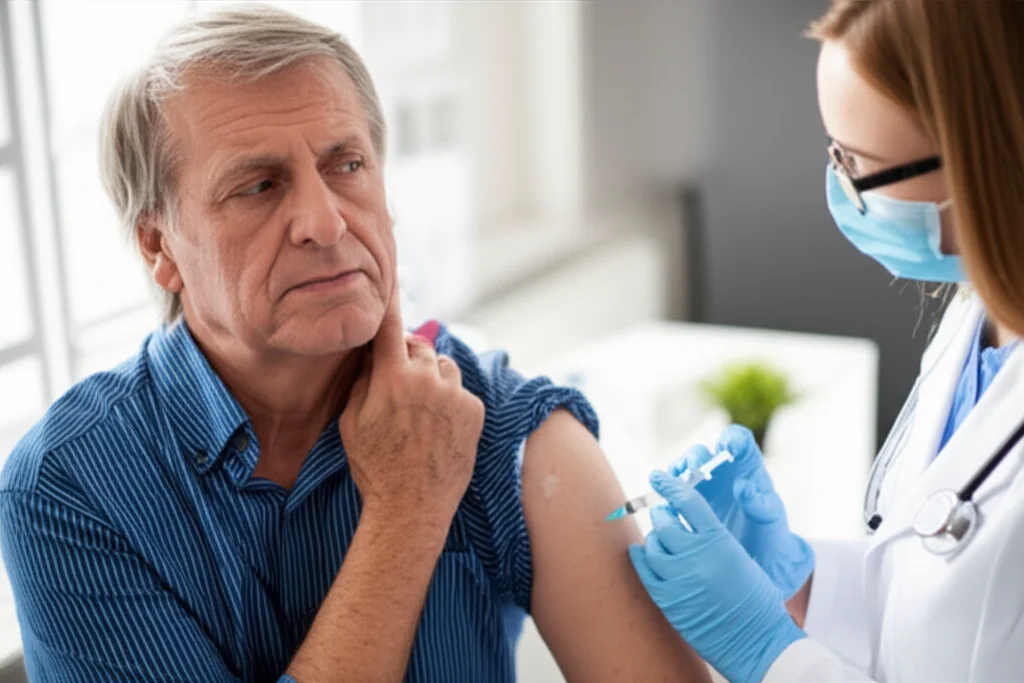
We saw a significant jump in antibody levels against the different flu strains *already after the first vaccination*. This was a key observation! Now, for the patients who got the second shot (about 73% of the group), we looked to see if that boost significantly increased their antibody levels *or* the *rate* of people who achieved a sufficient response. And, surprisingly, while antibody levels trended higher, we didn’t see a *significant* increase in the overall percentage of responders after that second shot compared to after the first.
We also checked if the protection from a single shot faded quickly over about a month, and it didn’t seem to significantly drop within that follow-up period. This suggests that for many, one shot might indeed provide a decent, lasting initial response, at least for a while.
Spotting the Super Responders
Okay, so if the second shot didn’t significantly boost the *overall* responder rate, who *did* respond well? We dug into the patient characteristics to find out. It turns out, patients who achieved a sufficient response were more likely to be in CR/VGPR – that really good remission status we talked about. They also tended to have less *immunoparesis*, which is basically a weakened immune state often seen in MM. Being in a better disease state seems to help the body respond to the vaccine.
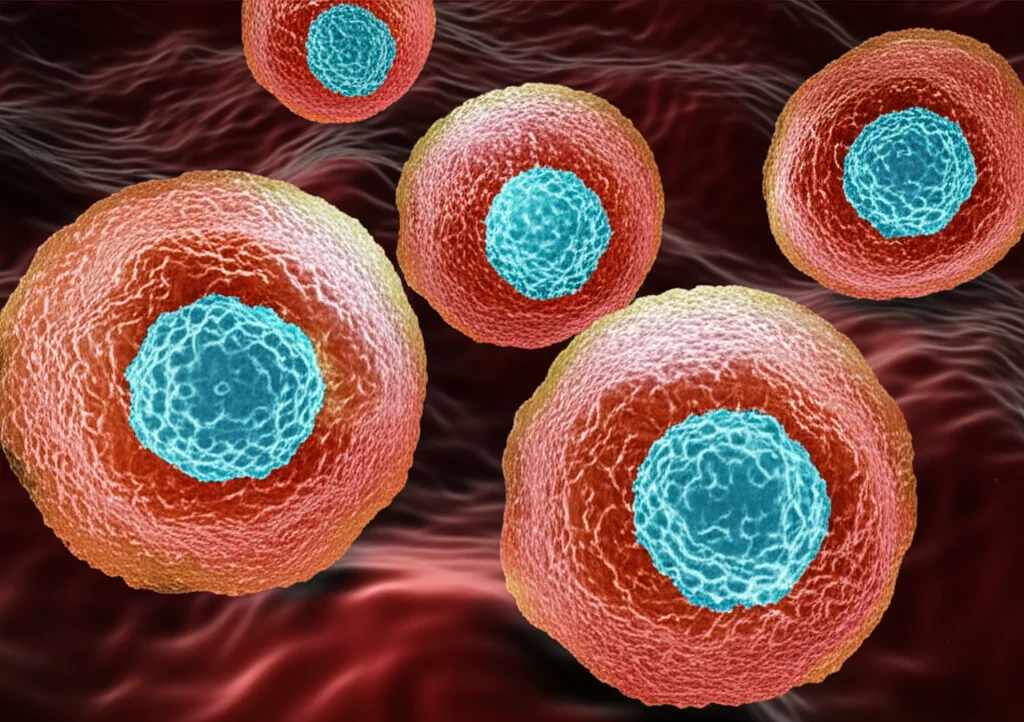
We also looked at their immune cells *before* vaccination. Patients who responded well had significantly higher counts of certain key immune cells, specifically CD19+ B-cells (which are crucial for making antibodies) and CD4+ T-cells (which help coordinate the immune response). This makes sense – more of the right cells means a better chance of building immunity.
Interestingly, there was a trend (though not statistically significant in this small group) that responders might have had less prior exposure to treatments including anti-CD38 antibodies. These treatments are great at targeting MM cells, but they can also affect B-cells, which are needed for vaccine response. This aligns with similar observations seen with COVID-19 vaccines in MM patients.
The Transplant Connection
Here’s where the second shot might really shine for a specific group. We noticed that patients who *didn’t* achieve a sufficient response after the *first* vaccination, but *did* respond after the *second* one (we called them “late responders”), had something in common: they had received high-dose chemotherapy followed by autologous stem-cell transplantation (HDC-ASCT) more recently than the early responders.
Specifically, the time since their last HDC-ASCT was significantly shorter for these late responders (median time around 5 months) compared to those who responded after just one shot or didn’t respond at all. This fits with what we know – HDC-ASCT is a powerful treatment, but it can really reset and temporarily weaken the immune system for a while. It seems that for patients with a more recent transplant, that second vaccine dose might be necessary to really kickstart their immune system into building sufficient protection.
So, What’s the Bottom Line?
Based on what we saw in this study, it looks like the annual flu shot is definitely beneficial for MM patients, with a good chunk achieving a sufficient antibody response. The good news is that many patients seem to get a solid initial boost from just the first shot, and that response appears to hold up reasonably well in the short term. This suggests that maybe, just maybe, a single vaccination *could* be sufficient for many MM patients, especially those in good remission with healthy-ish immune cell counts and no recent intensive treatments like HDC-ASCT.
However, our findings strongly suggest that for a specific group – those who have recently undergone HDC-ASCT – a prime-boost approach (two shots) might indeed be necessary to get them to that sufficient response level.
Now, remember, this was a relatively small study, and we were looking at antibody levels, which are surrogate markers, not actual protection against getting the flu or having a severe case. We also couldn’t account for everything, like whether someone had a prior flu infection that might have given them some existing immunity.
So, while our data doesn’t necessarily support a blanket recommendation for *everyone* with MM to get two shots if there’s no way to check antibody levels after the first, it *does* highlight that patients with recent transplants are a group who would likely benefit from that second dose. More research with larger groups is definitely needed to confirm these findings and, importantly, to see how these antibody levels translate into real-world protection against getting sick. But for now, it gives us a clearer picture of who might need that extra boost!
Source: Springer