Testing the Waters: What Heroin Users in Australia Think About Fentanyl Strips and Drug Checking
Alright folks, let’s dive into something super important and, honestly, a bit heavy, but handled with care and a good dose of practical wisdom. I’ve been looking at this fascinating study out of Sydney, Australia, and it’s all about folks who use heroin and their take on two key tools in the harm reduction toolbox: take-home fentanyl test strips and broader drug checking services.
Now, why is this a big deal? Because the drug market out there is getting seriously complicated. We’re not just talking about the usual suspects anymore. There’s a whole crew of *illicitly manufactured synthetic opioids* showing up, like fentanyl and these newer ones called nitazenes. These guys are often way stronger than heroin, which means a much higher risk of overdose. North America has seen a tragic wave of deaths because of this, and while Australia hasn’t faced the same scale *yet*, there are warning signs – alerts about tainted drugs, big seizures of synthetics. The worry is, with changes in global supply (like opium production dips), synthetics could become more common everywhere, including down under. So, being prepared is absolutely crucial.
The Lowdown on the Study
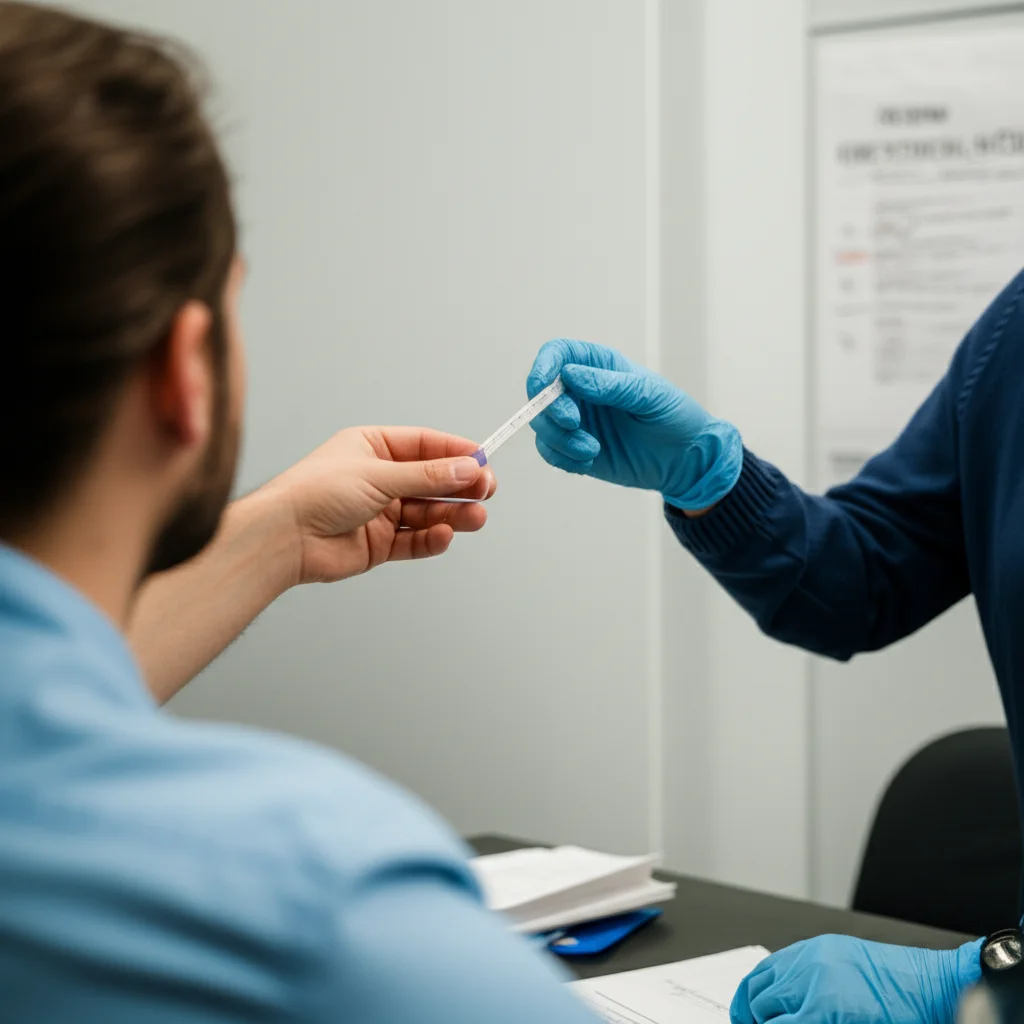
So, what did these clever researchers do? They rounded up 78 people in Sydney who’d used heroin recently. These folks were connected with treatment and harm reduction services, which is a smart place to start. They gave them a bunch of these *fentanyl test strips* (FTS) – specifically, 10 single-use strips from a brand called BTNX Rapid Response™. Crucially, they gave them a quick training session first on how to use them to test their *drug samples* (not their pee, which is what the strips are technically designed for, but using them ‘off-label’ on the substance itself) and how to read the results. They also hooked them up with take-home naloxone and overdose info, just in case.
About four weeks later, they caught up with 72 of these participants to see how things went. Did they use the strips? What did they think? What happened if a test came back positive? They also chatted about their thoughts on bigger drug checking services.
Did They Use the Strips? You Betcha!
Here’s the cool part: Out of the 72 people they followed up with, a whopping 81% had used at least one test strip. The median number used was 6 out of the 10 they were given. That tells me these things weren’t just sitting in a drawer; people were actually putting them to work.
Where were they using them? Mostly at home (83%), but also at friends’ places or even at the Medically Supervised Injecting Centre (MSIC). And get this – 81% were with others from their social network when they used the strips. This isn’t just a solo act; it’s happening within communities. A smaller number (14%) had a health professional around, usually if they were at the MSIC. About a third reported being alone sometimes when testing.
They used a total of 342 strips, which is nearly half of all the strips given out. Plus, they reported giving away another 10% of the strips to their peers. That’s fantastic – it shows these tools are spreading through the network.
And confidence? High marks all around! At both the start and the follow-up, participants felt really confident in their ability to use the strips and figure out what the results meant.
When the Test Said “Positive”…
Okay, so what happened when someone got a positive result for fentanyl? This is where the rubber meets the road for harm reduction.
Among the 25 people who reported a positive test:
- Nearly half (48%) said they used *less* than they originally planned or started with a smaller ‘tester’ amount.
- A solid 60% shared the info with their friends or health professionals.
- 40% even told their dealer or supplier about the result.
Now, it’s worth noting that some folks (20%) used the strip *after* they’d already consumed the drug. That’s less ideal for preventing an overdose *this time*, but it’s still valuable info for future use and for warning others.
One participant had a really stark experience: they used a substance after a positive test the first time and sadly overdosed. But after that, for every subsequent positive test, they reported *disposing of the drugs*. That’s a powerful behavioural change right there.
Even among those who *didn’t* get a positive result or hadn’t used the strips, they were asked what they *thought* they’d do if they got a positive. Over half (53%) said they’d likely use less or start small. About a quarter said they’d tell their dealer (29%) or other people (24%).
This really pushes back against that old, tired idea that people who use drugs are reckless. This study shows they *want* information about what’s in their drugs and are willing to change their behaviour based on that info.
Hold Up: The Tricky Bit with the Strips
Here’s where things get a little complicated. While uptake and willingness to use were super high, the research team got a bit concerned about the number of positive results participants reported. About two-fifths of participants reported getting at least one positive detection, and overall, 16% of the strips used came back positive. This seemed higher than what other studies in Australia had found regarding fentanyl in the local drug supply.
Why the discrepancy? Well, it turns out these specific BTNX strips can be a bit finicky.
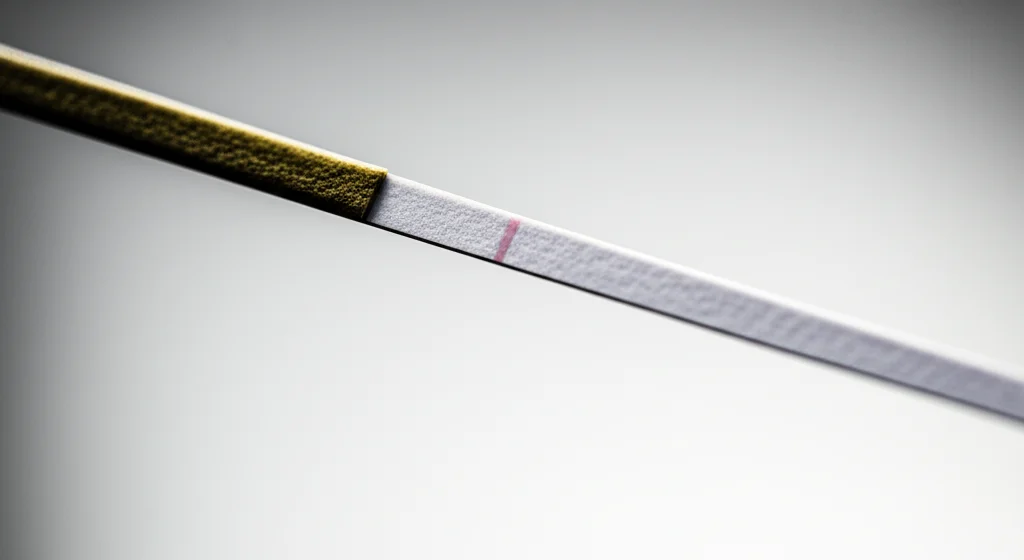
- The line that indicates a *negative* result (meaning no fentanyl detected) can be really, really faint, making it easy to misinterpret as a positive.
- Participants also found it counterintuitive that *one* line meant positive, when for things like pregnancy tests or COVID rapid tests, two lines usually mean positive.
- More recent studies have found these strips can give *false positives* if other drugs (like meth or MDMA) or adulterants are present in high amounts. This is particularly worrying given how often fentanyl is mixed with stimulants in places like the US.
Since the results in this study were self-reported and not verified in a lab, we can’t be totally sure how many were true positives versus misinterpretations or false positives.
This highlights a crucial point: while these strips are accessible and low-cost, their limitations need to be clearly communicated, especially in places like Australia where widespread fentanyl contamination isn’t the norm (yet). If people get too many false positives, they might lose faith in the technology altogether.
This also means we need more research on other brands of strips and strips for other synthetics like nitazenes, especially since some are made by the same manufacturer. We need to know how reliable they are and what might cause false results. And ideally, the strips themselves could be improved!

Beyond the Strip: The Desire for Full Drug Checking
Okay, so the take-home strips are a great start, but what about more comprehensive drug checking services? You know, where you can take a sample and get it tested for *everything* that’s in it, including purity?
The study found massive support for this: 93% of participants wanted access to these services!
- They overwhelmingly wanted to check for both purity (99%) and the full contents (93%).
- Most were cool with giving up a tiny ‘pinhead’ amount of their drug for testing (97%).
How long would they wait for results? If it was in person, most were happy to wait between 5 and 30 minutes. Posting a sample wasn’t as popular, but about one-in-five would wait a day or two.
Where would they feel most comfortable accessing these services? The top picks were places they already trust and use:
- Supervised Injecting Facilities (73%)
- Needle and Syringe Programs (53%)
Almost everyone (99%) wanted to get drug alerts if something dangerous was found circulating, mostly preferring a simple SMS message.
The Worry: Being Targeted
Despite the high support, there’s a big concern that came up: being targeted by the police. About 37% of those who wanted drug checking services worried about this. This is a consistent fear in studies like this and really underscores the need for a supportive policy environment where these services can operate without hassle or fear of police interference. Having police leaders publicly back these initiatives could make a huge difference in building trust and legitimacy.
The Future: Multi-Tool Approach
So, where does this leave us?

First off, take-home FTS are clearly wanted and used by people who use heroin in Australia, and they can lead to safer choices. But the current strips have limitations, especially the potential for false positives, which needs to be addressed through better education or improved technology.
Second, there’s huge support for more sophisticated drug checking services that can test for a wider range of substances and purity. These services are starting to pop up in Australia, often in the places people feel most comfortable (NSPs, SIFs), but they are still limited in scope and availability.
The reality is, no single tool is going to fix the complex problem of synthetic opioids. We need a mix of approaches – better test strips, accessible comprehensive drug checking, alongside other vital services like naloxone and opioid agonist therapy. And critically, we need policies that *support* these harm reduction efforts, not hinder them with fears of police action.
This study, even with its small sample size and the limitations of the self-reported data and the specific test strips used, gives us valuable insights. It tells us that people who use drugs are active participants in their own safety when given the right tools and information. Now, it’s up to services and policymakers to step up and provide them effectively.
Source: Springer