When a Rare Brain Bug Strikes: A Fatal NTM Meningitis Story
Hey Everyone, Let’s Talk About Something Rare and Tricky
So, I came across this fascinating, albeit tragic, case report that really got me thinking. We often hear about common infections, right? But sometimes, these sneaky little bugs that usually just hang out in the environment decide to cause some serious trouble. We’re talking about something called Nontuberculous Mycobacteria, or NTM for short. These aren’t the usual suspects like the ones that cause TB. They’re environmental, found in soil and water, and honestly, they rarely bother us humans, especially not our brains.
But here’s the kicker: Central Nervous System (CNS) infections by NTM are super rare. And even rarer? When the most common NTM culprit, the *Mycobacterium avium* complex (MAC), decides to set up shop in someone’s brain, particularly if they don’t have HIV. MAC is usually a problem for folks with compromised immune systems, like those with advanced HIV. So, when it shows up causing meningitis in someone who is HIV-negative, it’s a big deal and a real head-scratcher.
A Case That Puzzled the Doctors
Let me tell you about this case from Vietnam. Imagine a 56-year-old guy, a farmer, living his life, dealing with a bit of hypertension, but otherwise seemingly healthy. He starts getting these awful headaches, dizziness, a low-grade fever, and just feels generally unwell. He goes to a local clinic, they think maybe it’s sinusitis (which, let’s be honest, can cause a headache), give him some antibiotics, but he just doesn’t get better. In fact, things get worse.
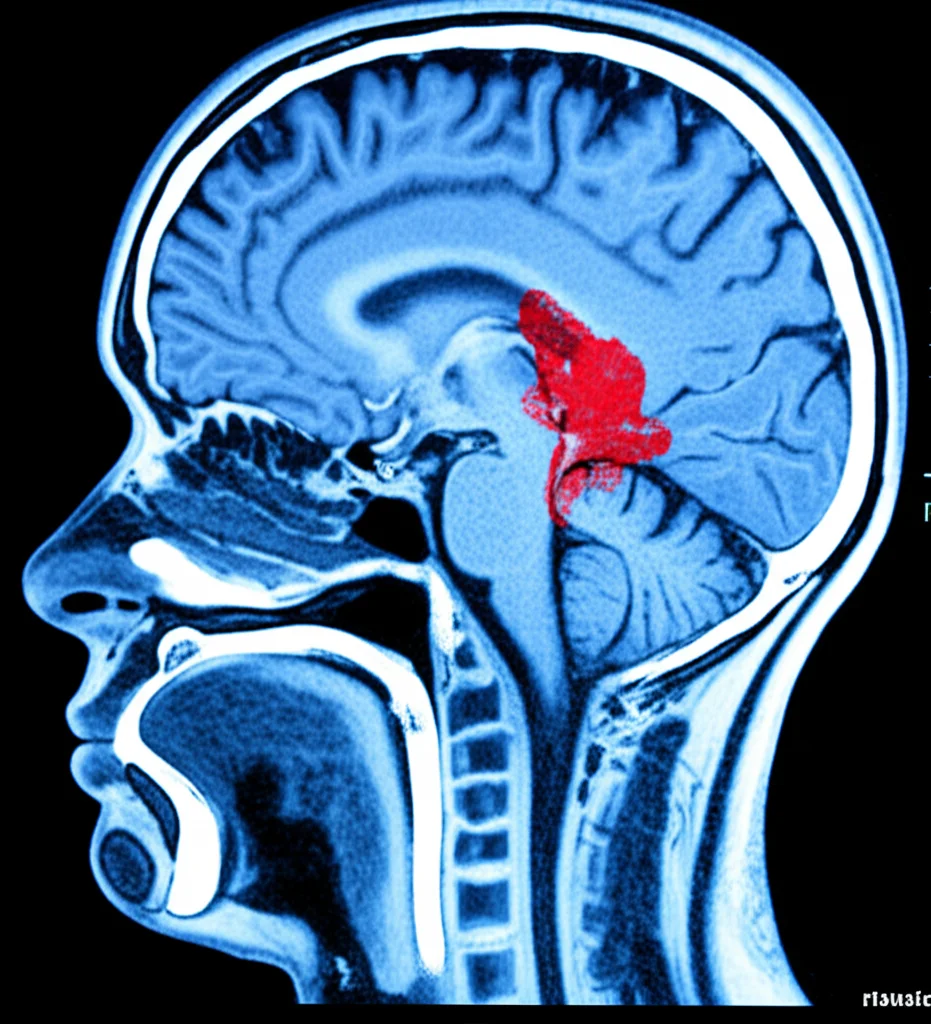
After nearly two weeks of symptoms and not improving on antibiotics, he’s hospitalized. Brain scans show some concerning things – hydrocephalus (fluid buildup) and signs of a small stroke. The doctors try strong antibiotics and steroids, thinking it might be a stubborn bacterial infection. But still, no improvement. This is where the story takes a turn towards the unusual.
Digging Deeper: The Clues Emerge
He’s transferred to a specialized hospital. They do a lumbar puncture (a spinal tap) to get a look at his cerebrospinal fluid (CSF). And wow, the results are dramatic:
- Sky-high white cell count: Over 22,000 cells/μL (normal is way, way lower).
- Mostly neutrophils: This usually screams “bacterial infection!”
- Elevated protein and low glucose: More signs pointing towards a nasty infection.
They look for common things. Gram stain is negative. Bacterial and fungal cultures? Negative. HIV test? Negative. They even test for TB using a rapid molecular test (GeneXpert Ultra), which is negative multiple times. This is confusing because the CSF looks *really* infected, but they can’t find the usual suspects.

Then, they do a special stain for acid-fast bacilli (AFB), which are the type of bacteria that include mycobacteria (like TB and NTM). Bingo! They find AFB. Now they’re thinking mycobacteria, but the GeneXpert for TB was negative. This is a big clue pointing towards NTM.
To figure out *which* mycobacterium it is, they use another molecular test called a Line Probe Assay (LPA). And there it is: *Mycobacterium avium*. The culprit is identified! Even though CSF cultures for mycobacteria remained negative (which can happen with NTM), the LPA confirmed MAC.
The Tragic Turn
Now that they know it’s MAC, they start him on the appropriate treatment – a combination of antibiotics known to work against NTM, like azithromycin, rifampin, and ethambutol. But sadly, just a day after starting this specific treatment, his condition suddenly worsens dramatically. A brain CT scan reveals a new, devastating complication: a cerebral hemorrhage, a bleed in his brain. He’s transferred again, this time to a neurosurgery unit, but despite everything, he passes away just 22 days after his symptoms started.
Why Was This So Hard to Figure Out?
This case highlights just how tricky NTM meningitis can be. Here’s why:
- It mimics common infections: The initial symptoms and even the CSF findings (lots of neutrophils) looked a lot like standard bacterial meningitis. Doctors were treating for that, and it wasn’t working.
- It’s rare: Because it’s so uncommon, especially in HIV-negative people, it’s not usually the first thing doctors suspect.
- Diagnosis is slow: While the AFB stain was a good clue, standard mycobacterial cultures can take weeks. Molecular tests like LPA are faster but might not be available everywhere. GeneXpert Ultra, while great for TB, was negative here, adding to the confusion initially.
- Imaging can be misleading: The hydrocephalus and infarct seen on MRI can also be features of tuberculous meningitis, which is much more common in places like Vietnam.
NTM Without HIV: What’s Going On?
This is one of the most intriguing parts of the story. If MAC usually hits people with weak immune systems, why did it cause such a severe, fatal infection in a seemingly healthy, HIV-negative guy? The report touches on a fascinating area of research: acquired immunodeficiencies that aren’t HIV.
Recently, scientists have been looking at something called autoantibodies against cytokines. Cytokines are like messengers in our immune system. Interferon-gamma (IFN-γ) is a crucial one for fighting off infections, especially mycobacteria. Some people, particularly adults of East Asian descent (like in this case), can develop autoantibodies that neutralize their own IFN-γ. Basically, their immune system produces antibodies that block this vital messenger, leaving them vulnerable to infections they’d normally fight off, like disseminated NTM.
While this patient wasn’t tested for these autoantibodies, it’s a strong possibility for why he developed such a severe MAC infection despite being HIV-negative. This kind of acquired immunodeficiency is increasingly recognized in adults who develop severe opportunistic infections without a clear cause.
The Takeaway
So, what do we learn from this sad case? First, NTM-CNS infections, while rare, are deadly and can look *exactly* like more common, treatable bacterial meningitis initially. If someone isn’t responding to standard broad-spectrum antibiotics for presumed bacterial meningitis, especially if AFB are seen in the CSF but TB tests are negative, NTM should be high on the list of possibilities.

Second, rapid diagnostic methods like LPA are crucial for identifying the specific NTM species quickly so the right treatment can be started. Waiting weeks for cultures might be too late.
Finally, this case reminds us that even in people who seem immunocompetent, there might be underlying, less obvious reasons for susceptibility to rare infections, like those sneaky autoantibodies. Understanding these mechanisms is key to developing better ways to diagnose and treat these devastating diseases.
It’s a tough reminder that the world of infectious diseases is complex, and sometimes the rarest bugs can pose the biggest challenges.
Source: Springer