Unlocking exRNA Secrets: Choosing the Right Tube and Method is Key!
Hey there! Let me tell you about something pretty cool happening in the world of health and disease research. You know how doctors sometimes take a blood sample? Well, scientists are getting really clever with what they can learn from just a tiny bit of your blood, or other body fluids for that matter. They call it a “liquid biopsy,” and it’s way less invasive than taking a piece of tissue.
One of the hot topics in liquid biopsies is looking at something called extracellular RNA, or exRNA. Think of it like tiny messages or bits of genetic code floating around outside your cells. These little guys – things like microRNAs (miRNAs) and messenger RNAs (mRNAs) – are showing promise as potential biomarkers for all sorts of conditions, from cancer to autoimmune diseases. Pretty neat, right?
But here’s the catch, and it’s a big one: exRNA is super sensitive. How you collect the blood, how you process it, and how you pull the RNA out can totally mess up the results. It’s like trying to listen to a faint whisper in a noisy room – the background noise (method variation) can drown out the actual message (the biological signal). This lack of standardization is a major reason why findings from one study are often hard to replicate in another.
The Grand Experiment: exRNAQC
So, a bunch of smart folks decided enough was enough. They launched a massive study, the Extracellular RNA Quality Control (exRNAQC) project, to really dig into these pre-analytical variables. And I mean *really* dig in. They didn’t just peek at a couple of things; they systematically evaluated ten different blood collection tubes, three different time points between drawing the blood and processing it, and eight different RNA purification methods. They even looked at how these factors interact with each other!
They collected over 1.6 liters of blood (yes, you read that right!) from 20 healthy volunteers to get a whopping 456 complete transcriptomes. They used synthetic spike-in RNAs as internal controls, which is a clever way to keep tabs on how well the purification and sequencing are working. It was a huge undertaking, designed to provide some much-needed clarity and solid recommendations for the field.
Sorting Through the Purification Puzzle
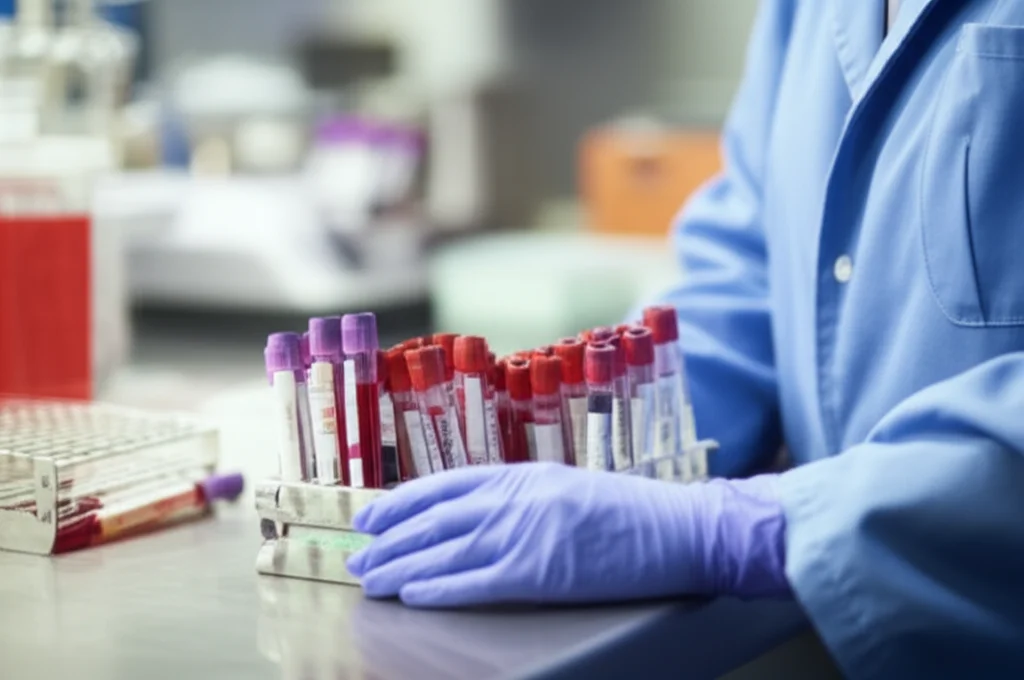
First up, they tackled the RNA purification methods. These are the kits and procedures you use to extract the exRNA from the blood plasma or serum. They tested eight different methods, using both the minimum and maximum recommended input volumes of plasma.
What they found was eye-opening. The methods differed *significantly*. We’re talking big variations in how much RNA they recovered, how many different genes (mRNAs and miRNAs) they detected, how reproducible the results were across technical replicates, and even the complexity of the transcriptome they saw.
For instance, using a larger plasma input volume generally meant detecting more mRNAs and getting less variability, which is good! But this wasn’t always true when comparing *different* methods. Some methods were just better at pulling out RNA, regardless of the volume. They even found that one method had residual DNA contamination, which is a big no-no for RNA analysis.
They developed nine specific metrics to compare these methods, looking at everything from RNA concentration and yield to data retention and replicate variability. The takeaway? Not all purification methods are created equal, and their performance can vary depending on the input volume and whether you’re looking at mRNA or miRNA. Interestingly, the differences among methods were less pronounced for miRNA analysis compared to mRNA.
The Tube and Time Tango
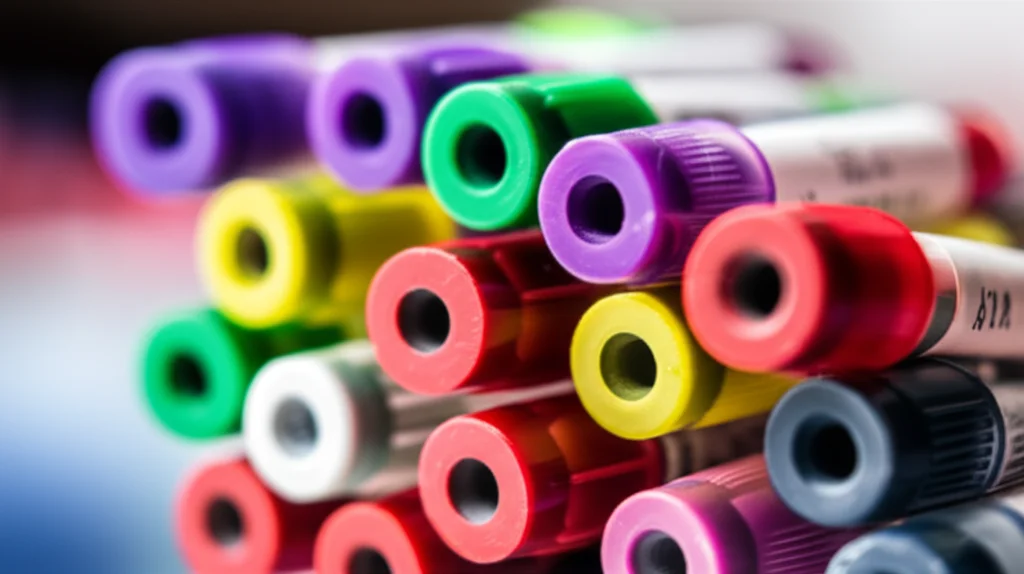
Next, they turned their attention to the blood collection tubes and how quickly the blood was processed. This part was particularly interesting because there are tubes specifically designed to “preserve” cell-free nucleic acids, marketed to allow longer storage times before processing. They compared five classic tube types (like EDTA, citrate, serum) with five of these preservation tubes.
The classic tubes were processed immediately, after 4 hours, and after 16 hours. The preservation tubes, which claim stability for days, were tested immediately, after 24 hours, and after 72 hours.
And here’s where the surprise came in: the preservation tubes *failed* to robustly stabilize the exRNA. Seriously! The classic tubes, especially EDTA and citrate, showed much more stable RNA concentrations and detected gene numbers over their tested time intervals (up to 16 hours). The preservation tubes, on the other hand, showed significant changes in mRNA and miRNA levels over time. Some preservation tubes even showed issues with hemolysis (red blood cells breaking open), which can release cellular RNA and mess up your results.
They used five performance metrics for this part, looking at things like hemolysis, RNA concentration, detected gene numbers, and replicate variability over time. The conclusion was clear: based on this study, the tested preservation tubes are *not* suitable for exRNA analysis if you’re looking for stable total mRNA or miRNA quantities.
They also looked at how the *types* of RNA changed over time. Using fancy computational methods, they saw shifts in the proportions of RNA coming from different immune cell types, even in the better-performing classic tubes, as processing time increased. This strongly suggests that processing blood into plasma or serum quickly, ideally within 4 hours for classic tubes, is crucial to avoid these artificial changes. Combining gene set enrichment analysis and deconvolution results, citrate tubes processed within 4 hours seemed to be the top performers for stability.
When Variables Collide: The Interaction Effect
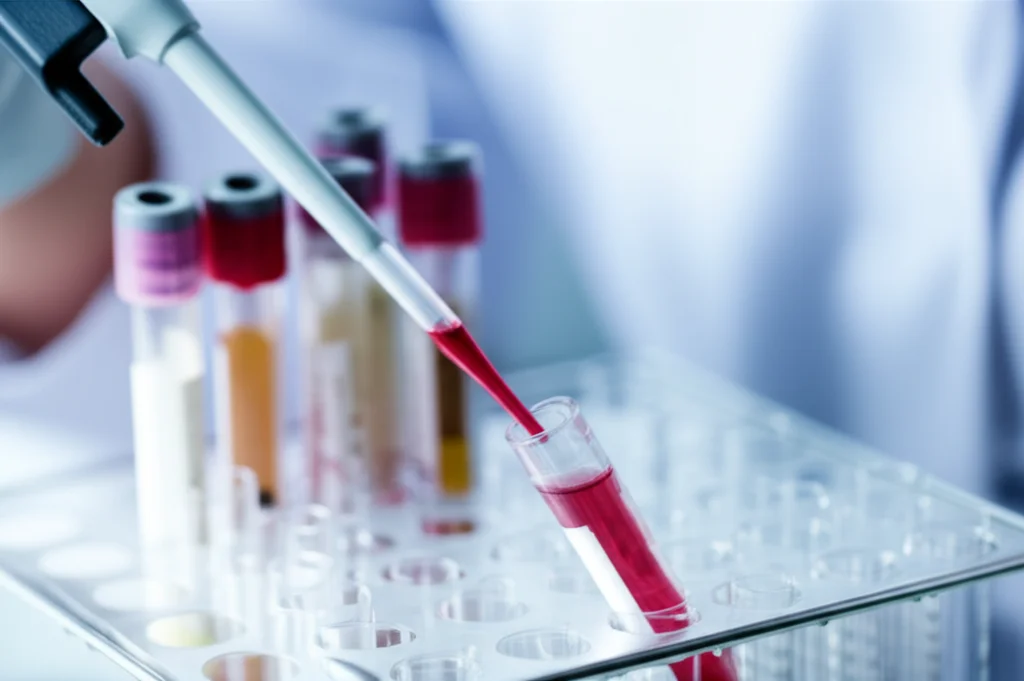
Okay, so purification methods matter, and tubes and time matter. But what about how they work *together*? The exRNAQC study went a step further to investigate interactions between these variables. They selected the best-performing classic tubes and a few purification methods based on phase 1 results and tested combinations.
This phase revealed significant interactions. The impact of a specific blood collection tube on the exRNA profile could depend on which RNA purification method was used, and vice versa. For example, the choice of purification method could alter the performance of a specific tube type by impacting things like purification efficiency, the number of detected miRNAs, or reproducibility. Similarly, the time interval before processing could affect different tubes differently.
This is a critical finding! It means you can’t just pick the “best” tube and the “best” purification method independently and assume they’ll work perfectly together. You really need to test the specific combination you plan to use for your study workflow.
Putting It All Together: Recommendations
Based on this massive undertaking, the exRNAQC team put together some solid recommendations for both researchers (users) and the companies that make these lab supplies (manufacturers).
For us users, the message is loud and clear:
- Standardize Everything: Pick your tube, time, and method and stick to it throughout your study. Don’t mix and match!
- Report Your Methods: Be super clear in your publications about *exactly* how you collected and processed samples. This helps others compare and replicate your work.
- Use Spike-ins: Add synthetic RNAs early in the process. They are invaluable for quality control and potential data normalization.
- Maximize Input Volume (If Possible): If your purification method allows and you have enough sample, using a larger input volume generally improves performance.
- Choose Wisely:
- For mRNA: QIAamp for large volumes (>1 mL), miRNeasy or miRNeasy Advanced for smaller volumes (0.2-0.6 mL).
- For miRNA: Maxwell or miRNeasy Advanced.
- For Tubes: Citrate tubes seem best overall, especially when processed quickly.
- Process Quickly: Get that blood processed into plasma or serum within 4 hours of collection.
- Avoid Preservation Tubes (For Now): The tested preservation tubes didn’t perform well for exRNA stability.
For manufacturers, the recommendations are about making better products and providing clearer guidance:
- Test Thoroughly: Evaluate new purification methods with different gDNA removal strategies, various input volumes, and across all the performance metrics identified in this study (there are 11!).
- Evaluate Both RNA Types: Don’t assume performance for miRNA translates to mRNA; test both independently.
- Check Compatibility: Test your purification methods with different blood collection tubes and specify which combinations work best (or worst).
- Prove Stability: For blood tubes, especially preservation tubes, rigorously test performance stability over extended time intervals using the defined metrics and compare to immediate processing.
- Include Replicates: Always include replicates in your testing.
Why This Study Rocks
The exRNAQC study is a really big deal because it’s the most comprehensive study of its kind to date. While previous studies often focused only on miRNAs or just a handful of mRNAs, this one looked at the entire transcriptome (all detectable miRNAs and mRNAs). They also systematically evaluated interactions between variables, which is often overlooked.
It highlights that the choice of tube and purification method, and how quickly you process the sample, dramatically impacts your results. It even shows that classic tubes can outperform tubes specifically marketed for preservation, which is a finding that challenges current guidelines in the field.
Of course, no study is perfect, and this one was done in a single lab. Ideally, these findings would be confirmed in a multi-center study. But for now, it provides invaluable guidance.
The Bottom Line
If you’re working with exRNA from blood, paying close attention to your sample collection and processing is absolutely critical. This study gives us the data and recommendations we need to make informed choices, improve the quality and reproducibility of our research, and ultimately, help move exRNA forward as a reliable source of biomarkers for precision medicine. It’s all about making sure that faint whisper of biological signal doesn’t get lost in the noise!
Source: Springer