
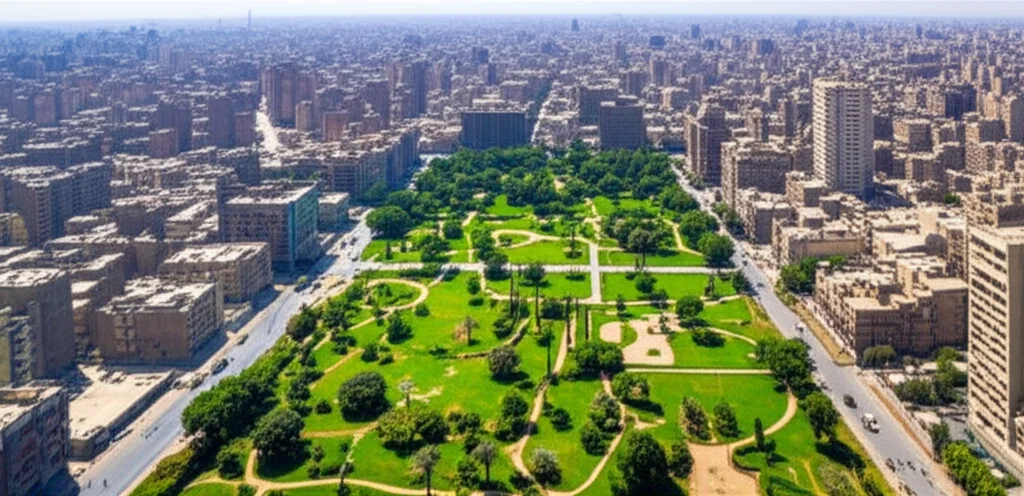
Cool Cities? Not Everywhere in Egypt! How Green Spaces Fight Heat Unevenly
Hey there! Ever notice how much hotter it feels when you step off a grassy park and onto a concrete jungle? Yeah, me too. It’s a real thing, and it’s called the Urban Heat Island (UHI) effect. Basically, cities get way hotter than the countryside around them because all that concrete, asphalt, and lack of greenery soak up and trap heat like crazy. It’s a big deal, especially in places that are growing super fast and already dealing with warm climates, like Egypt.
I was looking at this fascinating study that dug deep into how urban green spaces (UGSs) – think parks, trees, grassy bits – are trying to cool things down in Egypt’s rapidly expanding cities. They used some serious tech, like satellite images from Landsat (those eyes in the sky!) and this super-powered cloud platform called Google Earth Engine (GEE), to check out 130 cities across Egypt between 2000 and 2023. That’s a lot of data!
The Heat is On: Why Cities Get Sticky
Cities are like magnets for people and jobs, which is great for the economy, but all that growth comes with challenges. By 2050, something like 70% of the world’s population might live in cities. As cities grow, they mess with the natural environment, leading to things like UHI. This isn’t just uncomfortable; it means more energy used for air conditioning, more heat stress, and even health risks. We need ways to fight back, and urban greening is seen as one of the simplest, most effective strategies globally.
Meet SUCI: The Green Space Superpower
The cooling magic of UGSs has a fancy name: the Surface Urban Cooling Island (SUCI) effect. It’s all about how green spaces lower temperatures compared to their surroundings, mainly through providing shade and something called evapotranspiration (plants basically sweating and cooling the air). What’s interesting is that this cooling power isn’t the same everywhere. It depends on the type of plants, how they’re arranged, and even the local climate. Studies have shown green spaces can be *really* effective in hot, dry places – which sounds a lot like Egypt!
Looking Down from Space: How They Did It
To figure out what was happening across so many Egyptian cities over two decades, the researchers used a massive collection of Landsat satellite images. They processed over 19,000 images using GEE to map out where the green spaces were and estimate the Land Surface Temperature (LST) – basically, how hot the ground was. They also looked at how built-up areas and population density changed. To see the cooling effect, they measured the temperature around green patches in buffer zones, finding the point where the cooling stopped being noticeable.
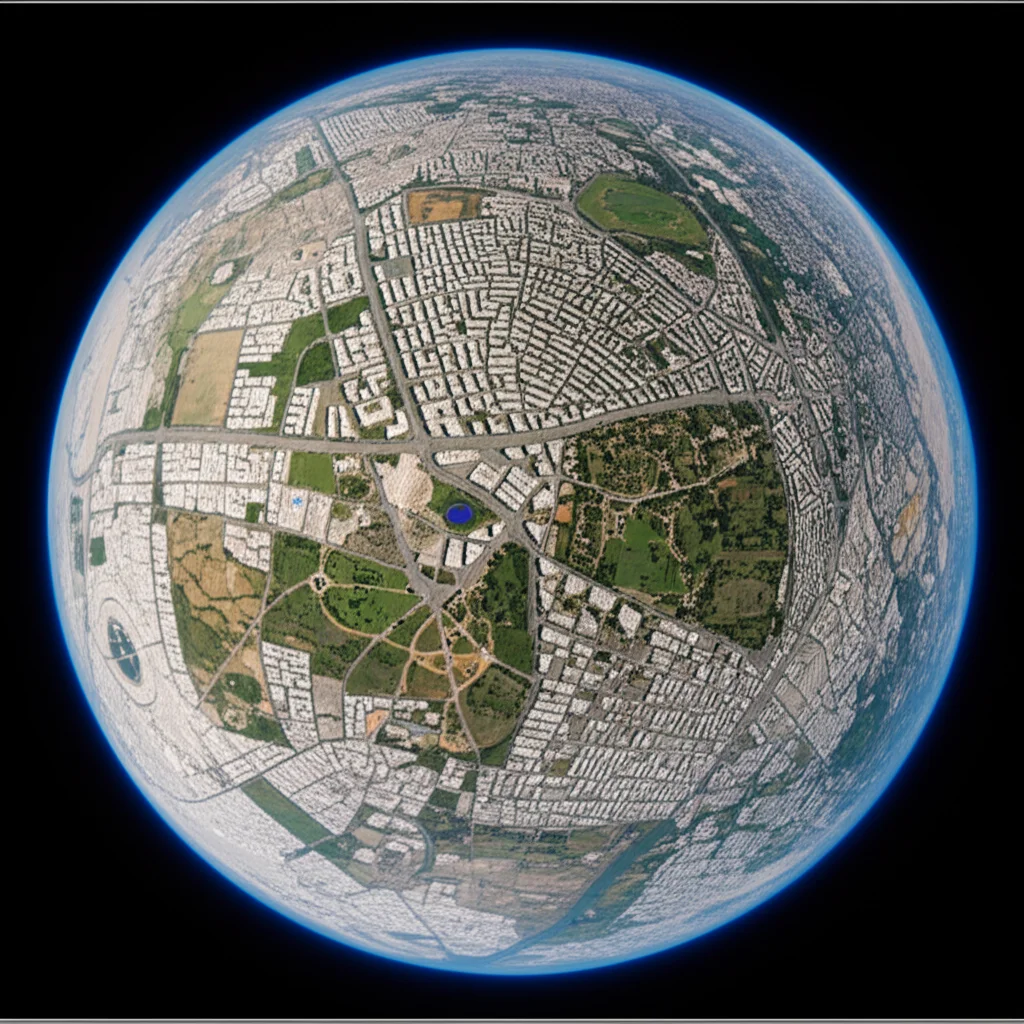
Egypt’s Urban Transformation: Growing Pains and Green Gains (and Losses)
The study confirmed that Egypt has been growing like crazy. Nationally, built-up areas shot up by over 110%, and population density increased by more than 50% between 2000 and 2023. That’s a lot of new buildings and people!
What about the green spaces? Well, they *did* increase significantly, doubling between 2000 and 2019. That sounds promising! But then, from 2019 to 2023, there was a bit of a dip – a decrease of almost 8%. This suggests that while there were efforts to green cities, the rapid development might be starting to push some green areas out.
Looking closer, the growth wasn’t uniform. The Cairo and Delta Zone (CDZ) saw the biggest jumps in built-up areas, population, *and* green spaces over the whole period. At the city scale, megacities like Greater Cairo naturally had the highest population density and built-up areas, and they also saw the biggest *increase* in green spaces initially, but also the biggest *loss* between 2019 and 2023. Interestingly, new cities established after 1979 showed a much higher *growth rate* in built-up areas and green spaces compared to older cities, likely due to modern planning strategies.
The Cooling Map: Where’s the Coolest Spot?
Now, for the really cool part: the SUCI effect! On average, green spaces in Egyptian cities provided about 0.84°C of cooling relative to their surroundings. But this wasn’t spread evenly at all. It varied quite a bit depending on where you were:
- The Cairo and Delta Zone (CDZ) had the strongest cooling, averaging 1.02°C, with some cities seeing over 2°C of cooling! This zone has more green spaces and its dry, arid climate actually helps plants cool more effectively through evapotranspiration.
- Megacities showed strong cooling (1.14°C average), likely due to the big thermal contrast with the surrounding desert and some significant greening projects.
- New cities were the *coolest* of all, averaging a whopping 1.47°C of cooling! This really highlights how modern urban planning that includes green infrastructure can make a difference.
- Other zones like Northern Upper Egypt (NUZ) and Southern Upper Egypt (SUZ) had much weaker cooling effects (around 0.53°C and 0.42°C respectively), often linked to less green space or extremely hot, dry conditions that limit plant cooling.
So, it’s pretty clear: the cooling power of green spaces isn’t a one-size-fits-all deal. It’s heavily influenced by location, climate, and how cities are planned.
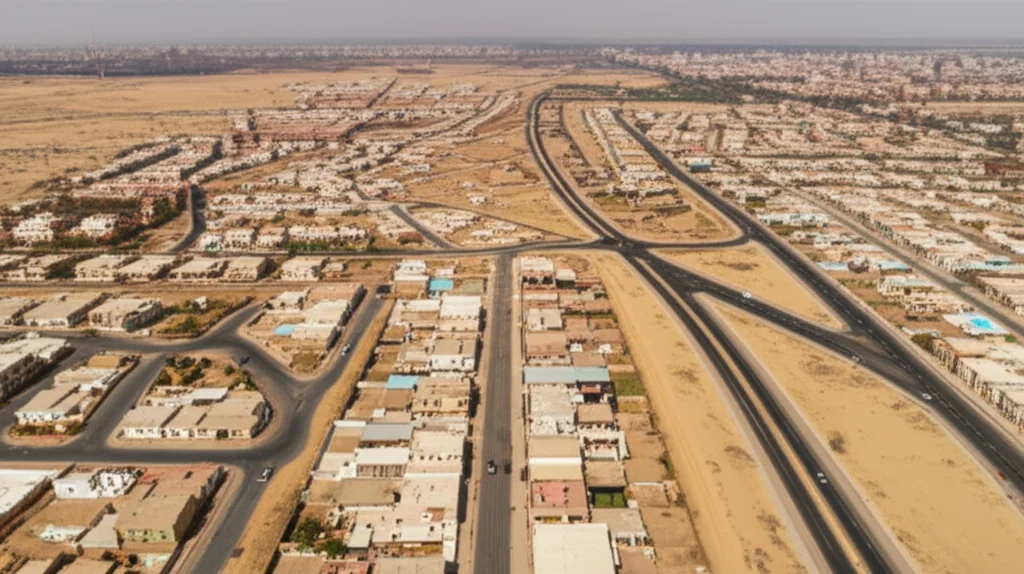
Is the Cooling Getting Better or Worse?
Here’s a mixed bag of news. The study found that nationally, the SUCI effect is actually *increasing* in most cities – about 74% saw enhanced cooling between 2000 and 2023. The CDZ and megacities showed the most significant increase in cooling intensity. This suggests that overall efforts might be paying off in many places.
However, a notable 26% of cities experienced a *decline* in cooling intensity. This is a concern and points to the unequal nature of urban development and green space preservation.
What Makes Green Spaces Cool? Size Matters Most!
The researchers also wanted to know *why* some green spaces cool better than others. They looked at factors like green space size, air temperature, precipitation, built-up area growth, and population density. The big takeaway? The size of the urban green space was the most significant factor influencing how much cooling it provided, across all climatic zones.
This makes intuitive sense – a bigger park has more trees for shade and more plants for evapotranspiration. It suggests that creating larger green areas is key to maximizing cooling benefits.
Other factors played a role too, but their importance varied by zone. For example, higher air temperature often meant stronger SUCI (because hotter weather drives more evapotranspiration), especially in the CDZ, SUZ, and SZ. Built-up area growth and population density had more complex relationships, sometimes increasing cooling (perhaps in new, planned green cities) and sometimes decreasing it (in dense, older areas losing green space).
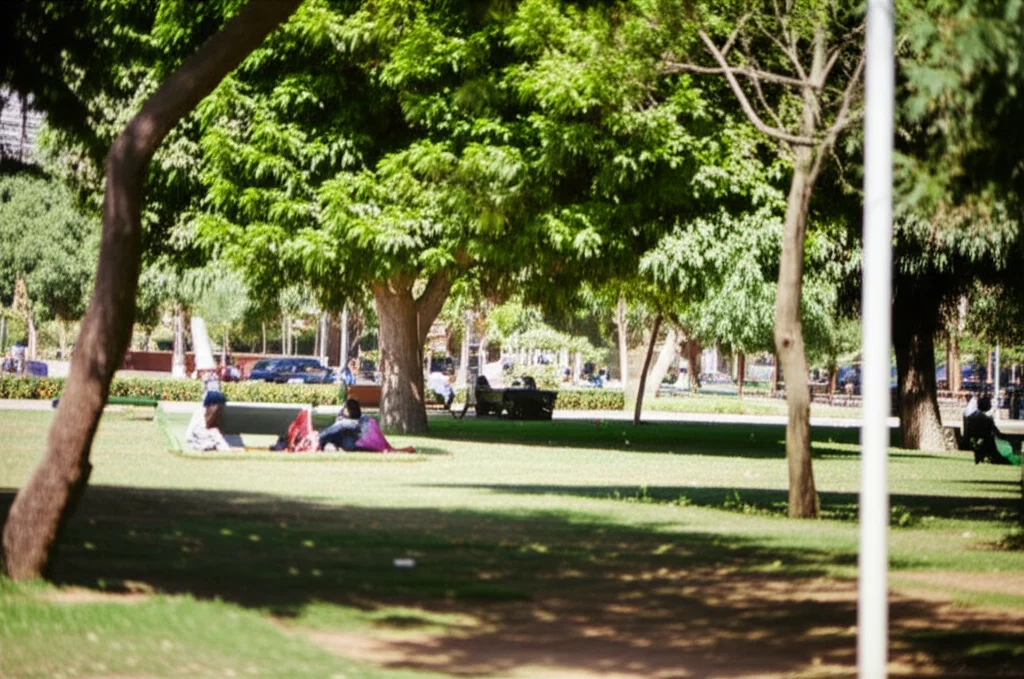
So, What Can We Do About It?
Understanding these patterns is super important for urban planners and policymakers in Egypt. The study offers some smart ideas to boost the cooling power of cities:
- Integrate Green and Blue: Add more green spaces and water features, especially in zones with weak cooling like NUZ and SUZ.
- Plant More Trees: Big afforestation efforts are needed, particularly in medium and small cities that show less cooling.
- Green the Grey: Even with new roads and buildings, find ways to add greenery – like planting trees along streets.
- Boost Old Cities: Focus on adding green infrastructure like pocket parks and tree-lined streets in older urban areas that might be lacking.
- Spread the Word: Educate the public on why green spaces are vital for fighting heat and improving life quality.
Wrapping Up (and a Peek Ahead)
This study is a fantastic first look at the cooling capacity of green spaces across *all* of Egypt’s cities using satellite data. It really highlights the challenge of balancing rapid urban growth with environmental sustainability, and how unequal the benefits of green infrastructure can be.
It’s not the final word, of course. The study had some limitations, like gaps in satellite data for certain years and not being able to include *every* possible factor that affects cooling (like wind or specific plant types). Future research using even more advanced tools and data could give us an even clearer picture.
But the main message is loud and clear: urban green spaces are crucial for keeping Egyptian cities liveable as temperatures rise. We just need to make sure that cooling power is shared more equally and that green areas aren’t lost in the rush to build.
Source: Springer


