Unlocking Durum Wheat’s Stress Secrets: The Power of TtNF-YA Genes
Alright team, let’s dive deep into something super cool happening in the world of durum wheat. You know, the stuff that gives us delicious pasta and couscous? Well, it turns out this amazing plant has some hidden heroes helping it tough it out when things get rough – think drought, salt, heat, and cold. And our study? We’ve been getting up close and personal with a specific group of these heroes: the *Nuclear Factor Y (NF-Y) A subfamily*, or *TtNF-YAs* as we’ve affectionately come to call them in durum wheat (*Triticum turgidum ssp. durum*).
Seriously, with climate change throwing curveballs, figuring out how plants handle stress is a big deal for future farming. Plants have these intricate defense systems, and *NF-Y* transcription factors are like key players in that system. They’re found in pretty much all complex life forms, and in plants, their activity really ramps up when stress hits. They work as a team of three subunits (*NF-YA*, *NF-YB*, and *NF-YC*) to latch onto specific spots on gene promoters, basically telling those genes what to do.
Unlike animals or yeast where each subunit is usually coded by just one gene, plants are a bit more… *extra*. They have multiple genes for each subunit, which gives them a whole lot more flexibility in how they respond. We’ve seen this in lots of plants, from *Arabidopsis* (the lab rat of the plant world) to rice and maize. But for our beloved durum wheat? Not much was known about its *NF-YA* crew and how they help against environmental baddies. So, we set out to change that!
Discovering the TtNF-YA Family
Our first mission was to find out exactly how many *TtNF-YA* genes durum wheat has and where they hang out in the genome. Using some clever database mining and comparison tools, we identified a dozen – yes, 12! – *TtNF-YA* genes. We gave them names like *TtNF-YA2A-1*, *TtNF-YA4A*, and so on, based on their locations.
We found these genes spread across eight different chromosomes in the durum wheat genome. Their protein buddies, the *TtNF-YA* proteins, are where you’d expect transcription factors to be – right there in the cell nucleus, ready to get to work regulating genes.
Protein Characteristics and Structure
We also peeked at what these proteins are actually like. They vary in size, from a little over 240 amino acids to just over 400. Their molecular weights and other properties like isoelectric point (whether they’re acidic, neutral, or alkaline) and hydrophilicity (if they like water) differ too. Interestingly, most of them lean towards being alkaline, except for a couple that are neutral. They all seem to be hydrophilic, which is pretty common for proteins doing important jobs inside the cell.
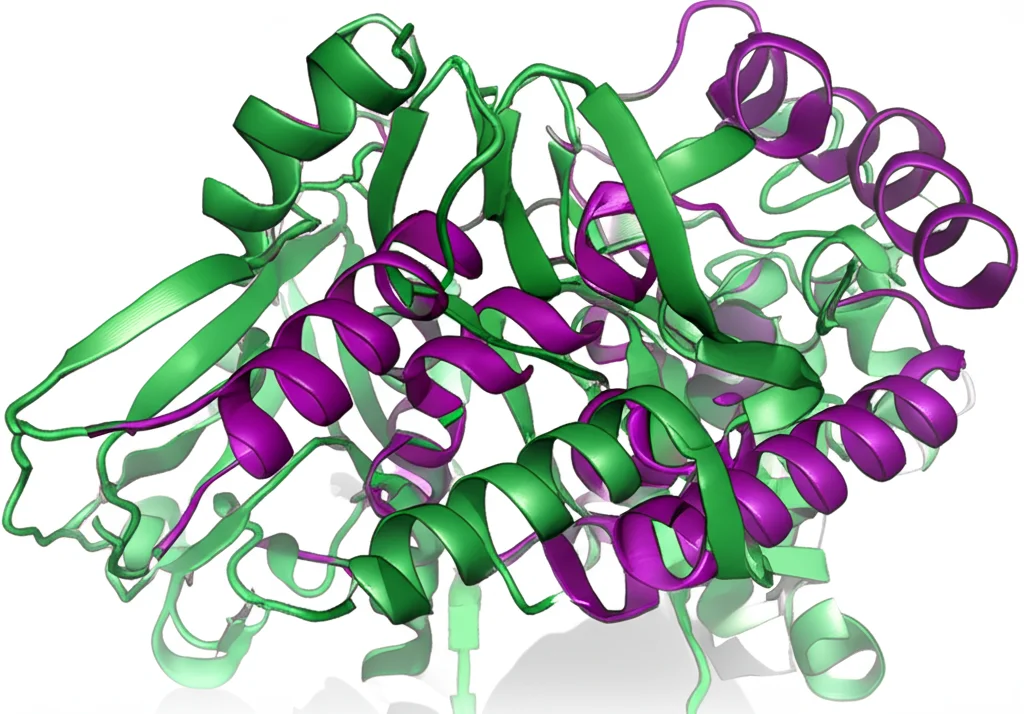
Looking at their predicted 3D shapes, we saw the usual suspects: alpha-helices, beta-sheets, and coils. Some had beta-sheets, some didn’t, but they all had coils, making them seem quite adaptable. We also checked for conserved regions – specific parts of the protein that are similar across different family members or even different species because they’re crucial for function. We found regions important for binding to DNA and for interacting with the *NF-YB* and *NF-YC* subunits to form that essential three-part complex.
Using fancy computational tools, we predicted how these *TtNF-YA* proteins might interact with other proteins. Unsurprisingly, they seem to hook up with *NF-YB* proteins, which makes perfect sense given how the *NF-Y* complex works. This confirms they’re likely playing that key role in binding to the CCAAT box on gene promoters.
Evolutionary Journey
We didn’t stop there. We wanted to see how our durum wheat *TtNF-YA* genes stack up against their cousins in other plants, like bread wheat, rice, maize, sorghum, barley, and even *Arabidopsis*. By building evolutionary trees (phylogeny) and looking at gene arrangement similarities across genomes (synteny), we saw that the *TtNF-YA* family is pretty well-conserved across these species. This suggests their core functions have been important for a long time in plant evolution. We also found evidence that gene duplication events – both segmental (parts of chromosomes) and whole-genome duplications – played a role in expanding the *TtNF-YA* family in durum wheat. This kind of duplication is a big driver of evolutionary innovation in plants.
The Regulatory Landscape
To understand *when* and *why* these genes turn on, we peered into their promoter regions – the stretches of DNA just before the gene that act like control panels. We found a whole bunch of *cis-regulatory elements* there. Think of these as little switches that respond to different signals. And boy, did we find signals!
We saw elements that respond to various plant hormones, like abscisic acid (ABA), gibberellic acid (GA), salicylic acid (SA), auxin (IAA), and methyl jasmonate (MeJA). These hormones are like the plant’s internal communication system, often signaling stress or developmental stages. We also found lots of elements linked directly to stress responses – things that react to low temperature, drought, plant defense signals, low oxygen, heat shock, and nutrient deprivation. Plus, there were elements associated with specific developmental processes like root or seed development. This tells us that the *TtNF-YA* genes are wired into a complex network, ready to respond to a wide range of internal and external cues.
Where and When They Work
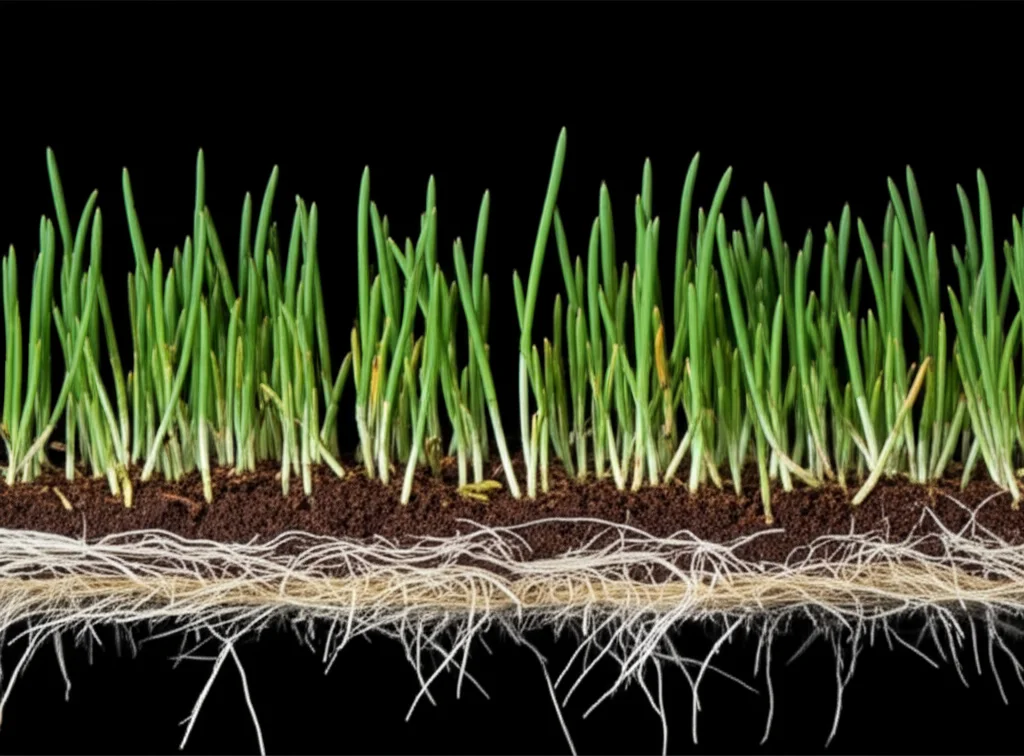
Knowing the potential signals, we then looked at where these genes are actually active in the plant. We checked expression levels in different tissues: roots, stems, leaves, spikes, anthers, seeds, and even embryos. And guess what? Their expression patterns are quite diverse! Some genes were highly active in roots, others in embryos, and some showed up strongly in leaves, seeds, and anthers, hinting at roles in reproduction and seed development. This tissue-specific expression is a common theme for *NF-Y* genes in other plants and confirms that different members of the family likely have specialized jobs in different parts of the plant or at different stages of growth.
Facing the Stress
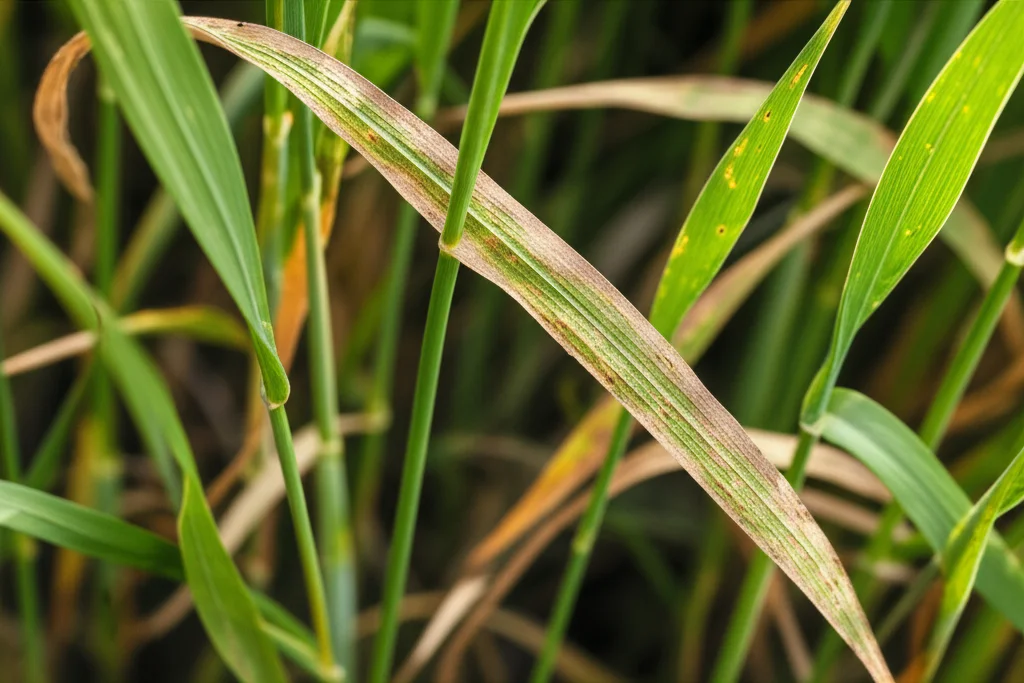
Now for the really exciting part: how do these genes react when durum wheat is under pressure? We exposed seedlings to salt, osmotic stress (like drought), cold, heat, and the hormones ABA and MeJA, and measured the *TtNF-YA* gene expression over time.
The results were fascinating! Most of the *TtNF-YA* genes were indeed switched on (upregulated) by these stresses and hormones, often quite quickly (within an hour). But different genes responded differently depending on the stressor. For example:
- *TtNF-YA2A-1* and *TtNF-YA2B-1* showed a big jump in expression under osmotic stress (PEG treatment).
- *TtNF-YA4A* and *TtNF-YA4B-1* were highly induced by salt stress.
- *TtNF-YA5B-1* and *TtNF-YA6A-1* really ramped up when we applied ABA.
Some genes responded strongly to multiple stresses, while others seemed more specific. This diverse response pattern strongly suggests that these *TtNF-YA* genes are key players in durum wheat’s ability to cope with a changing environment.
Testing Tolerance in Yeast
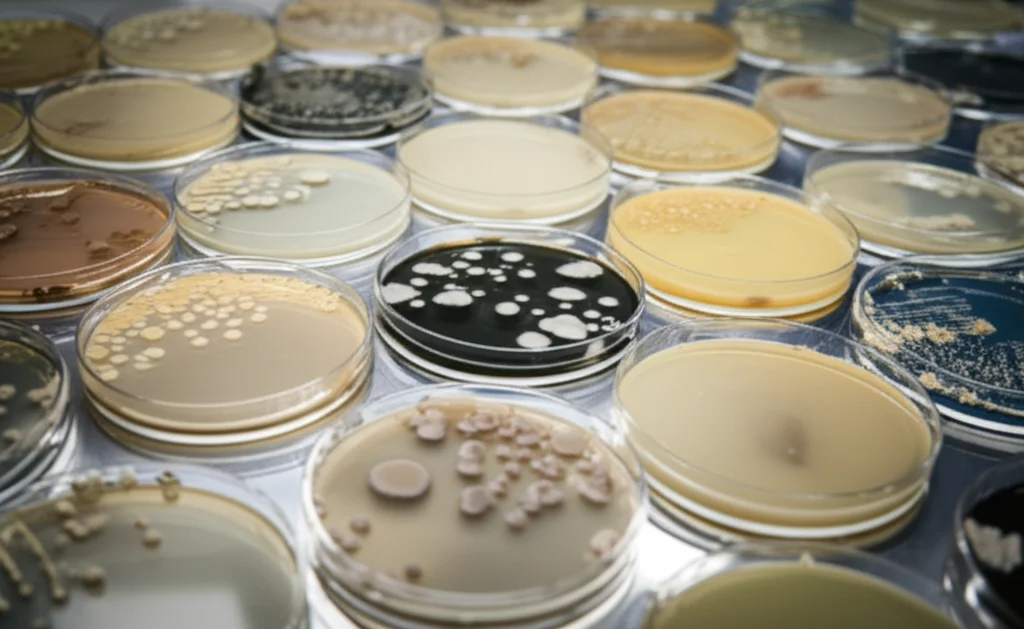
Okay, so the expression data looks promising, but do these genes actually *do* something to help with stress tolerance? To get a preliminary answer, we took six of the *TtNF-YA* genes that showed strong responses and popped them into yeast cells (*Saccharomyces cerevisiae*). Why yeast? Because it’s a simple eukaryotic system that’s easy to work with, and it has its own system (the Hap complex) that’s somewhat similar to the plant *NF-Y* complex. It’s a great way to quickly test if a gene has the *potential* to improve stress tolerance.
We grew yeast cells with our *TtNF-YA* genes (and control cells with an empty vector) under normal conditions and then under salt, osmotic, cold, and heat stress. What we saw was super encouraging! Under normal conditions, they grew about the same. But under stress? The yeast cells expressing the *TtNF-YA* genes grew significantly better than the control cells. This tells us that these durum wheat genes are functional even in a completely different organism like yeast, and they actively help protect the cells from harsh conditions. This is a strong hint that they could do the same thing in durum wheat plants!
Putting It All Together
So, what have we learned from this deep dive into the *TtNF-YA* family? We’ve identified and characterized 12 members of this important transcription factor subfamily in durum wheat. We’ve mapped where they are, looked at their protein structures, traced their evolutionary history, and, crucially, analyzed when and where they are expressed.
Our findings confirm that *TtNF-YA* genes are expressed in various tissues and developmental stages, suggesting roles beyond just stress response, possibly in growth and reproduction too. The presence of diverse *cis-regulatory elements* in their promoters strongly supports their involvement in responding to hormones and a wide array of abiotic stresses. And the expression data under stress conditions backs this up, showing specific genes are highly induced by salt, osmotic stress, cold, heat, and hormones like ABA and MeJA.
Perhaps most excitingly, our experiments in yeast provide functional evidence that several *TtNF-YA* genes can indeed enhance tolerance to multiple abiotic stresses. This suggests they are not just responding to stress, but actively helping the plant cope.
Conclusion
This study gives us the first comprehensive look at the *TtNF-YA* family in durum wheat. We’ve laid the groundwork for understanding these genes, revealing their potential roles in both development and stress tolerance. The fact that overexpressing some of these genes improved stress tolerance in yeast is a really promising sign. It points to these *TtNF-YA* genes as fantastic candidates for future research and, potentially, for genetic engineering efforts aimed at developing durum wheat varieties that are more resilient to the increasing challenges of our changing climate. Imagine pasta from wheat that can handle tougher conditions – that’s a future worth working towards!
Source: Springer