
Dorm Makeover Magic: Unpacking a Dataset on Energy, Air, and Student Habits
Hey there! So, I recently stumbled upon something pretty neat – a massive dataset that gives us a peek into what happens when you give old buildings a serious energy makeover, specifically student dorms. We’re talking about a two-year deep dive, looking at how students actually *use* their space, the air quality inside, and how much energy everything sucks up, both *before* and *after* a big retrofit. It’s like getting the inside scoop on a building’s transformation!
Why Buildings Are Energy Hogs (And Why We Should Care)
Let’s be real, buildings are energy guzzlers. Globally, they account for a whopping 35% of total final delivered energy. That’s a massive slice of the pie! And guess what eats up the biggest chunk within those buildings? Yep, you guessed it: HVAC systems (heating, ventilation, and air conditioning), often consuming around 40% of a building’s total energy demand.
Now, here’s where it gets interesting. You can design the most efficient HVAC system in the world, but if you don’t factor in the messy, unpredictable thing we call *human behavior*, your energy predictions can be wildly off. Studies have shown discrepancies between predicted and actual energy use ranging from 50% to a staggering 150%, all thanks to how people interact with their environment – opening windows, adjusting thermostats, plugging in gadgets.
Beyond energy, buildings also use a ton of materials and contribute significantly to greenhouse gas emissions. And since most of us spend about 90% of our time indoors, maintaining a comfortable and healthy indoor environment is crucial, which, ironically, often requires *more* energy for climate control. This is why governments worldwide are pushing for retrofits – upgrading older buildings to be more efficient.
The Retrofit Revolution: Giving Old Buildings a New Lease on Life
Think of a retrofit as a building glow-up. It’s about taking obsolete parts and bringing them into the modern age with better technology. It’s a multi-step process, from checking things out initially to planning, implementing, and finally, verifying that the changes actually made a difference.
Past studies have consistently shown that retrofits can lead to significant reductions in energy consumption. We’re talking about heating energy drops anywhere from 24% to 51% in various residential buildings across Europe. Often, upgrading windows comes up as a big win, likely because it drastically cuts down on air leaks.
But it’s not just about energy. Retrofits can also impact the *air we breathe* indoors, the Indoor Environmental Quality (IEQ). This is where things get a bit mixed. Sometimes, adding better ventilation helps clear pollutants. Other times, new building materials can actually *increase* the concentration of things like TVOCs (Total Volatile Organic Compounds) or formaldehyde. It really highlights the need to consider ventilation alongside insulation and airtightness. You don’t want to seal a building up tight without giving it a way to breathe fresh air!
Our Dorm Study: A Deep Dive Before and After
This is where the dataset I found comes in, and it’s pretty unique. While lots of studies look at apartments or offices, there’s hardly any data on residential dorms, especially a comprehensive look *before and after* a major retrofit that includes occupant behavior.
Imagine this: 16 identical dorm units at a university in Syracuse, New York (a place famous for its serious winters!). We’re talking about townhouses built way back in 1972. Eight of these units got a full-blown, deep energy retrofit. The other eight served as a control group (though the main focus of this dataset is the pre/post comparison on the retrofitted ones).
Before the makeover, they had basic electric baseboard heating (not very efficient, with a COP of 1) and no cooling (Syracuse gets cold, but summers exist!). The walls, windows, and doors were… well, from 1972.
The retrofit was extensive:
- Walls: Upgraded with more insulation layers.
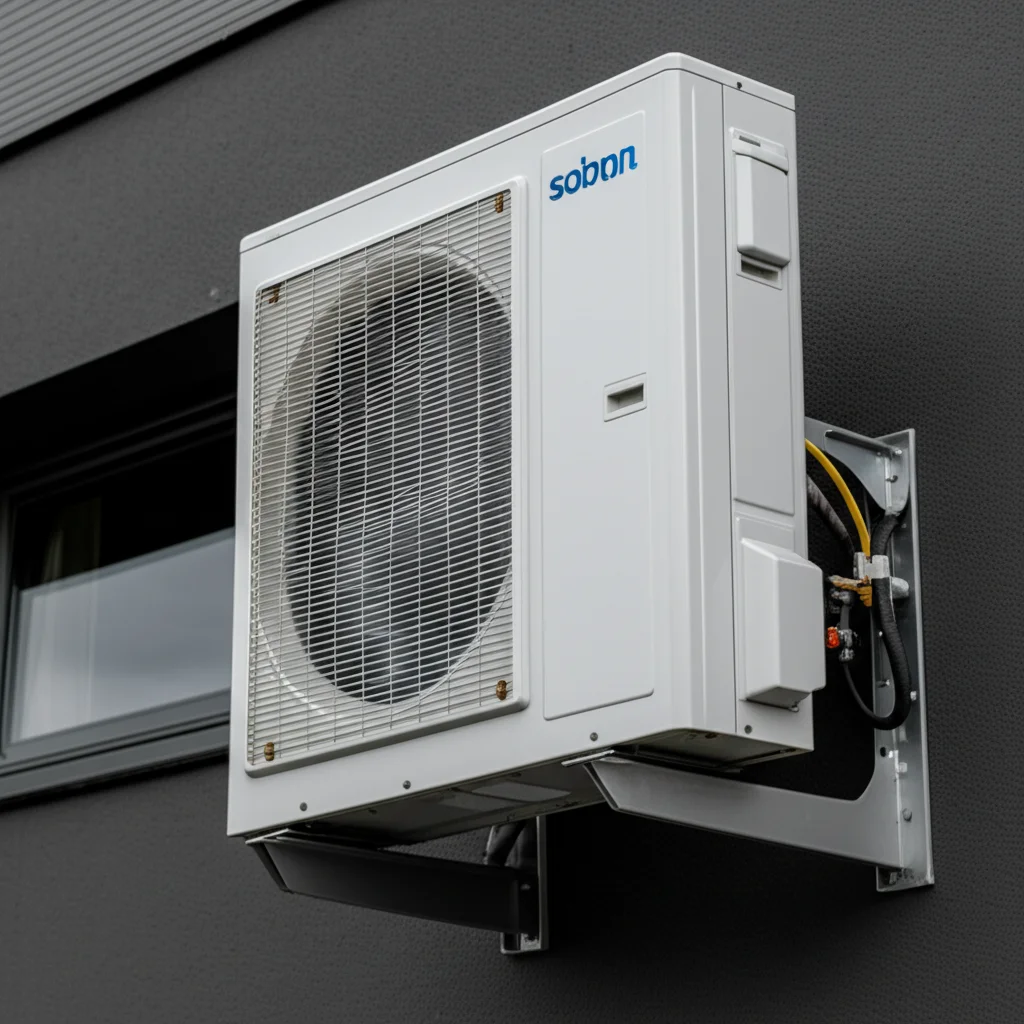
- HVAC: Old baseboard heaters replaced with high-efficiency Air Source Heat Pumps (ASHPs) that provide both heating and cooling (with a much better COP of 4.2!).
- Windows: Replaced with double-pane, low-E coated casement windows (much better U-value and SHGC).
- Doors: New, insulated fiberglass exterior doors.
- Ventilation: Installation of Heat Recovery Ventilation (HRV) units in each apartment.
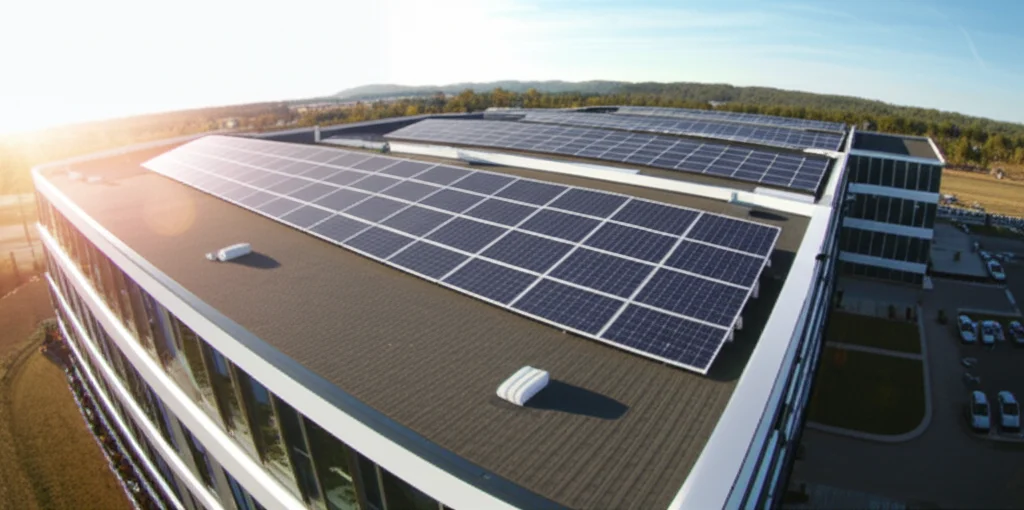
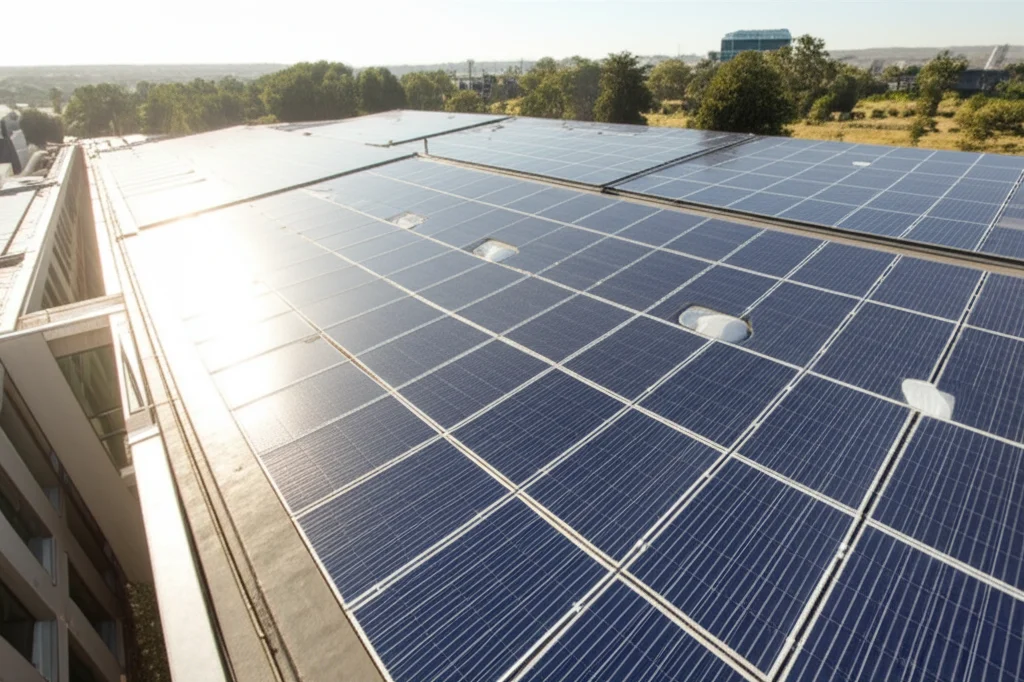
- Renewables: Added PV panels (though the dataset focuses on building energy use, not generation).
Basically, they went all out to make these dorms energy superstars.
Gathering the Goods: Sensors Everywhere!
To capture the full picture, they kitted out the dorms with all sorts of sensors for two full years (a semester before the retrofit and a semester after, covering all seasons).
We’re talking:
- Contact Sensors: On windows and doors to see when they were opened or closed.
- Ambient Monitoring Sensors: Measuring temperature, relative humidity, lighting levels, CO₂, and TVOCs in the living areas.
- Power Meter Sensors: This is where it gets detailed! They tracked energy use for *everything* – HVAC in different zones, stoves, exhaust hoods, lights, refrigerators, plug loads, water heaters, and the new HRV units.
All this data was collected minute-by-minute, cleaned up, and anonymized to protect student privacy. The really cool part? They’ve made this massive, detailed dataset publicly available for other researchers to dig into!
What the Data Revealed: The Juicy Bits!
Okay, so after all that work, what did they find? The results are pretty compelling and show the power of a good retrofit:
Huge Energy Savings!
This is perhaps the most dramatic finding. The average HVAC energy usage dropped by a whopping 77.81% after the retrofit! Remember those old electric baseboard heaters with a COP of 1? Replacing them with heat pumps with a COP around 4 made a massive difference. Even during extreme cold snaps (temperatures dropping below -20°C!), the heat pumps handled it efficiently, using over three times less energy than the old system.
Better Air Quality!
Despite making the buildings more airtight (infiltration decreased by 57.70%), the inclusion of the HRV systems paid off big time for air quality. Average TVOC concentrations saw a significant reduction of 57.78%. This is important because high TVOC levels can cause health issues. The HRVs are constantly bringing in fresh air while recovering heat/coolness from the outgoing air, which is a smart way to balance efficiency and air quality.
Improved Comfort and Resilience!
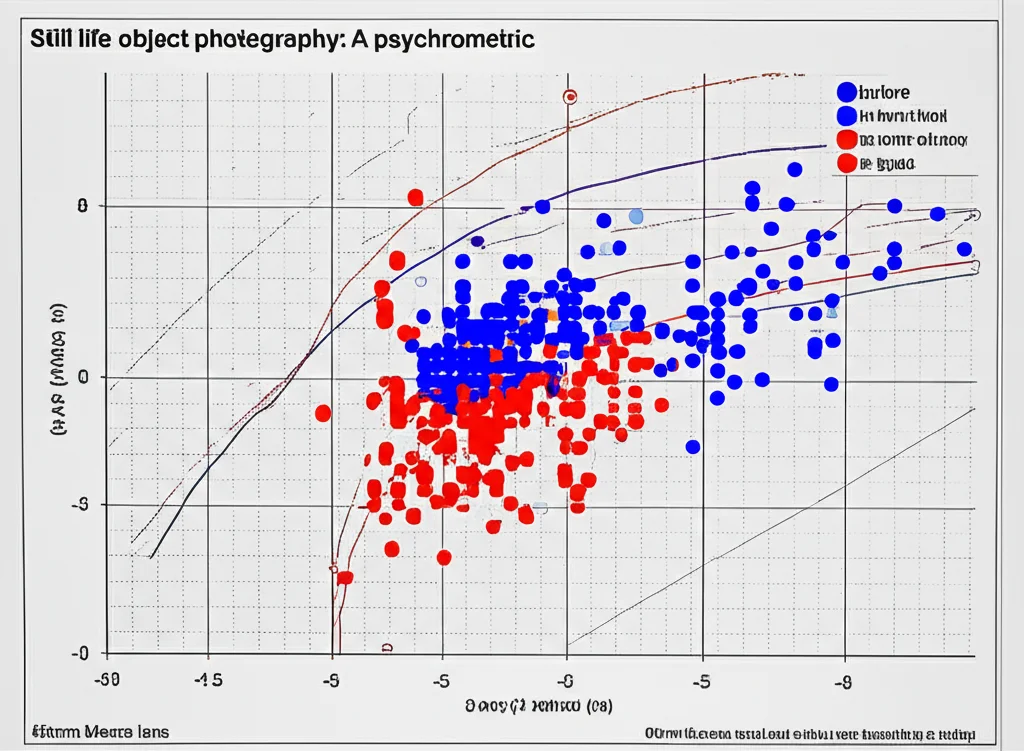
The psychrometric charts (which plot temperature and humidity) showed that indoor conditions were much more stable and within the comfortable zone after the retrofit. The buildings became much more resilient to extreme weather, with a massive 93.00% reduction in hours considered under ‘Extreme Caution’ conditions.
Changing Student Habits!
This is where the occupant behavior data comes in. With improved thermal comfort, students were less likely to open their windows to regulate temperature. Window opening frequency decreased by 12.33%, and the duration they stayed open dropped by 34.51%. This shows that better building performance can subtly influence how people behave, leading to even greater energy savings and more consistent indoor environments.

Why This Dataset Rocks for Researchers
This dataset is a goldmine because it brings together so many pieces of the puzzle in one place, especially for a building type (residential dorms) that hasn’t been studied this extensively. Researchers can use it to:
- Quantify exactly how occupant behavior impacts energy use.
- Measure the real-world impact of deep energy retrofits on energy and IEQ.
- See how smart ventilation systems like HRVs perform.
- Analyze how students use various appliances and building systems.
- Build and test machine learning models to predict energy use or simulate building performance more accurately by incorporating realistic behavior patterns.
- Develop models to forecast future energy loads based on changing climate conditions.
It’s a fantastic resource for anyone trying to understand the complex dance between people, buildings, energy, and the environment.
Wrapping It Up
What this study and dataset really underscore is that retrofitting buildings isn’t just about slapping on some insulation or upgrading a furnace. It’s a holistic process that can dramatically improve energy efficiency, enhance indoor air quality, boost comfort and resilience, and even subtly change how occupants interact with their space. Making this data public is a great step towards helping researchers build smarter, more sustainable buildings for the future. It’s pretty inspiring stuff!
Source: Springer