

Decoding Distemper: What Brain Fluid Tells Us About Nervous System Trouble in Dogs
Hello there, fellow dog lovers and curious minds! Let’s dive into something a bit complex but super important for our furry friends: canine distemper, specifically when it messes with their nervous system. It’s a tough one, this disease, caused by the Canine Distemper Virus (CDV). It doesn’t just give them sniffles; it can really hit their brain and spinal cord hard, leading to all sorts of scary neurological signs.
When CDV gets into a dog’s nervous system, it doesn’t just replicate; it stirs up a whole lot of trouble, causing inflammation and damage. Think of inflammation as the body’s alarm system, but sometimes that alarm can cause damage itself. Scientists have been looking at different ways to understand what’s happening inside the brain during this process, and one key area is the role of tiny signaling molecules called cytokines.
What’s Going On Inside? Inflammation and Cytokines
So, what exactly are cytokines? Well, they’re like little messengers that immune cells use to communicate. Some are pro-inflammatory, meaning they crank up the inflammation response, which is initially good for fighting off invaders but can become harmful if it goes on for too long or is too strong. Two big players in the pro-inflammatory world are Tumor Necrosis Factor-alpha (TNF-α) and Interleukin-6 (IL-6). These guys are known to be involved in inflammation in lots of different diseases, including those affecting the brain.
Given that nervous distemper involves a lot of inflammation in the brain and spinal cord, it makes sense that researchers would wonder if these pro-inflammatory cytokines, TNF-α and IL-6, are involved. And if they are, could measuring their levels tell us something useful, perhaps even help diagnose the disease?
The Big Question: Cytokines in the Brain’s Fluid
That’s exactly what a recent study set out to investigate. They wanted to see if the levels of TNF-α and IL-6 in the cerebrospinal fluid (CSF) – that’s the clear fluid that surrounds the brain and spinal cord – were different in dogs with nervous distemper compared to other dogs. Why CSF? Because it’s right there in the thick of things, so changes in its composition can give us clues about what’s happening in the central nervous system (CNS).
The study brought together a group of dogs to compare:
- 23 dogs who had CDV infection and were showing neurological signs (the study group).
- 10 dogs who were sick with other diseases causing neurological signs, but *didn’t* have CDV (a control group).
- 12 healthy dogs (another control group).
By comparing these groups, the researchers could see if elevated cytokine levels were specific to CDV-related neurological issues or just a general sign of brain trouble.
How Did They Look for Clues?
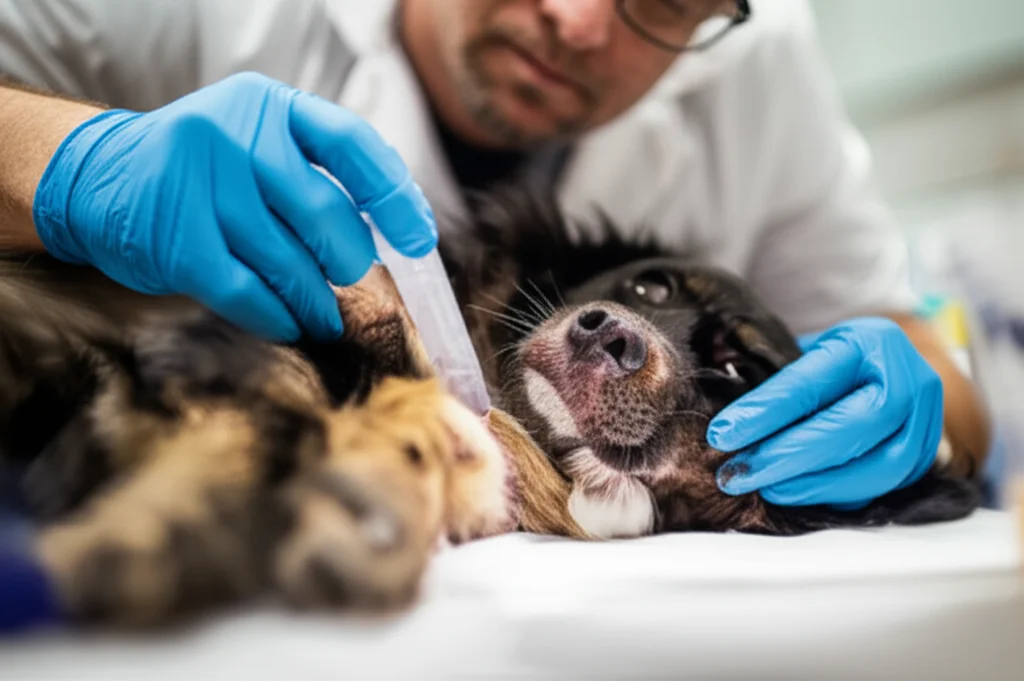
Getting CSF samples from dogs requires careful handling, usually under anesthesia. Once they had the samples, they did two main things:
- They used a technique called Reverse Transcription Polymerase Chain Reaction (RT-PCR) to check if the CDV’s genetic material was present in the CSF. This confirmed which dogs truly had the virus in their nervous system.
- They used a method called sandwich enzyme-linked immunosorbent assay (ELISA) to measure the exact amounts of TNF-α and IL-6 proteins in the CSF samples.
This combination of tests allowed them to confirm the infection status and then quantify the cytokine levels in each group. Pretty neat, right? It’s like being detectives, but instead of fingerprints, they’re looking for viral RNA and protein signals in a tiny fluid sample.
So, What Did They Find? The Results Are In!
First off, the RT-PCR test worked like a charm. They confirmed that all 23 dogs in the study group indeed had CDV RNA in their CSF, while none of the dogs in the two control groups did. This validated their grouping.
Now for the cytokines. When they measured TNF-α and IL-6:
- Both TNF-α and IL-6 levels in the CSF were significantly *higher* in the CDV-infected dogs compared to the healthy control dogs. This makes sense; the virus is causing inflammation, and these cytokines are part of that inflammatory response.
- However, and this is a key finding, there was no significant difference in the levels of either TNF-α or IL-6 between the CDV-infected dogs and the non-infected dogs who had other neurological diseases.
Think about that last point. It means that while these cytokines are definitely elevated when there’s inflammation in the brain due to CDV, they’re also elevated when there’s inflammation due to *other* neurological problems.
What Does It All Mean? Cytokines: Involved, But Not Exclusive
These results tell us a few important things. Firstly, the elevated levels of TNF-α and IL-6 in the CSF of dogs with nervous distemper strongly suggest that these pro-inflammatory cytokines are actively involved in the disease process. They’re likely contributing to the inflammation and damage we see in the nervous system during CDV infection. This aligns with other research that has shown these cytokines are upregulated in the brain and CSF of infected animals.
However, the fact that the levels weren’t significantly different between the CDV-infected group and the group with other neurological issues is a bit of a curveball, especially if you were hoping these cytokines could be a simple diagnostic test. It means that just finding high levels of TNF-α or IL-6 in a dog’s CSF isn’t enough to say definitively, “Ah, this is nervous distemper!” It could be any number of other inflammatory brain conditions.
This lack of specificity is a challenge for using TNF-α and IL-6 as standalone biomarkers for diagnosing nervous distemper. While they confirm inflammation is happening, they don’t pinpoint the *cause* of that inflammation when other neurological diseases are on the table.
Why This Matters for Our Pups
Accurate diagnosis is absolutely crucial for treating any disease effectively, and nervous distemper is no exception. It has high morbidity and mortality, especially in unvaccinated dogs. Knowing exactly what you’re dealing with guides treatment decisions and helps predict the outcome. While clinical signs and initial tests can point towards distemper, confirming nervous system involvement and distinguishing it from other conditions is vital.
This study reinforces that while TNF-α and IL-6 are players in the inflammatory response during nervous distemper, we can’t rely on them alone for a definitive diagnosis. The researchers suggest that future work should focus on finding other biomarkers – maybe different cytokines, or genetic markers – that are *more* specific to CDV infection in the nervous system. Finding these more precise indicators would be a huge step forward in diagnosing and managing this challenging disease.
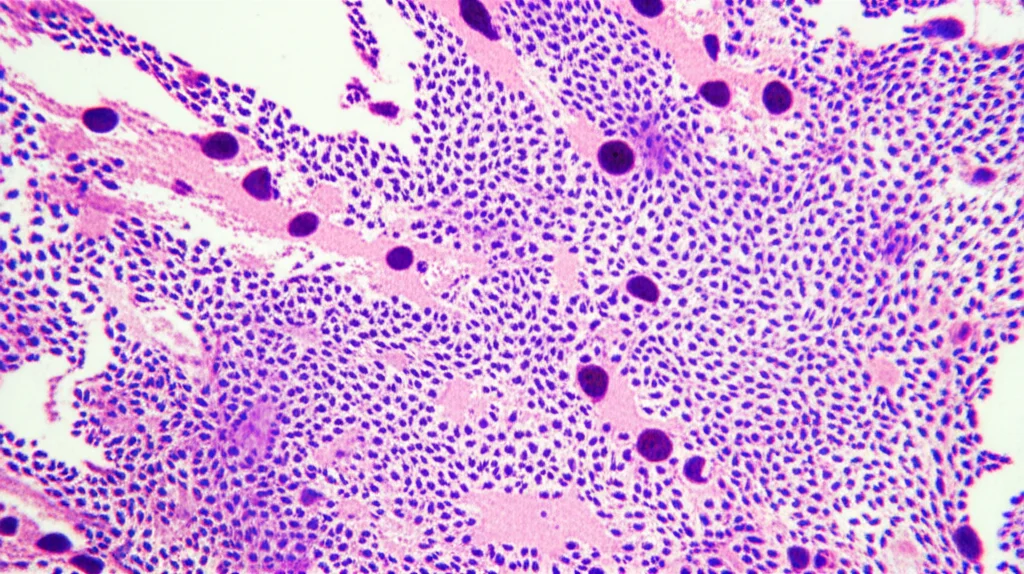
So, while this study confirms the involvement of TNF-α and IL-6 in the inflammatory storm of nervous distemper, it also highlights the complexity of diagnosing brain diseases in dogs. It’s a reminder that science is a continuous process of asking questions, gathering evidence, and refining our understanding to ultimately help our beloved canine companions live healthier lives.
Source: Springer