Unpacking Digital Ulcers in SSc: What Italy’s Real-World Data Tells Us
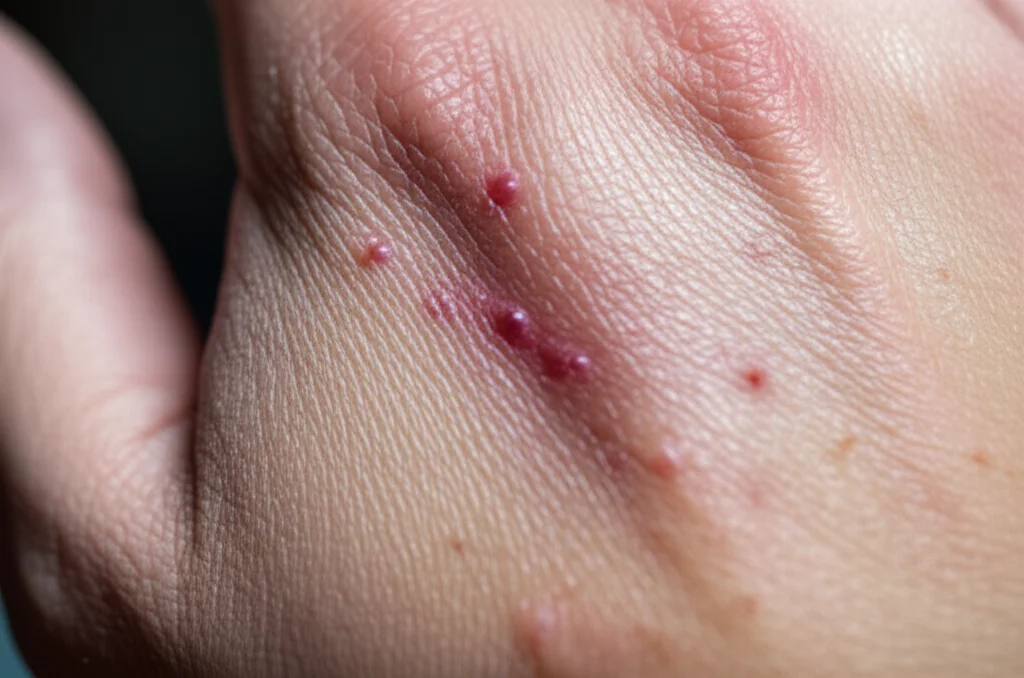
Hey there! Let’s talk about something that can be a real challenge for folks living with Systemic Sclerosis (SSc), often called scleroderma. I’m talking about digital ulcers (DUs). If you know anything about SSc, you know it can affect the skin, blood vessels, and internal organs. And those blood vessel issues? They often show up right on the fingertips and toes as these painful, slow-healing sores. They’re not just uncomfortable; they can seriously impact quality of life and even lead to nasty complications like infection or, worst case, amputation.
For us in the rheumatology world, understanding DUs is crucial. They seem to be more than just a local problem; they might be a warning sign that the disease is active or affecting internal organs. But how common are they *really* in the day-to-day lives of patients? And what other signs or factors are they linked to?
That’s where studies like the one from the SPRING Registry come in. This is a fantastic initiative by the Italian Society for Rheumatology (SIR) that collects real-world data from a large group of Italian SSc patients. Think of it as a big snapshot of what’s happening with SSc across Italy. We wanted to dive into this data to get a clearer picture of how prevalent DUs are in this specific cohort and see what clinical features or disease characteristics are associated with them.
What We Looked At
So, we gathered data from 1873 SSc patients in the SPRING registry who met the standard classification criteria and had information about their digital ulcers. We looked at all sorts of things: demographic data, autoantibodies (like ATA and ACA), clinical signs (sclerodactyly, telangiectasias, calcinosis, puffy fingers, etc.), organ involvement (GI, lung, heart, kidney), disease activity scores (revEUSTAR-AI), nailfold videocapillaroscopy (NVC) patterns, and past/present treatments (vasodilators, immunosuppressants).
We used some statistical tools, like logistic regression, to figure out which of these factors were significantly associated with the presence of DUs. We did both simple analyses (univariate) and more complex ones (multivariate) to see which associations held up even when accounting for other factors.
What We Found: The Nitty-Gritty
First off, we saw that 22% of the patients in this large Italian cohort reported having digital ulcers. This fits right in with what other studies from different parts of the world have reported – the prevalence can range anywhere from 10% to 40%. So, it’s a significant issue for a good chunk of the SSc population.
When we crunched the numbers, several things popped up as being associated with DUs in the initial analyses:
- Gastrointestinal involvement: If patients had issues with their stomach, esophagus, or intestines, they were more likely to have DUs. This makes sense, as SSc can affect blood vessels throughout the body, including the gut.
- ATA positivity: Patients with anti-topoisomerase I antibodies (ATA), often linked to more diffuse and severe SSc, were more than twice as likely to have DUs.
- Peripheral vascular signs: Things you can see or feel on the hands and fingers like telangiectasias (those tiny red spider veins), sclerodactyly (tightening of finger skin), digital pitting scars (little dents on fingertips from previous ulcers), and calcinosis (calcium deposits under the skin) were all strongly linked to DUs. This really highlights the connection between DUs and the wider vascular problems in SSc.
- Nailfold Capillaroscopy: Looking at the tiny blood vessels at the base of the fingernails (NVC) also showed a strong link. Patients with an “active” scleroderma pattern, areas with no blood vessels (avascular areas), or signs of new, abnormal vessel growth (neoangiogenesis) were more likely to have DUs. This reinforces that DUs are a direct sign of that underlying microvascular damage.
- Disease Activity: A higher revEUSTAR-AI score, which indicates more active disease, was also associated with DUs.
Interestingly, some factors were *negatively* associated in the initial analysis, meaning they were less common in patients with DUs. These included being female, older age, menopausal status, and having ACA antibodies (which are often linked to a different, usually milder, subset of SSc called limited cutaneous SSc). Puffy fingers also showed a negative association initially, which seemed a bit counterintuitive given it’s an early sign of swelling.
The Multivariate Story: What Really Matters
While the initial associations are interesting, the multivariate analysis helps us see which factors are *independently* linked to DUs, even when you consider everything else. And here’s where things get really insightful:
In the multivariate models, the strongest independent predictors for the presence of DUs were:
- ATA positivity: Still a significant risk factor.
- Puffy fingers: This switched from a negative to a strong *positive* association in the multivariate analysis! This suggests that while puffy fingers might be common in SSc generally, their presence is a significant independent risk factor for DUs when other factors are considered.
- Higher revEUSTAR-AI: High disease activity remained strongly associated with DUs.
These three factors – ATA, puffy fingers, and high disease activity – seem to be key indicators that a patient might have or develop digital ulcers. They point towards a more active, potentially more aggressive form of the disease with significant microvascular involvement.
The Treatment Angle: A Glimmer of Hope?
Now, let’s talk about treatments. In the initial analysis, both vasodilator/vasoactive treatments (like iloprost, which is used quite a bit in Italy, more so than in some other countries, we noted!) and immunosuppressive treatments seemed *associated* with the presence of DUs. This might sound odd at first – wouldn’t treatments *prevent* DUs? But remember, this is a cross-sectional study (a snapshot in time). Patients with DUs are *more likely* to be on these treatments because, well, they *have* DUs and need treatment! So, this initial association likely just reflects that doctors are appropriately treating patients who have this problem.
However, the multivariate analysis offered a really interesting finding regarding immunosuppressants. While ongoing immunosuppressive treatment wasn’t independently linked to DUs in this model, a *history* of previous immunosuppressive treatment emerged as a protective factor! Patients who had received immunosuppression in the past were significantly *less likely* to have DUs in this study.
This is a pretty noteworthy finding. It suggests that perhaps getting immunosuppressive treatment, maybe earlier in the disease course, might help prevent the development of these painful ulcers down the line. It hints that inflammation, which immunosuppressants target, might play a role in causing the vasculopathy that leads to DUs. This aligns with the idea that treating the underlying disease activity could have broader benefits, including protecting those tiny blood vessels in the fingers.
We didn’t find a significant link between DUs and severe complications like Pulmonary Arterial Hypertension (PAH) or Scleroderma Renal Crisis (SRC) in this particular study, possibly because these were less common in our cohort. But the strong link between DUs and GI involvement, ATA, puffy fingers, and high activity index still points to DUs being a marker for more systemic disease.

Putting It All Together
So, what’s the takeaway from this deep dive into the SPRING registry data?
First, digital ulcers are a common and significant problem for Italian SSc patients, just like elsewhere. Second, they are strongly associated with other signs of severe microvascular damage and systemic involvement, particularly ATA antibodies, puffy fingers, and high disease activity. This reinforces the idea that DUs are a “sentinel sign” – they tell us the disease is active and potentially affecting other parts of the body.
And perhaps most hopefully, the finding that previous immunosuppressive treatment was associated with a lower likelihood of having DUs suggests that tackling the underlying inflammation might be a way to help prevent these painful lesions from forming. This doesn’t mean current treatments aren’t valuable – vasodilators are crucial for managing symptoms and healing existing ulcers – but it opens the door to thinking about preventive strategies.
Of course, this study, being a snapshot in time from registry data, has its limitations. We can’t say for sure that immunosuppressants *cause* the reduction in DU risk, just that there’s an association. We need more studies, especially ones that follow patients over time (longitudinal studies), to really confirm these findings and figure out the best ways to prevent DUs.
But for now, this study from the SPRING registry gives us valuable real-world insights. It helps us better identify which SSc patients might be at higher risk for DUs and reinforces the importance of managing overall disease activity. Ultimately, the goal is to keep those painful ulcers at bay and improve the lives of people living with SSc.
Source: Springer