

Extreme Weather and Your Heart: What a Study in Dezful Found
Hey there! So, I stumbled upon this really fascinating study that dives into something super important: how those crazy temperature swings, like heat waves and cold snaps, might be messing with people’s hearts, specifically in a city called Dezful in Iran. You know, with climate change being such a big deal, understanding how it hits our health is more crucial than ever.
This research team wanted to get a clearer picture of how these extreme weather events affect hospital visits for cardiovascular diseases (that’s heart and blood vessel stuff) in Dezful. They focused particularly on older folks, because, let’s be honest, as we get older, our bodies just don’t handle extreme temperatures as easily.
Why Temperature Matters for Your Ticker
It turns out, extreme temperatures aren’t just uncomfortable; they can put real stress on your cardiovascular system. When it’s super hot, your body works harder to cool down, which can strain your heart. Think about sweating a lot – that can lead to dehydration, which affects blood pressure. Plus, heat can mess with your nervous system’s balance.
On the flip side, when it’s really cold, your blood vessels tend to narrow (that’s called vasoconstriction), trying to keep your core warm. This can raise your blood pressure and make your blood a bit thicker, increasing the risk of things like heart attacks or strokes. Nasty stuff, right?
Scientists have seen this link in lots of places, but the exact impact can vary depending on where you are and who you are. People in hotter climates might be more used to heat, and folks in colder places might be better prepared for the cold. This study specifically looked at Dezful, a city known for its hot, semi-humid climate, where summer temps can seriously soar.
Diving into the Dezful Data
The researchers gathered data from 2013 to 2019. They looked at daily weather info, environmental pollutants (like tiny particles in the air), and hospital records for cardiovascular diseases. They had specific definitions for what counted as a “heat wave” or a “cold wave” based on local temperatures hitting certain high or low percentiles for a few days in a row.
To figure out the connection, they used some pretty sophisticated statistical models. They wanted to see if hospital admissions for heart issues went up during or shortly after these extreme weather events, and if there was a delayed effect too. They also made sure to account for other things that could influence hospital visits, like air pollution and even holidays.
They specifically broke down the data by age and gender to see if certain groups were more vulnerable. This is key, because vulnerability isn’t the same for everyone.

The Big Takeaway for Older Adults
Okay, so what did they find in Dezful? Here’s where it gets interesting:
* For the general population, the study *didn’t* find a significant overall increase in cardiovascular hospitalizations during heat or cold waves. This might sound surprising, especially compared to studies in other places.
* But when they looked closer at age groups, a different picture emerged.
* Heat Waves: They found a significant *increase* in the risk of hospital admissions for cardiovascular disease specifically in individuals aged 75 years and older during heat waves. The added risk was noticeable right away.
* Cold Waves: Cold snaps also showed a significant risk increase, but for a slightly younger group: individuals aged 65 to 74 years. This effect seemed to linger for several days after the cold wave ended.
So, even though the overall numbers didn’t jump dramatically for everyone, certain older age groups were definitely hit harder. This aligns with lots of other research showing that older adults are particularly vulnerable to temperature extremes. Why? Well, things like our body’s ability to regulate temperature declining with age, having other health conditions, or even social factors like living alone can play a role.
Comparing Notes with Other Studies
The researchers mentioned how their findings stack up against others. Some studies, like ones in Germany or Korea, also found that heat waves increased cardiovascular hospitalizations, especially in older folks. A big review of many studies also highlighted the increased risk for the elderly during heat waves.
However, some studies have found different results, or no significant link at all, like one in Southern Vietnam or a meta-analysis looking at heat waves and heart morbidity globally. The Dezful study’s finding that the general population wasn’t significantly affected by heat waves also contrasts with some research.
Why the differences? The researchers suggest several reasons:
- Geographical diversity: Climates and local conditions vary wildly.
- Severity of exposure: How intense was the heat or cold?
- Population sensitivity and adaptation: People in Dezful might be more used to heat and have ways of coping. This study even hints that adaptation might be a reason why younger groups weren’t as affected by heat waves there.
- Preventive measures: Are there public health warnings or cooling centers?
- Healthcare access and policies: How easy is it to get to a hospital?
They also bring up a sobering point: some of the most vulnerable people might pass away *before* they even get to the hospital during an extreme heat event, meaning they wouldn’t show up in hospitalization statistics.
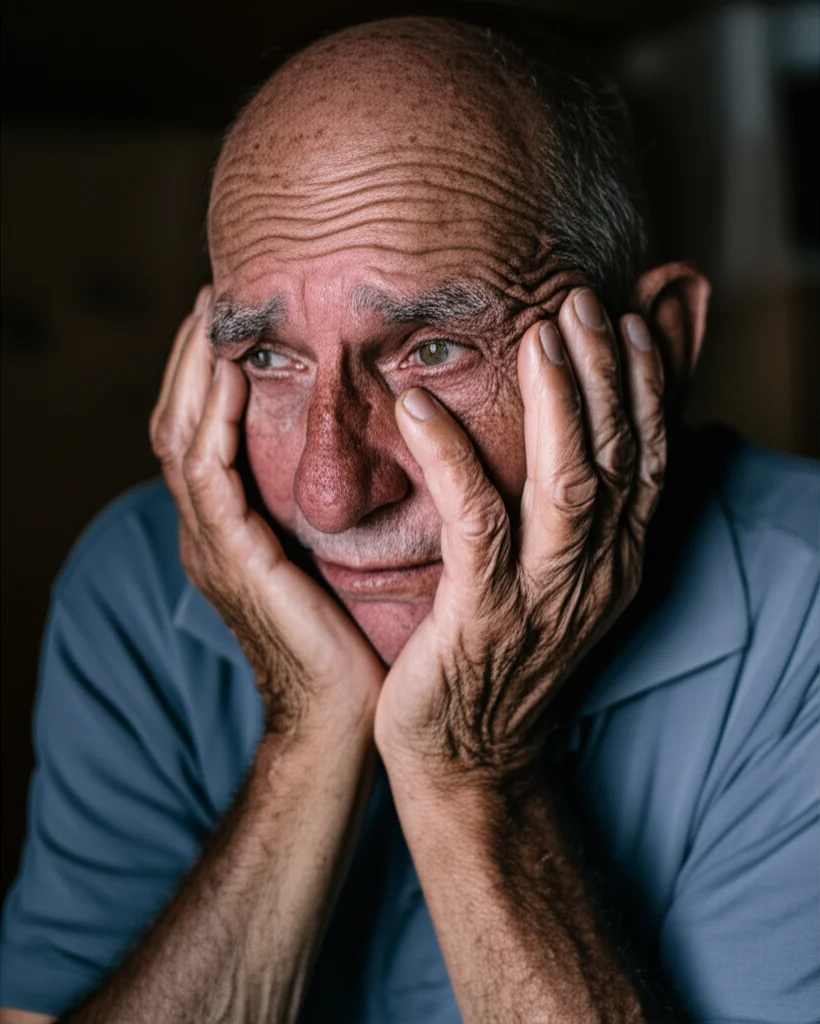
Regarding cold waves, the Dezful study’s finding about the 65-74 age group aligns with some research showing increased cardiovascular risk for older adults during cold spells. A meta-analysis also found a notable increase in both mortality and morbidity during cold spells. Again, though, some studies found no significant link. The relatively mild cold temperatures in Dezful compared to other regions might be a factor here, or again, local adaptation could play a role.
What This Means Going Forward
This study really drives home that even in a place like Dezful, where people might be somewhat adapted to the heat, extreme temperatures are still a serious health risk, particularly for older adults. As climate change continues to give us more intense and frequent heat and cold waves, this problem isn’t going away.
It highlights the urgent need for public health folks and policymakers to develop strategies to protect vulnerable populations during these events. This could mean:
- Issuing timely warnings about heat and cold waves.
- Setting up cooling or warming centers.
- Checking in on older neighbors or relatives.
- Educating the public on how to stay safe during extreme weather.
The researchers also point out that while their study suggests some level of adaptation might be happening in Dezful, we still need more research, especially studies that follow groups of people over time, to fully understand who is most at risk and why.
Understanding these patterns in different climates, like the diverse ones across Iran, is vital for improving public health and reducing the burden of cardiovascular diseases linked to climate change. It’s not just about the temperature outside; it’s about how our bodies, our communities, and our environment interact.

Just a note on the study’s limitations: they only looked at outdoor temperature effects and couldn’t include ozone data because it wasn’t fully recorded in Dezful. They did, however, control for other pollutants like PM2.5 and PM10, which are also a concern in the area.
Overall, this research from Dezful gives us a valuable piece of the puzzle, showing that even in hot climates, both ends of the temperature spectrum pose a threat to the hearts of our older populations. It’s a clear call to action to get prepared for a future with more extreme weather.
Source: Springer