

Sweat Your Way to Better Grades (and Sanity)? Exercise, Self-Esteem, and College Mental Health
Hey there! Let’s be real for a second. College life? It’s a wild ride, isn’t it? You’re juggling classes, maybe a job, trying to figure out your future, dealing with social stuff (hello, social media comparisons!), and maybe even navigating family expectations. It’s a lot. And honestly, it’s no surprise that sometimes, all that pressure can feel like a heavy blanket, leading to feelings of **depression** and **anxiety**. We’re seeing these mental health challenges pop up more and more among students, and it’s something we really need to talk about.
So, what can we do? Finding ways to cope and even thrive is super important. And guess what? Something as simple as getting off the couch and moving your body might be a powerful tool in your mental health toolkit.
The College Grind and Mental Health
Picture this: You’re buried under textbooks, deadlines are looming, and the job market feels like a scary unknown. Add to that the constant highlight reel on social media making everyone else’s life look perfect, and you’ve got a recipe for stress. The text I’ve been looking at confirms what many of us feel – the pressures of academic competition, tricky interpersonal relationships, and career worries are seriously contributing to higher rates of **depression** (DEP) and **anxiety** (ANX) among college students. It’s a global issue, and finding effective ways to help is crucial.
Enter Physical Activity (PA)
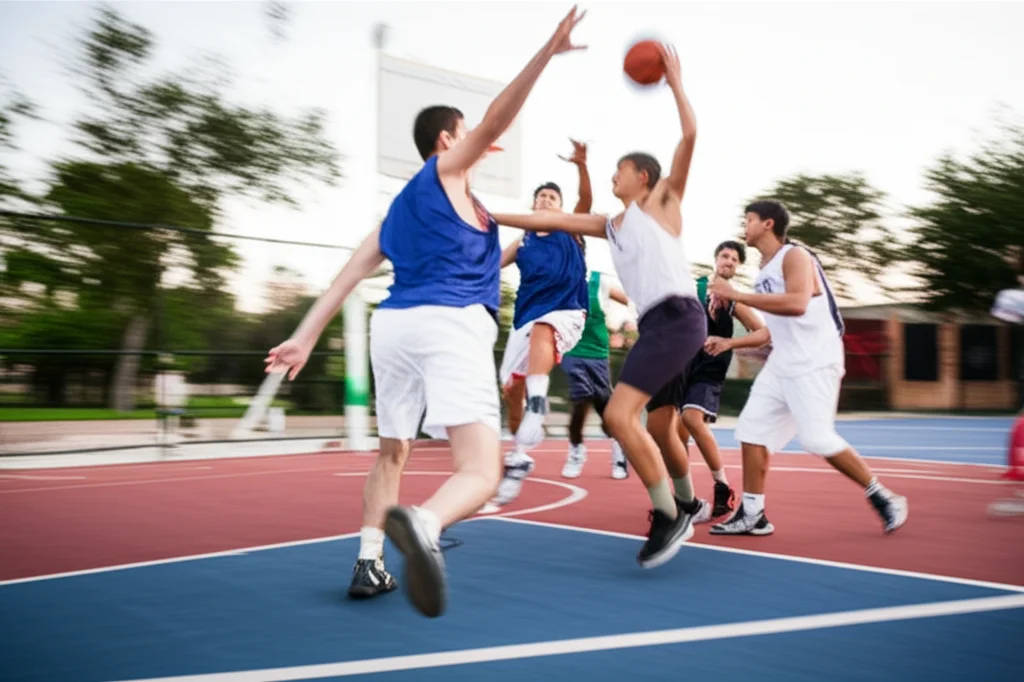
This is where **physical activity** (PA) steps onto the scene. Think about it – it’s relatively cheap, easy to get into (once you start!), and it’s known for boosting both your body *and* your mind. Exercise psychology folks have this theory that PA can really improve and ease negative emotions like DEP, ANX, and just general stress.
Research consistently shows that getting regular PA isn’t just about looking good or running a faster mile. It seriously helps with psychological stress and lifts your mood. It’s like a natural intervention for those pesky DEP and ANX symptoms.
How PA Might Help (Beyond Just Feeling Good)
So, how does moving your body actually help your brain? The text points to a few cool ways:
- Brain Chemistry Boost: PA can actually modulate brain neurotransmitters like serotonin and dopamine. These guys are super important for regulating mood, and getting them balanced can really counter those depressed and anxious feelings.
- Better Brain Blood Flow: Regular exercise improves your cardiovascular health, which means better blood circulation. More oxygen and nutrients get to your brain, helping it function optimally, especially when it comes to managing emotions and stress.
- Social Connection: Joining a sports team or even just hitting the gym with a friend offers opportunities to interact and build connections. This social support is vital and can help reduce feelings of loneliness and social ANX.
And there’s one more big one… it boosts your **self-efficacy** and **self-esteem** (SE). And that, my friends, might be the key link.
The Missing Piece? Self-Esteem (SE)
While we know PA is good for mental health, the text I’ve been reading highlights that we haven’t fully explored *how* it works, especially the role of **self-esteem**. **Self-esteem** is basically how you feel about yourself, your subjective evaluation of your own worth. It’s a huge psychological buffer. If you have low SE, you might be more vulnerable to DEP and ANX because you have negative self-views and feel less equipped to handle challenges.
This particular study wanted to dig deeper. They didn’t just want to confirm that PA helps with DEP and ANX (which previous studies have shown). They wanted to see if **self-esteem** acts as a *mediator* – meaning PA boosts your SE, and *that* improved SE is what helps reduce your DEP and ANX levels. Think of SE as the bridge connecting your physical activity to your improved mental state. That’s the really novel part of this research!
Diving into the Study
So, how did they figure this out? The researchers surveyed 326 undergraduate students from three universities in China. They used questionnaires to ask about the students’ physical activity levels, how they felt (in terms of depression and anxiety), and their self-esteem. They then used a fancy statistical method called PLS-SEM to analyze all the data and see how everything connected. They made sure their measurements were reliable and valid, removing questions that didn’t quite fit, which is standard practice to get accurate results.

What the Study Found (The Juicy Bits!)
Okay, drumroll please! The results from this study are pretty compelling and back up what we hoped.
First off, they confirmed that **physical activity** does indeed have a significant negative effect on both **depression** levels and **anxiety** levels in college students. Basically, the more PA students reported doing, the lower their reported DEP and ANX tended to be. So, H1 and H2 (the hypotheses that PA negatively affects DEP and ANX) were supported.
But here’s the really interesting part: They found that **self-esteem** *partially mediates* the relationship between PA and both DEP and ANX. What does “partially mediates” mean? It means that while PA directly helps with DEP and ANX to some extent, a significant part of *why* PA helps is *because* it boosts your self-esteem. So, the path goes something like:
Physical Activity → Increased Self-Esteem → Reduced Depression and Anxiety
This supports hypotheses H3a and H3b – that SE acts as a mediator. It’s not the *only* way PA helps, but it’s a really important one!
Why This Matters (Mechanisms Revisited e Implications)
These findings are a big deal for a few reasons. Theoretically, they reinforce that PA is a powerful tool for improving mental health, not just through brain chemistry or social interaction, but also significantly by making you feel better about yourself. It highlights **self-esteem** as a crucial piece of the puzzle.
Practically, this study gives us some solid ideas for how to help college students. Universities and even we as individuals can use this information:
- Promote PA: Schools should make it easier and more appealing for students to be active. Better gyms, more diverse sports clubs, fun fitness classes – anything that gets students moving.
- Focus on SE in PA Programs: Since SE is a key link, PA programs could be designed to specifically boost it. Maybe focus on setting achievable goals and celebrating progress, helping students see how their physical efforts translate into personal growth and self-worth.
- Integrate PA and SE Support: Mental health workshops could talk about the link between exercise and self-esteem. Help students understand that feeling good about their bodies and what they can do physically can genuinely improve how they feel about themselves overall.
- Holistic Approach: This study reminds us that mental health is complex. We need to combine different strategies – encouraging PA, working on self-esteem, providing counseling, building social support – to really help students thrive.
It’s about creating an environment where students feel supported and empowered to take care of their whole selves – mind and body.
What’s Next? (Limitations e Future Research)
Like any good study, this one has its limits. The sample was from specific universities in one region of China, so we need to be a bit cautious about applying these findings everywhere. Different cultures and environments might have different results.
Also, this was a snapshot in time (a cross-sectional study). It shows a relationship *exists*, but it doesn’t definitively prove that PA *causes* the changes in SE, DEP, or ANX over time. Longitudinal studies (following the same students over months or years) would give us a clearer picture of cause and effect.
The researchers also point out that other factors could be involved – maybe coping strategies, social support networks, or how well students manage their emotions. Future studies could look at these as additional mediators.
Finally, they didn’t dive into *what kind* of PA, *how intense*, or *how often* is most effective. Does team sports work better than individual exercise? Is high intensity better than moderate? These details would be super helpful for designing targeted interventions.
Wrapping It Up
So, what’s the takeaway? This study gives us strong evidence that getting active can significantly help college students deal with **depression** and **anxiety**. And a big part of *how* it helps is by boosting their **self-esteem**. It’s a reminder that taking care of your physical self is deeply connected to taking care of your mental self. For students, universities, and anyone supporting young adults, encouraging physical activity and finding ways to build self-esteem should absolutely be a priority. It’s not just about academic success; it’s about overall well-being and helping students navigate this challenging but exciting time in their lives.
Source: Springer