Unlocking Preeclampsia’s Secrets: The CMIP Connection
Hey there! Let’s dive into something really important, something that affects pregnancies and can be incredibly challenging: Preeclampsia. If you’ve heard of it, you know it’s serious – high blood pressure, organ issues, usually popping up after 20 weeks. It’s a leading cause of problems for both mom and baby worldwide, and honestly, our options for treating it right now are pretty limited. Often, the main “fix” is delivering the baby, which, if it’s too early, brings its own set of risks. So, finding new ways to understand and tackle this is a big deal.
At the heart of preeclampsia seems to be the placenta, that amazing temporary organ connecting mom and baby. When the cells that build and interact with the uterus – called trophoblasts – don’t function properly, it can lead to the issues we see in PE. Think of it like the foundation of the pregnancy not being laid correctly. While we know some signaling pathways are involved, we’re still missing pieces of the puzzle. And that’s where our story, and this research, comes in.
The Mystery of CMIP in Preeclampsia
Previous studies hinted that a protein called c-Maf-inducible protein (CMIP) might be acting up in preeclamptic placentas. But what exactly was it doing? That was the big question. CMIP is a bit of a jack-of-all-trades protein, involved in different jobs in different cells, from immune responses to even cancer growth. Given its varied roles, it made sense to wonder if it had a unique, crucial job specifically in those vital trophoblast cells.
So, we decided to really dig in and see what CMIP was up to in preeclampsia.
What We Discovered: CMIP is Down, and That’s a Problem
Using fancy techniques like multiplex immunofluorescence and immunohistochemistry (basically, ways to see where proteins are and how much of them there are in tissue samples), we looked at placental tissues from women with preeclampsia compared to those with normal pregnancies. And guess what? CMIP levels were significantly lower in the preeclamptic placentas. This was particularly true in the extrachorionic trophoblasts (EVTs) and syncytiotrophoblasts (STBs) – key players in building and maintaining the placenta.
This finding was a big clue. It suggested that maybe, just maybe, this drop in CMIP wasn’t just a symptom, but part of the *cause* of the trophoblast problems in PE.

CMIP’s Crucial Role in Trophoblast Function
To test this idea, we worked with a human trophoblast cell line called HTR-8/SVneo. We did experiments where we either lowered CMIP levels (like what we saw in PE) or increased them. The results were pretty clear:
- When we *lowered* CMIP, the trophoblast cells struggled. Their ability to:
- Proliferate (multiply)
- Migrate (move where they need to go)
- Invade (burrow into the uterine wall, essential for proper blood supply)
- Form vessels (help build that crucial connection)
…all went down.
- Conversely, when we *increased* CMIP, these functions (migration, invasion, vessel formation) got a boost! (Interestingly, proliferation didn’t change much when we *added* CMIP, suggesting its main impact might be on movement and structure rather than just growth).
This strongly suggested that CMIP isn’t just *present* in trophoblasts; it’s *essential* for them to do their job right. When it’s missing, things go wrong, mirroring what happens in preeclampsia.
Unmasking the Downstream Pathway: Enter PDE7B and cAMP
Okay, so CMIP levels affect trophoblast function. But *how*? What molecules or pathways does CMIP talk to? We used RNA sequencing, a technique that lets us see which genes are turned on or off when CMIP levels change. This gave us a list of potential players.
After sifting through the data and doing more validation experiments (like checking protein levels and seeing if proteins physically interact), two main candidates popped up: SMOC1 and PDE7B. However, only PDE7B showed consistent changes at the protein level that matched the CMIP changes, and importantly, our experiments showed that CMIP and PDE7B can physically interact!
Now, what’s PDE7B? It’s part of a family of enzymes called phosphodiesterases (PDEs). Their job is to break down important signaling molecules inside cells. PDE7B is known to specifically break down cyclic adenosine monophosphate (cAMP). And cAMP is a HUGE deal in cells – it’s like a universal messenger, controlling tons of processes, including cell growth, movement, and differentiation. It’s also known to be super important for trophoblast function and placental development.

So, we tested the link between CMIP, PDE7B, and cAMP. We measured cAMP levels in our trophoblast cells when CMIP was high or low. The pattern was clear:
- High CMIP = High cAMP
- Low CMIP = Low cAMP
And when we specifically overexpressed PDE7B (which breaks down cAMP), cAMP levels went down, even if CMIP was high. This confirmed that PDE7B is acting downstream of CMIP and directly impacting cAMP levels. We also saw that PKA, a key protein activated by cAMP, followed the same pattern: High CMIP -> High PKA; Low CMIP -> Low PKA.
It’s like a domino effect: Low CMIP -> High PDE7B -> Low cAMP -> Impaired Trophoblast Function. This newly identified CMIP-PDE7B-cAMP pathway seems to be a critical player in why trophoblasts fail in preeclampsia.
Why Does CMIP Go Down? Hypoxia is a Suspect
Another known factor in preeclampsia is placental hypoxia – basically, the placenta doesn’t get enough oxygen, often because those trophoblasts didn’t remodel the maternal blood vessels properly. We wondered if this lack of oxygen could be causing the drop in CMIP we saw in PE placentas.
We grew different types of trophoblast cells (including primary cells directly from early pregnancies) in low-oxygen conditions, mimicking hypoxia. And yes, CMIP levels dropped significantly under hypoxia in all the cell types we tested. This fits perfectly with the clinical picture and suggests that the hypoxic environment in a struggling placenta might be the trigger that lowers CMIP, kicking off this whole problematic pathway.
Testing the Solution: Can Adding CMIP Help?
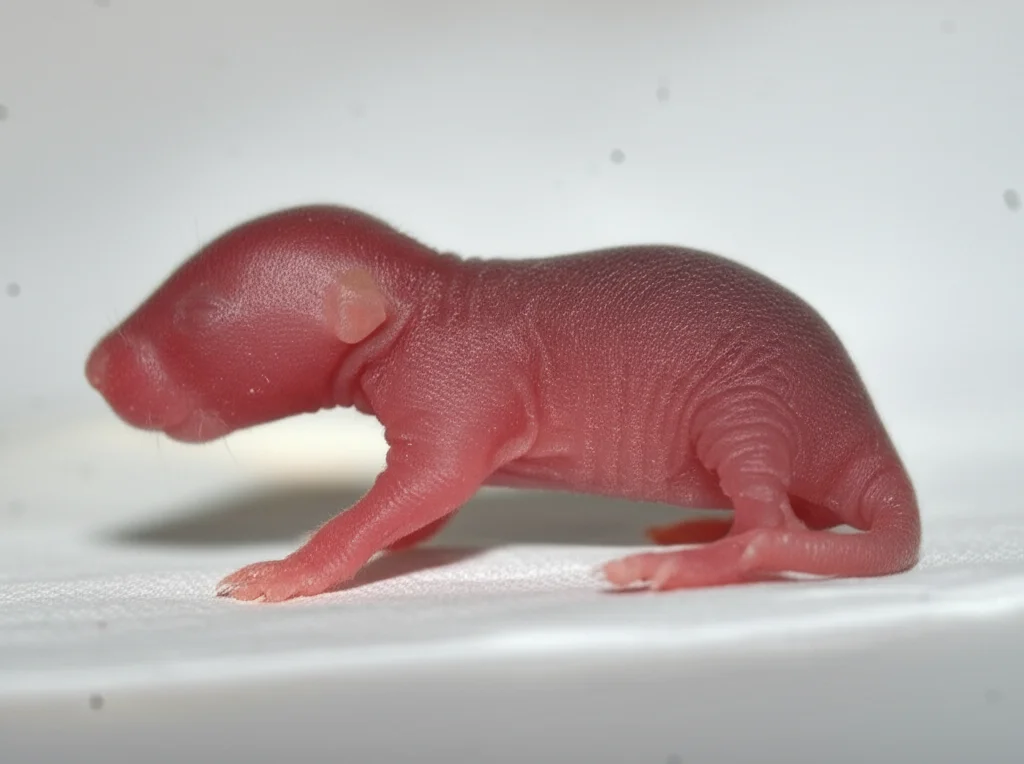
Finding a pathway is great, but can we actually *do* anything about it? To explore this, we used a rat model of preeclampsia. We induced PE-like symptoms (high blood pressure, poor fetal growth) in pregnant rats using a drug called L-NAME.
Then, we gave some of these PE rats a treatment designed to increase CMIP levels using a harmless virus (AAV-CMIP) to deliver the CMIP gene. The results were really encouraging! The rats that received the CMIP treatment showed:
- Lower blood pressure
- Increased fetal weight and number
- Increased placental weight
- More healthy trophoblast cells in their placentas
Compared to the untreated PE rats, the CMIP-treated rats looked much healthier, closer to the normal pregnancy group. This suggests that boosting CMIP levels might actually help alleviate some of the major symptoms of preeclampsia by improving trophoblast function and placental health.
Wrapping It Up: A New Target for Hope
So, what’s the big takeaway? This study gives us a brand new piece of the preeclampsia puzzle. We’ve shown, for the first time, that the downregulation of CMIP in placental trophoblasts, likely triggered by hypoxia, contributes to the disease by messing up the PDE7B-cAMP pathway. This disruption impairs the crucial functions of trophoblast cells – their ability to grow, move, invade, and help build the placenta’s blood supply.
Even more excitingly, our work in rats suggests that increasing CMIP levels could be a promising therapeutic strategy to counteract these problems and improve pregnancy outcomes. While there’s still a lot more research to be done (like figuring out the exact best way to deliver CMIP or target this pathway in humans, and accounting for other factors that influence PE risk), this study opens up a really exciting new avenue for developing much-needed treatments for preeclampsia.
It’s a complex disease, but understanding these specific molecular pathways like the CMIP-PDE7B-cAMP axis gives us new targets to aim for. And that, for everyone affected by preeclampsia, is a reason for hope.
Source: Springer