Where Rocks Tell Tales: Unlocking the Secrets of Balzi Rossi
Hey there! Let me tell you about a place that really captures my imagination – the Balzi Rossi geocultural site. Tucked away on the stunning Liguro-Provençal coast in Italy, right near the French border, this isn’t just any old spot. It’s one of those magical locations where the very ground beneath your feet holds stories stretching back hundreds of thousands of years, intertwining the deep history of our planet with the incredible journey of human life.
Think of it as a place where geology and archaeology aren’t just neighbors; they’re best friends, constantly influencing each other. It’s a perfect example of what we call a geocultural site – somewhere the geological features aren’t just scenery, but active players in the human story that unfolded there.
What’s a Geocultural Site, Anyway?
Okay, so we hear a lot about cultural heritage – ancient buildings, artifacts, historical sites. And we know about natural heritage – stunning landscapes, unique ecosystems. But a geocultural site? That’s where these worlds collide in the most fascinating way. It’s a place where the rocks, the landforms, the very structure of the Earth have directly influenced human settlement, survival, and culture.
The text I’ve been diving into highlights this beautifully. It talks about how places like Balzi Rossi are crucial for understanding how landscapes shaped past populations, even across modern borders. They’re not just *part* of the cultural heritage; they *underpin* it. The geological features provide the stage, the shelter, the resources, and the challenges that shaped human history. Protecting these sites means protecting *both* the natural and the human story, which, let’s be honest, makes them even more compelling to the rest of us!
Balzi Rossi Up Close: A Deep Dive into Deep Time
So, what makes Balzi Rossi so special? Well, for starters, it’s got an incredible track record – literally. The stratigraphic layers preserved here cover over 200,000 years of human presence. Imagine that! People have been hanging out here, adapting to the world around them, for *two hundred thousand years*.
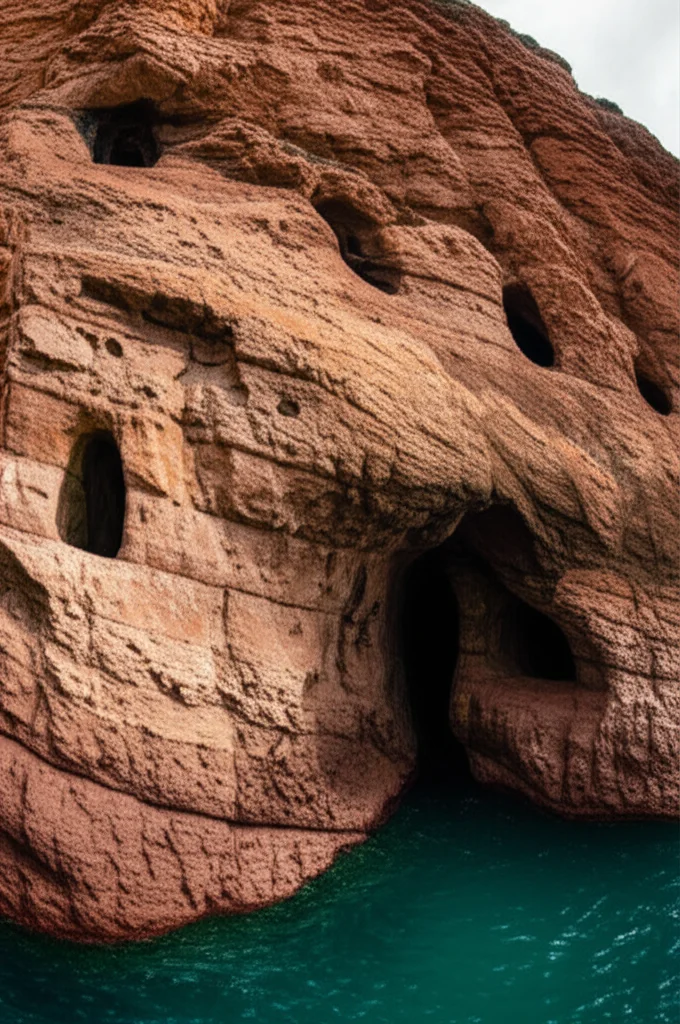
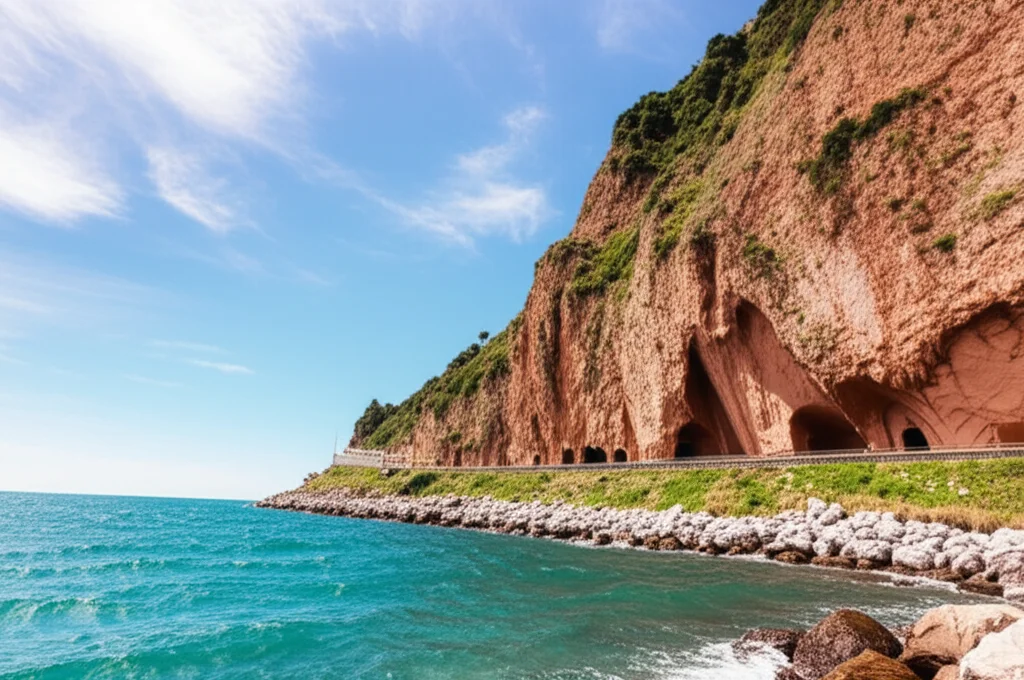
The site itself is a dramatic cliff face, often reddish in color (hence “Balzi Rossi,” meaning “Red Rocks”). Carved into this cliff are a series of caves, rock shelters, and there are even open-air sites. These weren’t just random spots; they were homes, workshops, and burial grounds for ancient people. We’re talking about evidence of both Neanderthal populations and the appearance of Homo sapiens. This makes Balzi Rossi a globally significant spot for studying that crucial transition period in human evolution.
The landscape here is a result of a complex dance between:
- The underlying Jurassic to Cretaceous limestone bedrock
- Tectonic activity that fractured and faulted the rock
- Climate fluctuations and sea-level changes over millennia
- Erosion shaping the cliffs and forming caves
You can still see traces of ancient sea levels – things like marine notches carved into the rock or holes left by boring shellfish, now high and dry due to uplift. It’s like the cliff face is a geological timeline, marked by the sea’s ebb and flow.
Of course, humans haven’t just lived here; they’ve also left their mark, sometimes dramatically. While the archaeological finds are astounding – human remains, ancient tools, even portable art – the landscape itself has been altered over time by roads, railways, quarrying, and sadly, even wartime destruction. It’s a reminder that preserving these sites is an ongoing challenge.
The Science Behind the Stories: The SPHeritage Project
Bringing all these threads together is where projects like SPHeritage come in. This initiative isn’t just about digging up old bones or mapping rocks; it’s about understanding the *connection*. The name SPHeritage itself – Sea level, Population, Heritage – tells you what it’s all about: how changes in the environment, particularly sea level, influenced human populations and shaped the heritage we see today.
The project brings together an international team of scientists from different fields – geomorphologists, archaeologists, paleontologists, geoheritage specialists, and more. Their goals are pretty ambitious:
- Figure out the history of sea-level changes over the last 400,000 years.
- Investigate how ecosystems responded to past climate change.
- Understand how different human groups (Neanderthals vs. Homo sapiens) adapted to these environmental shifts.
- And crucially, share all this amazing knowledge with the local community and the wider world!
It’s a fantastic approach because it flips the script a bit. While paleoenvironmental studies often help us understand human evolution, here, human cultures themselves can act as clues to detect past environmental changes. And understanding these past interactions is vital for planning how to protect the site today, especially with modern challenges like climate change and rising sea levels.
Talking to the Experts and the Locals
One of the coolest parts of the SPHeritage project, as the text explains, was the effort to really *connect* with people. They didn’t just do the science; they asked the experts involved what *they* thought about the site’s value and how best to protect and promote it. Then, they took those findings and discussed them directly with local community leaders and stakeholders – the people who live and work around Balzi Rossi every day.
The scientists’ survey confirmed what you might expect: they overwhelmingly see Balzi Rossi as having immense scientific value. It’s exemplary, diverse, a reference site globally, and rare. And yes, they see that unique, strong link between the cultural finds and the geological setting. However, they also pointed out the challenges: the site’s integrity is compromised in places due to past damage, and it’s sensitive, fragile, and vulnerable to both natural processes and human impact, especially if not managed carefully.
The discussion with the locals, structured like a World Cafè, was eye-opening. While they knew Balzi Rossi was historically important, many weren’t fully aware of the deep geological significance or the concept of a geosite. They expressed a strong desire for more visibility and better tourist engagement. They saw the potential for tourism but also the need for careful management. Ideas like immersive technologies and outdoor activities really resonated with them.

Bringing Balzi Rossi to Life: Promotion Ideas
So, how do you share the wonders of a place like Balzi Rossi with the world while protecting its incredible value? The project generated some fantastic ideas, blending traditional approaches with modern innovation:
- Guided Tours: Experts and locals agree that having someone explain the complex layers of history and geology is key. Tours could explore the caves, the external sites, or even be offered from the sea for a unique perspective of the cliff face.
- Museum Integration: The existing Prehistoric Museum is a treasure trove. Combining a museum visit with a site tour is seen as the ideal way to get the full picture.
- Multimedia Magic: Imagine stepping into a virtual reconstruction of the caves as they were 200,000 years ago! 3D models, Virtual Reality (VR), Augmented Reality (AR) – these tools can make the science and history incredibly engaging, both online and on-site.
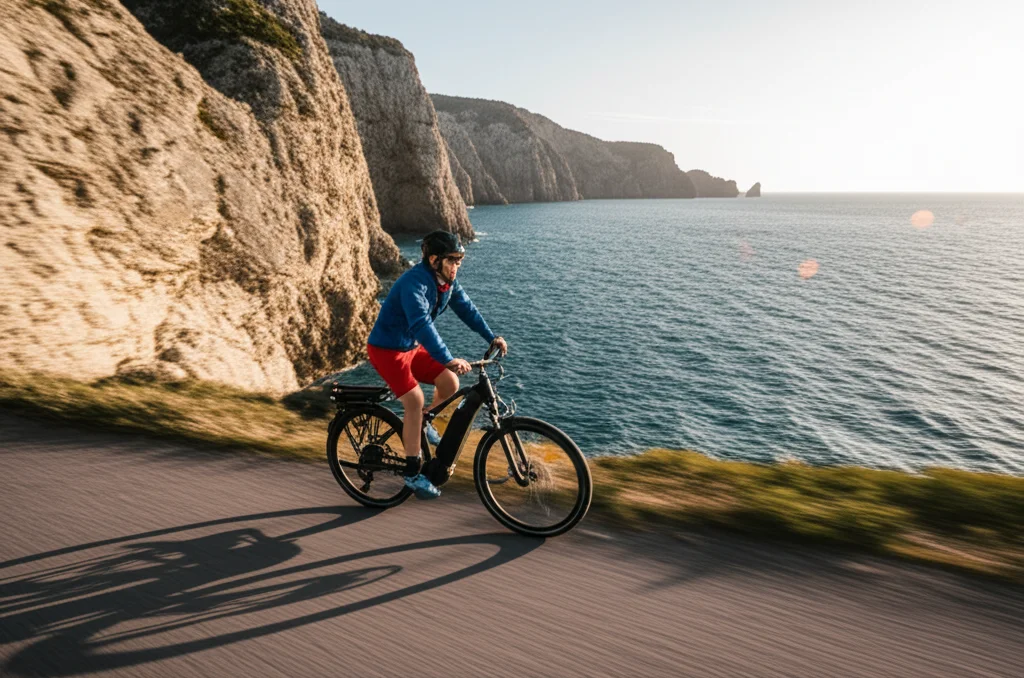
- Outdoor Adventures: This was a big one, especially with the tourism folks. Planning thematic trails for hiking, biking (including e-biking!), or even canoeing along the coast can connect different parts of the site and link it to other nearby geocultural spots. This promotes green tourism and allows people to experience the landscape actively.
- Accessibility: A crucial point raised was ensuring the site and its stories are accessible to everyone, including people with disabilities.
A really exciting idea that emerged was connecting Balzi Rossi not just to its immediate surroundings, but to *other* similar prehistoric sites along the Liguro-Provençal coast, in both Italy and France. Imagine a “geo-archaeological trail” linking places like Grotta dell’Arma, Terra Amata, or Lazaret. This would tell a bigger story about how ancient humans used this entire coastal region, regardless of modern borders.
Looking Ahead: A Bright Future for Geo-Cultural Heritage
The interaction between the scientists and the local community wasn’t just a chat; it sparked real action. The enthusiasm generated led to a successful application for funding from the New European Bauhaus (NEB) initiative. This project, “ARCHEOblueegreenway,” aims to reinforce the local ‘sense of place,’ communicate heritage to tourists, link sites for different users, boost green tourism, and improve governance for sustainable cross-border growth. It’s a direct result of bringing the scientific understanding and the local needs together.
Balzi Rossi is more than just a collection of caves or a geological formation. It’s a living testament to the deep, intricate relationship between humans and the Earth over vast timescales. It shows us how geology shaped where our ancestors lived, how they adapted, and how their story is literally written in the rocks and sediments.
The SPHeritage project and the subsequent community engagement have really highlighted the immense potential of Balzi Rossi as a geocultural site. It’s a place of incredible scientific value that also has a powerful story to share with the public. By using innovative tools and promoting sustainable, engaging activities, we can ensure that the stories held within these red rocks continue to inspire and educate for generations to come, reinforcing that vital connection between our cultural heritage and the dynamic planet we call home.
Source: Springer