Your Phone vs. Microplastics: How an App is Helping Women Fight Pollution
Hey everyone! Let’s chat about something that’s become a bit of an invisible enemy: microplastics. You know, those tiny bits of plastic that are everywhere? In our water, our food, even the air! It’s a huge global headache, and honestly, tackling it feels like trying to empty the ocean with a teacup. But one of the best ways we can start is by simply knowing more and changing our habits. And guess what? Turns out, our phones might be a secret weapon in this fight!
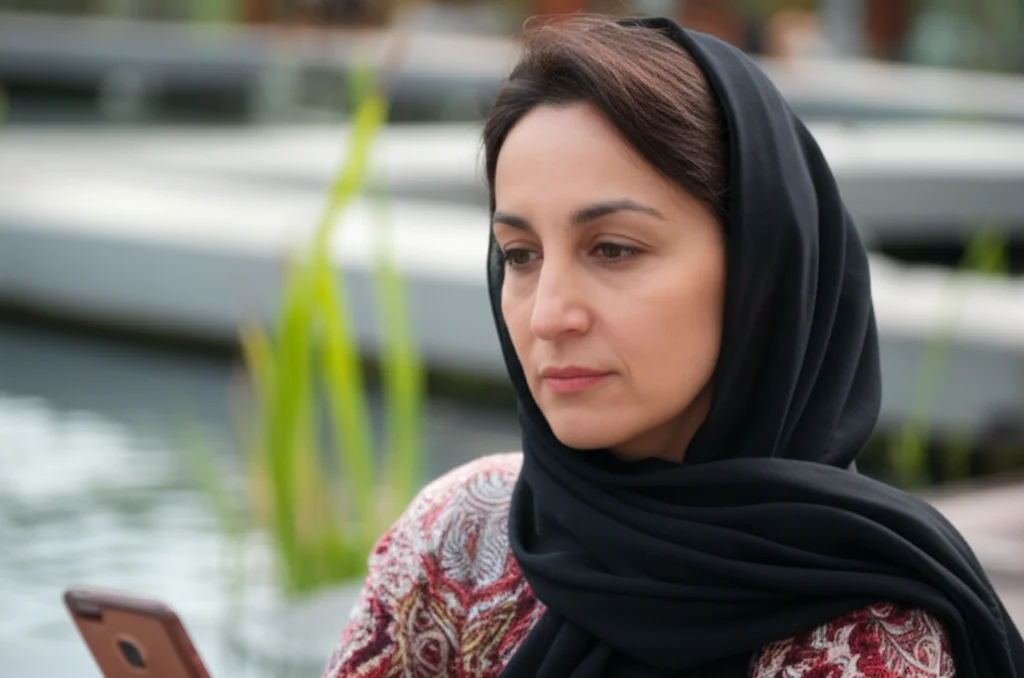
I recently came across a really cool study that put this idea to the test. They wanted to see if a mobile app could actually help women in Iran learn about microplastics and, more importantly, *do* something about them. Why women? Because, let’s be real, women often play a central role in household decisions, including what we buy and how we manage waste. Empowering them with knowledge can have a ripple effect through families and communities.
The Sneaky Problem of Microplastics
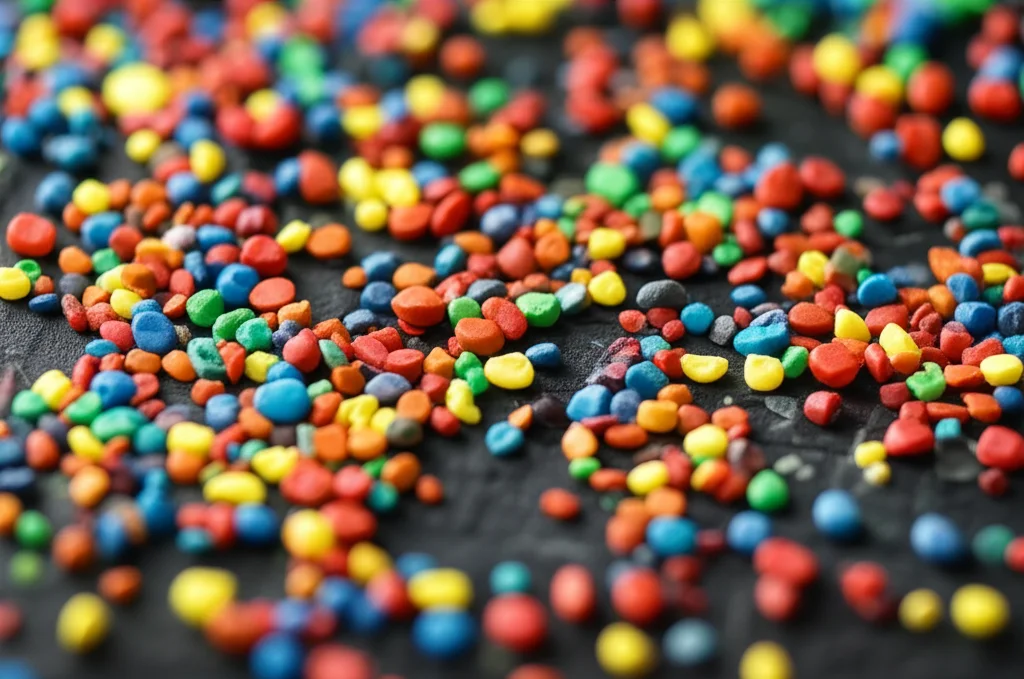
So, plastics are everywhere because they’re cheap, tough, and last forever (which is part of the problem!). Globally, we’re making tons of the stuff – literally hundreds of millions of metric tons a year. Countries like Iran face big challenges managing all this waste, with a lot of plastic ending up in open dumps. This isn’t just messy; it’s dangerous. Plastics break down into these tiny bits – microplastics – that get into the soil, water, and eventually, us.
Think about your daily routine. Microplastics are lurking in surprising places, especially in things like personal care products – facial scrubs, toothpaste, you name it. Studies have found them in cosmetics all over the world. Billions, even trillions, of these tiny particles get washed down the drain every year, heading straight for the environment.
Once they’re out there, they don’t just disappear. They get eaten by organisms, move up the food chain, and can accumulate in our tissues. Research suggests they might even cause stress in our bodies by increasing those pesky free radicals. It’s clear this isn’t just an environmental issue; it’s a health one too.
Fixing this needs a massive effort – governments, industries, all of us. But a really crucial piece of the puzzle is education. If people understand the risks, they’re more likely to change their behavior. This is where the idea of using health education, specifically targeting knowledge, attitudes, and practices (the KAP framework), comes in. And who better to target for household change than women?
Putting an App to the Test: The PlastiWise Study
Knowing there was a gap – not many studies focusing on microplastic education, especially digital ones, and none in Iran – a group of researchers decided to do something about it. They designed a proper scientific study, a randomized controlled trial (RCT), which is basically the gold standard for testing if something actually works.
They recruited 136 women in Iran who were 18 or older, had smartphones, and could read. They found them through social media and health networks. The women were then split randomly into two groups:
- Group A (Intervention): These ladies got access to a special mobile app called PlastiWise.
- Group B (Control): This group just went about their usual lives.
The PlastiWise app wasn’t just a bunch of boring text. The researchers developed content based on solid scientific info and made it engaging using all sorts of multimedia:
- Motion graphics videos
- Images
- Short and long text messages
- Podcasts
- Real-life short videos
- Personal narratives
The app covered everything from where microplastics come from and how they affect health (knowledge) to busting myths (attitudes) and giving practical tips like choosing plastic-free products (practices). They wanted to hit all three parts of that KAP framework.
Before anyone started, they measured everyone’s knowledge, attitudes, and practices using a special questionnaire called MIKAP. Then, the intervention group used the app for four weeks. They checked in with everyone again right after the four weeks, and then *again* eight weeks later, to see if any changes stuck. The control group only did the first two checks, but they got access to the app at the very end (because that’s the fair thing to do!).
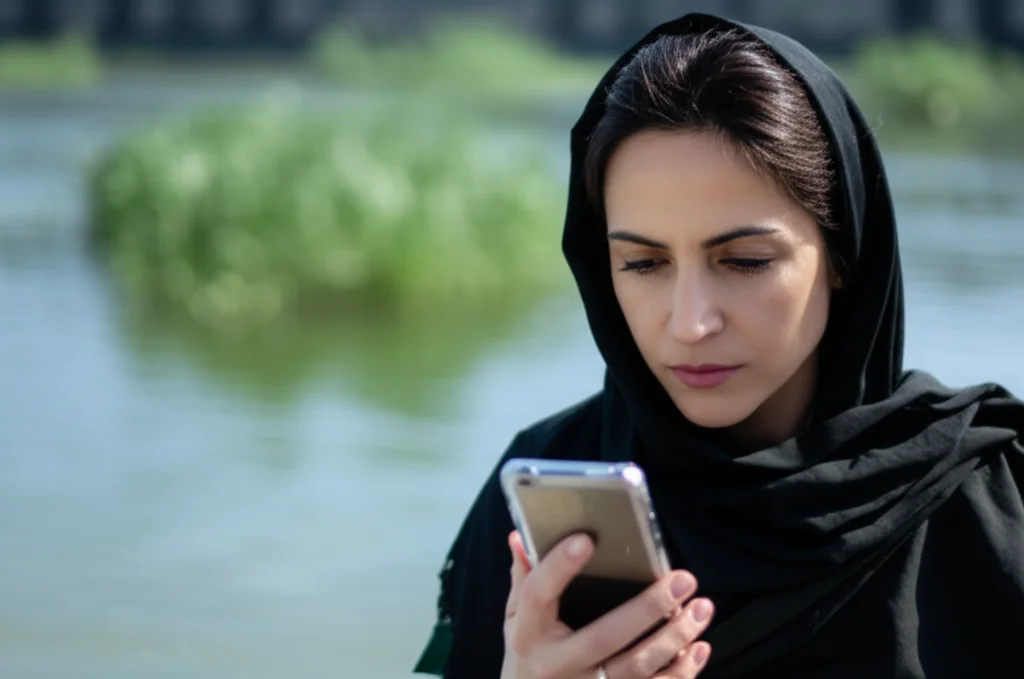
The researchers made sure the two groups were pretty similar in terms of age, education, etc., at the start, so they could be confident any differences later were because of the app, not something else. They also used some clever statistics to handle things like a few people dropping out of the control group.
What Did They Discover? The App’s Impact
Okay, drumroll please… what happened?
The results were really encouraging!
- Knowledge: The women using the PlastiWise app got *way* smarter about microplastics and health. Their knowledge scores shot up immediately after using the app and stayed significantly higher even two months later. The control group, on the other hand, actually saw their knowledge scores *decline* over the same period. This clearly shows the app was effective at boosting and maintaining knowledge.
- Attitudes: This one was a bit more nuanced. The app group’s attitudes towards microplastics and the risks didn’t change *significantly* for the better in a statistical sense. However, the control group’s attitudes actually got *worse*! This suggests the app might have played a protective role, preventing the decline in concern that happened without the educational boost. It highlights that changing deep-seated attitudes is tough and might take more time or different approaches.
- Practices: Here’s some great news! The women using the app significantly improved their practices related to microplastics – things like choosing different products or adopting healthier habits. These positive changes were clear right after the intervention and were still there two months later. The control group showed no real change in their practices. This is a big win – the knowledge gained seems to have translated into action!
Overall, the study found significant differences between the two groups after the intervention for all three areas (knowledge, attitudes, and practices), with the app group performing much better.
Why This Matters and What’s Next
So, what’s the big takeaway from all this? Well, first off, it confirms that digital tools like mobile apps can be super effective for teaching people about important environmental health issues like microplastics. The PlastiWise app, with its mix of videos, podcasts, and text, seems to be a much more engaging way to learn than traditional methods. It’s accessible, flexible, and fits right into people’s lives, especially in places like Iran where lots of women use smartphones.
The fact that the positive changes in knowledge and practices lasted for two months is also a big deal. It suggests that this kind of intervention isn’t just a quick fix; it can lead to more lasting changes in how people think and act.
Of course, no study is perfect. The researchers noted a few things. Sometimes internet wasn’t great, which could be a hurdle. Also, they relied on women *saying* they changed their practices, which isn’t always as accurate as actually *seeing* them do it. Future studies could try to find ways to measure behavior more objectively. They also didn’t look at whether things like age or education level changed how well the app worked, which would be interesting to know. And while they blinded the data analysts, the participants and the person running the study knew who was in which group, which could sometimes slightly influence results (though they took steps to minimize this).
Despite the limitations, this study provides strong evidence that empowering women with targeted, digital education can make a real difference in the fight against microplastics. It highlights the potential for scaling up these kinds of app-based programs for national campaigns.
The researchers suggest that for maximum impact, these apps should be combined with other efforts, like making it easier and cheaper to buy products without microplastics. Education is key, but having accessible alternatives helps people put that knowledge into practice.
In conclusion, this research gives us a hopeful look at how technology, specifically a well-designed mobile app, can be a powerful tool in environmental health education. By focusing on women, who are so influential in their households, the PlastiWise app successfully boosted knowledge and encouraged positive actions regarding microplastics and health. It’s a great reminder that small tools in our hands (like our phones!) can help us tackle big global problems.
Source: Springer