Eat Your Way to a Sharper, Stronger, Happier Old Age? This Study on Chinese Elderly Says YES!
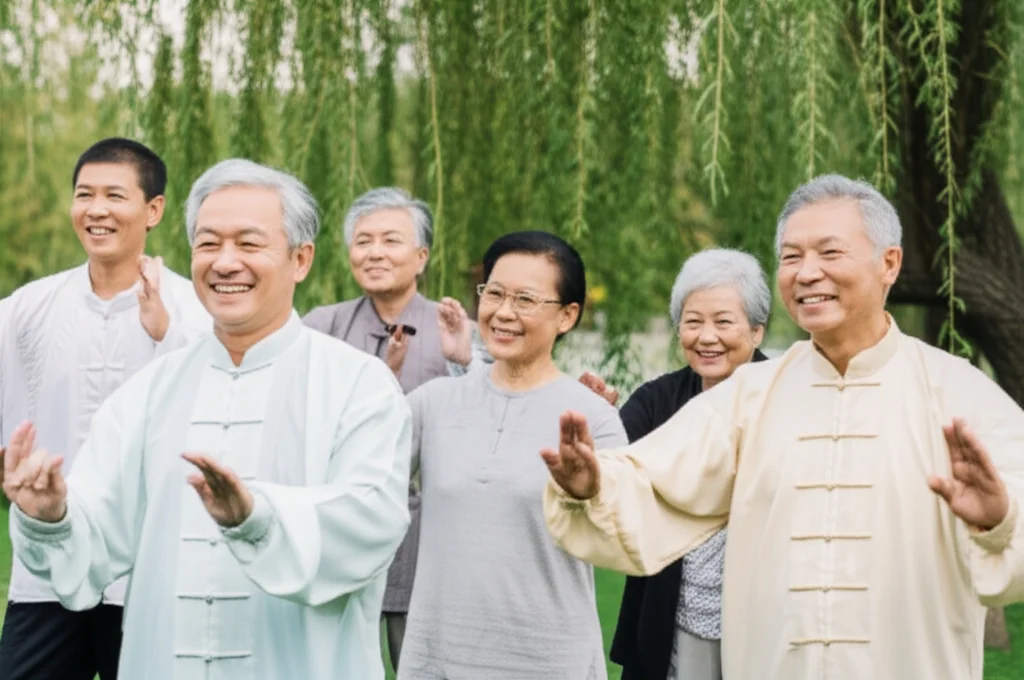
Hey everyone! Let’s talk about something that’s on a lot of our minds, or will be eventually – getting older. And not just getting older, but aging well. We all want to keep our wits about us, stay active, and feel good, right? Well, I was diving into some fascinating research lately, and it seems what we put on our plates might play a starring role in how gracefully we navigate our golden years.
The Growing Challenge of Aging Gracefully
It’s no secret that populations around the world are aging. The World Health Organization even predicts that by 2050, a whopping 22% of people globally will be 60 or over. And in China, the trend is even more pronounced, with folks aged 65 and over already making up 15.4% of the population. That’s a lot of wisdom, but it also brings some public health challenges.
As the years pile on, things like a bit of fuzzy memory (that’s cognitive impairment), finding it harder to get around or do daily tasks (physical dysfunction), feeling a bit down in the dumps more often (depressive symptoms), or even juggling a whole bunch of health issues at once (that’s multimorbidity, folks!) can become more common. Most studies tend to look at these issues one by one, but the reality is, many older adults deal with several at the same time.
Could Our Plates Hold the Key? Enter the Anti-Inflammatory Diet!
Now, what if I told you that what you eat could be a superhero in disguise, fighting off these age-related villains? I’m talking about the anti-inflammatory diet. This isn’t some fad; it’s about a pattern of eating that helps reduce systemic inflammation in the body – a sneaky culprit linked to aging and many chronic diseases.
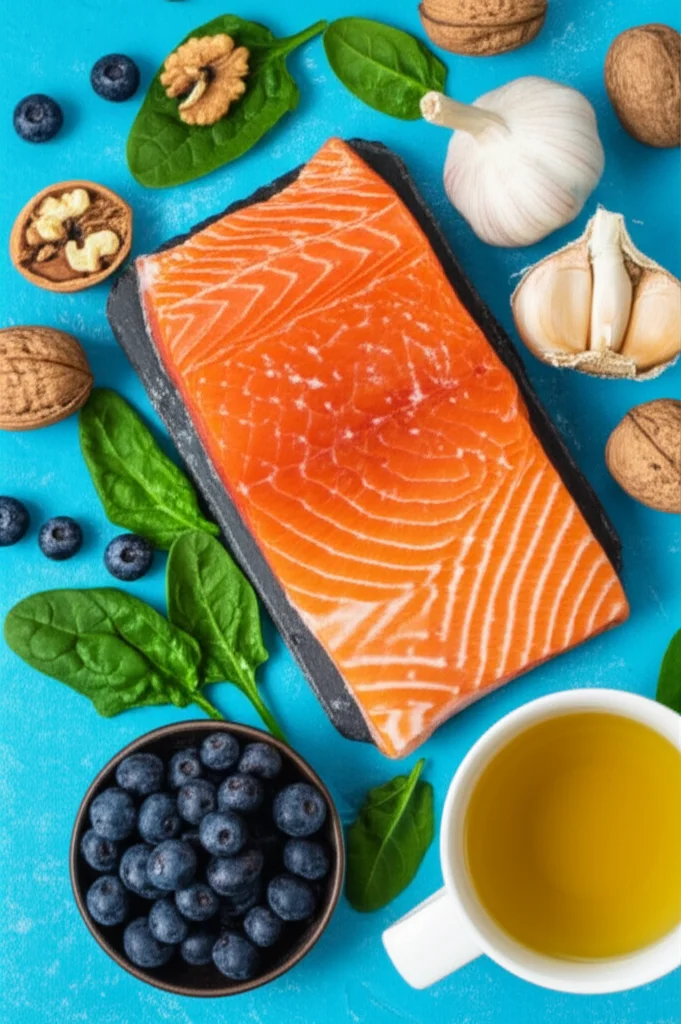
Think yummy foods rich in good stuff like DHA and EPA (hello, fish!), lecithin, isoflavones, allicin, omega-3 and omega-6 fatty acids, beta-glucan, and polyphenols. We’re talking about loading up on:
- Fisheries products
- Eggs
- Soybean products
- Garlic
- Dairy products
- Nuts
- Mushrooms
- And even a good cuppa tea!
Some studies also point to multivitamin supplements and medicinal plants as part of this beneficial pattern. The idea is that these foods help modulate inflammatory pathways, offering protection against those nasty health consequences.
The Big Chinese Study: What’s the Scoop?
So, I stumbled upon this really interesting study published in BMC Public Health, titled “Associations of anti-inflammatory diet with cognitive impairment, physical dysfunction, depressive symptoms, and Multimorbidity in Chinese elderly: a national community-based study.” Phew, that’s a mouthful! But the gist is super important.
Researchers looked at data from over 11,123 participants aged 65 years and older from the 2017–2019 Chinese Longitudinal Healthy Longevity Survey (CLHLS). This is a big, well-respected nationwide study. They asked these older adults about how often they consumed ten types of anti-inflammatory foods or supplements when they were around 60 years old. This is clever because it tries to look at dietary patterns from middle age and their impact later in life, potentially avoiding some “chicken or egg” confusion.
Then, they assessed their current health status:
- Cognitive function: Using a Chinese version of the Mini-Mental State Examination (CMMSE).
- Physical function: Based on the Katz Activity of Daily Living (ADL) scale, looking at things like bathing, dressing, and eating.
- Depressive status: Measured with the Center for Epidemiological Studies Depression Scale (CES-D-10).
- Multimorbidity: Defined as having two or more of the above conditions (cognitive impairment, physical dysfunction, depressive symptoms).
Drumroll, Please… The Results!
And guess what? The findings are pretty exciting! It turns out, the more folks stuck to an anti-inflammatory diet around age 60, the lower their chances of facing these health hurdles in their later years.
The study found that the prevalence of these issues in this elderly Chinese population was quite significant: 20.73% had cognitive impairment, 24.95% had physical dysfunction, 16.13% had depressive symptoms, and 16.11% were dealing with multimorbidity.
But here’s the kicker: after adjusting for a whole host of other factors (like age, sex, lifestyle, economic status, etc.), the link was clear. Compared to those who ate anti-inflammatory foods most frequently (let’s call them the Q4 group), those who ate them least frequently (the Q1 group) had:
- 41% higher odds of cognitive impairment
- 23% higher odds of physical dysfunction
- 19% higher odds of depressive symptoms
- 33% higher odds of multimorbidity
It wasn’t just an ‘all or nothing’ thing either. The study showed a pretty clear negative linear association: the more anti-inflammatory foods in the diet, the better the health outcomes. It’s like a sliding scale of goodness! The researchers even used something called restricted cubic splines (fancy stats!) to confirm these linear trends.
Why Does This Anti-Inflammatory Magic Work?
You might be wondering, ‘Okay, that sounds great, but how does it work?’ Well, it’s not actual magic, but it’s pretty cool science.
Our bodies can sometimes get a bit ‘inflamed’ systemically, especially as we age. This isn’t like a swollen ankle, but more of a low-grade, chronic inflammation that can contribute to all sorts of problems, from neurodegeneration to mood disorders.
Anti-inflammatory diets are packed with nutrients that can:
- Cool down the inflammation: Compounds like omega-3 fatty acids, polyphenols, and vitamins can inhibit the production of pro-inflammatory cytokines (like IL-1β, IL-6, TNF-α). Less inflammation can mean less neuroinflammation (good for the brain!) and can help prevent inflammation-induced muscle issues.
- Boost your gut buddies: A happy gut microbiome (thanks to fiber and certain proteins) is increasingly linked to a happier brain and body. Beneficial bacteria can enhance the production of neurotransmitters important for mood and cognition.
- Fight off the bad guys (oxidative stress): Antioxidants found in these foods (like green tea polyphenols and vitamin E) neutralize reactive oxygen species (ROS), which are like little troublemakers that can damage cells and promote inflammation.
- Keep stress in check: An anti-inflammatory diet might even help modulate the activity of the hypothalamic-pituitary-adrenal (HPA) axis, which is your body’s central stress response system. Lower cortisol levels and better stress resistance can promote mental health.
What’s Special About This Study?
Now, there have been other studies on anti-inflammatory diets, but this one brings some fresh and important perspectives.
Firstly, it focuses on the Chinese elderly population. Most of the research we see comes from Western countries, so it’s awesome to get insights from a different cultural and dietary context. It suggests these benefits might just be pretty universal!
Secondly, they didn’t just look at one health issue in isolation. They looked at cognitive function, physical function, and depressive symptoms, plus how they can cluster together as multimorbidity. That gives us a much more holistic picture of how diet impacts overall aging. They even did sensitivity analyses, like looking at different combinations of these conditions, and the protective effect of the diet held up.

Keeping It Real: The Limitations
As with any study, it’s good to keep a balanced view. The researchers themselves pointed out a few things to bear in mind, which is always a sign of good science!
- It’s a cross-sectional study, meaning it’s a snapshot in time. So, while it shows a strong association, it can’t definitively say diet causes these better outcomes or that better health doesn’t influence diet. We’d need longer-term, longitudinal studies to really nail down cause and effect.
- Memory lane: Asking people to remember what they ate around age 60 can be tricky (that’s recall bias!), especially for older adults whose memory might not be as sharp as it once was.
- Not the whole grocery store: The questionnaire focused on 10 anti-inflammatory dietary factors. While great, it’s a limited list and didn’t cover everything, like the full spectrum of fruits and vegetables which are also inflammation fighters.
- Other factors: While they tried to account for many things (like lifestyle, demographics, education, chronic diseases), there could always be other unmeasured confounding variables at play, like genetic factors or changes in health behaviors over time.
- Specific to the group: The findings are for Chinese adults aged 65 and older, so we need to be cautious about applying them directly to everyone everywhere, or to different age groups.
So, What’s the Big Takeaway?
Despite those limitations, the message from this study is pretty powerful and aligns with a growing body of evidence: regularly eating an anti-inflammatory diet seems to be a fantastic strategy for protecting against some of the major health challenges of aging.
We’re talking about potentially sharper minds, more agile bodies, brighter moods, and a lower chance of juggling multiple health conditions. That’s a pretty compelling reason to take a closer look at what’s on our plates, don’t you think?
It really highlights that rational dietary modifications could be an effective and accessible strategy for preventing aging-related health problems. It’s not about a magic pill, but about nourishing our bodies with the good stuff, consistently. The authors rightly suggest that this could inform prevention strategies and promote healthy aging.
The researchers suggest more studies are needed to dig deeper into the mechanisms of how these diets work and how to best tailor advice for different populations to optimize dietary intervention programs and promote public health policies. But for now, I’m definitely feeling inspired to double-check my grocery list for those inflammation-fighting champions. How about you? It seems like a delicious way to invest in a healthier future!

It’s truly encouraging to see research like this reinforcing the power of diet. It’s a reminder that even choices we made years ago can impact our well-being today, and that it’s never too late to start incorporating healthier, anti-inflammatory foods into our lives.
Source: Springer