Unlocking Nature’s Pharmacy: Amaranth’s Journey from Sprout to Superstar Against Gout?
Hey there! Let’s chat about something pretty cool that caught my eye recently. You know how life gets hectic? We’re all rushing around, grabbing quick meals, and sometimes, let’s be honest, our diets aren’t exactly winning awards for nutrition. This fast-paced lifestyle, unfortunately, is linked to all sorts of health issues, from feeling tired to more serious stuff like chronic diseases and metabolic disorders. It makes you think about what we’re *really* putting into our bodies, right?
That’s where the magic of plants comes in, especially the tiny powerhouses known as microgreens. We often hear about them being packed with good stuff – vitamins, minerals, antioxidants, you name it. They’re like little nutritional bombs! And the best part? You can often grow them easily, even in a small space, without needing tons of chemicals. They offer a way to get a concentrated dose of healthy compounds in their fresh form, which is awesome because cooking can sometimes zap away some of those benefits.
Meet the Star: Amaranthus Viridis
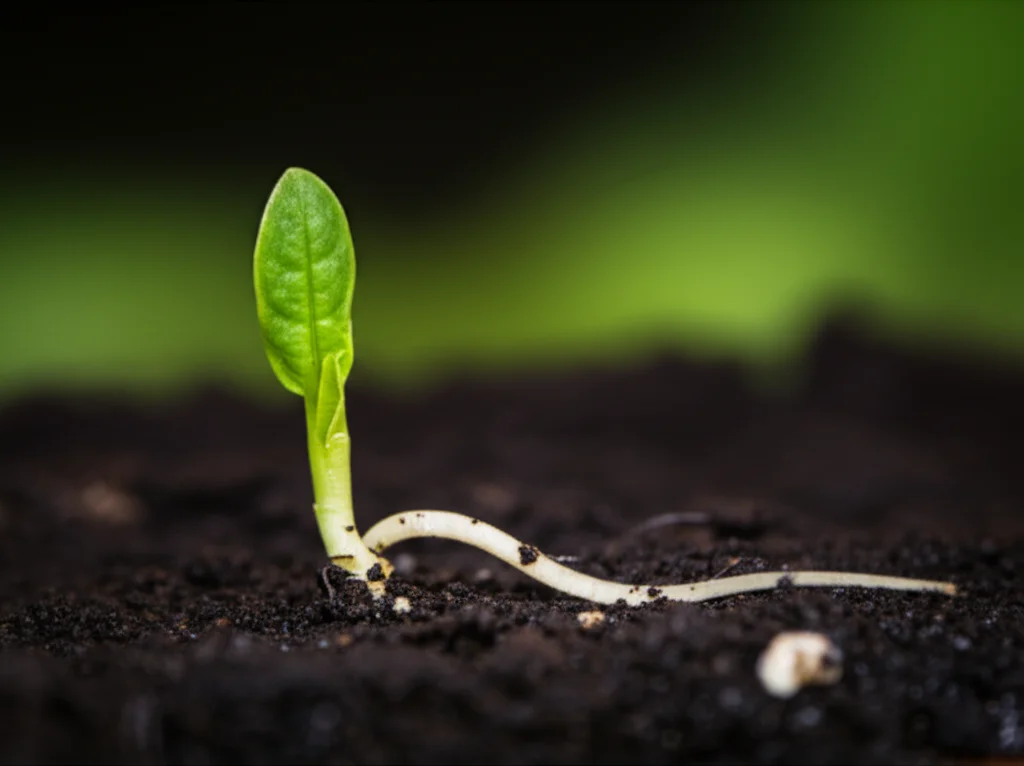
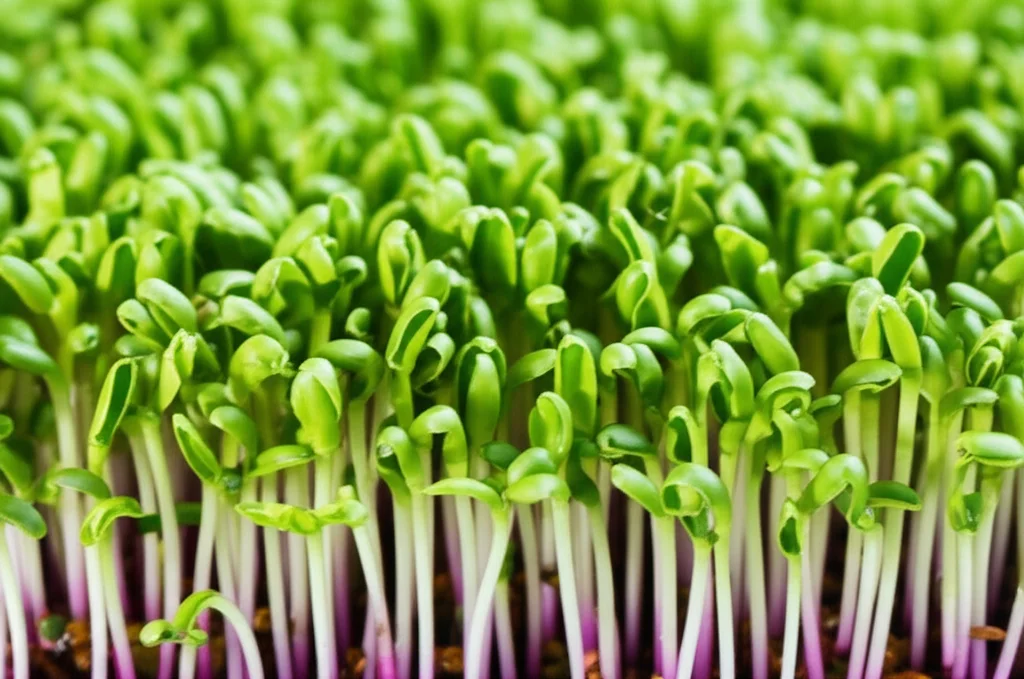
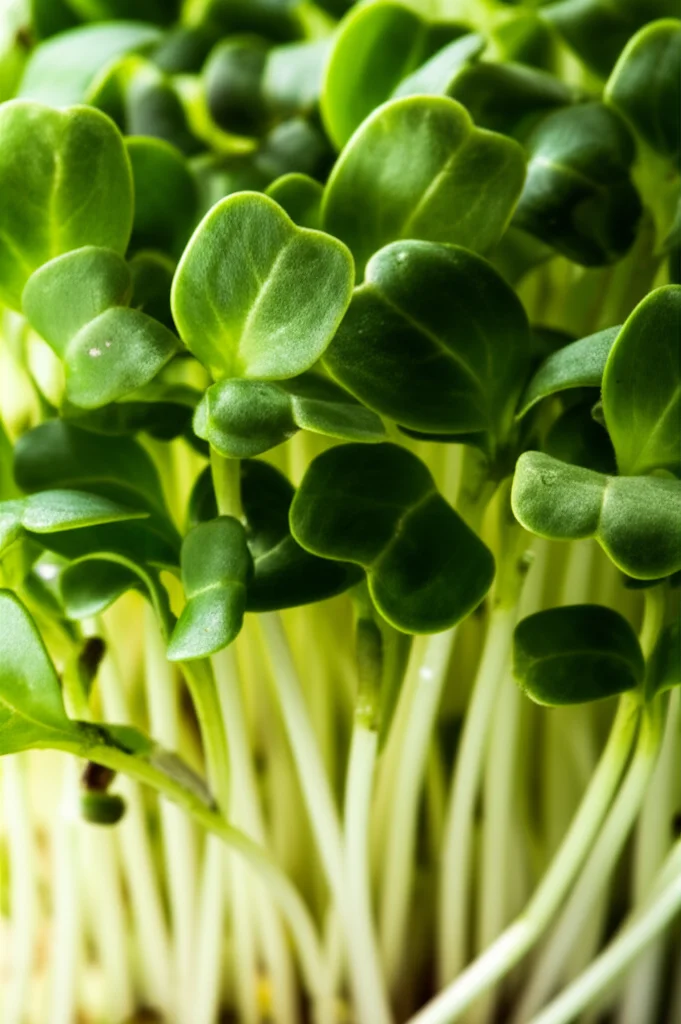
So, the plant we’re focusing on today is called Amaranthus viridis L., or Green Amaranth. It’s a leafy vegetable that’s pretty nutritious and easy to find or grow in many places. What’s particularly interesting is looking at it not just as a mature plant, but also in its earlier stages: sprouts and microgreens. Sprouts are the very first stage, just after germination, super quick to grow (like 4-10 days!) and usually just need water. Microgreens are a bit older (7-14 days), a few inches tall, and need light and a nutrient medium, but still no fertilizers or pesticides usually. The edible parts are different too – the whole sprout vs. the stem and first leaves for microgreens.
The Problem: Xanthine Oxidase and Gout
Now, let’s talk about a specific health issue: gout. Ever heard of it? It’s incredibly painful and happens when there’s too much uric acid in your blood (a condition called hyperuricemia). This excess uric acid can form crystals in your joints. The main culprit behind high uric acid is an enzyme called Xanthine Oxidase (XO). It’s like the key player in turning certain compounds in our food (purines) into uric acid. Eat too many purine-rich foods (like some meats and seafood), and XO gets busy, potentially leading to problems.
The usual way to manage gout is with drugs that inhibit XO, like Allopurinol or Febuxostat. But, and it’s a big but, these drugs can come with some nasty side effects, from skin rashes and fever to more serious issues. Plus, some are expensive and not easily available everywhere. This makes finding natural, safer alternatives a really important goal.
The Study’s Quest: Comparing Amaranth Stages
This is where the cool study comes in! We wanted to see how Amaranthus viridis performs at different life stages – sprouts, microgreens grown in soil, microgreens grown hydroponically (in water with nutrients), and mature plants – focusing specifically on their potential to inhibit that pesky XO enzyme. But we didn’t stop there! We also checked out their nutritional profiles: chlorophyll, protein, minerals, antioxidants, phenols, and flavonoids. Plus, they did some fancy analysis (GC/MS and chemometrics) to see what specific compounds were present and how they differed between stages. The big question was: Which stage is the most promising for health benefits, especially for tackling XO?
They collected seeds and plants, grew them under controlled conditions (or harvested mature plants), and then prepared extracts from each stage (WASp for sprouts, WAMiS for soil microgreens, WAMiHy for hydroponic microgreens, and WAM for mature plants). Then, they ran a bunch of tests.
What We Found: A Stage-by-Stage Breakdown
Let’s dive into the results because they were pretty interesting and varied depending on the stage:
- Chlorophyll: If you’re looking for that green goodness, the soil-grown microgreens (WAMiS) were the winners, showing the highest levels of chlorophyll a, b, and total chlorophyll. Even hydroponic microgreens were comparable to mature plants. This is great because chlorophyll itself has potential health benefits!
- Protein: Mature plants (WAM) had the most protein, followed by sprouts (WASp). Microgreens had less protein than the other stages in this study.
- Minerals: This was a mixed bag! Sprouts (WASp) were highest in Phosphorus (P), Magnesium (Mg), and Manganese (Mn), and had *no* detectable Cadmium (Cd), which is a good thing. Mature plants (WAM) were highest in Calcium (Ca), Cobalt (Co), Copper (Cu), Sodium (Na), and Potassium (K). So, different stages offer different mineral boosts.
- Antioxidants: Antioxidants help fight damage in our bodies. Total Antioxidant Content (TAC) was highest in mature plants (WAM), but sprouts (WASp) were very close! Microgreens had lower TAC. However, when looking at specific free radical scavenging activities (DPPH and Superoxide), mature plants (WAM) showed the strongest activity, followed by the microgreens. Sprouts had lower scavenging activity in these specific tests.
- Phenols and Flavonoids: These are other important plant compounds. Total Phenol Content (TPC) was significantly highest in the soil-grown microgreens (WAMiS). Sprouts (WASp) had more phenols than mature plants or hydroponic microgreens. Total Flavonoid Content (TFC) told a different story – sprouts (WASp) had the highest levels by far! Hydroponic microgreens and mature plants had similar, lower levels than sprouts.
- Targeting Gout: Xanthine Oxidase Inhibition: Now, the big one! Which stage was best at inhibiting the XO enzyme? Drumroll please… the sprouts (WASp) showed the highest XO inhibition activity! Mature plants (WAM) were next, followed by the microgreens. This is a really exciting finding, suggesting sprouts might be a potent natural source for managing uric acid levels.
- Metabolite Deep Dive: The detailed analysis found 95 different compounds across the stages, including essential amino acids, organic acids, fatty acids, sugars, and phenols. Crucially, the mix and concentration of these compounds were *distinctly different* between the sprouts, microgreens (soil and hydro), and mature plants. This chemical fingerprint confirms that each stage is unique in its composition, likely explaining the different biological activities observed.
The statistical analysis (ANOVA) confirmed that these differences in chlorophyll, protein, minerals, antioxidants, phenols, flavonoids, and XO inhibition were statistically significant between the different stages. This wasn’t just random variation; the growth stage really matters!
What Does This All Mean?
Okay, so what’s the takeaway from all this? First off, it confirms that Amaranthus viridis, in its various forms, is a nutritional powerhouse. But more specifically, it shows that different stages offer different benefits. If you’re after maximum chlorophyll and phenols, soil-grown microgreens seem great. For a wider range of minerals or overall antioxidant capacity, mature plants and sprouts are strong contenders. And for protein, mature plants lead the way, with sprouts also being a good source.
But the really standout finding for me is the Xanthine Oxidase inhibition. The fact that sprouts showed the highest activity against the enzyme linked to gout is pretty significant! Considering sprouts are super easy, fast, and cheap to grow, this opens up exciting possibilities for them as a functional food – something you eat not just for basic nutrition, but for specific health benefits, like helping manage uric acid levels naturally.
Think about it: sprouts are consumed fresh, meaning you get all those potential bioactive compounds directly. This is different from mature vegetables that are often cooked, potentially reducing some beneficial molecules. Microgreens are also eaten fresh, offering that direct nutrient boost.
This study really highlights the potential of sprouts and microgreens as health-promoting foods. They’re packed with bioactive goodies that could potentially help protect us against issues like hyperuricemia and gout, and maybe even other problems caused by environmental toxins. Growing sprouts and hydroponic microgreens is also presented as a sustainable, cost-effective, and time-saving way to produce these beneficial foods compared to growing mature plants.
Of course, more research is always needed, perhaps looking at other plant species or optimizing growing conditions (like using UV-B light, which one report suggests can boost bioactive compounds). But for now, this comprehensive look at Amaranthus viridis from sprout to mature plant gives us a fantastic insight into the unique nutritional and medicinal potential of each stage, particularly pointing to sprouts as a promising natural option for XO inhibition.
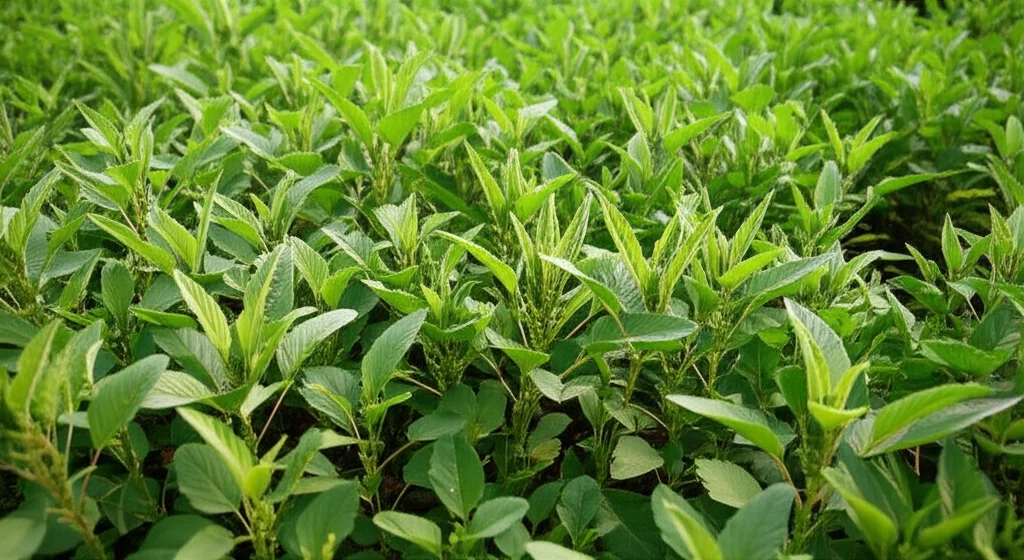
So, next time you’re thinking about adding something healthy to your diet, maybe give Amaranthus viridis sprouts or microgreens a try. They might just be tiny, but they pack a powerful punch!
Source: Springer