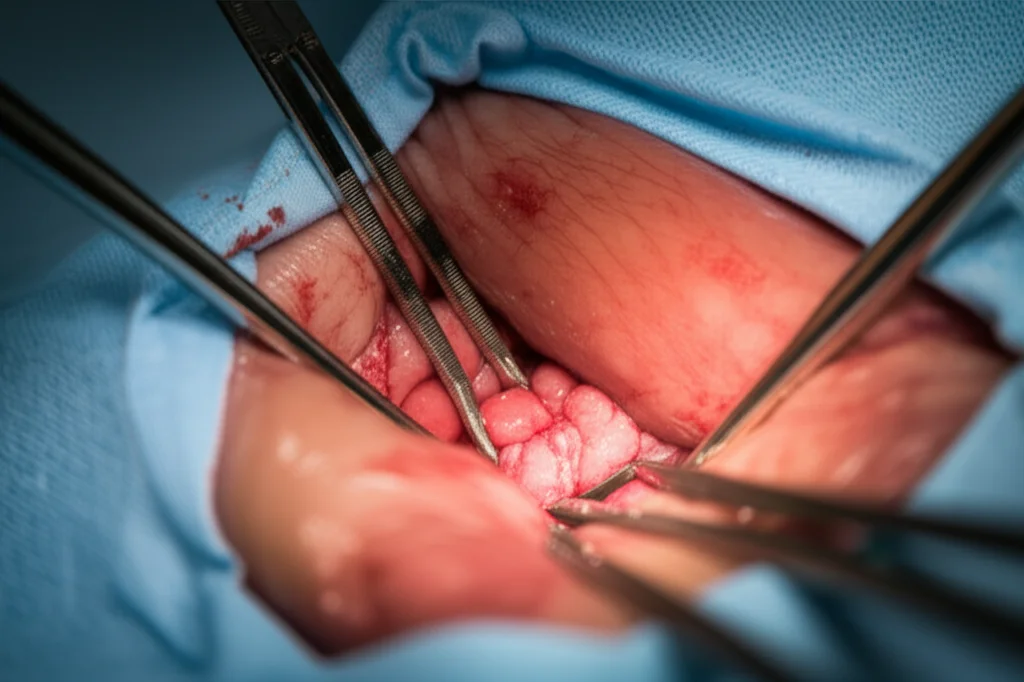
High ALP Before Parathyroidectomy? Here’s Why It Could Matter
Hey there! Let’s talk about something a little technical, but super important if you or someone you know is dealing with primary hyperparathyroidism (PHPT) and facing surgery. You know, that condition where your parathyroid glands get a bit overactive and mess with your calcium levels? The usual fix is surgery – taking out the troublesome gland, called a parathyroidectomy. It’s often minimally invasive these days, which is great!
But, like any surgery, there can be little hiccups afterward. One of the main ones is something called temporary hypoparathyroidism, or hypoPTH for short. Basically, the remaining parathyroid glands might be a bit sleepy after the overactive one is removed, leading to low calcium levels for a while. It’s usually temporary, but it can be uncomfortable and means you might need extra calcium and vitamin D.
What we’ve been trying to figure out in the medical world is: can we predict *who* is more likely to get this temporary hypoPTH *before* the surgery even happens? If we could, we could keep a closer eye on those folks and maybe start giving them supplements sooner to make things smoother.
The Search for a Predictor
For a while now, we’ve looked at things like calcium levels, PTH levels, and vitamin D before surgery. Some studies said they mattered, others said not so much. It was a bit of a mixed bag, honestly.
But there’s another marker we look at in blood tests called Alkaline Phosphatase, or ALP. Now, ALP is usually associated with bone turnover – how quickly your bones are breaking down and rebuilding. In PHPT, because PTH is high, it often speeds up this bone turnover, so ALP levels can be elevated. We know high ALP can be a sign of bone issues related to PHPT, but could it also tell us something about the *recovery* of the parathyroid glands after surgery?
There haven’t been a ton of studies specifically looking at ALP as a predictor for *transient* hypoPTH after parathyroidectomy, especially in patients who don’t have kidney problems (because kidney issues can also affect ALP and calcium). So, that’s where a recent study comes in, trying to shed some light on this exact question.
What the Study Looked At
This study gathered data from 158 patients who had minimally invasive parathyroidectomy for PHPT. These were folks with a single overactive gland, and importantly, they didn’t have kidney issues or other conditions that might mess with calcium or ALP levels.
What they wanted to know was simple: looking at all the usual pre-surgery blood tests and patient info, which factors were linked to developing temporary hypoPTH after the operation? They split the patients into two groups: those who got temporary hypoPTH (defined as low PTH levels that recovered within six months) and those who didn’t. Then, they crunched the numbers to see what was different between the groups and, more importantly, what *independently* predicted the risk.
The Key Findings: ALP Steps Up
It turns out, temporary hypoPTH happened in about 25% of the patients in this study. That’s pretty much in line with what we see in other reports – it’s a common complication, but usually not permanent.
When they compared the two groups (those with and without temporary hypoPTH), they found some interesting differences initially:
- Patients who developed temporary hypoPTH were, on average, a bit younger.
- They had lower vitamin D levels before surgery.
- And, significantly, they had higher levels of preoperative ALP, PTH, and calcium in their 24-hour urine tests.
But here’s the really crucial part. When they did a deeper statistical analysis to see which factors *independently* predicted the risk, meaning they weren’t just linked because of other things going on, only *preoperative serum ALP* stood out. Yep, just ALP.
The study found that for every little bump up in your ALP level before surgery, your risk of developing temporary hypoPTH afterward increased slightly (the odds ratio was 1.021). They even figured out a potential cutoff number: if your preoperative ALP was 119.5 U/L or higher, you were more likely to experience temporary hypoPTH. This cutoff had a decent ability to predict the condition, with about 73% sensitivity and 72% specificity.
Why Might ALP Be a Predictor?
So, why would ALP, a marker of bone turnover, predict parathyroid gland recovery? It likely ties back to something called “hungry bone syndrome,” though often in a less severe, transient form.
In PHPT, high PTH has been pulling calcium *out* of your bones for a while. This increases bone turnover, and ALP goes up because it reflects the activity of cells that build bone (osteoblasts). When the source of excess PTH (the adenoma) is suddenly removed during surgery, the signal to pull calcium out of bone stops abruptly. However, the bone-building cells (the osteoblasts), which were ramped up due to the high PTH, are still active. They start rapidly taking calcium and phosphate *into* the bone to rebuild it. This rapid uptake can lower calcium levels in the blood, sometimes significantly.
If your ALP was high before surgery, it suggests your bone turnover was particularly active. After surgery, this active bone-building process might continue for a time, leading to a greater “pull” of calcium from the blood into the bones. This could overwhelm the ability of the remaining, possibly suppressed, parathyroid glands to produce enough PTH to keep blood calcium levels normal, resulting in temporary hypoPTH and hypocalcemia.
Other studies have also linked high preoperative ALP to postoperative hypocalcemia, especially in patients with more severe bone disease or kidney issues. This study reinforces that link even in patients without kidney problems, specifically for *transient* hypoPTH. The cutoff value found in this study (119.5 U/L) was lower than in some previous studies, which might be because they included a larger group of patients with normal kidney function.
Putting It into Practice
What does this mean for you or your doctor? Well, if your preoperative ALP level is on the higher side (maybe around that 119.5 U/L mark or higher, based on this study’s findings), it’s a good heads-up. It suggests you might be at a higher risk for developing temporary hypoPTH after your parathyroidectomy.
Knowing this beforehand allows your medical team to be proactive. They can monitor your calcium levels very closely after surgery and might decide to start you on calcium and/or vitamin D supplements earlier. This kind of early intervention can potentially help prevent uncomfortable symptoms of low calcium, reduce the risk of complications, and maybe even help you get home from the hospital sooner.

It’s worth remembering that this study, like many, has its limitations. It looked back at patient data (retrospective) rather than following patients forward (prospective), and they measured total ALP, not just the bone-specific kind (though they did exclude patients with liver/bile issues that affect ALP).
Looking Ahead
Despite the limitations, the finding that preoperative ALP is an independent predictor of temporary hypoPTH is really valuable. It gives us another tool in our belt to identify patients who might need extra care after parathyroidectomy.
Future studies will hopefully confirm these findings with larger groups and perhaps look specifically at bone-specific ALP. But for now, it seems keeping an eye on that preoperative ALP level is a smart move for predicting and managing potential post-surgery hiccups. It’s all about making the recovery process as smooth as possible!
Source: Springer